Dental Sedation: A Complete Medical Overview
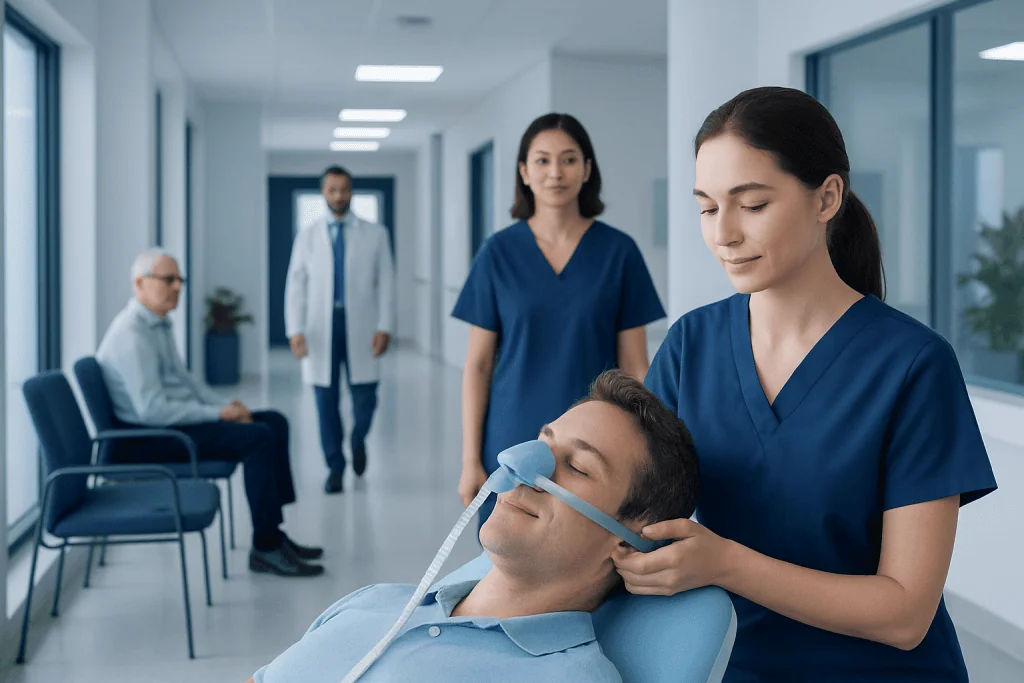
Dental sedation includes several levels, from mild relaxation to deep sedation and general anesthesia. The safest option depends on the patient’s health, age, anxiety level, and the type of dental procedure planned.
Key Takeaways
- Dental sedation includes several levels, from mild relaxation to deep sedation and general anesthesia.
- The safest option depends on the patient’s health, age, anxiety level, and the type of dental procedure planned.
- A pre-procedure medical review is important because some medicines and health conditions can affect sedation safety.
- Most side effects are temporary, such as drowsiness, dry mouth, nausea, or reduced coordination after treatment.
- Patients usually need a trusted adult to accompany them home after moderate or deeper sedation.
Dental sedation is the use of medicines or inhaled agents to help a person relax, feel less aware of treatment, or sleep more deeply during dental care. It can make procedures more comfortable for children and adults, especially those with strong anxiety, a sensitive gag reflex, special healthcare needs, or treatment that is expected to be lengthy or complex.
Overview: what dental sedation means
Dental sedation refers to techniques used to reduce fear, discomfort, and awareness during dental treatment. It does not always mean a person is fully asleep. In many cases, the goal is simply to help the patient feel calm, tolerate the procedure more easily, and have a more positive experience.
Depending on the method used, a person may remain fully awake, feel deeply relaxed, become sleepy with limited memory of the procedure, or be unconscious under general anesthesia. Dentists, oral surgeons, anesthesiologists, and other trained clinicians choose the level of sedation based on the procedure, the patient’s medical background, and how much support is needed for comfort and safety.
Dental sedation can be used for routine procedures in anxious patients, but it is also helpful for more complex care such as wisdom tooth removal, extensive restorations, implant surgery, or treatment in people who have difficulty staying still. In some situations, sedation may be part of a broader care plan that includes dental implant treatment or oral and dental health care.
Who may benefit from dental sedation
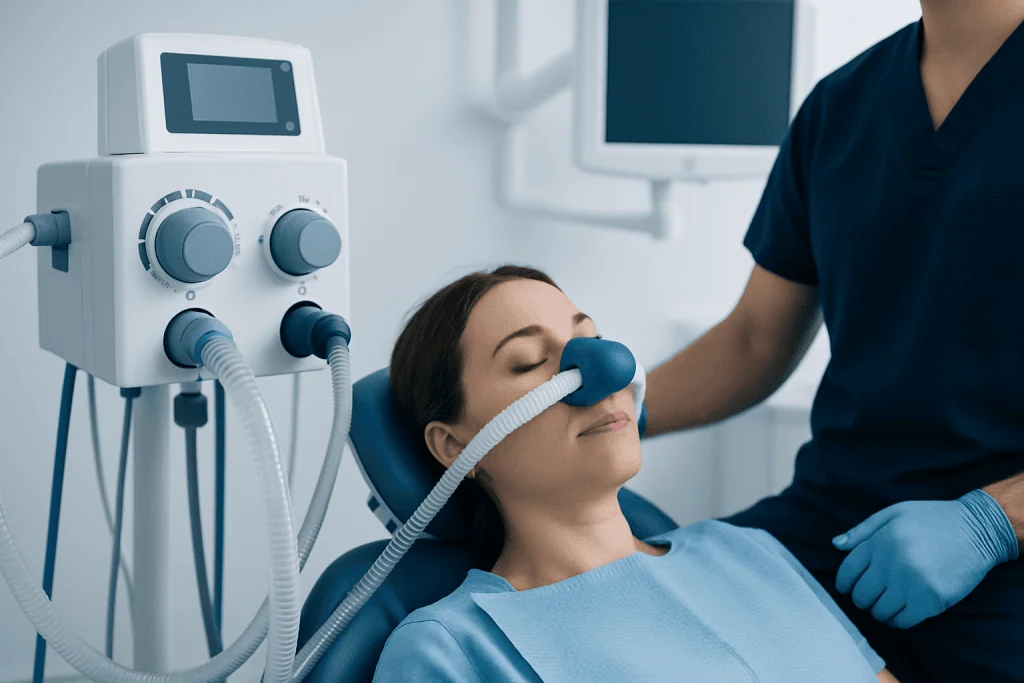
Dental sedation may be helpful for adults and children who feel intense fear about dental treatment, have had a difficult past experience, or cannot comfortably complete a procedure while fully awake. It can also support patients with a strong gag reflex, trouble remaining still, sensory sensitivities, or special healthcare needs that make dental care harder to manage.
It is not used only for anxiety. Some people benefit because the planned dental work is long, complex, or likely to cause discomfort despite good local anesthesia. Sedation may also be considered when several treatments need to be completed in one visit, reducing repeated stress and repeated appointments.
- Severe dental anxiety or phobia
- Low pain tolerance despite routine pain control
- Strong gag reflex
- Need for lengthy or invasive procedures
- Difficulty cooperating due to age, disability, or medical conditions
- Previous traumatic experiences with dental care
Even when sedation is appropriate, it is usually combined with local anesthesia to control pain at the treatment site. Sedation reduces distress and awareness; local anesthesia numbs the area being treated.
Types and levels of dental sedation

There are several forms of dental sedation, and they differ in how quickly they work, how deeply they relax the patient, and how long recovery takes. The main categories are minimal sedation, moderate sedation, deep sedation, and general anesthesia. These levels describe how responsive a patient remains during treatment.
Nitrous oxide, often called laughing gas, is a common form of minimal sedation. It is inhaled through a mask and usually creates a calm, light, floating sensation while the patient stays awake and able to respond. Its effects wear off quickly once the gas is stopped, which can make recovery easier for many people.
Oral sedation involves taking a prescribed sedative medicine before the appointment. It can range from mild to moderate sedation depending on the drug, dose, and the individual response. Intravenous, or IV, sedation works through a vein and allows the team to adjust the level of sedation more precisely during the procedure. Deep sedation and general anesthesia are used for selected cases and require advanced monitoring and trained anesthesia professionals. For complex surgical care, this may be coordinated with oral and maxillofacial surgery.
Although people often use the term “sleep dentistry,” many patients under dental sedation are not fully asleep. Some may remember parts of the visit, while others may have little or no memory afterward. The exact experience depends on the sedation method and the person’s own response.
Safety, preparation, and possible risks
Dental sedation is generally safe when it is planned carefully, delivered by qualified professionals, and matched to the patient’s health needs. Safety starts with a thorough review of medical history, including heart and lung conditions, sleep apnea, pregnancy, allergies, previous anesthesia reactions, and all medicines, supplements, alcohol, or recreational substances that could affect sedation.
Before the procedure, patients may be told when to stop eating and drinking, which regular medicines to take or pause, and whether they will need blood pressure or other checks. A parent or caregiver may need to provide details for a child or older adult. Following these instructions matters because food, medicines, and underlying conditions can change how the body responds to sedatives.
Common short-term side effects can include drowsiness, dizziness, dry mouth, headache, nausea, and poor coordination for several hours. More serious complications are less common but can include breathing problems, drops in blood pressure, abnormal heart rhythm, allergic reactions, or excessive sedation. The risk may be higher in people with certain medical conditions or when deeper forms of sedation are used.
Because sedation can reduce alertness and judgment, most patients should not drive, work with machinery, sign important documents, or drink alcohol until fully recovered. For moderate sedation, deep sedation, or general anesthesia, a responsible adult is usually needed to accompany the patient home and stay with them for a period after the procedure.
What to expect before, during, and after the procedure
Before dental sedation, the dental team explains the planned procedure, the type of sedation, expected benefits, possible side effects, and alternative approaches. The patient is usually asked about fasting, medicines, prior sedation experiences, and whether they have had problems such as nausea, difficult airway management, or snoring related to sleep apnea. Informed consent is obtained once questions are answered.
During treatment, monitoring may include blood pressure, pulse, oxygen level, breathing, and responsiveness, depending on the sedation level. Local anesthesia is often given after sedation begins so that the treatment area is numb. The dental team watches the patient throughout the procedure and adjusts care based on comfort and vital signs.
Afterward, recovery time depends on the method used. Nitrous oxide often wears off quickly, while oral or IV sedation may leave the patient sleepy for much longer. It is normal to feel tired, have patchy memory of the visit, or need a quiet day at home. Written aftercare instructions usually cover eating, drinking, activity, pain relief, and signs that should prompt a call to the clinic.
Patients should contact their care team if they have persistent vomiting, worsening breathing difficulty, severe confusion, chest pain, or bleeding related to the dental procedure. These symptoms are not expected and should be assessed promptly.
How doctors decide which sedation option is best
The best dental sedation plan is individualized. Clinicians consider the person’s age, weight, medical conditions, anxiety level, ability to cooperate, and the expected length and complexity of treatment. A short filling in an anxious adult may need only nitrous oxide, while an extensive extraction or implant procedure may require deeper sedation or anesthesia support.
Children are assessed carefully because age, development, and behavior strongly influence whether they can tolerate treatment. Adults with chronic illnesses also need special review. For example, obstructive sleep apnea, severe obesity, lung disease, certain neurological disorders, and some heart conditions can change the safety profile of sedative medicines. When needed, the dental team may coordinate with other specialists.
Medication use also matters. Sedatives can interact with opioid pain medicines, sleeping tablets, anti-anxiety drugs, antihistamines, alcohol, and some herbal supplements. A patient should never increase or add sedating medicine on their own before a procedure. Honest, complete medication disclosure helps prevent avoidable complications.
In some cases, dental symptoms are part of a broader medical problem that also needs evaluation, such as TMJ disorders or active gum disease. Addressing the underlying condition can improve comfort and may affect the treatment plan.
Alternatives, self-care, and ways to reduce dental anxiety
Not every patient with dental fear needs medication-based sedation. Many people do well with a stepwise approach that includes clear communication, shorter appointments, breaks during treatment, music, relaxation breathing, distraction techniques, numbing gels before injections, and supportive behavior strategies from an experienced dental team. For some, these measures are enough to make treatment manageable.
Cognitive behavioral strategies, counseling, or gradual exposure can also help people with long-standing dental phobia. These approaches do not work instantly, but over time they may reduce the need for sedation and make future care easier. Good preventive dental care also matters, because early treatment usually means simpler, shorter appointments.
Patients can support safer care by sharing their full medical history, following fasting instructions, avoiding alcohol or non-prescribed sedatives before the visit, arranging transportation, and planning rest afterward. Comfortable clothing, a trusted companion, and asking questions in advance can also help reduce stress.
Near the end of a care journey, some international patients choose centers that can coordinate dentistry, anesthesia, imaging, and surgical specialties in one place. Acibadem International’s multidisciplinary specialists and JCI-accredited hospitals diagnose and treat dental conditions for international patients when advanced evaluation or sedation-supported care is needed.
When to seek medical care
A person should seek professional dental or medical care if fear, gagging, pain sensitivity, or special care needs are preventing necessary dental treatment. Ongoing avoidance of dental visits can allow tooth decay, infection, gum disease, and other oral health problems to become more difficult to treat over time.
Prompt assessment is especially important if dental symptoms include swelling of the face or gums, fever, severe tooth pain, pus, difficulty opening the mouth, trouble swallowing, or signs of spreading infection. Emergency attention is needed for breathing difficulty, severe allergic symptoms, chest pain, fainting, or reduced responsiveness after sedation.
Patients who have had complications from sedation in the past, or who have major medical conditions such as severe heart disease, advanced lung disease, or sleep apnea, should discuss this well before any dental procedure. A careful plan can often improve both comfort and safety.
Frequently asked questions
Is dental sedation the same as general anesthesia?
No. Dental sedation includes a range of options, from mild relaxation while awake to deeper sedation with reduced awareness. General anesthesia is the deepest level and usually means the patient is fully unconscious.
Is dental sedation safe for most people?
For many patients, dental sedation is safe when it is provided by trained professionals after a proper medical review. Safety depends on the type of sedation, the person’s health conditions, medications, and the level of monitoring used.
Will the patient still feel pain during dental sedation?
Sedation helps with fear, relaxation, and awareness, but it does not replace local anesthesia. Most dental procedures still use numbing medicine in the treatment area to control pain effectively.
Can someone drive home after dental sedation?
Usually not after oral sedation, IV sedation, deep sedation, or general anesthesia. Judgment, coordination, and reaction time may remain reduced for hours, so a responsible adult is typically needed to accompany the patient home.
Who may not be a good candidate for dental sedation?
Some people need extra caution, including those with severe sleep apnea, certain heart or lung conditions, pregnancy, previous anesthesia complications, or significant drug interactions. This does not always mean sedation is impossible, but it may require a modified plan or specialist involvement.
How long does recovery from dental sedation take?
Recovery depends on the method used. Nitrous oxide often wears off quickly, while oral or IV sedation may cause drowsiness for the rest of the day, and deeper anesthesia can require longer recovery and closer supervision.
References
- American Dental Association
- National Institute of Dental and Craniofacial Research
- American Society of Anesthesiologists
- American Academy of Pediatric Dentistry
- National Health Service
This article is for general information only and is not a substitute for professional medical advice. Please consult a qualified doctor about your individual situation.
Explore treatments in Turkey — costs, top hospitals & a free quote
JCI-accredited · board-certified surgeons · reply within 24h
Add us as a Preferred Source to see more of our trusted health content across Google Search, AI Overviews and Discover.

More from the Health Library

Alcohol Poisoning: An Evidence-Based Guide for Patients

Willpower — Explained by Medical Evidence, Not Myths
Long Tongue: A Complete Medical Overview

Creatine Before or After Workout: What Patients Need to Know
Circumcision: An Evidence-Based Guide for Patients