Depression Treatment Options: Medication, Psychotherapy, and When Combined Care Helps

Depression is treatable, and many people improve with the right combination of care. Psychotherapy can help change unhelpful thought and behavior patterns and build coping skills.
Key Takeaways
- Depression is treatable, and many people improve with the right combination of care.
- Psychotherapy can help change unhelpful thought and behavior patterns and build coping skills.
- Medication may be recommended for moderate to severe depression or when symptoms persist.
- Combined treatment often helps when depression is more severe, recurrent, or affecting daily life significantly.
- Treatment plans should be individualized and reviewed regularly with a qualified clinician.
Depression treatment options usually include psychotherapy, medication, lifestyle support, or a combination of these approaches. The most suitable plan depends on symptom severity, past treatment response, overall health, and the person’s goals and preferences.
Overview of Depression Treatment Options
Depression is a common mental health condition that can affect mood, energy, sleep, concentration, appetite, and interest in daily life. Treatment is not one-size-fits-all. A person’s care plan may include psychotherapy, medication, lifestyle measures, or a combination of these, depending on symptoms and personal circumstances.
For some people, talk therapy is the first step. For others, medication may be appropriate, especially if symptoms are moderate to severe, long-lasting, or make it hard to function at work, school, or home. In many cases, using both approaches together provides broader support by addressing both symptoms and the patterns that may maintain depression.
It is also important to remember that improvement may take time. Depression treatment often works gradually rather than all at once, and plans sometimes need adjustment. Regular follow-up with a doctor, psychiatrist, psychologist, or therapist helps make treatment safer and more effective.
When Depression May Need Professional Treatment
Everyone feels sad, stressed, or emotionally exhausted at times, but depression usually lasts longer and affects daily functioning more deeply. Professional evaluation becomes especially important when low mood or loss of interest continues for at least two weeks, or when symptoms interfere with relationships, work, study, self-care, or sleep.
Common symptoms that may signal depression include persistent sadness, hopelessness, loss of pleasure, irritability, fatigue, trouble concentrating, changes in appetite, and sleep problems. Some people also notice physical complaints such as headaches, body aches, or digestive discomfort without a clear medical cause.
A mental health professional will also look for signs that another condition may be present, such as anxiety, trauma-related symptoms, bipolar disorder, substance use problems, or a medical illness affecting mood. Distinguishing depression from other causes is an important part of choosing the right treatment.
- Symptoms lasting two weeks or longer
- Difficulty functioning in daily life
- Repeated episodes of depression
- Symptoms with anxiety or panic
- Thoughts of self-harm or suicide, which require urgent help
Psychotherapy for Depression

Psychotherapy, also called talk therapy, is a core treatment for depression. It helps people understand thoughts, emotions, behaviors, and relationship patterns that may contribute to their symptoms. Therapy can also provide practical tools for coping with stress, improving communication, and rebuilding healthy routines.
Several forms of psychotherapy are used for depression. Cognitive behavioral therapy focuses on identifying and changing unhelpful thoughts and behaviors. Interpersonal therapy explores how relationships, grief, conflict, or major life changes affect mood. Other approaches may include behavioral activation, problem-solving therapy, psychodynamic therapy, or mindfulness-based techniques.
Therapy may be especially helpful for mild to moderate depression, for people who prefer a non-drug approach, or alongside medication in more severe cases. Sessions can be individual, group-based, or sometimes family-focused. The most effective therapy is often the one that matches the person’s needs and is delivered consistently by a qualified clinician.
When depression is connected with stress, trauma, loss, chronic illness, or ongoing life pressures, psychotherapy can be particularly valuable. It can help a person gain insight, strengthen resilience, and reduce the risk of future episodes by teaching skills that remain useful long after symptoms improve.
Medication for Depression
Medication may be recommended when depression is moderate to severe, when symptoms are persistent, or when therapy alone has not been enough. Antidepressants work by affecting brain chemicals involved in mood regulation. They do not change personality, but they may reduce symptoms such as low mood, anxiety, poor concentration, sleep disturbance, and loss of energy.
Several types of antidepressants are available, and the choice depends on many factors. These include symptom pattern, side effects, other medical conditions, past treatment response, age, pregnancy considerations, and whether the person is taking other medicines. A doctor will usually explain expected benefits, possible side effects, and how long treatment may need to continue.
Antidepressants do not usually work immediately. Many people begin to notice some benefit after a few weeks, while fuller improvement may take longer. It is important not to stop medication suddenly without medical advice, as this can cause withdrawal-like symptoms or a return of depression.
If the first medication is not a good fit, another option may work better. Finding the right medication sometimes requires careful monitoring and adjustments. In more complex situations, consultation through psychiatric care may help tailor a plan that balances effectiveness, side effects, and long-term needs.
When Combined Care Helps Most
Combined care means using psychotherapy and medication together. This approach is often recommended for moderate to severe depression, recurrent depression, or depression that includes marked sleep changes, poor functioning, or significant anxiety. It can also be useful when one treatment alone has given only partial improvement.
Medication may reduce the intensity of symptoms enough for a person to engage more fully in therapy. At the same time, psychotherapy can help address the thought patterns, behaviors, relationship stresses, and coping difficulties that medication alone may not fully resolve. Together, these treatments can support both short-term symptom relief and long-term recovery.
Combined care may also be considered if depression is occurring alongside another mental health condition such as anxiety. In that context, a broader treatment plan can help clinicians manage overlapping symptoms more effectively. This may be discussed during assessment for depression or related concerns such as anxiety.
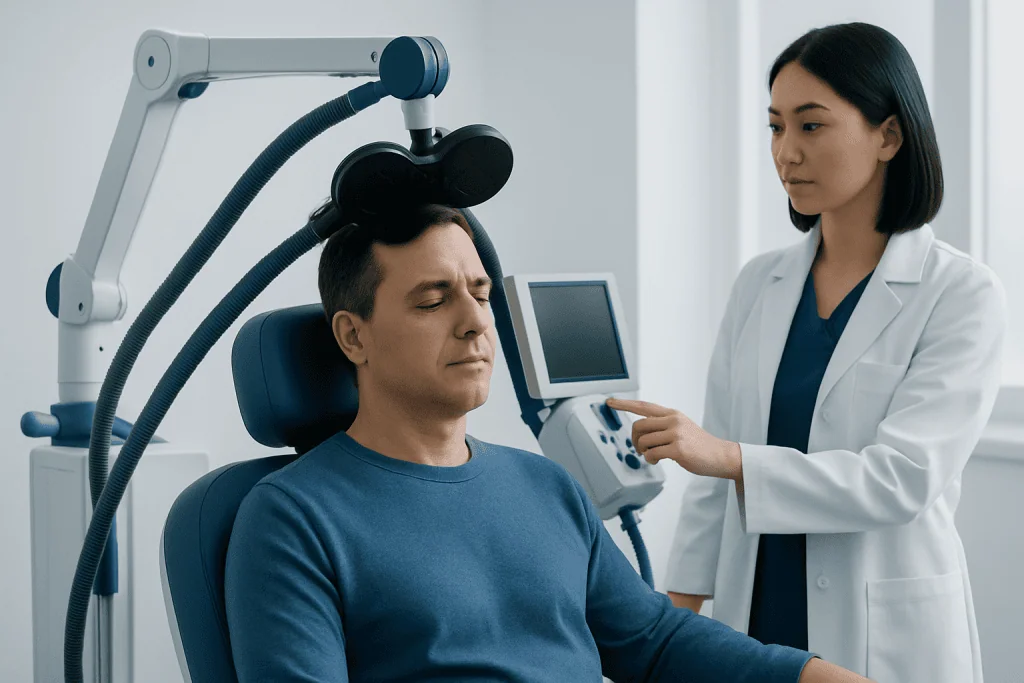
For people with severe, treatment-resistant, or urgent symptoms, specialists may discuss additional options beyond standard therapy and medication. These decisions are individualized and should be made with close medical supervision, taking into account safety, symptom severity, and previous treatment response.
How Doctors Diagnose Depression and Choose Treatment
Diagnosis begins with a detailed conversation about symptoms, how long they have been present, and how they affect daily life. A clinician may ask about mood, sleep, appetite, concentration, stress, past episodes, family history, substance use, and current medications. Standard questionnaires may also be used to measure symptom severity and monitor change over time.
Doctors also consider whether a physical health problem could be contributing to symptoms. Conditions such as thyroid disorders, vitamin deficiencies, chronic pain, sleep disorders, and some neurological or hormonal problems can affect mood. In some cases, a physical examination or laboratory testing may be recommended to rule out other causes.
An accurate diagnosis matters because treatment differs across conditions. For example, bipolar disorder can sometimes look like depression at first, but it requires a different medication approach. This is one reason self-diagnosis can be limiting, and why professional assessment is important before starting or changing treatment.
After diagnosis, treatment is chosen based on severity, symptom pattern, safety concerns, personal preference, previous treatment response, and access to care. Some people start with psychotherapy, while others are advised to begin medication, combined care, or structured follow-up through mental health assessment and treatment.
Self-care, Recovery Support, and Daily Habits
Self-care does not replace professional treatment, but it can support recovery and help people feel more stable between appointments. Small, realistic steps are often more helpful than trying to make major changes all at once. Gentle routine-building can improve sleep, energy, and confidence over time.
Helpful habits may include regular physical activity, balanced meals, consistent sleep times, reduced alcohol use, and staying connected with supportive people. Some people benefit from journaling, relaxation practices, mindfulness, or setting one manageable goal each day. Reducing isolation is especially important, even if social contact feels difficult at first.
It can also help to understand common triggers such as chronic stress, grief, relationship difficulties, burnout, or untreated medical problems. Keeping track of mood patterns may help a person and clinician see what worsens symptoms and what supports improvement.
- Maintain a regular sleep and wake schedule
- Break tasks into small, achievable steps
- Stay in contact with trusted family or friends
- Limit alcohol and avoid non-prescribed drugs
- Attend therapy and medication follow-up consistently
When to Seek Urgent Help and Where to Get Support
Urgent help is needed if a person has thoughts of suicide, self-harm, or feels unable to stay safe. Emergency support is also important if depression includes psychotic symptoms, severe agitation, extreme hopelessness, or a sudden inability to care for basic needs. In these situations, immediate contact with local emergency services, a crisis line, or the nearest emergency department is appropriate.
Even when symptoms are not an emergency, a doctor should be consulted if depression is lasting, worsening, or not improving with treatment. Follow-up is also important if medication side effects are troubling, if therapy feels unhelpful, or if there are signs of a different condition such as bipolar disorder or substance misuse.
Support from qualified specialists can make the treatment process clearer and more manageable. Acibadem International’s multidisciplinary specialists at JCI-accredited hospitals diagnose and treat depression for international patients, with care plans tailored to individual needs.
With timely assessment and appropriate treatment, many people recover or experience meaningful improvement. Early help can reduce suffering, improve daily functioning, and support long-term mental well-being.
Frequently asked questions
What are the main depression treatment options?
The main depression treatment options are psychotherapy, medication, and a combination of both. Lifestyle support such as sleep improvement, exercise, stress reduction, and social support can also play an important role alongside professional care.
Is therapy enough for depression?
For some people, especially those with mild to moderate depression, therapy may be enough. If symptoms are more severe, long-lasting, or disabling, medication or combined treatment may be recommended.
How long does antidepressant medication take to work?
Antidepressants usually do not work immediately. Some people notice early changes within a few weeks, but fuller benefit may take longer, so regular follow-up with the prescribing doctor is important.
When is combined care better than one treatment alone?
Combined care is often helpful for moderate to severe depression, recurrent episodes, or symptoms that do not improve enough with one approach. It can also be useful when depression affects many areas of life or occurs together with anxiety.
Can depression come back after treatment?
Yes, depression can return, especially if someone has had previous episodes. Ongoing follow-up, healthy routines, therapy skills, and taking medication as advised can help reduce the risk of relapse.
When should someone seek urgent help for depression?
Urgent help is needed if there are thoughts of self-harm or suicide, severe hopelessness, or inability to stay safe. In that situation, the person should contact emergency services, a crisis helpline, or go to the nearest emergency department right away.
References
- World Health Organization
- National Institute of Mental Health
- American Psychiatric Association
- National Health Service
- Mayo Clinic
This article is for general information only and is not a substitute for professional medical advice. Please consult a qualified doctor about your individual situation.
Depression in Turkey — costs, top hospitals & a free quote
JCI-accredited · board-certified surgeons · reply within 24h
Add us as a Preferred Source to see more of our trusted health content across Google Search, AI Overviews and Discover.

More from the Health Library



Related Specialists

Assoc. Prof. Dr. Oğuz Durakbaşa
Orthopedic Surgery & Traumatology
Prof. Dr. Ahmet Alanay
Orthopedic Surgery & Traumatology
Kenan Kesgin
Physical Medicine & Rehabilitation
Assoc. Prof. Dr. Emir Çapkınoğlu
General Surgery