Dermal Piercing — Explained by Medical Evidence, Not Myths

A dermal piercing uses a small anchor placed under the skin, unlike a traditional piercing with separate entry and exit points. Common concerns include irritation, infection, jewelry rejection, migration, and scarring.
Key Takeaways
- A dermal piercing uses a small anchor placed under the skin, unlike a traditional piercing with separate entry and exit points.
- Common concerns include irritation, infection, jewelry rejection, migration, and scarring.
- Careful cleaning, avoiding friction, and not changing jewelry too early support healing.
- Persistent redness, pain, swelling, drainage, fever, or embedded jewelry should be assessed by a clinician.
- Removal is best performed by an experienced professional or medical clinician when complications occur.
A dermal piercing is a single-point body piercing placed with an anchor under the skin and visible jewelry on the surface. It can be done safely, but medical evidence shows that healing, placement, aftercare, and early recognition of complications all matter more than common online myths.
Overview: what a dermal piercing is
A dermal piercing is a type of body piercing in which a small anchor is placed beneath the skin and a decorative top remains visible on the surface. Unlike an earlobe or nostril piercing, it does not have two openings. Because it sits in one point of skin, it is sometimes called a single-point piercing or microdermal piercing.
From a medical perspective, a dermal piercing is a minor skin procedure that creates a controlled wound. The body then heals around the anchor. This is why aftercare is not just cosmetic advice; it directly affects the risk of infection, inflammation, delayed healing, and scarring.
Dermal piercings are often placed on flatter areas such as the upper chest, cheek area, lower back, neck, or near the collarbone. However, not every location heals equally well. Areas exposed to pressure, clothing friction, sports contact, or repeated movement are more likely to become irritated or migrate over time.
How it differs from standard piercings
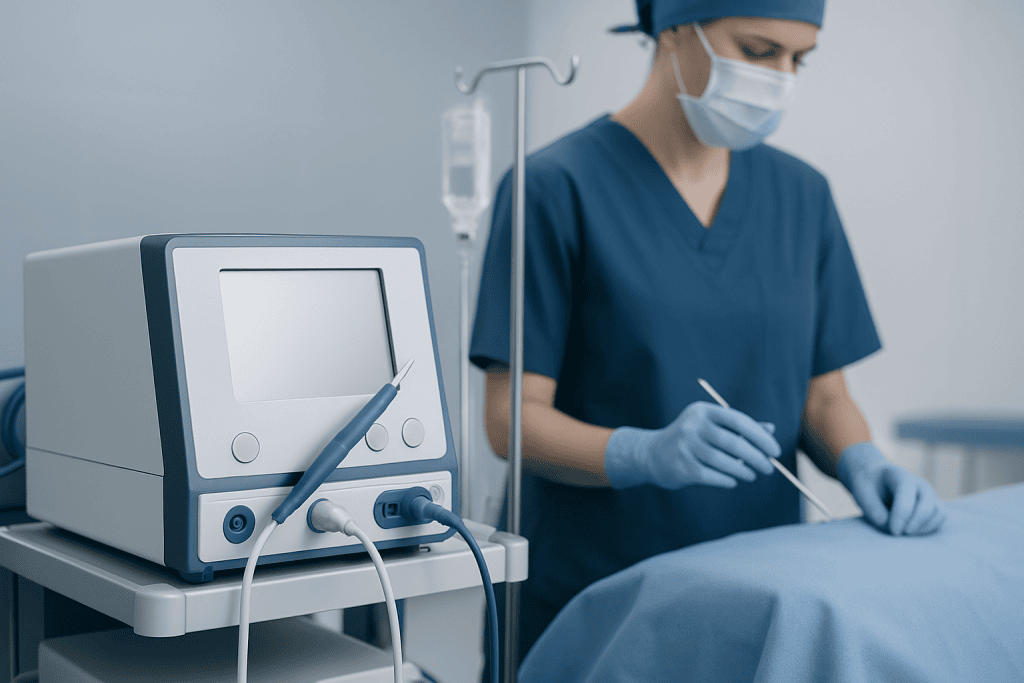
Many myths about dermal piercing come from treating it like a regular ear or body piercing. A traditional piercing passes through tissue, so jewelry is supported by two openings. A dermal piercing relies on a small implanted base under the skin, which makes its healing pattern different and sometimes less predictable.
The anchor may be placed using a needle or dermal punch technique, depending on local practice and anatomy. In either case, the skin barrier is intentionally broken. That means the same basic medical principles apply as with other skin procedures: sterile technique, hand hygiene, wound care, and attention to signs of infection.
Because the jewelry sits close to the skin surface, dermal piercings are more exposed to accidental pulling than many standard piercings. Snagging on towels, seatbelts, hairbrushes, or clothing can disturb healing and increase the chance of migration or rejection. People with a history of problematic scar formation may also need extra caution, especially if they have formed hypertrophic or keloid scars before.
Healing time, normal symptoms, and common myths

It is normal for a new dermal piercing to have mild tenderness, slight swelling, light crusting, or a small amount of clear to pale discharge during early healing. These signs usually improve gradually. Healing often takes weeks to months rather than days, and the exact timeline depends on placement, skin type, friction, general health, and aftercare.
A common myth is that if the piercing looks fine after one or two weeks, it is fully healed. In reality, the surface may look calm before deeper tissues have stabilized around the anchor. Another myth is that twisting or rotating the jewelry helps healing. For dermal piercings, unnecessary movement usually irritates the tissue and can delay recovery.
It is also a myth that redness always means infection. Some redness can occur with normal irritation, especially after accidental trauma. However, redness that spreads, worsens, or occurs with increasing pain, swelling, warmth, pus, or fever deserves medical attention. The goal is not to overreact to every change, but not to ignore a developing problem either.
Risks and complications supported by medical evidence
The main medically recognized risks of dermal piercing include local infection, prolonged inflammation, allergic or irritant contact reactions, migration, rejection, embedding, bleeding, and scarring. Infection risk rises when sterile technique is poor, aftercare is inconsistent, or the area is frequently touched with unclean hands. Jewelry material can also matter, especially for people sensitive to certain metals.
Migration means the anchor gradually shifts from its original position. Rejection means the body pushes the jewelry toward the surface, eventually making it more visible or forcing it out. These problems are not always caused by poor care alone. They can also happen because of anatomy, skin tension, repetitive movement, or pressure from clothing and daily activities.
Some people develop thicker scars or darkening of the skin after irritation. Others may experience the top of the jewelry sinking into the skin or becoming difficult to remove. In these cases, forcing the jewelry can cause more tissue injury. If a bump, rash, or persistent soreness develops, a clinician may consider infection, dermatitis, foreign-body reaction, or another skin condition such as a suspicious skin lesion if the appearance is unusual or changing.
- Higher-risk situations include diabetes that is not well controlled, immune suppression, active skin disease in the area, and a history of poor wound healing.
- Shared or unsterile equipment increases the risk of blood-borne infections.
- Pressure, sports contact, and repeated snagging increase the risk of trauma and rejection.
Safer aftercare and self-care
Evidence-based aftercare focuses on protecting the skin barrier while healing occurs. The area should be cleaned gently as advised by a qualified piercing professional or clinician, usually with a sterile saline approach rather than harsh products. Alcohol, hydrogen peroxide, strong antiseptics, and frequent scrubbing can damage healing tissue and increase irritation.
Hands should be washed before touching the area, and touching should be minimized. Makeup, heavy creams, or fragranced products over the site are best avoided until healing is established. Sleeping directly on the piercing, wearing tight clothing over it, swimming in pools or hot tubs early in healing, and changing jewelry too soon can all increase the chance of complications.
If the piercing catches or becomes irritated, leaving it alone is usually safer than trying home fixes. Removing a fresh piercing without guidance can trap infection under the skin if one is present, while repeatedly tightening or adjusting the top can inflame the channel. If a person develops ongoing discomfort or a trapped anchor, a doctor may recommend assessment and, when needed, minor skin lesion removal or another office-based procedure.
How doctors assess an irritated or infected dermal piercing
Medical assessment usually begins with a history and skin examination. A doctor will ask when the piercing was placed, whether the symptoms are new or getting worse, what aftercare products are being used, and whether there has been pulling, trauma, or jewelry changes. They will look for signs that suggest simple irritation versus infection or rejection.
An infected dermal piercing may show increasing redness, warmth, swelling, tenderness, pus, a bad odor, or fever. If there is severe swelling, spreading redness, or concern for a deeper skin infection, the doctor may treat it as cellulitis, which can require prescription medication and closer follow-up. In uncommon cases, imaging or other tests are used if jewelry is embedded or a deeper pocket of infection is suspected.
Not every problem needs removal, but some do. If the anchor is migrating, partially exposed, deeply embedded, or repeatedly infected, removal may be the safest option. Depending on the situation, clinicians may involve specialists in dermatology or minor procedural care. If a scar remains after healing or removal, options such as scar management or selected plastic surgery approaches may be discussed when appropriate.
When to seek medical care
A short period of mild soreness and crusting can be part of normal healing, but certain symptoms should not be ignored. Medical care is important if redness is spreading, pain is increasing rather than settling, swelling is significant, or yellow-green drainage appears. Fever, chills, or feeling generally unwell also deserve prompt attention.
Care is also advisable if the jewelry becomes embedded, the anchor starts pushing through the skin, or the site bleeds repeatedly after minor contact. People with diabetes, immune system disorders, heart valve disease, or a history of serious skin infections may need earlier review because complications can progress more easily in some higher-risk groups.
If there is uncertainty, a clinician can help distinguish between irritation, allergy, infection, and rejection. Acibadem International’s multidisciplinary specialists and JCI-accredited hospitals diagnose and treat skin and soft tissue concerns for international patients when expert assessment is needed.
Prevention, removal, and long-term considerations
The best prevention starts before the piercing is placed. Choosing an experienced professional who uses sterile technique, appropriate jewelry materials, and careful placement reduces avoidable risk. It also helps to choose a body site with lower friction and to discuss any history of skin sensitivity, metal allergy, problematic scars, or slow wound healing in advance.
Long term, even a well-healed dermal piercing can become irritated by weight changes, sports equipment, repeated pressure, or jewelry snagging. If a person no longer wants the piercing, planned removal is usually gentler on the skin than waiting for rejection or trying to remove it at home. Removal methods vary with the jewelry type and how deeply the anchor is seated.
After removal, the site may leave a small scar, temporary discoloration, or a flat mark. Good wound care, sun protection, and avoiding picking can help the skin settle more neatly. Anyone with ongoing redness, a raised scar, persistent tenderness, or cosmetic concerns should speak with a qualified doctor rather than relying on internet myths or unverified home treatments.
Frequently asked questions
Is a dermal piercing more risky than a regular piercing?
It can be, because a dermal piercing sits under the skin at a single point and is easier to snag or place under pressure. That does not mean it will always cause problems, but it does mean aftercare and placement are especially important.
How long does a dermal piercing take to heal?
Healing often takes several weeks to months, depending on the body site and how much friction or movement the area gets. The surface can look healed before deeper tissues have fully settled around the anchor.
How can someone tell if a dermal piercing is infected?
Signs that suggest infection include worsening pain, increasing redness, warmth, swelling, pus, bad odor, or fever. Mild crusting or brief tenderness alone can happen during normal healing, so the overall pattern matters.
Should jewelry be removed if the area looks infected?
Not always. Removing jewelry too early without guidance can sometimes worsen the situation or trap drainage. A clinician can advise whether treatment, observation, or removal is the safest next step.
Can a dermal piercing reject even with good care?
Yes. Rejection and migration can happen despite careful aftercare because they are also influenced by anatomy, skin tension, repeated movement, and pressure. Good care lowers risk, but it cannot eliminate it completely.
Will a dermal piercing leave a scar?
A small scar or mark is possible, especially if the piercing becomes irritated, infected, or is removed after migration. People who tend to form thick or raised scars should discuss that history before getting pierced.
References
- American Academy of Dermatology
- Mayo Clinic
- Cleveland Clinic
- National Health Service
- Association of Professional Piercers
This article is for general information only and is not a substitute for professional medical advice. Please consult a qualified doctor about your individual situation.
Explore treatments in Turkey — costs, top hospitals & a free quote
JCI-accredited · board-certified surgeons · reply within 24h
Add us as a Preferred Source to see more of our trusted health content across Google Search, AI Overviews and Discover.