Dermatillomania: An Evidence-Based Guide for Patients

Dermatillomania is a recognized mental health condition, not simply a bad habit. Common signs include repeated skin picking, trouble stopping, and visible sores or scabs.
Key Takeaways
- Dermatillomania is a recognized mental health condition, not simply a bad habit.
- Common signs include repeated skin picking, trouble stopping, and visible sores or scabs.
- Triggers may include stress, anxiety, boredom, perfectionism, or noticing minor skin irregularities.
- Treatment often includes therapy, practical behavior strategies, and care for damaged skin.
- Early support can reduce skin injury, infection risk, shame, and interference with work, school, or relationships.
Dermatillomania is a treatable condition in which a person repeatedly picks at their skin, often despite wanting to stop. Also called excoriation disorder or skin picking disorder, it can lead to skin damage, distress, and disruption in daily life, but effective support is available.
What dermatillomania is
Dermatillomania is a condition that causes repeated, hard-to-control skin picking. It is also known as excoriation disorder or skin picking disorder. The behavior may involve the face, scalp, lips, arms, hands, legs, back, or other areas, and it can happen with fingernails, tweezers, pins, or other tools.
This condition is classified as a body-focused repetitive behavior and is related to obsessive-compulsive and related disorders. People with dermatillomania may spend significant time picking, trying to smooth the skin, remove perceived imperfections, or relieve uncomfortable feelings or sensations. Many feel embarrassed or frustrated because they want to stop but find it difficult.
Dermatillomania is not a sign of poor hygiene or lack of willpower. It is a real health condition that can affect children, teenagers, and adults. With the right diagnosis and support, many people are able to reduce symptoms and protect their skin more effectively.
How it can affect daily life and skin health
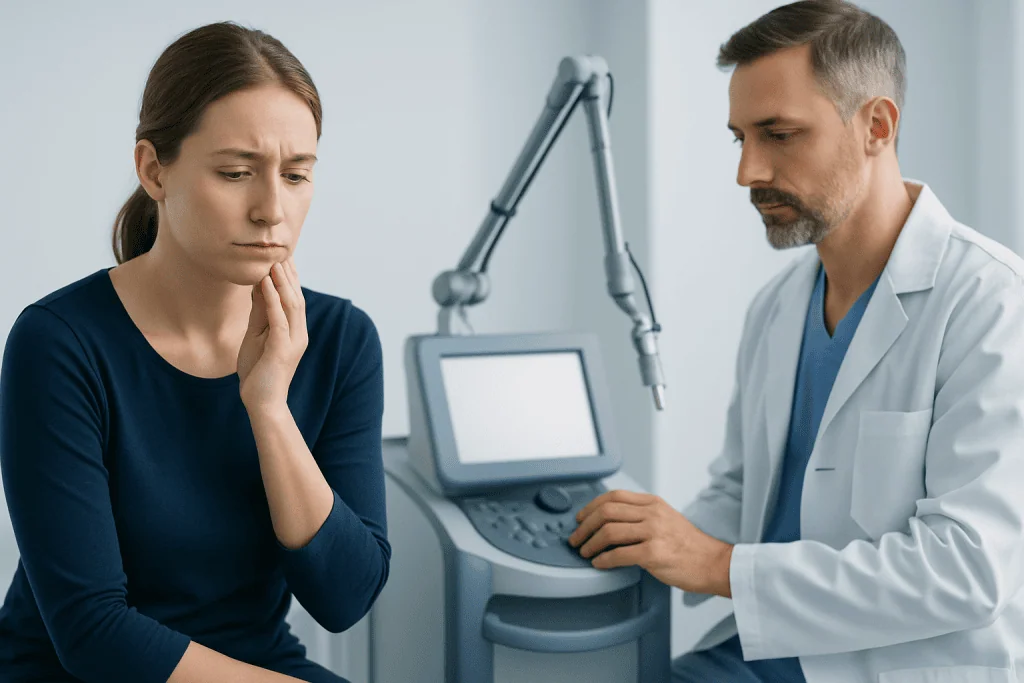
The impact of dermatillomania goes beyond the skin itself. Repeated picking can cause cuts, sores, bleeding, scarring, discoloration, and delayed healing. In some cases, damaged skin can become infected or require wound care.
Many people also experience emotional effects. They may feel shame, guilt, tension, or fear that others will notice marks on their skin. Some avoid social events, photographs, close relationships, swimming, or certain clothing because they want to hide affected areas.
Picking may happen consciously, such as during mirror checking, or more automatically while reading, studying, watching television, or using a phone. Because of this, dermatillomania can interfere with concentration, sleep, work, and school. If skin damage is significant, a doctor may also evaluate for related skin conditions such as eczema or other causes of itching and irritation.
Signs and symptoms

The main symptom of dermatillomania is repeated skin picking that leads to visible skin damage. A person may pick at healthy skin, small bumps, scabs, acne lesions, calluses, or areas they believe feel uneven. Episodes can be brief and frequent or longer and more intense.
Other common signs include strong urges to pick, repeated attempts to stop, and distress afterward. Some people describe a buildup of tension before picking and a temporary sense of relief afterward. Others say the behavior happens almost without noticing until damage has already occurred.
- Open sores, scabs, scars, or dark marks
- Bleeding, pain, or tenderness in picked areas
- Time spent inspecting the skin or using mirrors
- Avoiding social situations because of skin appearance
- Using makeup, bandages, hats, or clothing to cover lesions
- Difficulty controlling the behavior despite wanting to stop
Symptoms can overlap with other conditions, including acne, anxiety disorders, obsessive-compulsive symptoms, or depression. A careful evaluation helps identify what is driving the behavior and what kind of support may help most.
Why dermatillomania happens
There is no single cause of dermatillomania. Instead, it usually develops through a combination of emotional, behavioral, sensory, and biological factors. Stress, anxiety, boredom, frustration, or inner tension can trigger picking in some people. In others, the urge begins with feeling a rough patch, seeing a blemish, or wanting the skin to look or feel “just right.”
Some people pick to manage uncomfortable emotions, while others pick because it has become an automatic habit over time. Perfectionistic tendencies, difficulty tolerating uncertainty, and strong attention to minor skin changes may also play a role. Symptoms may become worse during stressful periods or when a person spends more time alone, inactive, or in front of a mirror.
Dermatillomania can occur alongside other mental health conditions, such as anxiety disorders, obsessive-compulsive disorder, attention-deficit/hyperactivity disorder, or mood disorders. It may also be influenced by skin conditions that cause itching or irritation. If acne is a trigger, clinicians may suggest coordinated dermatology care, including acne treatment, to reduce the urge to pick active lesions while behavioral treatment is underway.
How doctors diagnose it
Diagnosis begins with a medical history and a conversation about the picking behavior. A doctor or mental health professional will ask which areas are affected, how often picking occurs, whether there are triggers, how much time it takes, and how it affects daily life. They may also ask about stress, anxiety, mood, sleep, and any skin symptoms such as itch or pain.
The diagnosis of dermatillomania is usually based on a pattern of recurrent skin picking that causes skin lesions, repeated unsuccessful efforts to stop, and distress or impairment. The goal is also to rule out other explanations, such as a primary skin disease, substance-related causes, or another medical condition that causes itching or crawling sensations.
A skin examination may be helpful, especially when wounds are severe, healing is delayed, or another skin condition is suspected. Some patients benefit from care involving both dermatology and mental health specialists. In complex cases, evaluation may include management of wounds or scar concerns with dermatology care as part of a broader treatment plan.
Treatment options that can help
Treatment for dermatillomania focuses on reducing the picking behavior, helping the skin heal, and addressing any underlying emotional or sensory triggers. Therapy is often the main treatment. A commonly used approach is cognitive behavioral therapy, especially habit reversal training, which helps a person notice urges and replace picking with a safer competing response.
Other helpful strategies may include identifying triggers, reducing mirror checking, changing routines linked to picking, keeping nails short, and using barriers such as bandages or gloves when appropriate. For some people, treatment also includes support for anxiety, depression, or obsessive-compulsive symptoms. A doctor may discuss whether medication could be useful as part of care, depending on individual needs.
Skin-focused care is also important. Gentle wound care, infection prevention, treatment of itching or acne, and scar management can reduce discomfort and help break the cycle. If symptoms coexist with obsessive-compulsive disorder-type features or significant emotional distress, coordinated care between psychiatry, psychology, and dermatology may be recommended. Near the end of the care pathway, some patients seek multidisciplinary evaluation at centers such as Acibadem International, where JCI-accredited hospitals support international patients with diagnosis and treatment planning.
Self-care and prevention strategies
Self-care does not replace professional treatment, but it can make a meaningful difference. The first step is learning to notice patterns. Keeping a simple record of when picking happens, what a person was doing, and how they were feeling may reveal triggers such as stress, fatigue, mirror use, studying, or skin flare-ups.
Creating a skin-protective environment can help reduce opportunities to pick. This may include moisturizing dry skin, treating acne or irritation, limiting time in front of magnifying mirrors, covering frequently picked areas during vulnerable times, and keeping picking tools out of easy reach. Some people benefit from keeping their hands busy with a stress ball, textured object, knitting, or another safe repetitive activity.
- Follow a gentle skin-care routine to reduce irritation
- Use reminders or apps to increase awareness of picking episodes
- Practice stress management, such as breathing exercises or regular movement
- Build routines for sleep, meals, and breaks to reduce vulnerability to urges
- Ask trusted family or friends for nonjudgmental support
Setbacks are common and do not mean treatment has failed. Improvement is often gradual, with fewer episodes, shorter episodes, and better healing over time. A compassionate, realistic approach usually works better than self-criticism.
When to seek medical care
Medical care is appropriate when skin picking is hard to control, causes sores or scarring, or leads to distress. A person should seek help if they spend a lot of time picking, repeatedly try to stop without success, or avoid work, school, relationships, or social activities because of their skin.
Prompt medical attention is especially important if there are signs of infection, such as increasing redness, swelling, warmth, pus, worsening pain, or fever. Care is also important when bleeding is frequent, wounds are deep, healing is slow, or there is concern about significant scarring.
If dermatillomania happens alongside severe anxiety, low mood, panic, or thoughts of self-harm, urgent support is needed from a qualified healthcare professional or emergency services. Early evaluation can help a person receive the right combination of behavioral treatment, skin care, and support for related conditions.
Frequently asked questions
Is dermatillomania the same as occasionally picking a pimple or scab?
No. Many people occasionally pick at their skin, but dermatillomania involves repeated picking that is difficult to control and causes skin damage, distress, or problems in daily life. The difference is mainly in the pattern, severity, and impact.
Is dermatillomania a mental illness?
Dermatillomania is a recognized mental health condition, also called excoriation disorder. It belongs to a group of conditions related to obsessive-compulsive and repetitive behaviors. This does not mean symptoms are intentional or easy to stop without help.
Can dermatillomania go away on its own?
Symptoms may improve at times, especially if triggers decrease, but many people continue to struggle without treatment. Because the behavior can become habitual and self-reinforcing, professional support is often helpful. Early treatment may reduce scarring and emotional distress.
What kind of doctor treats dermatillomania?
Treatment may involve a mental health professional, a dermatologist, or both. A psychologist or psychiatrist can help address the repetitive behavior and emotional triggers, while a dermatologist can treat wounds, acne, itching, or scarring. Team-based care is often useful when symptoms are severe.
What therapies are used for dermatillomania?
Cognitive behavioral therapy, especially habit reversal training, is commonly used. Therapy often focuses on recognizing triggers, building alternative responses, and reducing situations that lead to picking. Some people also benefit from treatment for anxiety, depression, or related conditions.
Can children and teenagers have dermatillomania?
Yes. Dermatillomania can affect children, teenagers, and adults. In younger people, symptoms may be mistaken for a skin problem alone, so a careful evaluation is important if picking is frequent, causes wounds, or is hard to stop.
References
- American Psychiatric Association
- National Institute of Mental Health
- International OCD Foundation
- National Health Service
- Mayo Clinic
This article is for general information only and is not a substitute for professional medical advice. Please consult a qualified doctor about your individual situation.
Hair transplant in Turkey — costs, graft counts & a free assessment
JCI-accredited · board-certified surgeons · reply within 24h
Add us as a Preferred Source to see more of our trusted health content across Google Search, AI Overviews and Discover.