Dermis: What Patients Need to Know
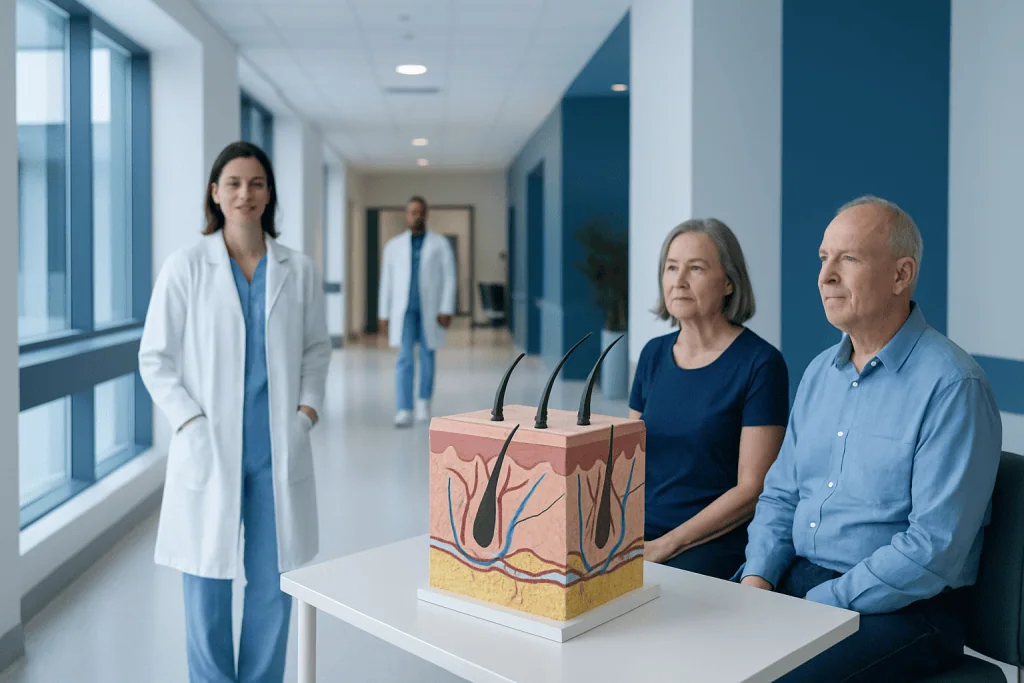
The dermis lies beneath the epidermis and above the subcutaneous tissue. It contains collagen, elastin, blood vessels, nerves, hair follicles, and sweat glands.
Key Takeaways
- The dermis lies beneath the epidermis and above the subcutaneous tissue.
- It contains collagen, elastin, blood vessels, nerves, hair follicles, and sweat glands.
- The dermis helps with skin strength, elasticity, temperature control, wound healing, and sensation.
- Problems affecting the dermis can cause pain, swelling, itching, color changes, poor healing, or scarring.
- Protecting the skin from sun damage, injury, and irritation helps support dermal health.
The dermis is the middle layer of the skin. It supports the outer skin layer, contains blood vessels and nerves, and helps the skin stay strong, flexible, and able to sense touch, temperature, and pain.
Overview: what the dermis is and why it matters
The dermis is the middle layer of the skin, located between the thin outer epidermis and the deeper fatty tissue beneath the skin. It is the layer that gives skin much of its strength, stretch, and resilience. When people ask what the dermis does, the simplest answer is that it acts as the skin’s support system.
Unlike the epidermis, which forms the body’s outer barrier, the dermis is rich in living tissue. It contains blood vessels that nourish the skin, nerves that allow sensation, and connective tissue fibers that help the skin resist tearing and return to shape after movement. It also houses sweat glands, oil glands, and the roots of hair follicles.
The dermis is important not only for appearance but also for health. It helps regulate body temperature, participates in wound repair, and supports immune responses in the skin. Because so many essential structures are found here, conditions affecting the dermis may lead to discomfort, swelling, scarring, or changes in how the skin looks and feels.
How the dermis is built
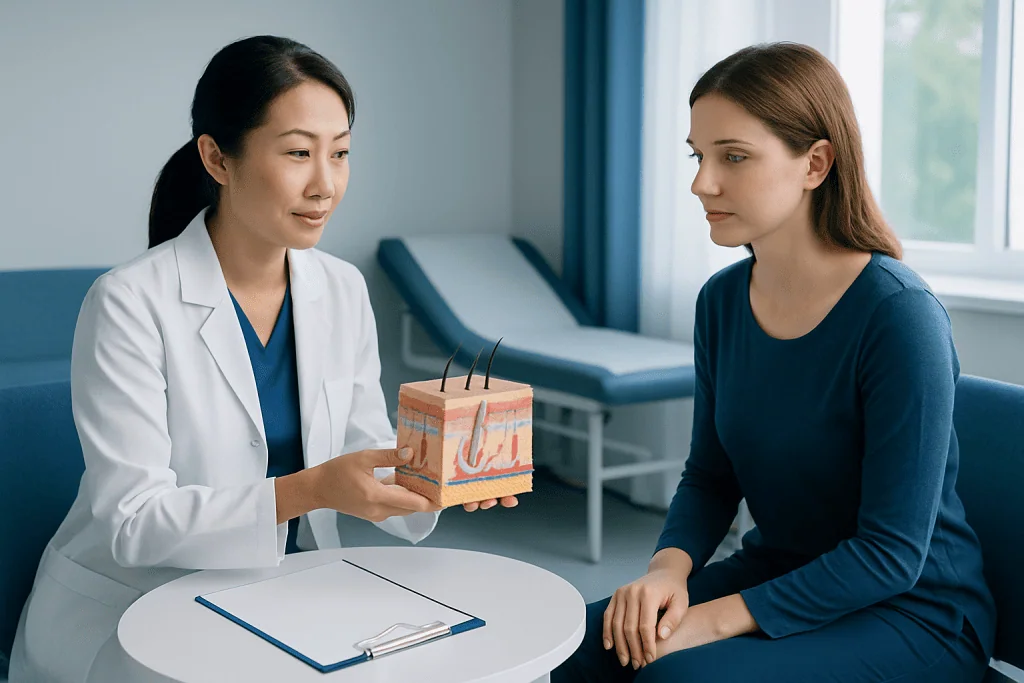
The skin is usually described in three main layers: the epidermis on top, the dermis in the middle, and the subcutaneous tissue underneath. The dermis is thicker than the epidermis and is made mainly of connective tissue. Two key proteins in this layer are collagen, which provides strength, and elastin, which helps the skin stretch and spring back.
The dermis itself has two parts. The papillary dermis is the upper, thinner portion that lies just under the epidermis. It contains fine connective tissue and small blood vessels that help nourish the outer layer of skin. The reticular dermis is the deeper, thicker portion and contains denser collagen and elastin fibers, giving the skin durability and structure.
Several important structures sit within the dermis:
- Blood vessels that deliver oxygen and nutrients
- Nerve endings that detect touch, pressure, pain, and temperature
- Sweat glands that help cool the body
- Oil glands that help lubricate the skin
- Hair follicles anchored in the deeper dermis
- Immune cells that help respond to injury and infection
This anatomy explains why damage that reaches the dermis often hurts more, bleeds more, and may leave a scar, while more superficial skin injury may heal with less visible change.
What the dermis does
The dermis has several jobs that are essential to everyday health. One of its main roles is structural support. Collagen and elastin form a flexible framework that helps the skin stay firm while still allowing movement. This is why aging, sun exposure, and certain diseases that affect these fibers can make skin thinner, looser, or more fragile.
Another key function is sensation. Nerves in the dermis help the body detect light touch, pressure, heat, cold, and pain. These signals are important for comfort and safety, because they help people respond quickly to injury or extreme temperatures.
The dermis also supports temperature regulation and healing. Blood vessels can widen or narrow to help the body release or conserve heat, while sweat glands help cool the skin. After injury, dermal cells and connective tissue take part in inflammation, repair, and scar formation. This is also why deeper wounds often need careful medical evaluation and sometimes specialized wound care.
Because the dermis is closely involved in inflammation and repair, many common skin concerns have a dermal component, including chronic irritation, scarring, and some inflammatory disorders such as eczema or psoriasis.
Common problems that can affect the dermis
The dermis can be affected by injury, inflammation, infection, aging, autoimmune disease, and environmental exposure. A cut, burn, pressure injury, or surgical wound may involve the dermis and can lead to pain, bleeding, and scarring. Inflammation in the dermis may cause redness, swelling, warmth, tenderness, or itching.
Sun damage is another common problem. Ultraviolet radiation can weaken collagen and elastin over time, contributing to wrinkles, skin thinning, uneven texture, and slower healing. Repeated sun exposure may also increase the risk of precancerous and cancerous changes in the skin, even though these often begin in other layers.
Infections and inflammatory conditions can also reach or involve the dermis. These may include bacterial skin infections, allergic skin reactions, chronic dermatitis, and some connective tissue disorders. In certain cases, changes within the dermis contribute to thickened scars, keloids, or persistent discoloration after healing.
People may notice dermal problems through symptoms such as:
- Pain or tenderness
- Swelling or warmth
- Itching or burning
- Redness or color changes
- Blistering or breakdown of the skin
- Slow healing
- Scarring or thickened skin
These symptoms do not always mean a serious problem, but they should be assessed if they are severe, persistent, or spreading.
How doctors evaluate dermis-related concerns
Doctors usually begin with a medical history and skin examination. They look at where the skin change is located, how long it has been present, whether it is painful or itchy, and whether there has been injury, sun exposure, a new product, or signs of infection. The pattern and depth of the skin change often provide important clues.
A close physical examination may assess color, swelling, warmth, texture, moisture, and sensation. In some cases, a doctor may use a dermatoscope to examine the skin more closely. If a rash, wound, or growth is uncertain, additional testing may be recommended.
Possible tests depend on the suspected cause and may include:
- Skin swabs or cultures if infection is suspected
- Patch testing for possible allergic skin reactions
- Blood tests when an inflammatory or autoimmune condition is considered
- Skin biopsy to examine tissue under a microscope
- Imaging in selected cases involving deeper soft tissue problems
Diagnosis is important because very different conditions can look similar on the surface. For example, a persistent red patch, a chronic wound, or a painful swollen area may each require different care plans. When needed, patients may be referred for dermatology evaluation or further specialist care.
Treatment options and skin support
Treatment for a dermis-related problem depends on the cause. Minor irritation may improve with trigger avoidance and gentle skin care, while infection may require prescription treatment. Inflammatory skin diseases may be managed with medicated creams, moisturizers, and sometimes oral or injectable medicines. Wounds involving the dermis may need cleaning, dressings, pressure relief, and follow-up to reduce the risk of infection and scarring.
When scarring, persistent lesions, or suspicious skin changes are present, a doctor may recommend procedural treatment. Depending on the situation, this can include drainage, biopsy, removal of a skin lesion, or treatment aimed at improving healing and comfort. Some patients may also need coordinated management if an underlying condition is contributing to poor skin health.
Supportive care is often an important part of treatment. This may include regular use of fragrance-free moisturizers, careful cleansing, avoiding scratching, protecting healing skin from friction, and reducing further sun exposure. For some concerns involving visible lesions or changes in skin texture, doctors may discuss skin lesion treatment when clinically appropriate.
Near the end of the care pathway, some patients benefit from multidisciplinary follow-up, especially if they have complex wounds, inflammatory disease, or suspicious lesions. Acibadem International’s multidisciplinary specialists at JCI-accredited hospitals diagnose and treat skin and soft tissue conditions for international patients when further assessment is needed.
Prevention and self-care for a healthy dermis
Everyday habits can help protect the dermis and support skin healing. Sun protection is especially important because ultraviolet exposure gradually damages collagen and elastin. Using broad-spectrum sunscreen, seeking shade, and wearing protective clothing may help preserve skin structure over time.
Gentle skin care also matters. Harsh soaps, excessive scrubbing, very hot water, and irritating cosmetic products can weaken the skin barrier and worsen dryness or inflammation. Many people do better with mild cleansers, regular moisturizing, and products chosen for sensitive skin when irritation is a concern.
General health influences the dermis as well. Good nutrition, hydration, sleep, and smoking avoidance support circulation and tissue repair. For people with diabetes or circulation problems, careful skin monitoring may be especially important because wounds can heal more slowly and may become complicated if they are overlooked.
Helpful self-care steps include:
- Use sunscreen and limit unnecessary sun exposure
- Moisturize regularly, especially after bathing
- Avoid picking, scratching, or squeezing skin lesions
- Clean and cover minor cuts promptly
- Watch for signs of infection such as spreading redness or drainage
- Seek medical advice for wounds that do not improve
When to seek medical care
Medical care is appropriate when a skin problem is painful, rapidly changing, or not healing as expected. Patients should seek prompt evaluation for deep cuts, burns, spreading redness, significant swelling, drainage, fever, or severe tenderness. These signs may suggest infection or deeper tissue involvement.
Persistent rashes, thick scars, unexplained lumps, or changes in a mole or skin lesion should also be assessed by a qualified doctor. Early evaluation can help clarify whether the concern is inflammatory, infectious, or related to another skin condition such as skin cancer.
People should also ask for medical advice if skin symptoms keep returning, interfere with sleep or daily activities, or happen alongside a chronic medical condition that may affect healing. A professional assessment can guide treatment and help protect both skin function and long-term comfort.
Frequently asked questions
What is the dermis in simple terms?
The dermis is the middle layer of the skin. It supports the outer skin layer and contains blood vessels, nerves, sweat glands, and connective tissue that help skin stay strong and responsive.
What is the main function of the dermis?
The dermis gives the skin strength, elasticity, and sensation. It also helps with temperature regulation, nourishment of the outer skin, and wound healing.
Can the dermis heal after injury?
Yes, the dermis can heal after injury, but healing may take time and can sometimes leave a scar. The outcome depends on how deep the injury is, whether infection develops, and the person’s overall health.
Why do deeper skin injuries scar more often?
Scarring is more likely when an injury reaches the dermis because this layer contains the connective tissue involved in repair. As the body heals, collagen is laid down, and that repair tissue can form a visible scar.
How does aging affect the dermis?
With age, the dermis gradually loses collagen, elastin, and moisture. This can make the skin thinner, less elastic, more fragile, and slower to heal.
Can skin conditions affect the dermis without being dangerous?
Yes, many non-dangerous conditions can involve the dermis, including irritation, dermatitis, and minor injuries. Even so, symptoms that are severe, persistent, infected, or changing should be checked by a doctor.
References
- American Academy of Dermatology
- National Institute of Arthritis and Musculoskeletal and Skin Diseases
- MedlinePlus
- Merck Manual Consumer Version
- Mayo Clinic
This article is for general information only and is not a substitute for professional medical advice. Please consult a qualified doctor about your individual situation.
Explore treatments in Turkey — costs, top hospitals & a free quote
JCI-accredited · board-certified surgeons · reply within 24h
Add us as a Preferred Source to see more of our trusted health content across Google Search, AI Overviews and Discover.