Dhea Supplement: Benefits, Risks, and Safe Use

DHEA is a hormone made by the adrenal glands and also sold as a dietary supplement. Clinical evidence supports DHEA use only in limited situations; many marketed claims remain unproven.
Key Takeaways
- DHEA is a hormone made by the adrenal glands and also sold as a dietary supplement.
- Clinical evidence supports DHEA use only in limited situations; many marketed claims remain unproven.
- Possible side effects include acne, oily skin, hair changes, mood changes, and effects related to sex hormones.
- DHEA can interact with medicines and may be unsafe in hormone-sensitive conditions.
- People should discuss DHEA with a qualified doctor before starting it, especially if they have endocrine, fertility, liver, or cancer concerns.
A DHEA supplement is a hormone-related product that may be helpful in selected situations, but it is not appropriate for everyone and is not a proven general anti-aging treatment. Safe use depends on the reason for taking it, possible side effects, hormone-sensitive conditions, and a clinician’s review of medicines and health history.
Overview: What a DHEA Supplement Is
A DHEA supplement contains dehydroepiandrosterone, a hormone the body naturally makes mainly in the adrenal glands. DHEA can be converted in the body into androgens and estrogens, which is why it may affect hormone balance, skin, mood, sexual function, and reproductive health. Levels usually peak in early adulthood and tend to decrease with age.
Because DHEA is linked to aging and hormones, it is often marketed for energy, well-being, sexual health, muscle strength, or “anti-aging.” However, being a naturally occurring hormone does not automatically make supplementation necessary, effective, or risk-free. The main question is not whether DHEA exists in the body, but whether taking extra DHEA is helpful and safe for a specific person.
Clinical use is more nuanced than supplement marketing suggests. Some people may be evaluated for hormone-related concerns involving the adrenal glands, fertility, menopause-related symptoms, or low bone density. In those settings, DHEA is only one part of a broader medical assessment that may include evaluation for adrenal gland disorders and testing of other hormone systems.
What Evidence Supports DHEA—and What Does Not
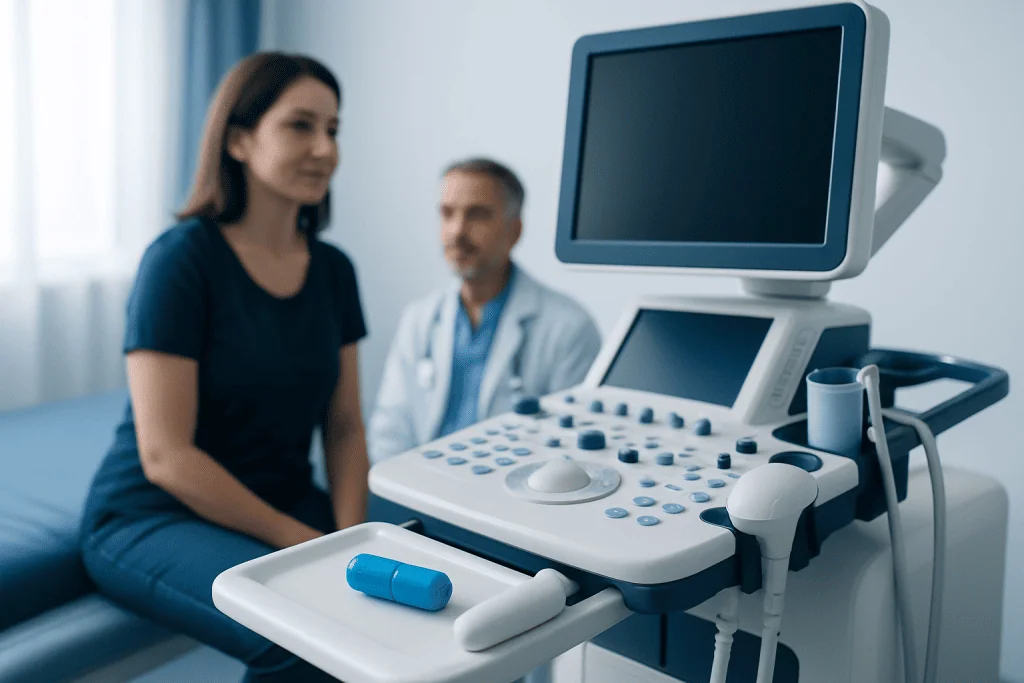
Research on DHEA has produced mixed results. In carefully selected patients, clinicians may consider DHEA in certain hormone-related settings, such as adrenal insufficiency in some cases or specific reproductive situations under specialist supervision. Even in these areas, benefit is not universal, and treatment decisions depend on symptoms, lab findings, age, other medical conditions, and treatment goals.
Claims that DHEA reliably slows aging, improves memory, boosts athletic performance, increases muscle mass, or prevents chronic disease are not well supported by strong evidence. Some studies show little to no meaningful benefit for these uses. This is one reason doctors generally do not recommend DHEA as a routine wellness supplement for healthy adults.
Evidence may also differ by formulation and by whether DHEA is taken orally or used in a prescription context for a specific indication. For people seeking help with menopausal, fertility, or endocrine symptoms, a focused consultation is more useful than self-prescribing. Depending on the clinical picture, a doctor may instead investigate problems such as polycystic ovary syndrome or discuss established options in fertility treatment.
Possible Benefits in Clinical Context

DHEA may be considered when a doctor suspects a true hormone-related need rather than a general desire for more energy or younger-looking skin. In selected adults with low DHEA due to adrenal insufficiency, supplementation has been studied for effects on mood, sexual well-being, and quality of life. Results vary, and not every patient benefits enough to continue treatment.
In reproductive medicine, DHEA has been discussed in relation to diminished ovarian reserve or poor ovarian response, but this remains an area where evidence is still evolving. It is not a universal fertility aid, and it should not be started without specialist advice because hormone manipulation can affect cycle patterns and treatment planning. A structured workup may include hormone testing, ultrasound, and review in a gynecology clinic or fertility setting.
There is also interest in whether DHEA affects bone density, mood, or sexual function in older adults. Some studies suggest modest effects in certain groups, but these findings are not strong enough to support broad use for everyone. Overall, any possible benefit must be weighed against side effects, interactions, and the fact that symptoms such as fatigue, low mood, and reduced libido often have many possible causes unrelated to DHEA.
Risks, Side Effects, and Drug Interactions
Because DHEA can be converted into sex hormones, side effects may reflect increased androgen or estrogen activity. Commonly reported problems include acne, oily skin, unwanted hair growth, scalp hair thinning, sweating, stomach upset, and changes in menstrual patterns. Some people also notice irritability, restlessness, sleep disturbance, or mood changes.
Men and women may experience different effects. In women, higher androgen activity can lead to facial hair, voice changes, or altered cycles. In men, DHEA may affect hormone balance in ways that are not always predictable. People with hormone-sensitive conditions should be particularly cautious because DHEA may worsen or complicate those conditions.
DHEA can also interact with medications and other hormones. Potential concerns include interactions with hormone therapy, testosterone, estrogen-containing medicines, some fertility medications, certain psychiatric medicines, diabetes treatments, and drugs that affect the liver. Anyone receiving treatment through endocrinology and metabolic diseases care should review supplement use carefully, since over-the-counter hormones can interfere with symptom interpretation and test results.
- Possible side effects: acne, oily skin, hair changes, mood changes, sleep changes, stomach upset
- Potential hormonal effects: irregular periods, breast tenderness, libido changes, signs of excess androgens
- Important safety issue: supplements may vary in quality and actual content
Who Should Avoid a DHEA Supplement
DHEA is not suitable for everyone. People with a history of breast, ovarian, uterine, prostate, or other hormone-sensitive cancers should avoid DHEA unless a specialist specifically advises otherwise. It is also generally not appropriate for people with unexplained vaginal bleeding, significant prostate symptoms, severe acne related to androgen excess, or untreated endocrine conditions.
Pregnant or breastfeeding individuals should not use DHEA unless a doctor has clearly recommended it. Children and adolescents should also avoid unsupervised use because hormones can affect growth and development. Athletes should be aware that hormone-related supplements may raise concerns under sports regulations.
People with liver disease, mood disorders, bipolar disorder, diabetes, or polycystic ovary syndrome should be especially careful. In some of these situations, DHEA may worsen symptoms or complicate management. Anyone who has signs of excess androgens, irregular periods, infertility, or new hair growth should be medically assessed rather than assuming a supplement is the answer.
How Doctors Evaluate Safe Use
Safe use begins with a clear reason for considering DHEA. A doctor will usually ask about fatigue, menstrual changes, libido, fertility goals, medication use, cancer history, liver disease, and symptoms of hormone imbalance. This helps determine whether DHEA is appropriate, unnecessary, or potentially harmful.
Testing may be recommended depending on the symptoms. This can include hormone blood tests, blood sugar evaluation, liver function tests, or reproductive assessment. Sometimes the main issue turns out to be thyroid disease, depression, medication side effects, sleep problems, or another treatable condition rather than low DHEA itself.
If DHEA is used, medical follow-up matters. The goal is to monitor both benefit and harm, not simply to continue a supplement indefinitely. A clinician may advise stopping it if side effects develop, if goals are not being met, or if a different diagnosis becomes more likely. This is especially important before procedures or specialist treatment plans, including fertility care.
Practical Self-Care and Informed Use
People considering DHEA should approach it as they would any hormone-related product: carefully and with medical guidance. It is wise to bring the exact product label to a clinic visit so the doctor can review ingredients, formulation, and any other added supplements. Taking multiple hormone-acting products at once can make side effects and test interpretation more difficult.
It is also helpful to set realistic expectations. DHEA is not a substitute for sleep, nutrition, exercise, treatment of depression or anxiety, or proper management of endocrine disease. If the goal is more energy, better sexual health, or improved fertility, a broader health evaluation often provides more effective and safer answers than self-treatment.
Near the end of the care pathway, specialist input may be valuable for complex cases involving hormones, fertility, or adrenal conditions. Acibadem International’s multidisciplinary specialists and JCI-accredited hospitals evaluate and treat international patients with these concerns using individualized medical assessment rather than a one-size-fits-all supplement approach.
When to Seek Medical Care
Medical advice is important before starting a DHEA supplement if a person has infertility, irregular periods, erectile or sexual symptoms, a history of cancer, liver disease, diabetes, depression, bipolar disorder, or any diagnosed hormonal condition. This is also true for anyone already taking prescription hormones or several medications.
Prompt medical review is recommended if symptoms appear after starting DHEA. These can include severe acne, rapid hair loss, new facial hair, voice changes, mood swings, agitation, palpitations, significant menstrual changes, breast symptoms, or unexplained bleeding. Any worsening of a known hormone-sensitive condition should be assessed without delay.
People should also seek care if they are taking DHEA but not improving, because ongoing fatigue, low mood, low libido, or fertility difficulty may have another cause. A clinician can help decide whether further testing, discontinuing the supplement, or switching to evidence-based treatment is the safer path.
Frequently asked questions
What is a DHEA supplement used for?
A DHEA supplement is used mainly in selected hormone-related situations, not as a general health product for everyone. Some clinicians may consider it in specific adrenal or reproductive contexts, but many popular uses such as anti-aging or performance enhancement are not strongly supported by evidence.
Is DHEA the same as testosterone?
No. DHEA is not testosterone, but it can be converted in the body into hormones including androgens and estrogens. Because of this, it may still cause hormone-related effects and side effects.
Can DHEA help with fertility?
DHEA has been studied in some fertility settings, especially in people with reduced ovarian reserve, but it is not a standard solution for all fertility problems. Whether it is appropriate depends on the cause of infertility and should be decided with a fertility specialist.
What are the most common side effects of DHEA?
Common side effects include acne, oily skin, stomach upset, hair changes, and mood or sleep changes. Because DHEA can affect sex hormones, some people may also notice menstrual changes, unwanted hair growth, or other hormone-related symptoms.
Who should not take DHEA?
People with hormone-sensitive cancers, pregnancy, breastfeeding, unexplained bleeding, significant endocrine disorders, or certain mood disorders should generally avoid DHEA unless a doctor advises otherwise. It should also be used cautiously with prescription hormones or complex medication regimens.
Do I need blood tests before taking DHEA?
Not everyone needs the same tests, but blood work is often helpful when symptoms suggest a hormone problem. Testing can help identify whether DHEA is relevant at all or whether another condition is causing the symptoms.
This article is for general information only and is not a substitute for professional medical advice. Please consult a qualified doctor about your individual situation.
Explore treatments in Turkey — costs, top hospitals & a free quote
JCI-accredited · board-certified surgeons · reply within 24h
Add us as a Preferred Source to see more of our trusted health content across Google Search, AI Overviews and Discover.

More from the Health Library

Nuts and Low Carb Diet: Benefits, Risks, and Safe Use
Vitamin E Supplement: Benefits, Risks, and Safe Use

Mushroom Nutrition: What the Clinical Research Actually Says

Beef Liver Supplements: What the Clinical Research Actually Says

High Level of B12 Vitamin: Benefits, Risks, and Safe Use