Diarrhea Pregnancy: What Is Normal, What Is Not, and When to Seek Care
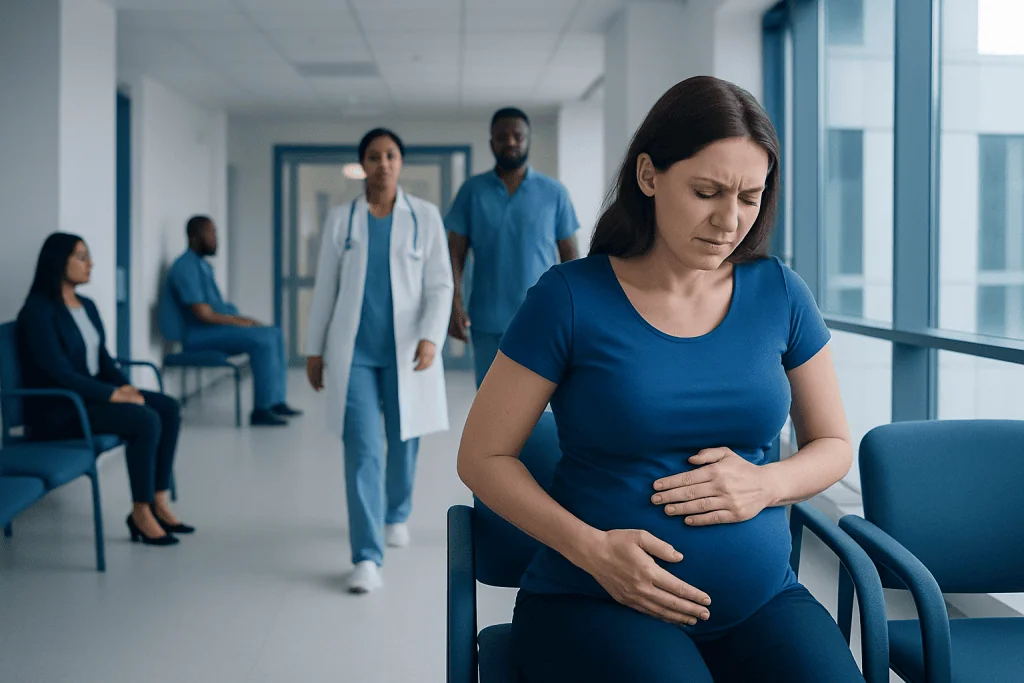
A brief episode of loose stools is usually not harmful to a pregnancy if fluids can be maintained. Dehydration is the main immediate concern because it can develop more quickly with frequent diarrhea or vomiting.
Key Takeaways
- A brief episode of loose stools is usually not harmful to a pregnancy if fluids can be maintained.
- Dehydration is the main immediate concern because it can develop more quickly with frequent diarrhea or vomiting.
- Foodborne illness, viral gastroenteritis, medication effects, and dietary changes are common causes of diarrhea during pregnancy.
- Fever, bloody stool, severe pain, reduced urination, dizziness, or symptoms lasting more than 24 to 48 hours require medical advice.
- Pregnancy-safe treatment depends on the cause, so medicines for diarrhea should not be started without advice from an obstetric clinician.
Diarrhea during pregnancy is commonly caused by a short-lived food-related upset, viral infection, dietary change, or medication effect and often improves within a day or two. However, pregnant people should contact a healthcare professional promptly if symptoms are severe, persistent, or accompanied by dehydration, fever, blood in the stool, or abdominal pain.
Diarrhea During Pregnancy: What Is Usually Normal?
Diarrhea means passing loose, watery stools more often than is usual for the individual. During pregnancy, a short episode can happen for many of the same reasons it happens at other times: a minor viral illness, something eaten, a sudden increase in fiber, or a reaction to a supplement or medicine. If it is mild, lasts a short time, and the person can drink fluids, it usually does not directly harm the developing baby.
Diarrhea is not considered a typical defining symptom of pregnancy. Hormonal changes more often slow the bowel and contribute to constipation. Still, pregnancy can bring changes in appetite, food preferences, routines, stress levels, and prenatal supplements, all of which can affect digestion. Loose stools may also occur close to labor, but diarrhea alone is not a reliable sign that labor is beginning.
The most important early consideration is hydration. Frequent watery stools can lead to loss of fluids and salts, particularly when diarrhea occurs alongside vomiting, fever, or reduced food and fluid intake. A pregnant person who is unsure whether symptoms are mild or who has a pre-existing medical condition should contact their maternity care team for individualized guidance.
Common Causes of Pregnancy Diarrhea
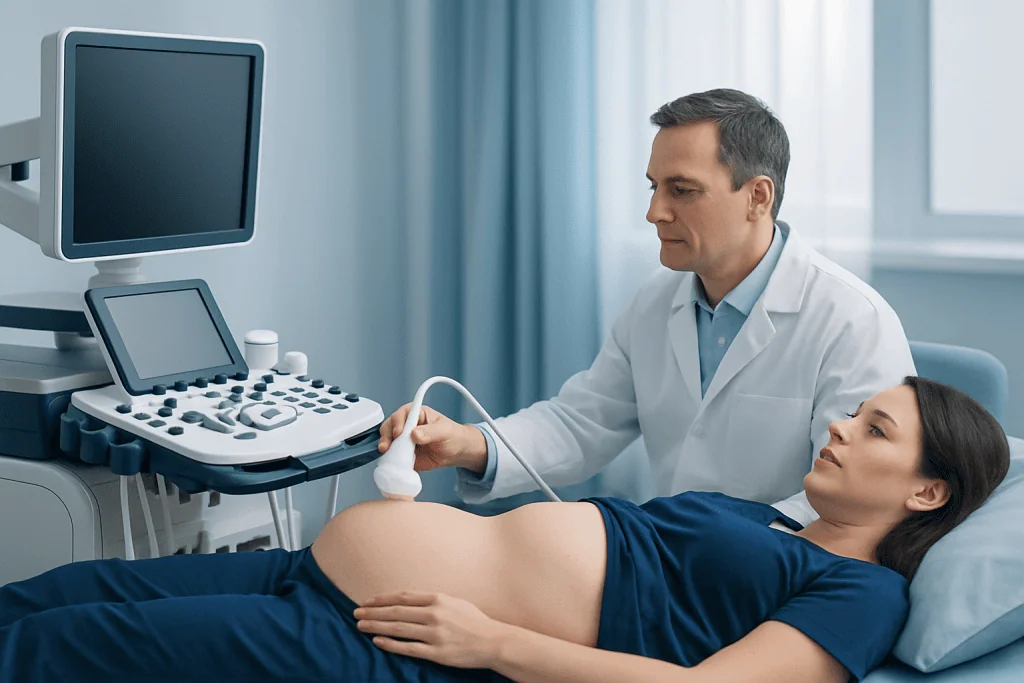
Viral gastroenteritis, sometimes called a stomach bug, is a common cause of sudden diarrhea. It may cause nausea, cramping, vomiting, and a low-grade fever, and often resolves on its own over a few days. Bacterial infections from contaminated food or water can cause more severe symptoms, including high fever, stronger abdominal pain, or blood or mucus in the stool.
Food changes can also play a role. Some people increase fruits, vegetables, whole grains, or fluids after becoming pregnant, and the bowel may temporarily respond with looser stools. Fatty meals, spicy foods, caffeine, sugar alcohols, and lactose-containing foods can trigger diarrhea in people who are sensitive to them. New food cravings or aversions can make these changes more noticeable.
Medicines and supplements should also be considered. Antibiotics can alter normal gut bacteria and cause diarrhea; in uncommon cases, they are linked with a more serious intestinal infection. Magnesium-containing products, some antacids, laxatives, and certain prenatal supplements may also loosen stools. A clinician or pharmacist can review all prescribed, over-the-counter, and herbal products rather than assuming a pregnancy supplement is the cause.
Less commonly, diarrhea may be related to an ongoing digestive condition such as irritable bowel syndrome, inflammatory bowel disease, celiac disease, or thyroid disease. Symptoms that repeatedly occur, continue for weeks, wake a person from sleep, or are associated with weight loss should be assessed rather than attributed to pregnancy alone.
Symptoms That Need Closer Attention
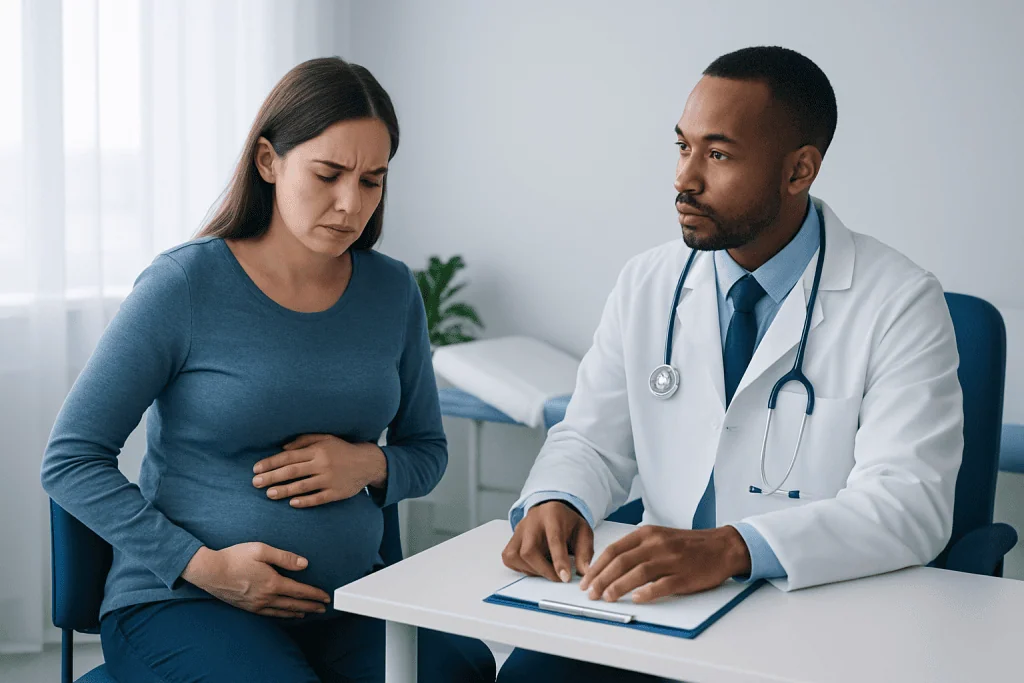
How a person feels is often more informative than the number of bowel movements alone. Mild cramping and several loose stools may be manageable at home if symptoms are improving and fluids are staying down. In contrast, signs of dehydration suggest that the body needs more support. These can include thirst, a dry mouth, dark yellow urine, urinating less often, fatigue, headache, dizziness, or feeling faint when standing.
Fever, chills, significant abdominal pain, persistent vomiting, or blood in the stool can point to an infection or another condition that needs timely evaluation. It is also important to distinguish intestinal cramps from pelvic pain, regular tightening of the uterus, vaginal bleeding, or leaking fluid. These pregnancy-related symptoms should be discussed urgently with the maternity team, especially before 37 weeks of pregnancy.
Pregnant people may be more vulnerable to complications from certain foodborne infections. Raw or undercooked meat, eggs, seafood, and unpasteurized foods can carry harmful organisms. Ready-to-eat refrigerated foods should also be handled and stored safely. A clinician may ask about recent meals, travel, sick contacts, antibiotic use, and whether others who ate the same food are ill.
- Watch for reduced urination, marked weakness, confusion, or inability to keep fluids down.
- Note the presence of fever, blood, black stool, severe cramps, or worsening pain.
- Tell the clinician about recent antibiotics, travel, questionable food exposure, or a known outbreak.
Safe Self-Care for Mild Diarrhea
For mild diarrhea without warning signs, rest and frequent small amounts of fluid are usually the first steps. Water is useful, but an oral rehydration solution can be especially helpful when stools are frequent because it replaces both fluid and electrolytes. Clear soups, broth, and other tolerated fluids may also help. Small sips taken regularly can be easier than trying to drink a large amount at once, particularly if nausea is present.
Food does not need to be avoided completely if the person feels able to eat. Bland, easy-to-digest choices such as rice, potatoes, toast, crackers, bananas, applesauce, plain pasta, or soup may be more comfortable temporarily. It can be sensible to avoid alcohol, caffeine, very fatty foods, heavily spiced foods, and dairy products if they worsen symptoms. Once stools improve, a usual balanced pregnancy diet can be reintroduced gradually.
Good hygiene helps protect household members. Hands should be washed with soap and water after using the toilet and before preparing food. People with diarrhea should avoid preparing meals for others when possible, and frequently touched bathroom surfaces should be cleaned. If travel is involved, safe drinking water and thoroughly cooked food are particularly important.
It is best not to use anti-diarrheal medicines, antibiotics, herbal remedies, or electrolyte products with added ingredients without checking with an obstetric clinician or pharmacist. Some medicines may be unsuitable in pregnancy, while others could mask symptoms that need investigation. Treatment should be based on the suspected cause and the stage of pregnancy.
How Diarrhea Is Evaluated in Pregnancy
Most short, uncomplicated episodes do not require extensive testing. A clinician will usually ask when the diarrhea began, how often it occurs, whether there is vomiting or fever, and whether blood or mucus is present. They may also ask about food intake, travel, contact with ill people, medications, medical history, and pregnancy symptoms such as contractions or vaginal bleeding.
An examination may include checking temperature, pulse, blood pressure, hydration, and abdominal tenderness. Depending on the symptoms, urine testing may help assess hydration or identify another concern. Blood tests may be considered when dehydration, significant infection, or another medical condition is suspected. A stool sample may be requested for severe, persistent, bloody, or travel-related diarrhea, or after recent antibiotic treatment.
Assessment during pregnancy also considers the health of the pregnancy. If there are contractions, pelvic pressure, fluid leakage, bleeding, reduced fetal movement later in pregnancy, or concern about preterm labor, the obstetric team may perform additional evaluation. This does not mean diarrhea has caused a problem; it helps ensure that both the pregnant person and baby are appropriately monitored.
Treatment Depends on the Cause
Rehydration is the foundation of treatment for most cases. Mild viral diarrhea often improves with fluids, rest, and a temporary adjustment in food choices. If dehydration is moderate or severe, or if vomiting prevents adequate drinking, medical care may include fluids given intravenously and monitoring of electrolytes. Hospital care is not needed for most people, but it can be important when fluid loss is substantial.
If testing or clinical assessment suggests a bacterial, parasitic, or other specific infection, treatment is selected carefully for pregnancy. Antibiotics are not useful for most viral stomach illnesses and should only be used when prescribed. A clinician will weigh the likely infection, symptom severity, medical history, allergies, and pregnancy stage when recommending any medicine.
When diarrhea is linked to a medicine or supplement, the prescriber may recommend a change rather than stopping an essential treatment independently. Long-term digestive diseases also require coordinated management during pregnancy, since uncontrolled inflammation, malnutrition, or dehydration can affect overall health. The goal is to treat the underlying cause while supporting adequate nutrition and hydration.
Acibadem International’s multidisciplinary specialists and JCI-accredited hospitals can evaluate digestive symptoms and pregnancy-related concerns for international patients when in-person assessment is needed.
When to Seek Medical Care
A pregnant person should contact their obstetrician, midwife, or another qualified healthcare professional promptly if diarrhea is severe, lasts longer than 24 to 48 hours, or does not begin to improve. Earlier advice is appropriate for people with diabetes, kidney disease, inflammatory bowel disease, immune suppression, or a pregnancy already considered high risk.
Urgent medical assessment is needed for inability to keep fluids down, very little urine, severe dizziness or fainting, a fever, blood or black stool, severe or localized abdominal pain, or symptoms of significant dehydration. The same applies if diarrhea follows recent antibiotic use or a possible exposure to contaminated food or water. Emergency services should be used for severe weakness, confusion, fainting, or any rapidly worsening symptoms.
Pregnancy-specific warning signs should never be dismissed as a stomach upset. Call the maternity unit urgently for vaginal bleeding, suspected fluid leakage, regular painful contractions, severe pelvic pain, or noticeably reduced fetal movement at a stage when movements are normally felt. Seeking advice early is a practical way to protect hydration, comfort, and pregnancy wellbeing.
Frequently asked questions
Can diarrhea hurt the baby during pregnancy?
A short, mild episode of diarrhea usually does not directly harm the baby. The main concern is dehydration or an underlying infection that makes the pregnant person unwell. Maintaining fluids and seeking care for warning signs are important.
Is diarrhea normal in early pregnancy?
Diarrhea can occur in early pregnancy, but it is not one of the most typical pregnancy symptoms. Dietary changes, a stomach infection, anxiety, supplements, or food sensitivity are often more likely explanations. Persistent or severe symptoms should be discussed with a healthcare professional.
What can a pregnant person drink for diarrhea?
Water, broth, and oral rehydration solutions are generally useful ways to replace fluids. Small, frequent sips may be easier when nausea is also present. A clinician can recommend the best option if there is diabetes, kidney disease, ongoing vomiting, or concern about dehydration.
Can anti-diarrheal medicine be taken during pregnancy?
A pregnant person should ask an obstetric clinician or pharmacist before taking an anti-diarrheal medicine. The safety and appropriateness of a medicine depend on the cause of diarrhea, pregnancy stage, and other health conditions. Some symptoms require evaluation rather than symptom-suppressing treatment.
When is diarrhea in pregnancy an emergency?
Emergency assessment is appropriate for severe dehydration, fainting, confusion, inability to keep fluids down, severe pain, bloody or black stool, or rapidly worsening illness. Pregnancy-related symptoms such as bleeding, leaking fluid, regular contractions, or reduced fetal movement also need urgent contact with the maternity team.
Could diarrhea mean labor is starting?
Some people have loose stools near the time labor begins, but diarrhea alone does not reliably indicate labor. Regular contractions, pelvic pressure, back pain, fluid leakage, or bloody show are more meaningful signs to discuss with a maternity care provider. Before 37 weeks, possible labor symptoms should be assessed promptly.
References
- American College of Obstetricians and Gynecologists
- Centers for Disease Control and Prevention
- National Health Service
- Mayo Clinic
- World Health Organization
This article is for general information only and is not a substitute for professional medical advice. Please consult a qualified doctor about your individual situation.
Persistent digestive symptoms? Get evaluated in Turkey
JCI-accredited · board-certified surgeons · reply within 24h
Add us as a Preferred Source to see more of our trusted health content across Google Search, AI Overviews and Discover.