Diet after Colon Cancer Operation: Procedure, Recovery and Results
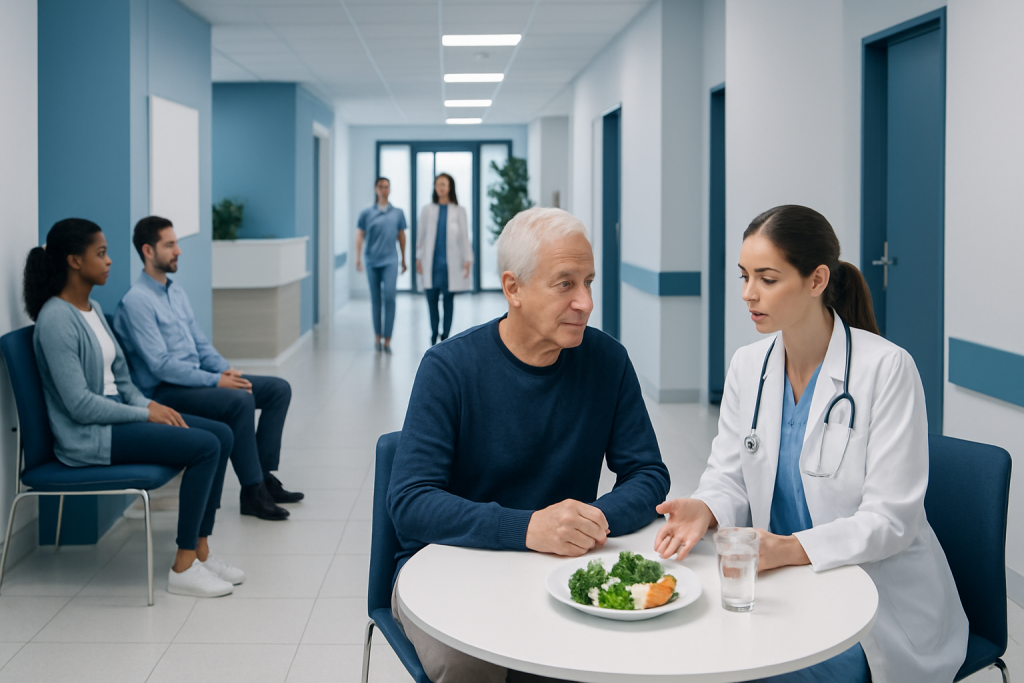
Eating is reintroduced gradually after colon surgery, based on bowel function, comfort and the surgical team's guidance. Small, frequent meals, adequate fluids and protein-rich foods can support healing in the early recovery period.
Key Takeaways
- Eating is reintroduced gradually after colon surgery, based on bowel function, comfort and the surgical team's guidance.
- Small, frequent meals, adequate fluids and protein-rich foods can support healing in the early recovery period.
- A long-term eating pattern rich in vegetables, fruits, whole grains, legumes and lean protein is often appropriate once the bowel has recovered.
- Temporary gas, changed bowel frequency and food sensitivities are common after surgery and often improve over time.
- Persistent vomiting, worsening abdominal pain, fever, inability to drink, or signs of dehydration need prompt medical assessment.
Diet after colon cancer operation usually progresses from clear liquids to soft, low-fiber foods and then to a varied, balanced diet as the bowel heals. The right plan depends on the operation performed, current symptoms, nutritional status and whether a temporary or permanent stoma is present.
Diet after colon cancer operation: the practical approach
Diet after colon cancer operation usually starts with fluids and easy-to-digest foods, then expands step by step as the bowel starts working again. In the first days and weeks, the goal is not a perfect long-term diet; it is to maintain hydration, provide enough energy and protein for healing, and avoid foods that cause significant discomfort.
Individual instructions matter. The extent and location of bowel removal, whether surgery was open or minimally invasive, bowel function before surgery, complications, chemotherapy plans and the presence of a stoma can all affect dietary advice. The surgeon, oncology team and registered dietitian should guide the pace of dietary progression.
Many people can eventually return to a balanced dietary pattern after recovery. A helpful long-term approach emphasizes plant foods, adequate protein, healthy fats and limited processed meat and alcohol, while adapting fiber and meal timing to personal bowel symptoms.
How colon cancer surgery works and who may need it
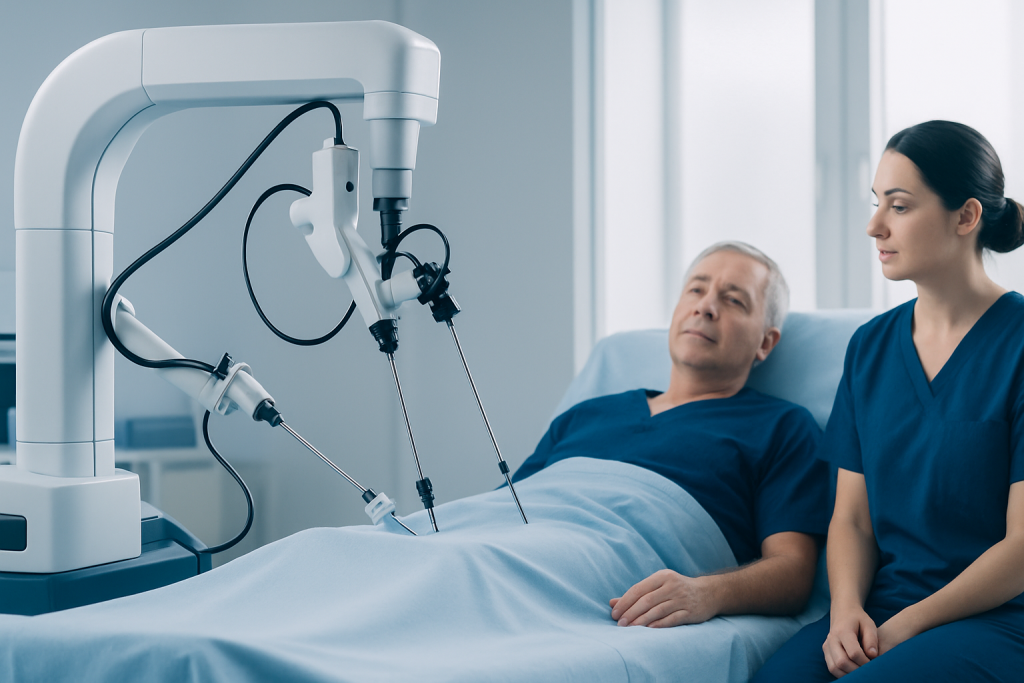
Colon cancer surgery removes the part of the colon containing the cancer along with nearby lymph nodes. The remaining healthy ends of bowel are commonly joined together, a step called an anastomosis. In some situations, the surgeon creates a stoma, where bowel is brought to an opening on the abdomen so stool can pass into a pouch; this may be temporary or permanent.
Surgery is commonly recommended for localized colon cancer and may also be used in selected people when cancer has spread but can still be removed, or when a tumor causes blockage, bleeding or perforation. Planning is individualized after imaging, biopsy findings, overall health assessment and discussion by a multidisciplinary cancer team.
The operation may be performed through open surgery or minimally invasive techniques such as laparoscopy or robotic surgery, when appropriate. Colon cancer treatment can include surgery as well as chemotherapy, targeted therapy or other approaches depending on the stage and biology of the cancer.
Before surgery, patients may have blood tests, imaging, anesthesia assessment and instructions about medicines, bowel preparation and fasting. Nutrition screening before the operation is important because unintentional weight loss or poor intake can slow recovery.
Procedure steps, benefits and possible risks
During the operation, the patient receives general anesthesia. The surgeon removes the affected colon segment with an appropriate margin of healthy tissue and nearby lymph nodes, then reconnects the bowel when it is safe to do so. Tissue removed during surgery is examined by a pathologist, and the final report helps guide any further treatment.
How long does colon cancer surgery typically take? Many colon resections take about two to four hours, although the timing can be shorter or longer. Duration depends on the section of bowel involved, previous abdominal surgery, the surgical method, body anatomy, whether other areas require treatment and whether a stoma or additional procedure is needed.
The potential benefit of surgery is complete removal of a localized cancer and accurate staging of lymph nodes. Risks include bleeding, infection, blood clots, injury to nearby organs, delayed return of bowel function, leakage where bowel ends are joined, hernia and changes in bowel habits. The treating team discusses risks in relation to each person’s health and planned procedure.
Enhanced recovery programs often encourage early mobilization, breathing exercises, pain control that limits unnecessary opioid use, and carefully timed food and fluids. These measures are designed to support safe recovery rather than to rush the bowel before it is ready.
Eating plan and recovery timeline after surgery
Immediately after surgery, some patients begin with sips of water or clear liquids, while others may advance sooner according to the hospital’s recovery protocol. When nausea is controlled and bowel function is returning, foods may progress to nourishing liquids and soft, low-fiber choices such as soup, yogurt, eggs, tender fish, rice, pasta, potatoes and well-cooked vegetables.
For the first several weeks, smaller meals every two to three hours can be easier than large portions. Protein supports wound healing, so suitable choices may include eggs, dairy products if tolerated, fish, poultry, tofu, beans when tolerated and oral nutrition supplements recommended by a clinician. Drinking regularly between meals can help prevent dehydration, especially with loose stools or a stoma.
A temporary low-fiber approach may reduce bloating and stool volume while the bowel heals. Foods that commonly cause gas or discomfort, including carbonated drinks, large amounts of raw vegetables, onions, cabbage, spicy meals or high-fat fried foods, can be reintroduced one at a time later. There is no universal list of foods to avoid permanently.
Recovery of appetite and bowel regularity often takes weeks, and bowel habits may continue to settle for several months. Keeping a simple food-and-symptom diary can help identify personal triggers. A dietitian can adjust the plan for weight loss, diarrhea, constipation, diabetes, kidney disease or a stoma.
What is the best diet for colon cancer survivors?
There is no single best diet for every colon cancer survivor. Once surgical healing is established, an overall dietary pattern centered on vegetables, fruits, whole grains, beans, nuts, seeds and lean protein is generally encouraged, provided these foods are tolerated. Fiber should be increased gradually rather than suddenly, particularly after a bowel resection or when diarrhea, urgency or bloating continues.
Protein remains important for rebuilding strength. Fish, poultry, eggs, low-fat dairy products, soy foods, legumes and other minimally processed protein sources can be included according to preference and tolerance. Choosing water as the main drink and limiting sugar-sweetened beverages may also support general health.
Evidence-based cancer prevention guidance generally advises limiting processed meat and reducing red meat intake, avoiding or limiting alcohol, maintaining a healthy body weight and being physically active when medically cleared. These measures support overall health, but they do not replace surveillance appointments, recommended treatment or individualized medical advice.
Some survivors have specific needs. People with a stoma may need tailored fluid and salt advice, while those with ongoing diarrhea may need temporary adjustments to fiber, fat, lactose or meal size. Colon cancer follow-up should include discussion of nutrition, weight changes and ongoing digestive symptoms.
What is life like after bowel cancer surgery?
Life after bowel cancer surgery can involve an adjustment period, but many people gradually return to daily activities, work, exercise and social meals. In the early months, fatigue is common, and bowel movements may be more frequent, looser, more urgent or less predictable. Others experience constipation, gas or abdominal cramping.
Symptoms often improve as the bowel adapts, although the timeline varies. Planning meals, carrying spare supplies when a stoma is present, knowing the location of toilets and slowly rebuilding activity can increase confidence. A stoma nurse can provide practical education about pouch care, skin protection, diet and travel.
Emotional recovery is equally important. Concerns about cancer recurrence, altered body image, intimacy, fatigue and changed bowel control are understandable. Support from family, cancer nurses, rehabilitation professionals, peer groups and mental health professionals can be valuable.
Follow-up care may include appointments, blood tests, imaging and colonoscopy at intervals determined by the oncology team. New or persistent symptoms should be discussed rather than assumed to be a normal consequence of surgery.
Is it normal to have pain 2 months after colon resection?
Some discomfort, pulling sensations around the incision, numbness, abdominal tenderness or intermittent cramping can still occur two months after colon resection, particularly during activity or as internal tissues continue to heal. Pain should usually be gradually improving, not becoming more intense or limiting day-to-day function more over time.
Ongoing pain can have several causes, including scar tissue healing, constipation, muscle strain, nerve-related pain, infection, hernia or bowel-related problems. It is important not to self-diagnose. The surgeon or treating doctor can assess the pain pattern, wound, bowel function, medicines and any associated symptoms.
Seek urgent medical advice for severe or worsening abdominal pain, repeated vomiting, a swollen abdomen, fever, chills, redness or discharge from a wound, inability to pass stool or gas, black or bloody stools, chest pain, shortness of breath, or one-sided leg swelling. These symptoms do not always indicate a serious problem, but they require prompt assessment.
For non-urgent but persistent pain, a follow-up appointment is appropriate. The clinical team can advise on safe pain relief, activity modification and whether further examination or testing is needed.
When to seek medical care
Contact the surgical or oncology team promptly if eating and drinking become difficult, diarrhea is severe or persistent, constipation is prolonged, weight is falling unintentionally, or bowel changes are preventing normal daily activities. New food intolerance may be manageable, but it is especially important to address it early when it affects hydration or nutrition.
Urgent assessment is needed for fever, worsening pain, repeated vomiting, fainting, confusion, signs of dehydration such as very little urine, wound separation or discharge, sudden abdominal swelling, or a stoma that changes color or stops producing output when accompanied by pain or vomiting. Local emergency services should be used if symptoms are severe.
Scheduled reviews are an opportunity to discuss diet, activity, sexual health, emotional wellbeing and surveillance. Acibadem International’s multidisciplinary specialists and JCI-accredited hospitals support diagnosis and treatment planning for international patients with colorectal cancer.
Frequently asked questions
When can someone eat normally after colon cancer surgery?
Many people advance from liquids to soft foods during the first days after surgery and gradually broaden their diet over the following weeks. A full return to usual eating varies by procedure, bowel symptoms and complications. The surgical team should provide individualized guidance, particularly for people with a stoma or ongoing diarrhea.
Should fiber be avoided after colon resection?
Fiber is often reduced temporarily after surgery because it can increase stool bulk, gas and bloating while the bowel heals. It is usually reintroduced gradually as tolerated rather than avoided permanently. A dietitian can help choose suitable fiber sources and adjust intake for constipation or diarrhea.
What foods may be difficult after bowel surgery?
High-fat fried foods, carbonated drinks, spicy foods, alcohol, very large meals and some gas-forming foods may cause discomfort early in recovery. Tolerance is individual, so foods can be tested in small portions one at a time. Avoiding a broad range of nutritious foods long term is usually unnecessary unless advised by a clinician.
How can diarrhea be managed after colon cancer surgery?
Small frequent meals, adequate fluids and temporarily choosing lower-fiber, less fatty foods may help some people. Foods and drinks that worsen symptoms can be limited while the bowel adapts. Persistent diarrhea, dizziness, reduced urine output or weight loss should be discussed with the care team because dehydration and other causes may need treatment.
Can a person exercise after colon cancer surgery?
Gentle walking is often encouraged soon after surgery, but lifting, strenuous exercise and abdominal exercises may need to wait until the surgeon confirms healing. Activity can then be increased gradually according to energy levels and medical advice. Exercise can support strength, mood and bowel function during recovery.
Will bowel habits return to normal after colon surgery?
Bowel habits often change after a resection and may take several months to stabilize. Some people have more frequent stools or urgency, while others have constipation or intermittent bloating. If symptoms are worsening, severe or persistent, the surgeon or oncology team should assess them.
References
- American Cancer Society
- National Comprehensive Cancer Network
- World Cancer Research Fund International
- National Cancer Institute
- European Society for Medical Oncology
This article is for general information only and is not a substitute for professional medical advice. Please consult a qualified doctor about your individual situation.
Colon Cancer in Turkey — costs, top hospitals & a free quote
JCI-accredited · board-certified surgeons · reply within 24h
Add us as a Preferred Source to see more of our trusted health content across Google Search, AI Overviews and Discover.

Medical Oncology Department
Medical treatment of cancer with chemotherapy, immunotherapy and targeted therapies under a multidisciplinary tumor board.
60 specialists in this unit