Digestive Health Myths: Facts About Fiber, Enzymes, and ‘Gut Cleanses’

Fiber supports digestive health, but the right type and amount vary from person to person. Digestive enzyme supplements are helpful in specific medical situations, not as a universal solution.
Key Takeaways
- Fiber supports digestive health, but the right type and amount vary from person to person.
- Digestive enzyme supplements are helpful in specific medical situations, not as a universal solution.
- So-called gut cleanses are usually unnecessary because the digestive system already removes waste naturally.
- Persistent bloating, pain, weight loss, bleeding, or changes in bowel habits should be assessed by a doctor.
- A balanced diet, fluids, movement, and medical guidance are safer than restrictive detox trends.
Many popular beliefs about digestion sound convincing but do not always match medical evidence. Understanding what fiber, digestive enzymes, and so-called gut cleanses really do can help people make safer, more effective choices for gut health.
Overview: Why digestive health myths are so common
Digestive symptoms such as bloating, constipation, heartburn, and irregular bowel habits are very common. Because these problems can be uncomfortable and sometimes embarrassing, many people look for quick answers online or through wellness trends. This has helped create many digestive health myths, especially around fiber, digestive enzymes, and products advertised as “cleanses” or “detoxes.”
In reality, digestion is a complex process involving the stomach, intestines, pancreas, liver, gallbladder, gut bacteria, diet, stress, sleep, medications, and underlying medical conditions. A single supplement or restrictive plan rarely explains or fixes every symptom. What helps one person may not help another, especially if the real cause is lactose intolerance, irritable bowel syndrome, reflux, celiac disease, infection, or another digestive condition.
A more reliable approach is to separate broad claims from evidence-based facts. Fiber is beneficial for many people, but too much too quickly can worsen symptoms. Enzyme supplements can be medically useful, but not everyone needs them. Gut cleanses are often marketed as essential, even though the body already has built-in ways to process food and eliminate waste.
Fiber facts: helpful, but not one-size-fits-all
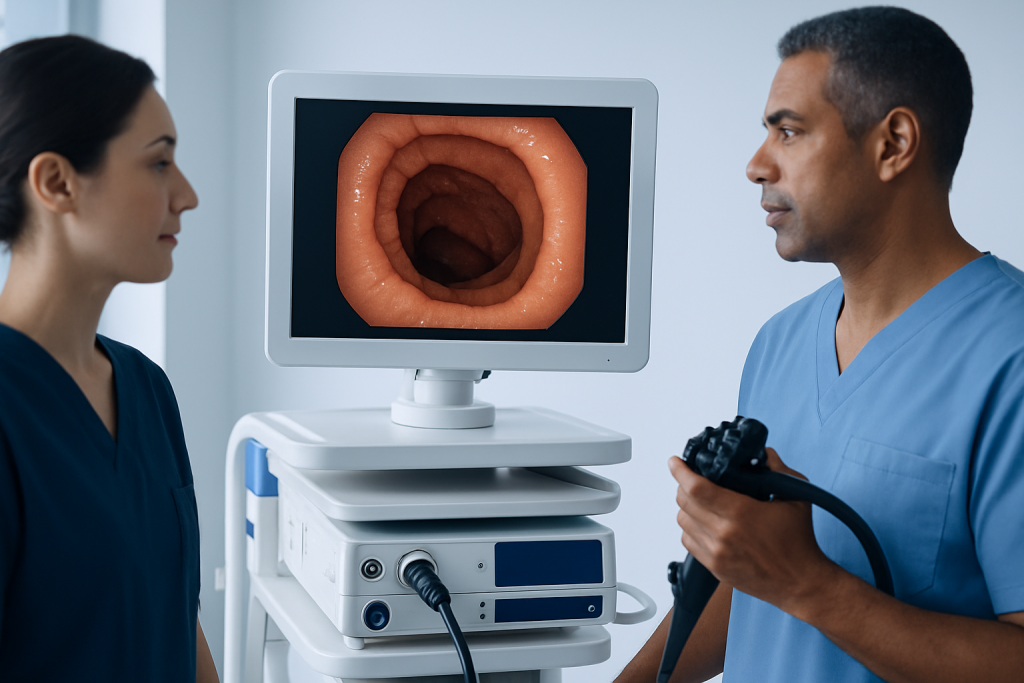
Fiber is often described as the answer to nearly every digestive complaint. That is an oversimplification. Fiber can support regular bowel movements, help stool pass more easily, and contribute to a healthy gut environment. It may also help some people feel fuller after meals and support overall metabolic health. However, the effects depend on the type of fiber, the amount eaten, and the individual’s digestive condition.
There are different kinds of fiber, commonly grouped as soluble and insoluble fiber. Soluble fiber absorbs water and can form a gel-like texture, which may help with stool consistency. Insoluble fiber adds bulk and can support bowel movement frequency. Foods such as vegetables, fruits, legumes, oats, nuts, seeds, and whole grains contain varying mixtures of both.
One common myth is that more fiber is always better. In fact, suddenly increasing fiber intake can lead to gas, abdominal discomfort, and bloating, especially in people with sensitive digestion. For those with certain disorders, including some people with irritable bowel syndrome, the type of fiber may matter more than simply adding more of it. Fiber usually works best when increased gradually and paired with enough fluid.
- Helpful sources include beans, lentils, berries, pears, oats, barley, vegetables, nuts, and seeds.
- Gradual changes are usually easier to tolerate than dramatic increases.
- Hydration supports fiber’s effect on bowel movements.
- If fiber worsens symptoms significantly, a medical assessment may be needed.
Digestive enzymes: what they do and when they may help
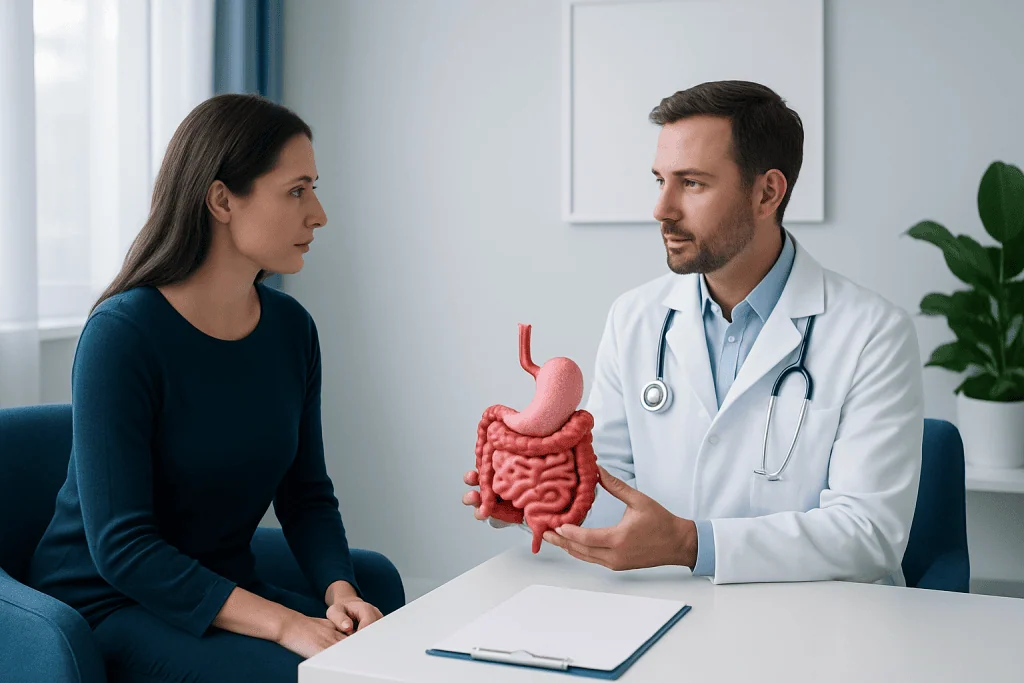
Digestive enzymes are proteins that help break down carbohydrates, fats, and proteins. The body naturally makes them, mainly in the pancreas and small intestine. Enzyme supplements are often marketed for bloating, heaviness after meals, or “poor digestion,” but these products are not automatically necessary for healthy people.
There are situations where digestive enzymes can be genuinely helpful. For example, lactase can help some people digest lactose in dairy products. People with pancreatic enzyme insufficiency may require prescribed enzyme replacement because their bodies do not make enough enzymes to digest food properly. In those settings, medical diagnosis matters, and treatment is based on the cause of the symptoms rather than on general wellness claims.
A common myth is that taking digestive enzymes after every meal improves digestion for everyone. Evidence does not support routine enzyme use for all people. Symptoms like bloating and discomfort may come from overeating, food intolerance, reflux, constipation, stress, or conditions such as celiac disease rather than from low enzyme levels. Taking supplements without understanding the cause can delay proper evaluation.
If symptoms are frequent or persistent, doctors may recommend testing and, when appropriate, treatment directed at the underlying problem. Depending on the diagnosis, care may include nutrition guidance, medication, or a procedure such as endoscopy to examine the upper digestive tract.
The truth about 'gut cleanses' and detox products
Many products claim to “clean” the intestines, remove toxins, or reset gut health. These claims can sound appealing, especially to people who feel bloated or sluggish. However, the digestive system does not usually need a cleanse to do its job. The body continuously digests food, absorbs nutrients, processes waste, and eliminates what it does not need through normal bowel movements.
The liver and kidneys play central roles in processing and removing many substances from the body. The intestines also naturally move waste forward through coordinated muscle activity. For most people, expensive teas, laxative-based detoxes, colon cleanses, or restrictive juice plans do not improve this natural process. In some cases, they may cause dehydration, diarrhea, electrolyte imbalance, abdominal cramping, or dependence on stimulant laxatives.
Another myth is that retained stool or “toxins” are the main reason for fatigue, skin problems, or weight gain. While constipation can certainly cause discomfort and fullness, it is not usually treated with commercial cleanses. More effective, safer strategies often include adjusting diet, increasing fluid intake, staying active, reviewing medications, and evaluating whether there is an underlying bowel disorder.
Medically supervised bowel preparation may be necessary before a diagnostic test such as colonoscopy, but that is different from a wellness cleanse. A medical bowel prep is used for a specific purpose and should only be done exactly as instructed by a healthcare professional.
What really supports gut health
Gut health is influenced by daily habits more than by short-term detox plans. A balanced eating pattern that includes fiber-rich plant foods, enough fluids, and regular meals can support normal digestion. Fermented foods may be well tolerated by some people, and a varied diet can help nourish beneficial gut bacteria. At the same time, there is no single “perfect” gut health food for everyone.
Physical activity can also help stimulate normal bowel function. Sleep and stress management matter as well. The gut and brain are closely connected, which is why stress can worsen symptoms such as cramping, urgency, nausea, or bloating. For some people, symptom improvement comes from addressing lifestyle patterns rather than adding multiple supplements.
It is also useful to look at common triggers. Large, high-fat meals, excess alcohol, carbonated drinks, very spicy foods, low fluid intake, and eating too quickly may contribute to symptoms in some individuals. Keeping a simple food and symptom diary can sometimes help identify patterns, especially if there is suspected intolerance to lactose or certain fermentable carbohydrates.
When symptoms continue despite reasonable self-care, professional evaluation is important. Depending on the complaint, doctors may consider tests, tailored nutrition advice, or procedures such as gastroenterology care to identify the cause and create an individualized plan.
When symptoms may point to a digestive condition
It is easy to assume that everyday symptoms are caused by “bad digestion,” but recurring symptoms can sometimes point to a diagnosable condition. Bloating may be linked to constipation, irritable bowel syndrome, food intolerance, small intestinal bacterial overgrowth, or less commonly other diseases. Heartburn may indicate reflux. Diarrhea can be triggered by infection, medication side effects, inflammatory conditions, or malabsorption.
Some symptoms deserve more prompt medical attention because they may signal a condition that should not be managed with self-treatment alone. Examples include blood in the stool, black stools, unexplained weight loss, persistent vomiting, trouble swallowing, fever with abdominal pain, ongoing diarrhea, severe constipation, or symptoms that wake a person from sleep regularly.
Diagnosis often begins with a careful medical history, physical examination, and review of diet, medications, and bowel habits. Doctors may use blood tests, stool tests, breath tests, imaging, or endoscopic procedures depending on the situation. The goal is to identify whether symptoms are functional, inflammatory, infectious, structural, or related to nutrient digestion and absorption.
Timely diagnosis can prevent unnecessary supplements and restrictive diets. It also helps patients receive the right treatment sooner, whether the issue is a food intolerance, gastroesophageal reflux disease, constipation, or another digestive disorder.
Safe self-care and practical ways to avoid misinformation
Many digestive health myths spread because they promise quick results. A safer approach is to be cautious with any product that claims to remove toxins, heal the gut for everyone, or replace medical care. Reliable digestive advice usually focuses on habits that are sustainable and supported by clinical evidence rather than dramatic short-term changes.
Practical self-care can include increasing fiber slowly, drinking enough water, staying physically active, eating mindfully, and limiting repeated use of over-the-counter laxatives or supplements unless advised by a clinician. People who suspect a food intolerance may benefit from discussing a structured elimination approach with a doctor or dietitian instead of making many restrictions at once.
It is also wise to read labels carefully. Some “cleanse” products contain stimulant herbs, multiple laxatives, or poorly studied combinations of ingredients. Supplements can interact with medicines and may not be appropriate for children, older adults, pregnant people, or those with kidney, liver, or heart conditions.
If expert evaluation is needed, Acibadem International’s multidisciplinary specialists in JCI-accredited hospitals diagnose and treat digestive conditions for international patients. The most helpful plan is usually individualized, based on symptoms, medical history, and appropriate testing rather than on common myths.
When to see a doctor
A doctor should be consulted if digestive symptoms are frequent, worsening, or interfering with normal life. Persistent bloating, abdominal pain, constipation, diarrhea, reflux, nausea, or food-related symptoms can have many causes, and a clear diagnosis often makes treatment more effective.
Medical advice is especially important when symptoms are accompanied by warning signs. These include blood in the stool, black stools, unintentional weight loss, loss of appetite, vomiting, dehydration, fever, new symptoms after age 50, or a family history of colorectal cancer, inflammatory bowel disease, or celiac disease.
People should also seek review if they rely regularly on laxatives, antacids, enzyme supplements, or restrictive diets just to get through the day. A healthcare professional can help determine whether symptoms reflect a manageable lifestyle issue or an underlying medical condition that needs specific treatment.
Frequently asked questions
Is fiber always good for digestion?
Fiber helps many people maintain regular bowel movements and supports overall gut health. However, increasing it too quickly or choosing the wrong type for a person’s condition can worsen bloating, gas, or discomfort. The best approach is usually gradual change with adequate fluid intake.
Do digestive enzyme supplements help everyone after meals?
No. Digestive enzymes are most useful in specific situations, such as lactose intolerance or medically confirmed pancreatic enzyme insufficiency. If symptoms happen often, it is better to identify the cause rather than assume enzyme deficiency.
Are gut cleanses necessary to remove toxins?
For most people, no. The body already has natural systems that process food and eliminate waste through the intestines, liver, and kidneys. Commercial cleanses often offer little proven benefit and may cause side effects such as diarrhea or dehydration.
What is a safer alternative to a gut cleanse?
A safer alternative is to focus on everyday digestive care. This includes eating a balanced diet, increasing fiber gradually if needed, drinking enough fluids, staying active, and getting medical advice for ongoing symptoms. These steps are generally more sustainable and evidence-based than detox products.
Can bloating mean something more than poor digestion?
Yes. Bloating can be related to constipation, food intolerance, irritable bowel syndrome, reflux, celiac disease, and other digestive conditions. If bloating is persistent, painful, or accompanied by weight loss, vomiting, or bowel changes, a medical assessment is important.
When should someone see a doctor instead of self-treating?
A doctor should be consulted when symptoms last for weeks, keep returning, or affect daily life. Urgent evaluation is needed for warning signs such as blood in the stool, black stools, ongoing vomiting, unexplained weight loss, fever, or severe abdominal pain.
References
- World Health Organization
- National Institute of Diabetes and Digestive and Kidney Diseases
- American College of Gastroenterology
- National Health Service
- Academy of Nutrition and Dietetics
This article is for general information only and is not a substitute for professional medical advice. Please consult a qualified doctor about your individual situation.
Persistent digestive symptoms? Get evaluated in Turkey
JCI-accredited · board-certified surgeons · reply within 24h
Add us as a Preferred Source to see more of our trusted health content across Google Search, AI Overviews and Discover.