Dislocated Elbow: An Evidence-Based Guide for Patients
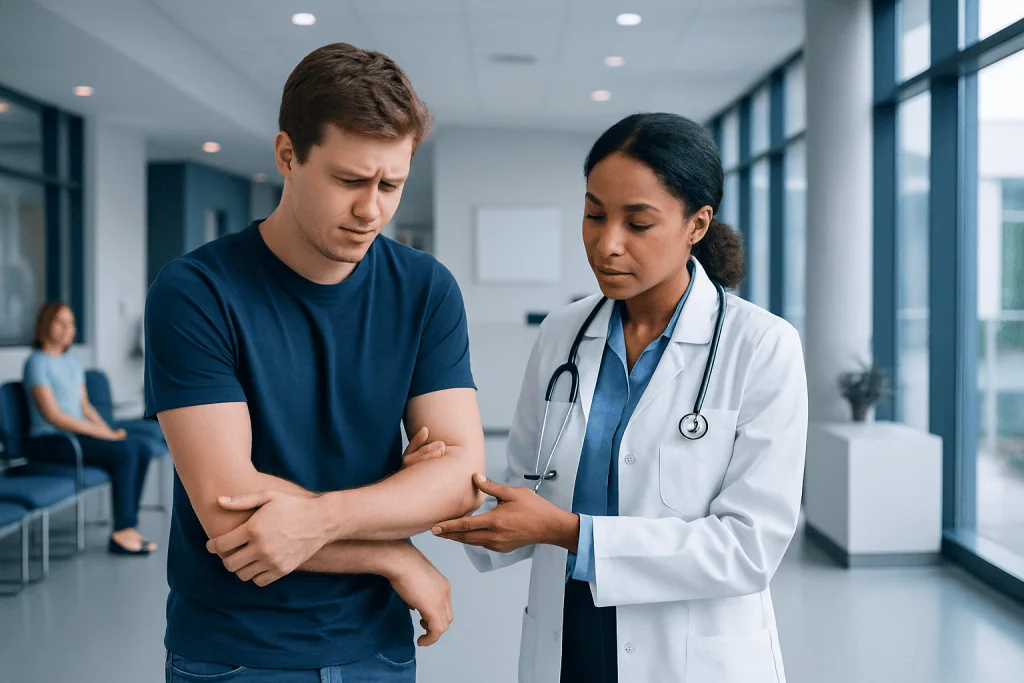
A dislocated elbow is a medical injury that should be assessed promptly, especially if the arm looks deformed or movement is severely limited. Doctors check for bone alignment as well as nerve and blood vessel injury, often using X-rays and sometimes CT or MRI.
Key Takeaways
- A dislocated elbow is a medical injury that should be assessed promptly, especially if the arm looks deformed or movement is severely limited.
- Doctors check for bone alignment as well as nerve and blood vessel injury, often using X-rays and sometimes CT or MRI.
- Treatment usually involves putting the joint back in place, then protecting the elbow with a splint or brace and starting guided rehabilitation.
- Recovery depends on whether the dislocation is simple or associated with fractures, ligament injury, or joint instability.
- Swelling, numbness, worsening pain, or a cold or pale hand after injury need urgent medical attention.
A dislocated elbow happens when the bones that form the elbow joint move out of their normal position, usually after a fall or direct trauma. It is a painful injury that needs prompt medical assessment, but with timely treatment and rehabilitation, many people recover good stability and movement.
What Is a Dislocated Elbow?
A dislocated elbow means the bones of the elbow joint have been forced out of their normal alignment. The elbow is formed by the upper arm bone and the two forearm bones, and it depends on a close fit between the bones, ligaments, and surrounding muscles to remain stable. When a strong force overwhelms these structures, the joint can partially or completely dislocate.
This injury often causes immediate pain, swelling, and an inability to bend or straighten the arm normally. In some people, the elbow may look visibly out of place. Because nerves and blood vessels pass close to the joint, a dislocated elbow is not just a matter of pain; it also needs careful evaluation to make sure circulation and sensation in the hand remain normal.
Doctors often describe elbow dislocations as simple or complex. A simple dislocation involves the joint being out of place without a major fracture, while a complex dislocation occurs along with broken bones or more significant soft-tissue damage. This distinction matters because it affects treatment, recovery time, and the risk of later stiffness or instability.
Symptoms and How It May Feel
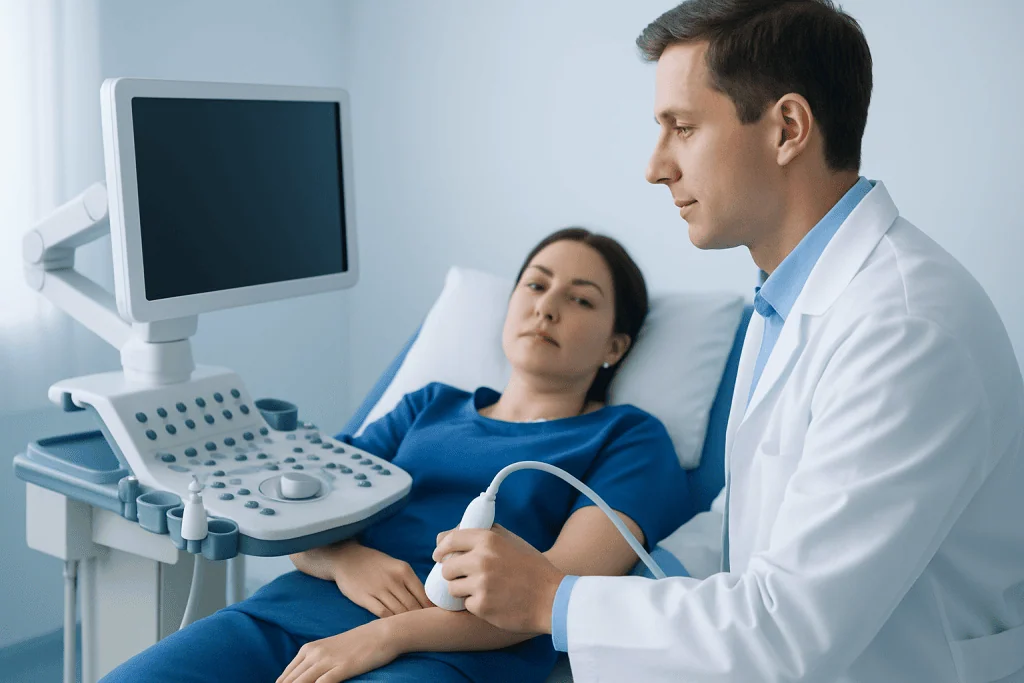
Most people with a dislocated elbow notice sudden, intense pain right after the injury. The elbow may swell quickly, and moving the arm usually becomes very difficult. In a full dislocation, the shape of the elbow can appear abnormal, and the forearm may look shifted compared with the upper arm.
Other symptoms can include bruising, a feeling that the joint is locked, and tenderness around the elbow. Some people describe a sense that the arm is unstable or cannot support even light movement. If nearby ligaments are stretched or torn, the elbow may feel weak even after it is put back into place.
Certain symptoms need urgent attention because they can suggest damage beyond the joint itself:
- Numbness or tingling in the hand or fingers
- Weak grip or difficulty moving the wrist or fingers
- A cold, pale, or blue-looking hand
- Severe swelling that keeps increasing
- Open wounds or visible bone injury
These signs may indicate injury to a nerve, artery, or associated fracture. In such cases, fast assessment is especially important to reduce the chance of lasting complications.
Common Causes and Risk Factors
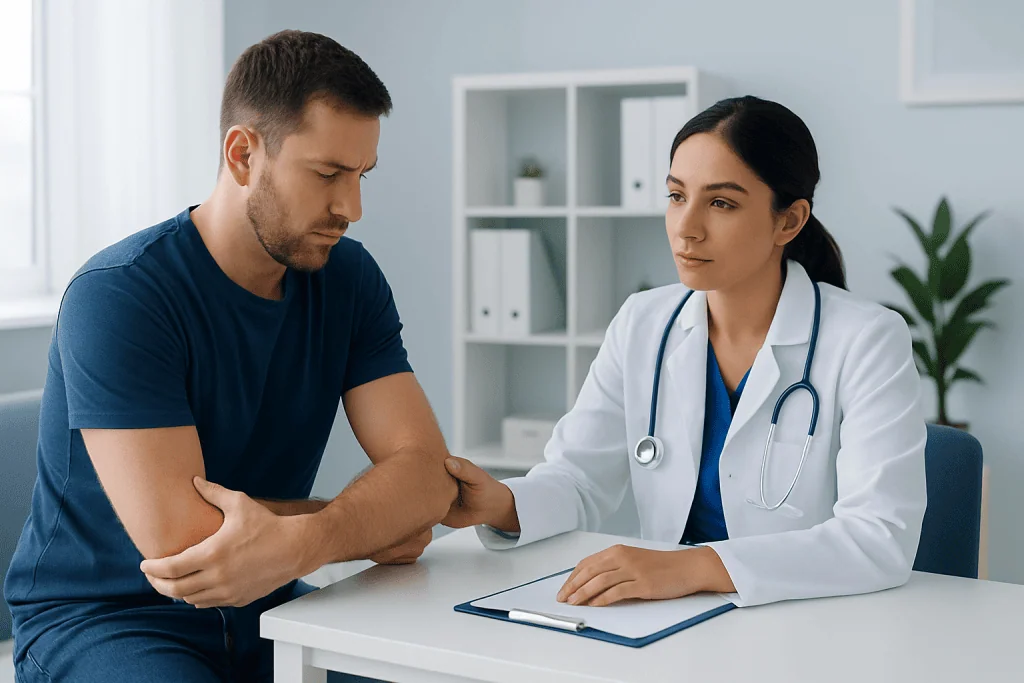
A dislocated elbow most often happens after a fall onto an outstretched hand. This force travels up the forearm into the elbow and can push the joint out of alignment. Sports injuries, bicycle or vehicle accidents, and falls from height are common causes. Contact sports and activities with sudden twisting or direct impact can also increase risk.
Children and adults can both experience elbow dislocation, but the pattern may differ by age. In younger people, sports and playground injuries are common. In adults, falls during daily activities or trauma from higher-energy accidents may be more likely. Bone quality, muscle strength, and reaction time can also affect risk, especially in older adults.
Some factors can make elbow injury more likely or more complicated:
- Participation in contact or high-impact sports
- Poor balance or previous falls
- Joint laxity or prior elbow instability
- Weakened bones from aging or other health conditions
- Previous trauma around the elbow
Although a dislocated elbow is different from other forms of elbow pain, the early symptoms can overlap with fractures, severe sprains, or tendon injuries. That is why imaging and a professional examination are important rather than assuming the injury is “just a sprain.”
How Doctors Diagnose a Dislocated Elbow
Diagnosis starts with the history of the injury and a careful physical examination. A doctor looks at the shape of the elbow, the amount of swelling, and how much movement is possible. Just as importantly, they check blood flow to the hand and evaluate sensation and strength in the fingers, because nearby nerves and arteries can be affected by the dislocation.
X-rays are usually the first imaging test. They confirm whether the joint is dislocated and show whether there are fractures. In some cases, a CT scan provides more detail about small bone fragments or joint alignment, especially if surgery is being considered. MRI may be used later to assess ligament, cartilage, or tendon injury if instability or persistent symptoms remain.
After the elbow is put back in place, repeat imaging is often done to make sure alignment has been restored and to look again for associated injuries. Some patients also need specialist assessment if there are signs of a complex injury pattern, ongoing joint looseness, or concern for damage that may require orthopedic care. Accurate diagnosis guides both the immediate treatment plan and the safest recovery process.
Treatment Options and Early Care
A dislocated elbow should not be forced back into place outside a medical setting. Initial care focuses on protecting the joint, supporting the arm, and seeking urgent medical assessment. In the emergency setting, doctors provide pain relief as needed and perform a controlled reduction, which means gently moving the bones back into their normal position. This is followed by another check of circulation, sensation, and elbow stability.
After reduction, the elbow is usually supported in a splint or brace for a short period. The exact type and duration depend on whether the dislocation is simple or complex and whether the joint remains stable. In many simple cases, early protected movement is encouraged after a brief period of immobilization because keeping the elbow still for too long can increase stiffness.
Surgery is not required for every dislocated elbow, but it may be recommended if there are fractures, persistent instability, trapped bone fragments, or injury to blood vessels or nerves. Some patients need trauma and orthopedic surgery to repair the structures that keep the elbow stable. If there is concern about associated soft-tissue injury elsewhere in the upper limb, further assessment may be part of broader physical therapy and rehabilitation planning.
Even when surgery is not needed, supervised follow-up matters. The goal is not only to relieve pain but also to restore safe function while avoiding recurrent dislocation, chronic stiffness, or long-term joint problems.
Recovery, Rehabilitation, and Possible Complications
Recovery from a dislocated elbow depends on the severity of the injury and the structures involved. A simple dislocation treated promptly often heals well, but regaining full motion can still take time. Swelling and stiffness are common early on, and many patients need exercises prescribed by a clinician or therapist to improve bending, straightening, and forearm rotation.
Rehabilitation is usually gradual. The elbow needs enough protection to heal, but it also benefits from carefully timed movement. A clinician may recommend range-of-motion exercises first, followed by strengthening and stability work as pain and healing allow. Returning to sports, heavy lifting, or physically demanding work too soon can increase the risk of re-injury.
Potential complications include persistent stiffness, chronic instability, arthritis over time, and ongoing pain. Less commonly, nerve symptoms or circulation problems can continue after the initial injury. If recovery is slower than expected, doctors may reassess for hidden fractures, ligament damage, or related conditions such as shoulder pain from the same fall or trauma pattern.
Near the end of the treatment journey, some international patients choose specialist follow-up at centers such as Acibadem International, where multidisciplinary teams in JCI-accredited hospitals evaluate joint injuries and coordinate rehabilitation plans. The main goal remains safe healing, restored function, and close monitoring for any complications.
Self-Care at Home and Prevention
Once a doctor has assessed and treated the injury, home care usually focuses on comfort, protection, and following the rehabilitation plan. Keeping the arm elevated when possible may help reduce swelling. Patients should use splints, slings, or braces exactly as advised and avoid removing them early unless a clinician has said it is safe to do so.
It is also important to follow guidance on movement. Some people are told to begin gentle exercises relatively early, while others need more protection because of fractures or instability. Skipping exercises can contribute to stiffness, but doing too much too soon can interfere with healing. Clear follow-up instructions are an important part of care.
Prevention centers on reducing falls and protecting the joints during higher-risk activities:
- Use appropriate protective equipment for sports
- Improve strength, balance, and conditioning
- Address hazards at home that may increase fall risk
- Warm up before activity and use proper technique
- Seek review for repeated joint injuries or instability
People with recurring upper-limb problems may benefit from assessment of related issues, including neck or shoulder mechanics, especially if symptoms overlap with broader joint pain concerns. Prevention is not always possible, but improving body mechanics and responding early to instability can lower the chance of another injury.
When to Seek Medical Care
A person should seek medical care immediately after a suspected dislocated elbow. Prompt assessment is important if the elbow looks deformed, severe pain starts after a fall or trauma, or the arm cannot be moved normally. Trying to push the joint back into place at home can worsen damage to bones, ligaments, nerves, or blood vessels.
Urgent care is especially important if the hand becomes numb, weak, pale, cool, or difficult to move. These symptoms may mean the injury is affecting circulation or nerve function. Open wounds, major swelling, or signs of fracture also need rapid evaluation.
Follow-up medical review is needed even after the elbow has been reduced if pain remains severe, swelling worsens, movement does not improve, or the elbow feels unstable. Patients should also seek advice if fever, increasing redness, or other unexpected symptoms develop, as these can point to complications that need professional care.
Frequently asked questions
Is a dislocated elbow an emergency?
A dislocated elbow should be assessed promptly because the injury can affect nearby nerves, blood vessels, and the joint surfaces. It may not always be life-threatening, but it does require urgent medical care rather than home treatment.
Can a dislocated elbow heal on its own?
No, the joint should not be left out of place in the hope that it will heal by itself. A doctor needs to confirm the diagnosis, restore alignment safely, and check for fractures or damage to surrounding structures.
How long does recovery from a dislocated elbow take?
Recovery time varies depending on whether the dislocation is simple or complex and whether surgery is needed. Some people recover function over weeks, while others need longer rehabilitation to regain motion, strength, and stability.
Will I need surgery for a dislocated elbow?
Not always. Many simple elbow dislocations are treated without surgery after the joint is put back into place, but surgery may be needed if there are fractures, instability, or injury to nerves or blood vessels.
What should someone do right after the injury?
The arm should be kept as still as possible and supported until medical care is available. A person should avoid trying to straighten, force, or relocate the elbow and should seek urgent assessment, especially if the hand is numb, cold, or weak.
Can a dislocated elbow happen again?
It can, particularly if the supporting ligaments were significantly injured or rehabilitation was incomplete. Follow-up care and guided exercises help reduce the risk of persistent instability and repeat dislocation.
References
- American Academy of Orthopaedic Surgeons
- American Society for Surgery of the Hand
- National Institute of Arthritis and Musculoskeletal and Skin Diseases
- MedlinePlus
- American College of Radiology
This article is for general information only and is not a substitute for professional medical advice. Please consult a qualified doctor about your individual situation.
Joint and spine care in Turkey — expert assessment & treatment
JCI-accredited · board-certified surgeons · reply within 24h
Add us as a Preferred Source to see more of our trusted health content across Google Search, AI Overviews and Discover.

More from the Health Library



Related Specialists
Dr. Suat Boyacı
Neurosurgery
Dyt. Beyza Erdoğan Aksan
Nutrition & Diet
Prof. Dr. Tolga Ergin
Gynecology & Obstetrics
Assoc. Prof. Dr. Aylin Altan Kuş
Gastrointestinal Oncology Unit Clinical Service