Dislocated Elbow Recovery: A Week-by-Week Timeline
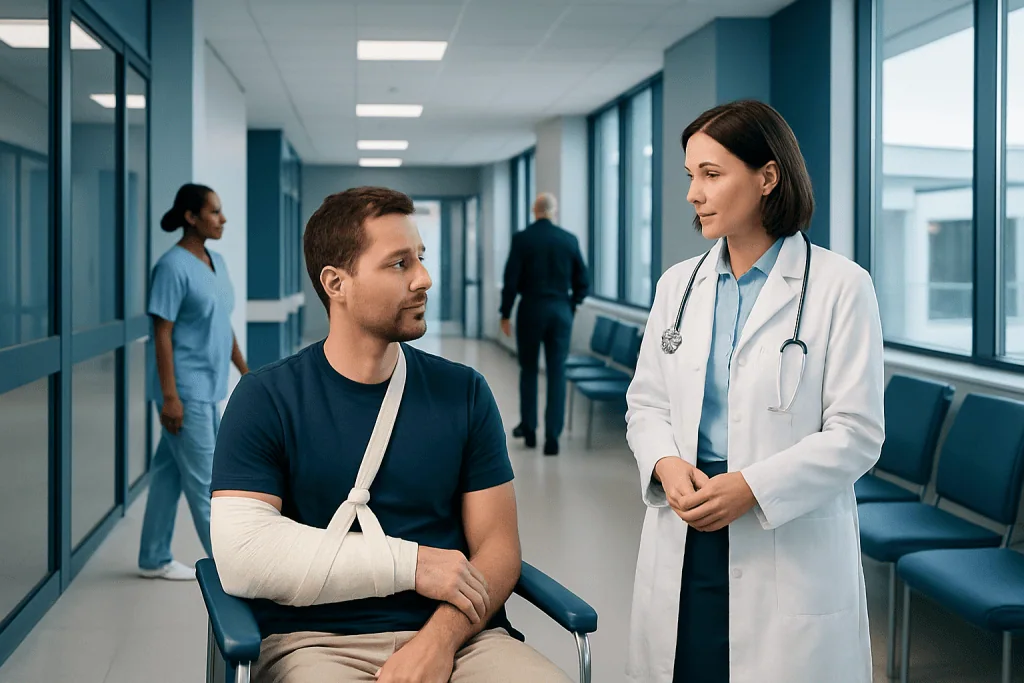
A dislocated elbow needs prompt medical assessment and should not be put back into place outside a clinical setting. Many uncomplicated elbow dislocations improve substantially in 6–12 weeks, but residual stiffness may take several months to settle.
Key Takeaways
- A dislocated elbow needs prompt medical assessment and should not be put back into place outside a clinical setting.
- Many uncomplicated elbow dislocations improve substantially in 6–12 weeks, but residual stiffness may take several months to settle.
- Early guided movement, when advised by the treating clinician, helps reduce stiffness without compromising joint stability.
- Fractures, major ligament injuries, nerve or blood-vessel problems, and recurrent instability can extend recovery and may require surgery.
- Persistent loss of motion, worsening pain, numbness, color change, or a cold hand requires urgent medical review.
Dislocated elbow recovery time varies with the severity of the injury, associated fractures or ligament damage, and how quickly safe movement begins. A simple elbow dislocation may regain useful function within several weeks, while full comfort, strength, and range of motion can take months.
Overview: How Long Does a Dislocated Elbow Take to Recover?
Dislocated elbow recovery time is commonly about 6–12 weeks for everyday use after an uncomplicated injury, although full motion, strength, and confidence in the arm may continue to improve for several months. The exact timeline depends on whether the elbow was a simple dislocation or whether there were accompanying fractures, torn ligaments, cartilage injury, or nerve and blood-vessel concerns.
An elbow dislocation occurs when the bones forming the joint are forced out of their normal alignment. It often follows a fall onto an outstretched hand, a sports injury, or a high-impact accident. Most are posterior dislocations, meaning the forearm bones move backward relative to the upper-arm bone.
Prompt reduction—gently returning the joint to its correct position—protects the tissues around the elbow and allows clinicians to assess stability. Recovery then focuses on pain control, short-term protection, and a carefully timed return to movement. The elbow is particularly prone to stiffness, so rehabilitation is an important part of recovery.
What Happens During Elbow Dislocation Treatment?
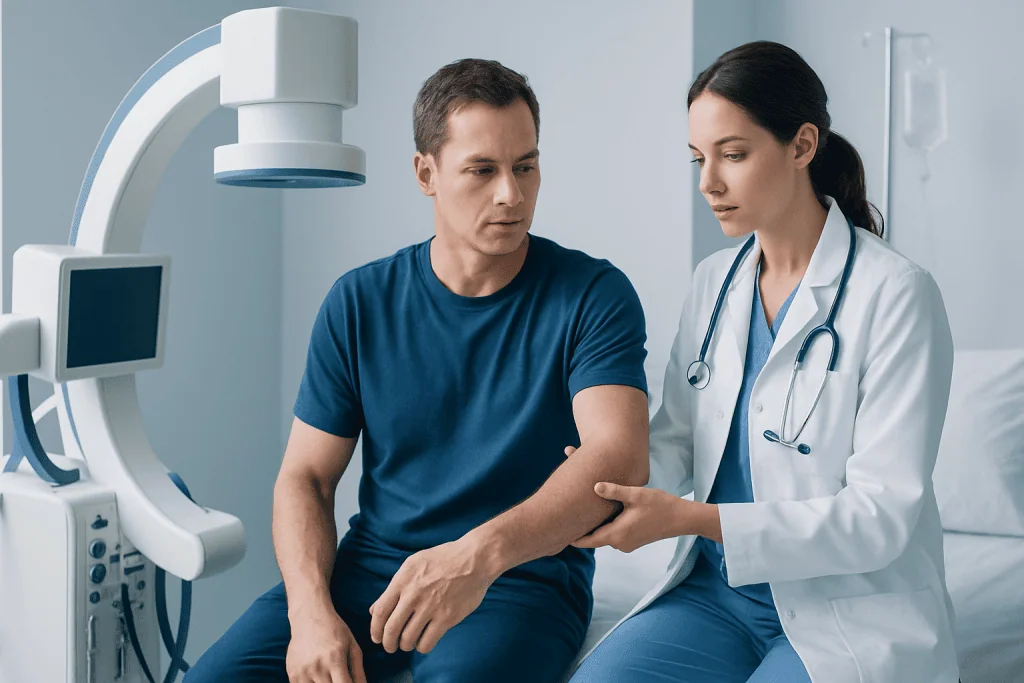
Initial care begins with an examination of the arm, hand circulation, sensation, and movement. X-rays are usually taken to confirm the dislocation and look for fractures. In selected injuries, CT or MRI may help define fractures, cartilage damage, or ligament injury and guide treatment planning.
The procedure to reposition the joint is called a closed reduction. After pain relief, sedation, or anesthesia as appropriate, a trained clinician applies controlled traction and maneuvers to restore alignment. The elbow is then examined again and imaged to confirm that the joint is properly positioned.
For a stable simple dislocation, treatment usually involves a sling, splint, or hinged brace for a short period followed by supervised exercises. If the joint remains unstable, a fracture is present, or important ligaments are severely damaged, surgical stabilization may be considered. Elbow surgery may involve repairing bone or soft-tissue structures to restore a stable joint and enable rehabilitation.
Candidates for surgery are not defined by pain alone. The decision is based on joint stability, imaging findings, functional demands, associated injuries, and the person’s overall health. An orthopedic specialist explains the expected benefits, limitations, and alternatives for the individual injury.
Dislocated Elbow Recovery Timeline: Week by Week
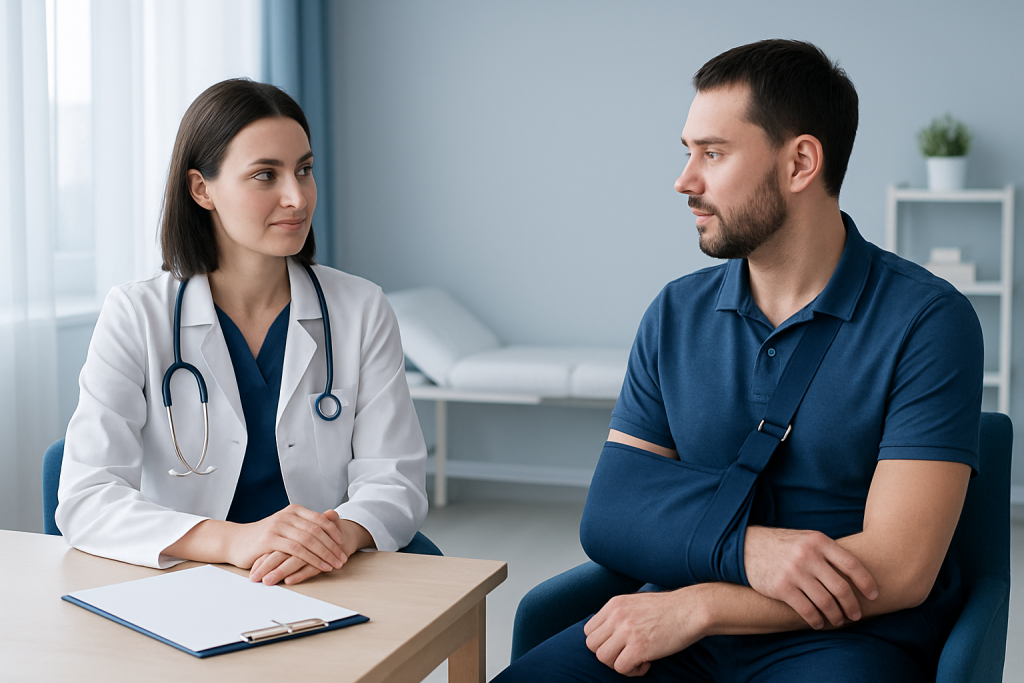
First week: Pain, swelling, bruising, and a sense of tightness are expected after reduction. The arm is protected in the position advised by the treating team. Elevation, prescribed or recommended pain relief, and hand and finger movement may help comfort and swelling. The hand should remain warm and normally colored, and sensation should be monitored.
Weeks 1–3: Follow-up visits assess whether the elbow remains aligned and stable. For many stable simple dislocations, clinicians begin gentle, protected range-of-motion exercises relatively early. The exact timing varies; keeping an elbow immobilized for too long can increase stiffness, while moving an unstable elbow too soon can risk further injury.
Weeks 3–6: Swelling generally decreases and daily activities become easier. Physical therapy may focus on gradually improving bending, straightening, and forearm rotation while protecting healing ligaments. Light functional use may be possible, but lifting, pushing, pulling, impact activities, and contact sports are typically restricted until the clinician confirms that they are safe.
Weeks 6–12: Many people regain practical use of the arm during this period. Strengthening exercises may be added when motion and stability permit. Some loss of full extension or discomfort at the end of movement is common, especially after a more severe injury. Return to physically demanding work or sport should be individualized rather than based on the calendar alone.
After 3 months: Motion and strength can continue to improve for many months. People with fractures, surgery, marked stiffness, recurrent instability, or complex injuries may need a longer program. Regular follow-up is useful when progress stalls or the elbow feels unstable.
Can a Dislocated Elbow Heal in a Week?
A dislocated elbow can be put back into position on the day of the injury, but it does not fully heal in one week. In the first week, pain and swelling may begin to improve, yet the ligaments, joint capsule, and other soft tissues are still healing.
Some people with a stable simple dislocation can start gentle movement within days or a few weeks under medical guidance. However, returning to unrestricted activity after only one week may place the healing elbow at risk of stiffness, recurrent instability, or further injury. Follow the rehabilitation plan provided by the orthopedic team.
What Is the Most Common Complication After an Elbow Dislocation?
Elbow stiffness, particularly difficulty fully straightening the arm, is the most common complication after an elbow dislocation. Swelling, scar formation, temporary immobilization, pain-related guarding, and injury to the joint capsule and ligaments can all limit motion.
Appropriately timed exercises and physical therapy can reduce the risk of lasting stiffness. Other possible complications include persistent instability, nerve irritation, blood-vessel injury, fractures that were not initially apparent, heterotopic ossification (extra bone formation in soft tissues), and post-traumatic arthritis. These are not inevitable, but they are reasons for careful follow-up.
Existing elbow conditions can also influence recovery. For example, elbow arthritis may contribute to pain or restricted movement and should be considered when symptoms persist beyond the expected healing phase.
Will My Elbow Ever Be the Same After Dislocation?
Many people recover a stable, comfortable elbow and return to normal daily activities after a simple dislocation. However, the elbow may not feel exactly the same for some time. Mild stiffness, reduced ability to fully straighten, occasional aching with heavy activity, or reduced confidence during sport can persist while tissues and strength recover.
Outcomes are usually influenced by the original injury pattern. A simple, stable dislocation generally has a better outlook than one involving fractures, major ligament disruption, prolonged immobilization, or nerve and blood-vessel injury. Following the prescribed movement and strengthening plan is one of the most useful ways to support function.
Recovery goals should be practical and personalized. Full range of motion is desirable, but a small remaining loss of extension may not significantly affect daily tasks. An orthopedic clinician or physiotherapist can help identify whether remaining symptoms are expected or need additional assessment.
Why Can’t I Straighten My Elbow After Dislocation?
Difficulty straightening the elbow is often caused by swelling, pain, tightness in the healing joint capsule and muscles, or scar tissue after injury. This is common early in recovery and may gradually improve with safe, progressive exercises.
A mechanical block from a fracture fragment, joint incongruity, severe scar tissue, extra bone formation, or ongoing instability can also restrict movement. For this reason, a person should not force the elbow straight or use aggressive stretching without guidance, particularly in the early healing period.
If straightening becomes harder rather than easier, the elbow locks, pain increases, or progress stops despite rehabilitation, medical review is appropriate. Repeat imaging or a specialist assessment may be needed to identify the cause and tailor treatment.
Self-Care, Rehabilitation, and When to Seek Medical Care
Rehabilitation should follow the treating clinician’s instructions because each dislocation has different stability requirements. Keeping follow-up appointments, doing prescribed exercises consistently, avoiding premature heavy lifting or contact sports, and protecting the elbow from another fall are sensible steps. Smoking cessation, balanced nutrition, and adequate sleep may also support general tissue healing.
Seek urgent medical care after an elbow injury if the joint appears deformed, the arm cannot be moved, or there is severe pain. After reduction, urgent assessment is needed for a cold, pale, blue, or increasingly swollen hand; numbness or weakness; worsening pain; fever or wound concerns after surgery; or a feeling that the elbow has slipped out again.
Non-urgent review is still important for persistent stiffness, reduced extension, ongoing instability, or difficulty returning to work and daily activities. Acibadem International’s multidisciplinary orthopedic and rehabilitation specialists at JCI-accredited hospitals assess and treat elbow injuries for international patients, with care plans guided by the injury pattern and recovery goals.
Frequently asked questions
How long should an elbow be immobilized after a dislocation?
The duration of immobilization depends on elbow stability and whether there are fractures or ligament injuries. Stable simple dislocations are often protected for only a short period before guided movement begins, because prolonged immobilization can worsen stiffness. The treating orthopedic clinician should determine the timing.
When can a person return to work after an elbow dislocation?
Return to work depends on pain, range of motion, arm dominance, job demands, and joint stability. Desk-based work may be possible sooner than work involving lifting, climbing, repetitive arm use, or manual labor. A clinician can recommend suitable restrictions and a safe return plan.
Can physical therapy improve elbow motion after dislocation?
Yes. Physical therapy can help restore bending, straightening, forearm rotation, strength, and confidence in using the arm. Exercises must be matched to the healing stage and stability of the elbow, so they should be prescribed or reviewed by a qualified professional.
Is it normal for the elbow to click after a dislocation?
Mild clicking can occur as swelling decreases and movement returns, but it should not be ignored if it is painful or accompanied by locking, catching, or a feeling of instability. These symptoms may require an examination and sometimes imaging. A clinician can determine whether the clicking is part of normal recovery.
Can an elbow dislocate again?
Some people develop recurrent instability, especially after substantial ligament injury or an early return to high-risk activities. Proper rehabilitation and following activity restrictions can help reduce this risk. Repeated slipping, giving way, or dislocation requires orthopedic assessment.
What should someone avoid during dislocated elbow recovery?
They should avoid trying to relocate the elbow themselves, forcing it straight, lifting or pushing before clearance, and returning to contact sports too early. It is also important not to stop prescribed rehabilitation simply because pain has improved. Progression should be based on clinical guidance, stability, and function.
References
- American Academy of Orthopaedic Surgeons
- American Society for Surgery of the Hand
- National Institute of Arthritis and Musculoskeletal and Skin Diseases
- Merck Manual Consumer Version
This article is for general information only and is not a substitute for professional medical advice. Please consult a qualified doctor about your individual situation.
Joint and spine care in Turkey — expert assessment & treatment
JCI-accredited · board-certified surgeons · reply within 24h
Add us as a Preferred Source to see more of our trusted health content across Google Search, AI Overviews and Discover.

More from the Health Library

Related Specialists
Prof. Dr. Alp Demireller
Otorhinolaryngology
Prof. Dr. Mehmet Ada
Otorhinolaryngology
Prof. Dr. Ata Can Atalar
Orthopedic Surgery & Traumatology
Dr. Canan Savaş İyigün
Dermatology