Displacement: What Patients Need to Know

Displacement is a general medical term for a structure that has moved from its normal position. It can affect bones, joints, teeth, organs, or medical devices, and symptoms vary by location.
Key Takeaways
- Displacement is a general medical term for a structure that has moved from its normal position.
- It can affect bones, joints, teeth, organs, or medical devices, and symptoms vary by location.
- Pain, swelling, deformity, limited movement, or numbness may suggest a significant displacement.
- Diagnosis often involves a physical exam and imaging such as X-ray, ultrasound, CT, or MRI.
- Treatment depends on the cause and may range from rest and bracing to reduction procedures or surgery.
- Urgent care is important if displacement follows trauma or affects circulation, breathing, or nerve function.
Displacement means a body structure has moved out of its usual position. In healthcare, it most often refers to a bone, joint, tooth, organ, or implanted device that has shifted and may need evaluation, imaging, and treatment depending on the cause.
Overview: what displacement means in medicine
Displacement is a broad medical term that means something in the body has shifted away from its normal position. Patients often hear this word in imaging reports, emergency care, dentistry, orthopedics, or surgery. By itself, the term does not name a disease. Instead, it describes a finding that helps doctors explain what has changed and what kind of treatment may be needed.
In everyday clinical practice, displacement commonly refers to a fractured bone that is no longer aligned, a joint that has moved out of place, a tooth that has shifted, or an organ or tissue that has been pushed or pulled from its usual location. It can happen suddenly after an injury, or gradually because of wear, inflammation, growths, pregnancy, or underlying disease.
The seriousness of displacement depends on what structure is affected and how far it has moved. A small displacement may cause mild symptoms and be managed conservatively, while a major displacement can affect blood flow, nerves, organ function, or mobility and may require urgent treatment. This is why the same word can describe very different situations, from a simple finger injury to a more complex spinal or abdominal problem.
Common types of displacement and how they affect the body
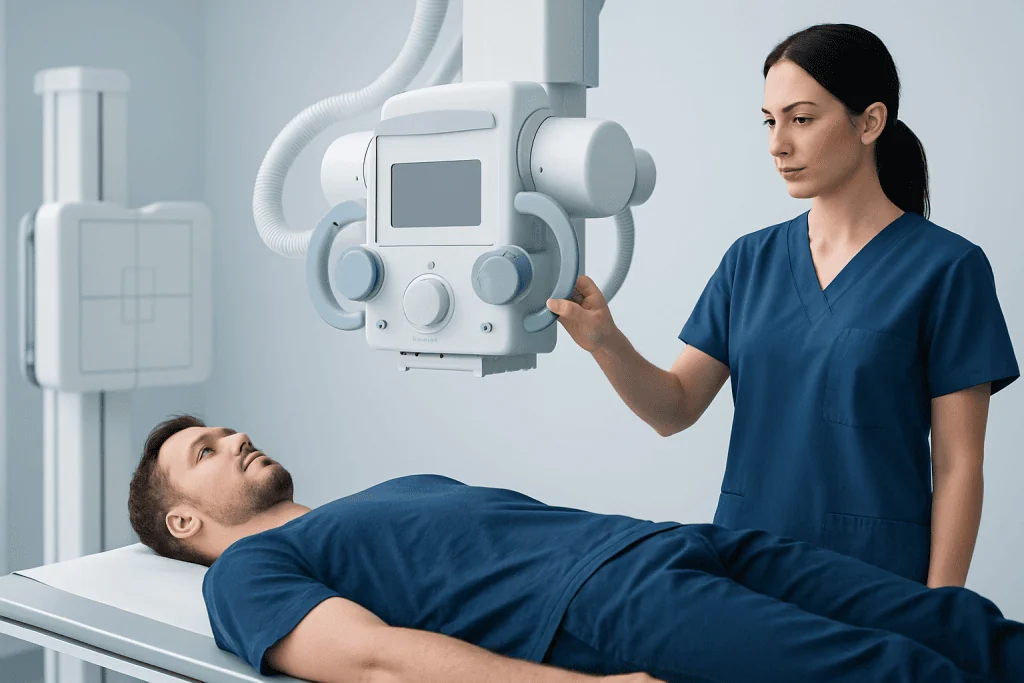
One of the most common uses of the term is in bone and joint injuries. A displaced fracture means the broken bone ends are no longer in proper alignment. A dislocated joint is another form of displacement in which the bones forming a joint are forced out of their normal relationship. These injuries are often painful and can make movement difficult or impossible.
Displacement can also occur in the spine, where a vertebra may shift relative to another. In some people, this may lead to back pain, stiffness, or nerve-related symptoms if nearby structures are compressed. Joint and spinal problems may overlap with conditions such as scoliosis or other musculoskeletal disorders, but the exact diagnosis depends on examination and imaging.
Outside the musculoskeletal system, displacement can describe movement of organs, tissues, or medical devices. Examples include a tooth displaced by trauma, a hernia in which tissue moves through a weak area, or a catheter, stent, or implant that changes position. In obstetrics and gynecology, the word may be used for uterine or pelvic organ movement. Because the same term is used in different specialties, patients benefit from asking exactly what structure is displaced and what that means for function and treatment.
Symptoms of displacement

Symptoms depend on where the displacement occurs. Pain is common, especially when bones, joints, ligaments, or muscles are involved. Swelling, bruising, tenderness, visible deformity, and reduced range of motion are also frequent after injury. Some people describe a sudden pop, shift, or feeling that something is no longer in the right place.
Nerve or circulation symptoms are especially important. Numbness, tingling, weakness, pale or cool skin, or severe swelling can suggest that a displaced structure is pressing on nerves or blood vessels. When displacement affects the spine, symptoms may include pain radiating into the arms or legs, changes in sensation, or muscle weakness.
If organs or internal tissues are involved, symptoms may be less visible. Patients may notice pressure, fullness, changes in bowel or bladder function, swallowing difficulty, shortness of breath, or new discomfort with activity. Some displacements are found incidentally on imaging done for another reason. Even then, treatment decisions are based not only on the image but also on symptoms, physical findings, and overall health.
- Pain that worsens with movement or weight-bearing
- Swelling, bruising, or tenderness
- Visible deformity or an abnormal position
- Restricted motion or inability to use the area normally
- Numbness, tingling, weakness, or color changes
- Pressure symptoms if an internal structure has shifted
Causes and risk factors
Trauma is a leading cause of displacement. Falls, sports injuries, traffic accidents, twisting injuries, and direct blows can shift bones and joints or damage the tissues that normally keep structures stable. Repetitive strain can also contribute over time, especially in athletes or people whose work involves lifting, overhead movements, or awkward body positions.
Age-related changes are another common factor. As bones become less dense and connective tissues lose strength or elasticity, the body may be more vulnerable to fractures, joint instability, or spinal slippage. Osteoporosis, arthritis, and chronic inflammation can all make displacement more likely or more complicated. Structural variation from birth may also play a role in some people.
Other risk factors depend on the body system involved. Dental trauma can displace a tooth. Pregnancy, childbirth, chronic constipation, or heavy lifting can contribute to certain pelvic or abdominal shifts. Prior surgery or the presence of an implant may increase the possibility of device movement. In some cases, a tumor, infection, or severe tissue swelling can push nearby structures out of place, which is why persistent or unexplained symptoms should be medically assessed.
How doctors diagnose displacement
Diagnosis begins with a medical history and physical examination. The doctor asks when symptoms started, whether there was an injury, what movements make symptoms worse, and whether there are warning signs such as numbness or weakness. On examination, they look for alignment changes, swelling, tenderness, instability, and signs that nerves or blood vessels may be affected.
Imaging helps confirm the diagnosis and measure severity. X-rays are often used first for suspected fractures, dislocations, or spinal alignment problems. Ultrasound may help assess soft tissues or certain internal structures. CT scans can provide more detailed views of bone or trauma-related injuries, while MRI is often used when ligaments, discs, nerves, or other soft tissues need closer evaluation.
Sometimes doctors use additional tests based on the suspected cause. A dental exam, neurological evaluation, or specialist assessment may be needed. If the displacement is related to a broader condition, the doctor may also evaluate bone health, joint stability, or inflammatory disease. In many cases, the goal is not only to identify the shift itself but to understand why it happened and whether it is affecting surrounding structures.
Treatment options for displacement
Treatment depends on the location, severity, cause, and the patient’s overall health. Some mild cases can be managed with rest, activity modification, ice, elevation, supportive braces or splints, and pain relief recommended by a doctor. The aim is to reduce discomfort, protect the area, and allow healing while monitoring for complications.
More significant displacement may need a procedure to restore alignment. For bones and joints, this can mean a manual reduction or surgery if the structure is unstable, severely displaced, or associated with tissue injury. After realignment, immobilization and follow-up imaging are often needed. In some situations, orthopedic surgery is considered to stabilize fractures, repair soft tissues, or correct joint problems.
When displacement affects the spine or causes nerve symptoms, doctors may recommend physical therapy, bracing, injections, or surgery depending on the underlying problem. Some patients benefit from physical therapy and rehabilitation to improve strength, flexibility, posture, and safe movement patterns during recovery.
If an internal organ, implant, or another structure has shifted, treatment is tailored to that specific issue. This may involve observation, repositioning, repair, or replacement. Care is often multidisciplinary. Near the end of the care pathway, some patients may be referred to specialists in spine surgery or other fields if symptoms persist or there is a risk to function. Acibadem International’s multidisciplinary specialists and JCI-accredited hospitals diagnose and treat displacement-related conditions for international patients when advanced evaluation is needed.
Recovery, prevention, and self-care
Recovery time varies widely. A minor displacement may improve within days or weeks, while a displaced fracture, joint injury, or spinal condition may need a longer period of healing and rehabilitation. Following the treatment plan matters. Using a brace or sling correctly, attending follow-up visits, and returning to activity gradually can help lower the risk of reinjury or chronic instability.
Self-care after diagnosis usually focuses on protecting the area and reducing strain. Patients are often advised to avoid movements that worsen pain, use prescribed supports, and begin exercises only when the clinician says it is safe. Good nutrition, adequate sleep, and stopping smoking if applicable can support tissue healing. If a clinician recommends rehabilitation, regular participation is often a key part of recovery.
Prevention is not always possible, but risk can often be reduced. Strength training, balance work, proper sports technique, seatbelt use, safe lifting habits, and fall prevention are helpful in many settings. Managing bone health is important, especially in older adults. For people with ongoing back or joint symptoms, early evaluation may help identify instability before a more serious displacement develops. Related musculoskeletal issues such as herniated disc may also need attention when pain or nerve symptoms are present.
When to seek medical care
Medical evaluation is recommended whenever displacement is suspected after an injury, especially if there is severe pain, visible deformity, or difficulty moving the affected area. Prompt assessment is also important if symptoms are getting worse rather than better, or if a previously treated injury seems to have shifted again.
Urgent care is needed if there is numbness, weakness, color change, loss of pulse, severe swelling, trouble breathing, loss of bladder or bowel control, or a suspected neck or spinal injury. These symptoms may indicate damage to nerves, blood vessels, or other vital structures. Patients should avoid trying to force a bone or joint back into place on their own.
For less urgent concerns, a scheduled appointment with a primary care doctor, orthopedist, dentist, or another appropriate specialist can help clarify the cause and next steps. Early diagnosis often makes treatment more straightforward and can reduce the chance of long-term problems.
Frequently asked questions
What does displacement mean in a medical report?
In a medical report, displacement means a body structure has moved from its normal position. It does not always mean a medical emergency, but the importance depends on what has shifted and whether nearby tissues, nerves, or blood vessels are affected.
Is displacement the same as a dislocation?
Not exactly. Dislocation is a specific type of displacement involving a joint, where the bones are no longer in their normal alignment. Displacement is a broader term and can also refer to bones, teeth, organs, tissues, or medical devices.
Can displacement heal on its own?
Some mild cases may improve with rest, protection, and time, especially if the shift is small and the area remains stable. However, many cases need medical evaluation to be sure healing is safe and that alignment, nerve function, and circulation are preserved.
How is displacement diagnosed?
Doctors usually diagnose displacement through a physical exam and imaging. Depending on the problem, this may include X-rays, ultrasound, CT, or MRI to show the position of the affected structure and any associated injury.
What are the warning signs that displacement is serious?
Warning signs include severe pain, visible deformity, numbness, weakness, cold or pale skin, inability to move the area, or symptoms involving breathing or bladder and bowel control. These can suggest damage to nerves, blood vessels, or vital structures and should be assessed urgently.
What kind of doctor treats displacement?
The right specialist depends on the location and cause. Orthopedists treat many bone and joint problems, while dentists, spine specialists, general surgeons, gynecologists, or emergency physicians may be involved for other forms of displacement.
This article is for general information only and is not a substitute for professional medical advice. Please consult a qualified doctor about your individual situation.
Joint and spine care in Turkey — expert assessment & treatment
JCI-accredited · board-certified surgeons · reply within 24h
Add us as a Preferred Source to see more of our trusted health content across Google Search, AI Overviews and Discover.

More from the Health Library

Glucosuria and glycosuria: A Complete Medical Guide for Patients

Torsemide: An Evidence-Based Guide for Patients

Advantages of flax: A Complete Medical Guide for Patients

Paco2: An Evidence-Based Guide for Patients

Baby Teeth Chart: An Evidence-Based Guide for Patients