Distended Bladder — Explained by Medical Evidence, Not Myths

A distended bladder usually reflects urinary retention, meaning urine remains in the bladder after an attempt to urinate. Sudden inability to pass urine, particularly with pain and lower abdominal swelling, requires urgent medical care.
Key Takeaways
- A distended bladder usually reflects urinary retention, meaning urine remains in the bladder after an attempt to urinate.
- Sudden inability to pass urine, particularly with pain and lower abdominal swelling, requires urgent medical care.
- Causes include prostate enlargement, nerve-related bladder problems, constipation, certain medicines, infection and blockages in the urinary tract.
- Tests such as a bladder scan, urine testing and blood tests can help identify the cause and guide treatment.
- Treatment focuses on safely draining retained urine when needed and addressing the underlying reason for poor bladder emptying.
A distended bladder occurs when urine builds up because the bladder does not empty fully or cannot empty at all. It can cause lower abdominal fullness, pain, weak urine flow or no urine flow, and prompt medical assessment is important when symptoms are sudden or severe.
Overview: What Is a Distended Bladder?
A distended bladder is a bladder that has become unusually enlarged or stretched because it contains more urine than it should. This most often happens when the bladder cannot empty completely, a problem known as urinary retention. In some cases, the person cannot pass urine at all; in others, small amounts of urine may still pass while a substantial volume remains in the bladder.
The bladder is a muscular organ that stores urine made by the kidneys. Normally, signals between the bladder, spinal cord and brain coordinate bladder muscle contraction and relaxation of the urinary sphincter so urine can leave the body. A blockage, weakened bladder muscle, nerve problem or medicine effect can interrupt this process and lead to bladder distension.
Bladder distension may develop suddenly over hours or gradually over weeks or months. Acute urinary retention is often painful and needs urgent treatment. Chronic retention can be less noticeable because the bladder stretches slowly, but it can still affect the urinary tract and kidney function if it is not evaluated.
Symptoms and Signs of Bladder Distension
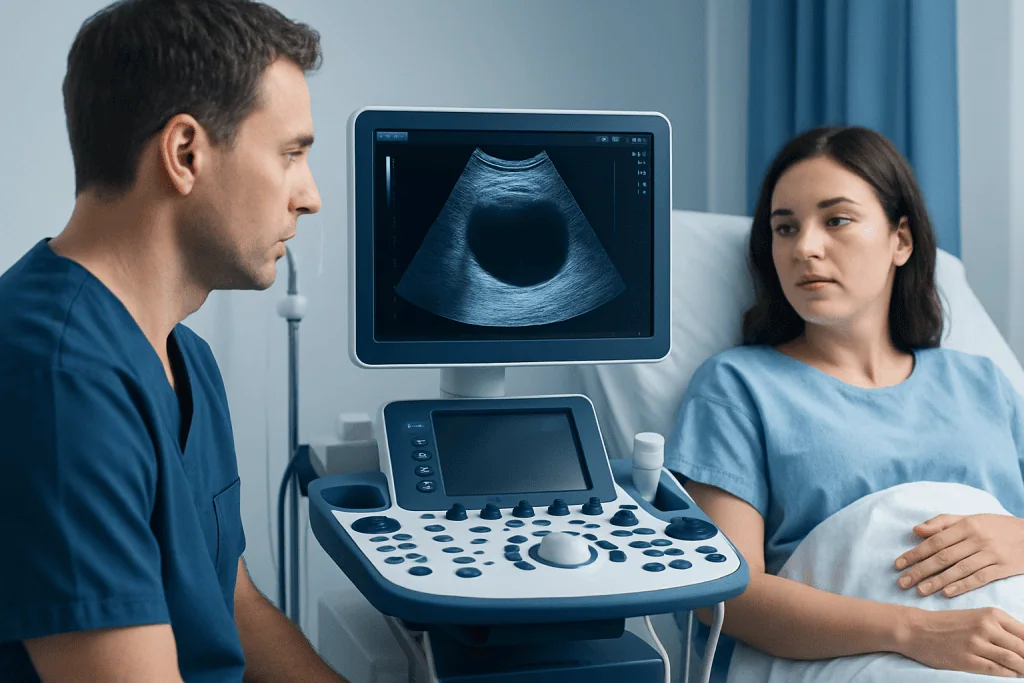
Symptoms vary according to how quickly urine has accumulated and the underlying cause. A person with acute retention may have a strong urge to urinate but be unable to pass urine. They may notice pain, pressure or a firm swelling in the lower abdomen, just above the pubic bone.
Chronic bladder distension can cause more subtle symptoms. These may include a weak, slow or interrupted stream; needing to strain to urinate; frequent trips to the toilet; a feeling that the bladder is not empty after urination; dribbling after urinating; or leakage caused by an overly full bladder, sometimes called overflow incontinence.
Some people also develop recurrent urinary tract infections, discomfort in the pelvis or lower abdomen, or waking often at night to urinate. Symptoms can be different in older adults, people with diabetes, and those with neurological conditions. Not everyone with a high amount of urine left in the bladder experiences pain, so persistent changes in urinary habits deserve medical attention.
- Lower abdominal fullness, tenderness or visible swelling
- Inability to urinate or passing only very small amounts
- Weak stream, hesitancy or straining to begin urination
- Frequent urination, urgency, dribbling or urine leakage
- Cloudy, foul-smelling or bloody urine, which may suggest infection or another urinary condition
Why Does the Bladder Become Distended?

Urine flow can be obstructed anywhere from the bladder outlet to the urethra. In men, benign enlargement of the prostate is a common cause because the prostate surrounds part of the urethra. Prostate inflammation, urethral narrowing from scar tissue, bladder stones, pelvic organ prolapse, severe constipation and, less commonly, a mass affecting the urinary tract can also interfere with emptying.
The bladder may also fail to contract strongly enough. This can happen when nerves that control bladder function are affected by diabetes, spinal cord injury, multiple sclerosis, stroke, Parkinsonism or other neurological disorders. Surgery or anesthesia can temporarily affect bladder sensation and muscle function, particularly after pelvic, abdominal or orthopedic procedures.
Some medicines can contribute to urinary retention, especially in people with existing urinary symptoms. Examples include certain antihistamines, decongestants, antidepressants, antipsychotic medicines, opioid pain medicines and drugs with anticholinergic effects. A clinician should review all prescription medicines, over-the-counter products and supplements; people should not stop prescribed treatment without medical guidance.
Urinary infection can cause swelling, pain and difficulty voiding, while alcohol intoxication or prolonged postponing of urination may reduce awareness of a full bladder. Often, more than one factor is involved, such as prostate enlargement combined with a medicine that further reduces bladder emptying.
How Doctors Assess a Distended Bladder
Assessment begins with a discussion of symptoms, when they started, usual urinary patterns, fluid intake, bowel habits, recent operations and medical history. The clinician may ask about neurological symptoms, diabetes, prostate conditions, pelvic surgery and medications. A physical examination can identify lower abdominal fullness and may include a focused neurological examination or pelvic, rectal or prostate examination when appropriate.
A bladder scan is a quick, noninvasive ultrasound test that estimates the amount of urine in the bladder. It is often used after a person urinates to measure the post-void residual volume. A high residual volume supports incomplete emptying, although the result is interpreted alongside symptoms and the individual’s clinical situation.
Urine tests may check for infection, blood or other abnormalities. Blood tests can help assess kidney function when retention is significant or prolonged. Depending on the suspected cause, clinicians may arrange ultrasound imaging of the kidneys and bladder, urinary flow testing, cystoscopy to view the urethra and bladder, or specialized urodynamic testing to assess pressure and bladder muscle function.
These investigations help distinguish a physical blockage from a bladder muscle or nerve-control problem. Identifying the cause is important because treatment and follow-up differ for each situation.
Treatment Options and Recovery
When a bladder is markedly full and a person cannot urinate, the immediate priority is usually to drain the urine safely. A healthcare professional may place a thin tube called a urinary catheter through the urethra into the bladder. If this is not possible or appropriate, drainage may sometimes be performed through the lower abdomen by a trained clinician. Catheterization can relieve pressure and allows the medical team to measure retained urine.
After initial drainage, treatment focuses on the cause. For example, a clinician may treat a urinary infection, address severe constipation, review medicines that can impair emptying, or prescribe treatment for prostate-related obstruction when indicated. Procedures may be considered for urethral narrowing, stones, significant prostate obstruction or other structural causes. Nerve-related bladder dysfunction may require a tailored plan that can include timed voiding, intermittent self-catheterization training or other bladder-management approaches.
A catheter may be needed only briefly, but some people need ongoing support while the bladder recovers or while investigations continue. The care team will explain catheter hygiene, infection warning signs and follow-up plans if a catheter is used. It is important not to attempt to insert or remove a catheter without appropriate instruction.
Recovery depends on the cause and how long retention has been present. Prompt treatment often improves symptoms, while long-standing overdistension can sometimes weaken bladder muscle function. Follow-up helps confirm that the bladder is emptying adequately and that the kidneys are protected.
Prevention and Everyday Self-Care
Not every cause of a distended bladder can be prevented, but paying attention to urinary changes can help problems be recognized early. Regularly emptying the bladder, rather than repeatedly delaying urination for long periods, may be helpful. People who have reduced bladder sensation because of a neurological condition may benefit from an individualized toileting schedule developed with their healthcare team.
Staying adequately hydrated supports general urinary health, although people with heart, kidney or other conditions that require fluid limits should follow their clinician’s advice. Managing constipation through dietary fiber, fluids when appropriate, activity and recommended treatments may reduce pressure on the bladder outlet. Limiting alcohol when it worsens urinary symptoms can also be useful.
Anyone taking medicines that may affect urination should discuss new hesitancy, weak stream or incomplete emptying with a doctor or pharmacist. This is particularly relevant after starting a new cold remedy, allergy medicine, pain medicine or medication for mood or sleep. A medicine review can often identify manageable contributors without compromising necessary treatment.
People with known prostate enlargement, diabetes or neurological disease should attend recommended reviews and report changes in urinary function. Acibadem International’s multidisciplinary specialists and JCI-accredited hospitals can assess urinary retention and related conditions for international patients when coordinated evaluation is needed.
When to Seek Medical Care
Urgent medical care is needed if a person suddenly cannot urinate, especially if they have increasing lower abdominal pain, swelling or distress. Acute urinary retention can be very uncomfortable and may require prompt bladder drainage. It should not be managed by drinking excessive amounts of fluid or waiting for symptoms to pass.
Medical assessment is also important for fever, chills, vomiting, severe back or flank pain, confusion, visible blood in the urine, or urinary symptoms after a spinal injury or pelvic surgery. These symptoms may indicate infection, a blockage or another problem requiring timely care.
A non-urgent appointment should be arranged for persistent weak flow, straining, frequent urination, recurrent infections, unexplained leakage, or the ongoing sensation of incomplete emptying. Early evaluation can identify causes before they lead to more significant bladder or kidney complications.
Frequently asked questions
Is a distended bladder the same as urinary retention?
A distended bladder is the physical result of the bladder becoming overly full. Urinary retention is the difficulty or inability to empty the bladder that commonly causes this distension. Retention can be complete, with no urine passing, or partial, with urine remaining after voiding.
Can a person have a distended bladder and still urinate?
Yes. With partial or chronic urinary retention, a person may urinate often but only pass small amounts each time. They may also have a weak stream, dribbling or a persistent feeling that the bladder has not emptied.
Is a distended bladder painful?
It can be painful, particularly when urine retention develops suddenly. However, gradual bladder distension may cause little pain or may only cause fullness, frequency or leakage. Lack of pain does not rule out significant retained urine.
Can constipation cause trouble emptying the bladder?
Severe constipation can contribute to urinary retention by putting pressure on the bladder outlet and affecting nearby nerves and muscles. Treating constipation may improve urinary symptoms for some people. Persistent difficulty urinating should still be assessed by a clinician.
What medicines can cause urinary retention?
Some antihistamines, decongestants, opioid pain medicines, antidepressants and medicines with anticholinergic effects can make emptying the bladder more difficult. The effect varies between individuals and is more likely in people with prostate enlargement or pre-existing bladder problems. A doctor or pharmacist can review possible medicine-related causes.
Can a distended bladder damage the kidneys?
Long-standing or severe urinary retention can sometimes increase pressure within the urinary system and affect kidney function. This risk depends on the cause, the degree of retention and whether urine is backing up toward the kidneys. Timely assessment and treatment help reduce the chance of complications.
This article is for general information only and is not a substitute for professional medical advice. Please consult a qualified doctor about your individual situation.
Explore treatments in Turkey — costs, top hospitals & a free quote
JCI-accredited · board-certified surgeons · reply within 24h
Add us as a Preferred Source to see more of our trusted health content across Google Search, AI Overviews and Discover.

More from the Health Library

Emotional Damage Meme: An Evidence-Based Guide for Patients

When General Symptoms Need Medical Attention: Fatigue, Weight Change, Fever, and More

Bacteria: What Patients Need to Know

Apple Cider Vinegar and Gastric Reflux — Explained by Medical Evidence, Not Myths
Herbst Appliance — Explained by Medical Evidence, Not Myths