Distichiasis — Explained by Medical Evidence, Not Myths

Distichiasis means extra eyelashes grow in an abnormal position along the eyelid margin. It may be present from birth or develop later because of eyelid inflammation, scarring, or other eye conditions.
Key Takeaways
- Distichiasis means extra eyelashes grow in an abnormal position along the eyelid margin.
- It may be present from birth or develop later because of eyelid inflammation, scarring, or other eye conditions.
- Symptoms range from none at all to irritation, redness, tearing, and corneal injury.
- Diagnosis is usually made with an eye examination, often using a slit lamp.
- Treatment depends on symptoms and may include lubricating drops, lash removal, or procedures to prevent regrowth.
- Prompt medical care is important if there is pain, blurred vision, or signs of corneal damage.
Distichiasis is a condition in which an extra row of eyelashes grows from the eyelid margin, often from the openings of the oil glands. Some people have no symptoms, while others develop irritation, tearing, light sensitivity, or damage to the surface of the eye if the lashes rub against it.
What distichiasis is
Distichiasis is an eyelid condition in which an extra row of eyelashes grows from an abnormal location, usually near the openings of the meibomian glands along the eyelid margin. These lashes may be soft and barely noticeable, or they may be stiff enough to rub against the eye. The condition can affect one or both eyes and may involve the upper lids, lower lids, or both.
Medical evidence shows that distichiasis is not simply a cosmetic issue. In some people it causes little or no discomfort, but in others the misplaced lashes repeatedly brush the conjunctiva or cornea, leading to irritation and surface injury. The severity depends on the number of abnormal lashes, their direction, and whether they touch the eye.
Distichiasis can be congenital, meaning present from birth, or acquired later in life. Congenital forms may occur on their own or as part of a genetic syndrome. Acquired distichiasis is often linked to long-term inflammation or scarring of the eyelid. Because several eyelash and eyelid problems can look similar, professional examination is important to confirm the diagnosis and guide treatment.
How distichiasis affects the eyes
The eyelid margin is a delicate area that helps protect and lubricate the eye. Normal eyelashes grow outward from the skin side of the lid, while the meibomian glands release oils that help stabilize the tear film. In distichiasis, abnormal lashes emerge from the gland openings or nearby tissue, which can interfere with blinking and irritate the eye surface.
When these lashes turn inward or lie close to the cornea, each blink can create repeated friction. Over time, this may lead to redness, a gritty sensation, excessive tearing, and sensitivity to light. If the rubbing continues, the corneal surface can develop scratches, inflammation, or ulceration.
Distichiasis may sometimes be confused with other eyelid conditions. For example, trichiasis refers to normal eyelashes that are misdirected toward the eye, while entropion is an inward turning of the eyelid itself. These conditions can occur separately or together, and an ophthalmologist may need to distinguish among them to choose the most effective treatment.
Symptoms and possible complications

Symptoms of distichiasis vary widely. Some people have only a few fine lashes and no discomfort, while others notice constant irritation. Symptoms often become more noticeable when the lashes are thick, numerous, or directly touching the cornea.
Common symptoms can include:
- A feeling that something is in the eye
- Redness or irritation
- Excess tearing
- Burning or stinging
- Light sensitivity
- Frequent blinking or squinting
- Mucus discharge
- Blurred vision if the cornea becomes affected
If distichiasis is left untreated and the lashes continue to rub the eye, complications may develop. These can include recurrent corneal erosions, abrasions, infection, scarring, and in severe cases reduced vision. Children with significant corneal irritation need particular attention because persistent visual disturbance can affect normal visual development.
Causes and risk factors
Congenital distichiasis develops because of abnormal formation of the eyelid structures before birth. It may occur as an isolated finding or as part of a hereditary condition such as lymphedema-distichiasis syndrome. In those cases, a doctor may ask about swelling of the legs, family history, or other features that suggest a broader genetic condition.
Acquired distichiasis tends to result from chronic inflammation, scarring, or damage involving the eyelid margin. Conditions that may increase risk include longstanding blepharitis, cicatrizing conjunctivitis, chemical injury, trauma, or previous infections. Certain autoimmune and inflammatory disorders can also affect the eyelid and conjunctiva in ways that promote abnormal lash growth.
Because distichiasis may coexist with other surface eye problems, the doctor may also evaluate for dry eye, eyelid malposition, or related abnormalities such as trichiasis. Identifying the underlying cause matters, since treatment should address both the extra lashes and any ongoing eyelid disease that may be driving the problem.
How distichiasis is diagnosed
Diagnosis usually begins with a careful medical history and an eye examination. The clinician will ask about symptoms such as tearing, irritation, pain, light sensitivity, and blurred vision, as well as when the problem started and whether it affects one or both eyes. Questions about previous eye disease, surgery, trauma, skin disorders, or autoimmune conditions may also be relevant.
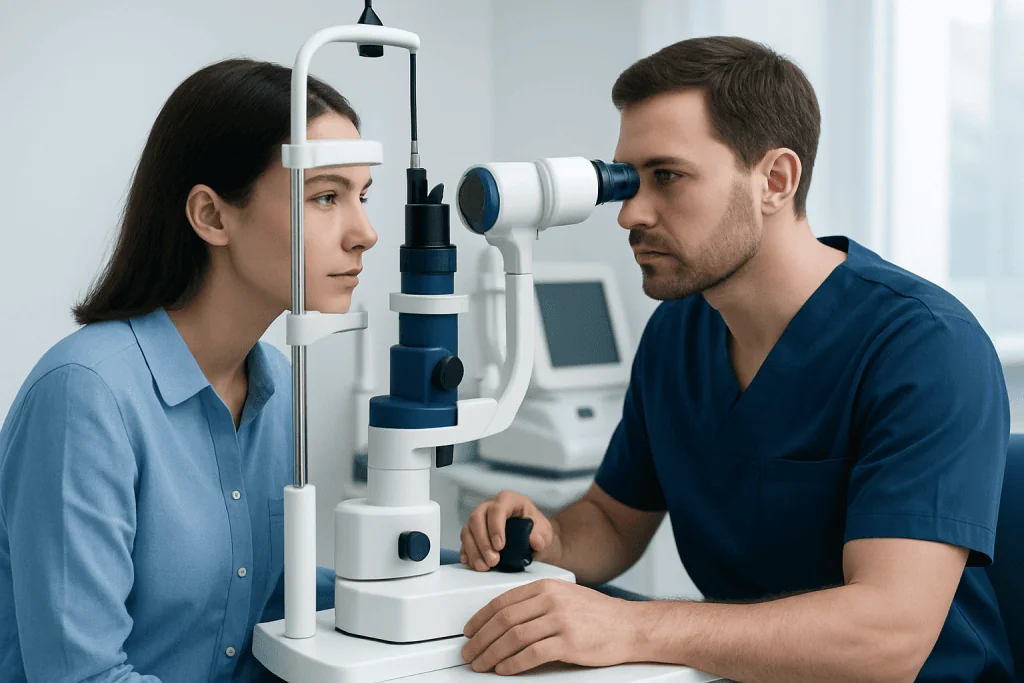
The key part of the assessment is direct inspection of the eyelid margin, often with a slit-lamp microscope. This allows the ophthalmologist to see where the lashes are emerging, how many there are, and whether they are touching the conjunctiva or cornea. The corneal surface may be checked with special dyes to look for scratches or areas of injury.
Additional testing is not always needed, but it may be considered if there is concern about an associated condition. For example, patients with recurrent inflammation may be evaluated for underlying ocular surface disease, and those with congenital distichiasis may sometimes be referred for genetic assessment. When the diagnosis is uncertain or the eye surface is already damaged, consultation with an comprehensive eye examination service can help define the next steps clearly.
Treatment options
Treatment is guided by symptoms, the number and type of abnormal lashes, and whether the cornea is being harmed. Mild cases may only need observation and lubricating eye drops or ointments to reduce friction. However, if the lashes repeatedly touch the eye, they usually need to be removed or permanently treated because simple irritation can become chronic.
Temporary lash removal with forceps, called epilation, can bring quick relief but the lashes often grow back. For recurrent cases, the doctor may recommend procedures that reduce regrowth, such as electrolysis, cryotherapy, or laser treatment directed at the abnormal follicles. In more complex or extensive cases, eyelid surgery may be considered to remove or reposition the affected tissue while preserving normal eyelid function.
If there is corneal injury or significant inflammation, treatment may also include eye surface protection and management of the underlying eyelid disease. People with coexisting eyelid malposition may benefit from assessment for oculoplastic surgery, while those with chronic irritation from surface problems may need broader eye treatment tailored to the cause. The goal is not only to remove the abnormal lashes, but also to protect vision and reduce the chance of recurrence.
Near the end of the care pathway, some patients need follow-up to check for regrowth and monitor corneal healing. Acibadem International’s multidisciplinary specialists and JCI-accredited hospitals diagnose and treat eyelid and ocular surface conditions for international patients when specialist evaluation is needed.
Self-care and prevention of irritation
There is no guaranteed way to prevent congenital distichiasis, but careful eye care can reduce irritation and help prevent complications. People who have been diagnosed with the condition should avoid rubbing the eyes, because rubbing can worsen surface irritation and make symptoms more noticeable.
Helpful self-care measures may include:
- Using lubricating eye drops if advised by a doctor
- Following eyelid hygiene instructions when blepharitis is present
- Protecting the eyes from dust, wind, and smoke
- Attending follow-up visits if lashes have been removed before
- Seeking review promptly if symptoms return after treatment
Prevention also means addressing related eyelid disease early. Chronic inflammation of the lid margin can make symptoms worse and may contribute to acquired forms of the problem. Managing dry eye, blepharitis, or scarring conditions in partnership with an eye specialist can support longer-term comfort and protect the cornea.
When to seek medical care
Medical review is appropriate whenever ongoing eye irritation, tearing, redness, or sensitivity to light suggests that eyelashes may be rubbing against the eye. A clinician should also assess any child suspected of having an eyelash abnormality, since children may not be able to describe symptoms clearly and persistent irritation can affect visual development.
Prompt care is especially important if there is eye pain, worsening redness, blurred vision, discharge, or a feeling of scratching that does not improve. These symptoms may point to corneal involvement, which needs timely treatment to prevent scarring. Anyone with repeated lash regrowth after removal should also return for reassessment, because more lasting treatment may be needed.
People with distichiasis can do well when the condition is recognized early and managed appropriately. Because several eyelid disorders can mimic one another, an expert examination is the safest way to confirm the cause and choose treatment that protects both comfort and vision.
Frequently asked questions
Is distichiasis the same as trichiasis?
No. Distichiasis means an extra row of eyelashes grows from an abnormal location on the eyelid margin, while trichiasis means normal eyelashes are misdirected toward the eye. Both can irritate the eye, but the cause and treatment approach may differ.
Can distichiasis go away on its own?
Distichiasis usually does not disappear on its own. Mild cases may cause few symptoms, but abnormal lashes often persist and may regrow after temporary removal. An eye specialist can advise whether monitoring or active treatment is the better option.
Is distichiasis dangerous for vision?
It can be if the extra lashes repeatedly rub the cornea. Ongoing friction may lead to scratches, inflammation, scarring, or infection, which can affect vision. Early diagnosis and treatment help lower this risk.
How is distichiasis treated permanently?
More lasting treatment may involve procedures aimed at the lash follicles, such as electrolysis, cryotherapy, laser treatment, or eyelid surgery. The best option depends on how many lashes are involved, whether they recur, and whether the eye surface has been damaged. A specialist will balance effectiveness with protection of normal eyelid function.
Can children be born with distichiasis?
Yes. Some children are born with distichiasis, and it may appear on its own or as part of a genetic syndrome. If a child has eye irritation, frequent tearing, or unusual lashes along the eyelid margin, they should be examined by an eye doctor.
What doctor treats distichiasis?
Distichiasis is typically diagnosed and treated by an ophthalmologist. In more complex cases, especially when surgery is needed, an oculoplastic or eyelid specialist may be involved. Ongoing care may also include treatment of related eyelid inflammation or dry eye.
References
- American Academy of Ophthalmology
- National Eye Institute
- MedlinePlus
- Merck Manual Professional Edition
This article is for general information only and is not a substitute for professional medical advice. Please consult a qualified doctor about your individual situation.
Explore treatments in Turkey — costs, top hospitals & a free quote
JCI-accredited · board-certified surgeons · reply within 24h