Dmt Drug: A Complete Medical Overview

DMT is a fast-acting hallucinogen that can cause vivid changes in perception and sense of reality. Its effects are usually brief, but the experience can be overwhelming and unpredictable.
Key Takeaways
- DMT is a fast-acting hallucinogen that can cause vivid changes in perception and sense of reality.
- Its effects are usually brief, but the experience can be overwhelming and unpredictable.
- Risks increase with higher doses, unknown product purity, and use alongside antidepressants, stimulants, alcohol, or other drugs.
- Severe agitation, chest pain, seizures, breathing problems, or confusion after use need urgent medical care.
- Treatment focuses on supportive care, safety, and evaluation for substance use and mental health concerns.
The dmt drug is dimethyltryptamine, a powerful hallucinogen that causes short-lived but intense changes in perception, mood, and thinking. While some people seek it for its psychoactive effects, DMT can also lead to dangerous psychological and physical reactions, especially when mixed with other substances or used by people with underlying mental or medical conditions.
Overview: what the dmt drug is
The dmt drug is dimethyltryptamine, a potent hallucinogenic substance that alters perception, thoughts, and emotions. It can be found naturally in some plants and is also produced synthetically. People may use it by smoking, vaporizing, or in plant-based preparations, but the effects and risks vary widely depending on the form, dose, and whether other substances are involved.
DMT acts quickly, often within minutes, and its main effects are usually short-lived compared with many other hallucinogens. Even so, the experience can feel intense and disorienting. People may report vivid visual changes, a distorted sense of time, strong emotions, and a feeling of being detached from the body or surroundings.
From a medical perspective, DMT is important because it can trigger panic, impaired judgment, accidents, dangerous increases in heart rate or blood pressure, and serious drug interactions. It may also worsen existing mental health conditions in some people. A clear understanding of symptoms, risks, and treatment can help patients and families respond appropriately and seek care when needed.
How DMT affects the brain and body
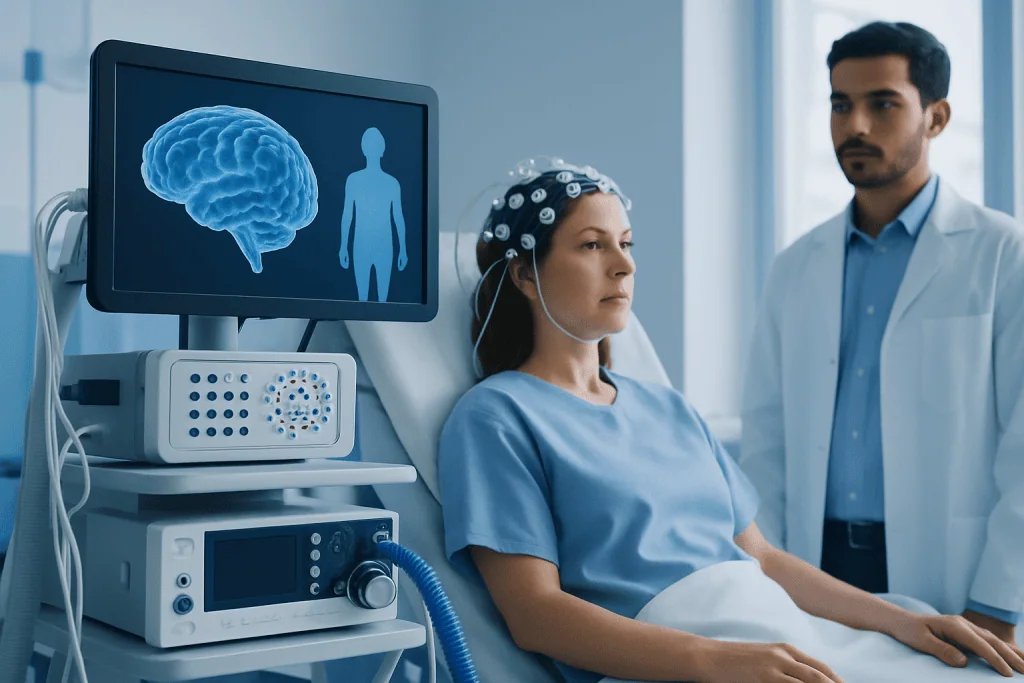
DMT belongs to a group of substances called hallucinogens or psychedelics. It mainly affects serotonin signaling in the brain, particularly receptors involved in mood, perception, and cognition. This is one reason the experience can include altered sensory processing, unusual thoughts, and changes in emotional intensity.
Its effects on the body can include a faster heartbeat, raised blood pressure, dilated pupils, dizziness, sweating, nausea, and poor coordination. Some people also develop tremor, restlessness, or muscle tension. Because the experience may be so absorbing, the person may become less aware of hazards in the environment.
The way DMT is taken matters. Smoked or vaporized DMT usually has a rapid onset and brief duration. When DMT is taken in traditional brews that contain monoamine oxidase inhibitors, the effects can last longer and the risk of interactions can increase. That interaction is medically relevant because combining DMT with certain antidepressants or other serotonergic drugs may contribute to toxic reactions.
Common effects, symptoms, and possible complications

The effects of DMT can vary from mild perceptual changes to a powerful hallucinatory state. Common short-term effects include bright colors, geometric patterns, intensified sounds, a changed sense of time, euphoria, fear, confusion, and difficulty communicating. Some people feel peaceful, while others experience severe anxiety or a sense of losing control.
Physical symptoms may include nausea, vomiting, increased blood pressure, rapid pulse, chest discomfort, sweating, headache, and poor balance. In some cases, people can become agitated, impulsive, or unsafe because judgment is impaired. This can lead to falls, risky behavior, or injury.
Complications are more likely when the product is contaminated, the dose is unknown, or DMT is mixed with other substances. Serious concerns include extreme agitation, hallucination-related distress, seizures, dangerously high body temperature, irregular heart rhythm, and a toxic serotonin reaction. People with a history of psychosis, bipolar disorder, severe anxiety, or cardiovascular disease may be especially vulnerable to harm.
- Psychological effects: panic, paranoia, confusion, dissociation
- Physical effects: rapid heart rate, high blood pressure, nausea, tremor
- Safety risks: falls, accidents, self-harm, unsafe behavior
- Interaction risks: antidepressants, stimulants, alcohol, cannabis, and other drugs
Causes of harm and key risk factors
The main cause of harm from the dmt drug is not a single mechanism but a combination of altered perception, unpredictable potency, and individual vulnerability. Street or informal products may contain impurities or may not contain the expected substance at all. This uncertainty can increase the chance of toxic effects and make emergency treatment more difficult.
Several risk factors raise the likelihood of a dangerous reaction. These include taking a larger amount than intended, using DMT in an unsafe environment, combining it with antidepressants such as SSRIs, SNRIs, or MAO inhibitors, and using it together with stimulants or alcohol. A past history of panic attacks, trauma, depression, bipolar disorder, or psychosis can also increase the chance of severe psychiatric distress.
Medical conditions matter as well. People with uncontrolled high blood pressure, heart disease, seizure disorders, or liver problems may be at greater risk from DMT use. If a person has repeated substance use, compulsive use patterns, or trouble stopping despite harm, clinicians may also evaluate for a broader substance use disorder.
How doctors diagnose DMT-related problems
There is no single bedside test that confirms every case of DMT use in routine practice, so diagnosis often depends on the history, observed symptoms, and a physical examination. Doctors may ask what was taken, how it was used, whether other substances were involved, and when symptoms began. Because patients may be frightened or confused, information from friends, family, or emergency personnel can be helpful.
The medical assessment focuses first on safety. Clinicians check breathing, pulse, blood pressure, temperature, mental status, and signs of dehydration or injury. They also look for conditions that can resemble intoxication, such as low blood sugar, head injury, infection, seizure activity, or other drug effects.
Depending on the situation, tests may include blood work, toxicology screening, heart monitoring, or imaging if there is concern about trauma or another acute problem. If symptoms are severe or persistent, a person may need evaluation by emergency medicine, toxicology, psychiatry, or neurology specialists. In some settings, advanced assessment in a brain check-up may help when ongoing neurological symptoms need clarification.
Treatment options and supportive care
There is no standard antidote that reverses DMT intoxication itself. Treatment is mainly supportive and aims to keep the person safe while the drug’s effects wear off. A calm, low-stimulation environment, reassurance, monitoring of vital signs, and treatment of dehydration or overheating are often central parts of care.
If a person is severely agitated, a danger to self or others, or unable to cooperate with treatment, doctors may use medications to reduce distress and protect safety. Heart rhythm, blood pressure, and body temperature may need close observation. If another drug was taken as well, treatment is adjusted based on the likely interaction and the symptoms present.
After the acute episode, follow-up care can be just as important as emergency treatment. Some people benefit from assessment for anxiety, depression, trauma, or problematic substance use. Depending on the person’s needs, clinicians may recommend psychiatric evaluation, counseling, or structured addiction treatment to reduce the risk of repeated harm. For international patients who need coordinated care, Acibadem International’s multidisciplinary specialists at JCI-accredited hospitals diagnose and treat substance-related and mental health conditions.
Prevention, self-care, and reducing future risk
The safest way to prevent DMT-related harm is not to use the substance. For people who have already used it or are worried about future use, it helps to speak honestly with a healthcare professional. A nonjudgmental discussion can identify interaction risks, mental health concerns, and signs that support may be needed.
Self-care after a distressing episode includes rest, hydration, avoiding alcohol and other drugs, and staying with a trusted person if emotions remain unsettled. If sleep, anxiety, mood changes, or unusual perceptions continue, medical review is important. Ongoing symptoms may point to an underlying mental health issue or another condition that needs attention.
Longer-term prevention may include therapy, substance use counseling, stress management, and treatment for coexisting conditions such as panic disorder or depression. Building a plan for safer coping strategies, social support, and follow-up can lower the risk of repeated intoxication and improve overall well-being.
When to seek medical care
Urgent medical care is needed if someone has chest pain, trouble breathing, a seizure, collapse, severe confusion, violent agitation, very high body temperature, or thoughts of self-harm after using DMT. Emergency help is also important if the person cannot be awakened, has a serious injury, or may have taken multiple substances.
Prompt medical review is also wise when symptoms last longer than expected, new psychiatric symptoms appear, or there is ongoing anxiety, depression, or difficulty functioning after the episode. Family members should seek help if they notice paranoia, unsafe behavior, or major changes in sleep, mood, or judgment.
A doctor can help rule out dangerous complications, identify interacting drugs, and arrange follow-up support. Early evaluation may reduce the risk of repeated episodes and make recovery safer and more manageable.
Frequently asked questions
What is the dmt drug used for?
DMT is primarily known as a hallucinogenic substance rather than a routine prescription medication. People may use it recreationally or in traditional ceremonial contexts, but its effects can be intense and medically risky. Any concerns about use should be discussed with a qualified doctor.
How long do DMT effects last?
When smoked or vaporized, DMT usually starts working within minutes and often lasts a relatively short time. However, the experience can feel much longer to the person using it. Effects may last longer when DMT is taken in preparations that also contain monoamine oxidase inhibitors.
Can DMT cause a bad reaction the first time someone uses it?
Yes. Even first-time use can lead to panic, confusion, dangerous blood pressure changes, injury, or severe psychological distress. Reactions are unpredictable because dose, product purity, setting, and personal health factors all affect the experience.
Is DMT addictive?
DMT is not usually described in the same way as drugs that cause strong physical dependence, but it can still be harmful. Some people develop repeated use patterns, cravings for the experience, or broader substance use problems. If use continues despite harm, medical assessment is a good idea.
What medications can interact with DMT?
DMT may interact with antidepressants and other substances that affect serotonin, especially monoamine oxidase inhibitors. It can also become more dangerous when mixed with stimulants, alcohol, cannabis, or unknown drugs. Because interactions can be serious, a doctor or poison center should be contacted if symptoms appear after mixed use.
When should someone go to the emergency room after using DMT?
Emergency care is needed for chest pain, breathing difficulty, seizures, collapse, severe agitation, high fever, or extreme confusion. It is also important to seek urgent help if there is self-harm risk, major injury, or concern that more than one substance was taken.
References
- World Health Organization
- National Institute on Drug Abuse
- Substance Abuse and Mental Health Services Administration
- MedlinePlus
- Centers for Disease Control and Prevention
This article is for general information only and is not a substitute for professional medical advice. Please consult a qualified doctor about your individual situation.
Explore treatments in Turkey — costs, top hospitals & a free quote
JCI-accredited · board-certified surgeons · reply within 24h
Add us as a Preferred Source to see more of our trusted health content across Google Search, AI Overviews and Discover.
Check your numbers in seconds
BMI, calories, due date, blood pressure and 30+ more clinical calculators — free, instant, doctor-reviewed ranges.

More from the Health Library



Related Specialists

Prof. Dr. Dilaver Erşanlı
Ophthalmology
Prof. Dr. Hüsnü Görgen
Gynecology & Obstetrics
Dr. Abdullah Özel
Pediatric Surgery
Assoc. Prof. Dr. Ayşe Ebru Bahadır
Ophthalmology