Dna Repair Genes: Procedure, Recovery and Results
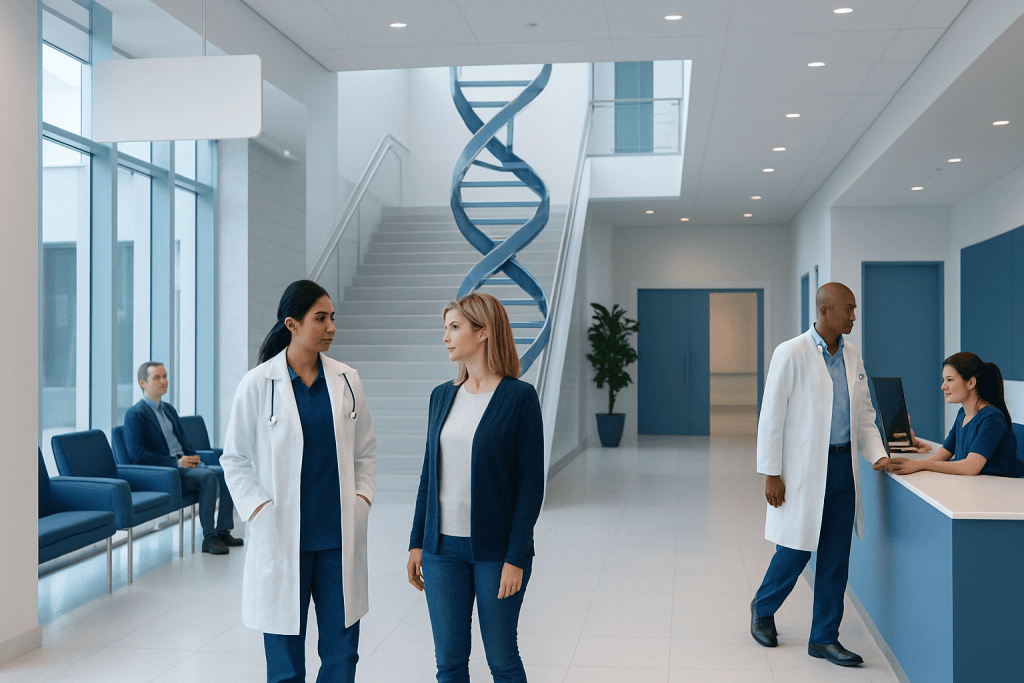
DNA repair is a normal, ongoing cellular process that protects genetic information. Inherited variants in DNA repair genes can increase risk for specific cancers and may affect treatment planning.
Key Takeaways
- DNA repair is a normal, ongoing cellular process that protects genetic information.
- Inherited variants in DNA repair genes can increase risk for specific cancers and may affect treatment planning.
- Genetic testing is usually considered when personal or family history suggests an inherited cancer syndrome.
- Testing involves counseling, consent, a blood or saliva sample, laboratory analysis and careful interpretation of results.
- There is no universal DNA repair protocol or supplement proven to correct a harmful inherited gene variant.
- Follow-up care may include tailored screening, risk-reducing options, family counseling and, when appropriate, targeted cancer treatment.
DNA repair genes provide instructions for proteins that identify and correct damage to DNA. Changes in these genes can raise the likelihood of certain cancers or rare inherited conditions, but a genetic result does not by itself diagnose cancer or predict an individual outcome.
Overview: What Are DNA Repair Genes?
DNA repair genes are genes that provide instructions for proteins involved in finding and repairing damage to DNA. DNA can be damaged during normal cell division and metabolism, and by exposures such as ultraviolet radiation, tobacco smoke, some chemicals and certain medical treatments. In most cells, DNA repair processes work continuously to maintain genetic stability.
Some people inherit a change, also called a variant, in a DNA repair gene. Depending on the gene and the specific variant, this may reduce the cell’s ability to repair particular types of DNA damage and may increase the risk of developing certain cancers. Well-known examples include BRCA1 and BRCA2, which are involved in repair of double-strand DNA breaks.
DNA repair genes are assessed through genetic testing rather than a physical procedure that repairs DNA. The purpose of testing is to clarify whether an inherited variant may explain a personal or family pattern of cancer, inform screening choices, and sometimes help guide treatment if cancer is present.
How DNA Repair Testing Works
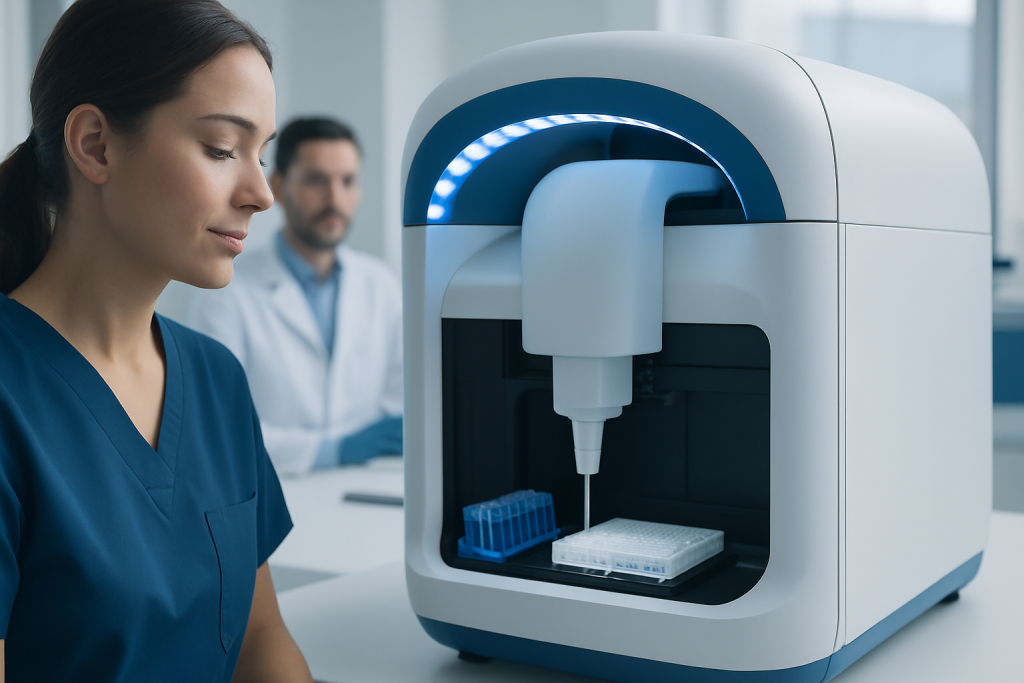
A DNA repair gene test looks for inherited variants in a selected gene or panel of genes. It commonly uses a blood sample or saliva sample. The laboratory analyzes the genetic material and compares it with established reference information to identify variants that may be clinically meaningful.
The most useful testing begins with genetic counseling or an appropriately trained clinician. They review the person’s medical history, relatives’ cancer diagnoses, ages at diagnosis, ancestry where relevant, and whether a relative with cancer has already had testing. This review helps select an appropriate test and explains what the possible results can and cannot show.
Results are generally reported as a pathogenic or likely pathogenic variant, a negative result, or a variant of uncertain significance. A variant of uncertain significance should not usually be used alone to make major medical decisions, because available evidence is not sufficient to determine whether it increases disease risk. Laboratories may later reclassify such variants as scientific knowledge develops.
Who May Be a Candidate for Testing?
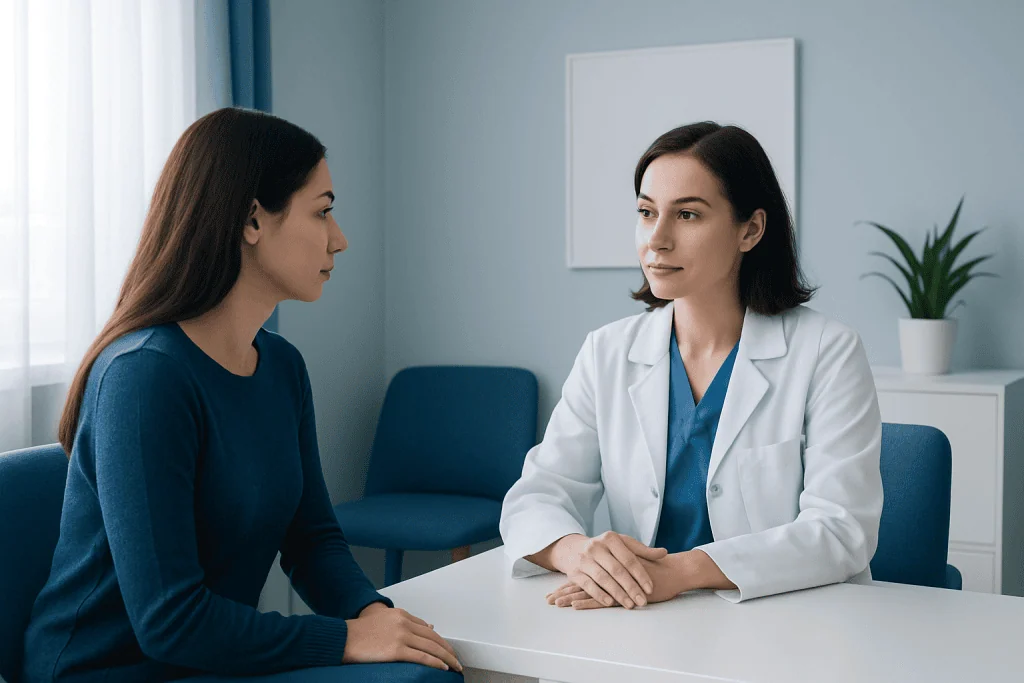
Testing may be considered for a person with cancer diagnosed at an unusually young age, more than one primary cancer, a cancer type associated with inherited syndromes, or a tumor result suggesting a DNA repair pathway may be involved. It may also be appropriate when several close relatives have related cancers, especially across generations.
Examples of situations that can prompt a referral include a family history of breast, ovarian, pancreatic, prostate, colorectal, endometrial or certain other cancers, depending on the pattern. The appropriate genes to assess vary by the person’s history. A clinician or genetic counselor can explain whether testing is likely to provide useful information.
Testing is not routinely necessary for everyone. A negative result may be reassuring in some settings, but it does not remove the usual population risk of cancer and may not explain a strong family history when no known familial variant has been identified. Screening recommendations should always be individualized.
- Personal cancer history and pathology findings may influence test selection.
- Testing an affected family member first can sometimes provide the clearest information.
- Consent should include discussion of possible effects on relatives, privacy and emotional wellbeing.
Step-by-Step: Procedure, Recovery Timeline and Results
Before testing: The clinician gathers a detailed health and family history, discusses benefits and limitations, and obtains informed consent. A person may be offered a focused test for a known family variant or a broader hereditary cancer panel. There is no preparation such as fasting in most cases.
During testing: A blood draw usually takes only a few minutes. For saliva testing, the person provides a sample according to the laboratory instructions. These are low-risk collection methods, and normal activities can usually resume immediately afterward. This is why “recovery” from DNA repair testing is generally limited to brief care of the blood-draw site, if applicable.
After testing: Laboratory turnaround times vary with the test and the need for additional analysis. Results should be reviewed with the ordering clinician or a genetic counselor, who can place them in the context of the person’s medical and family history. If a clinically significant inherited variant is found, close relatives may be offered targeted testing for the same variant.
The main benefit is more informed care planning. Potential limitations include uncertain findings, the possibility of emotional stress, and the fact that genetic testing cannot predict exactly whether or when a person will develop cancer. Supportive counseling can help people make decisions after receiving results.
What Are the Different Stages of DNA Repair?
DNA repair is not one single pathway. Cells use several coordinated mechanisms based on the kind of damage present. In broad terms, repair begins with damage recognition, followed by removal or processing of the damaged DNA, replacement or copying of the correct sequence, and sealing of the repaired strand.
For small, common types of damage, base excision repair and nucleotide excision repair remove altered DNA components and rebuild the affected section. Mismatch repair corrects copying errors that can occur after DNA replication. Double-strand breaks, which affect both DNA strands, may be addressed through homologous recombination or non-homologous end joining.
These DNA repair processes are complex and occur together with cell-cycle checkpoints that may pause cell division while repair takes place. When the damage is too extensive, cells may stop dividing permanently or undergo programmed cell death. This protective response can help prevent damaged cells from continuing to grow.
How Long Does It Take for DNA Repair Enzymes to Work?
DNA repair enzymes can begin responding to damage within seconds to minutes at the cellular level, but the total time needed depends on the type and amount of damage, the repair pathway involved and the cell’s stage of division. Some minor damage may be resolved relatively quickly, while repair of complex DNA breaks can take hours or longer.
There is no practical way for a person to feel DNA repair occurring or to measure it with a home test. The body’s repair capacity is influenced by many factors, including age, overall health, ongoing exposures and inherited genetic differences. A healthy lifestyle supports general health, but it cannot replace a missing or impaired DNA repair function caused by a pathogenic inherited variant.
For people undergoing cancer treatment, tumor cells with certain DNA repair defects may respond differently to specific therapies. Decisions about treatment timing and expected response should be made by an oncology team using the cancer type, stage, tumor testing and the person’s overall health.
What Vitamin Helps With DNA Repair?
No vitamin has been proven to repair a harmful inherited DNA repair gene variant or to serve as a universal DNA repair protocol. Vitamins and minerals are necessary for normal nutrition and many cellular functions, but taking high-dose supplements does not reliably improve DNA repair or prevent cancer in people with inherited cancer risk.
A balanced eating pattern that includes vegetables, fruit, whole grains, legumes, protein sources and healthy fats can help meet nutritional needs. If a deficiency is suspected, a clinician may recommend testing and appropriate treatment. Supplement choices should be discussed with a doctor, particularly for people receiving cancer treatment or taking prescription medicines.
It is also important to avoid known causes of DNA damage where possible. This includes not smoking, limiting alcohol, using sun protection, following recommended vaccination and screening guidance, and maintaining regular physical activity. These measures reduce avoidable health risks but do not eliminate inherited risk.
What Diseases Are Linked to DNA Repair Issues?
DNA repair issues are most often discussed in relation to inherited cancer predisposition syndromes. Variants in different repair genes can be associated with increased risk of breast, ovarian, prostate, pancreatic, colorectal, endometrial and other cancers. The associated risks vary considerably by gene, variant, sex, age and family history.
Some rare inherited disorders involving DNA repair can cause developmental differences, sensitivity to sunlight, immune problems, bone marrow failure or neurological symptoms. Examples include xeroderma pigmentosum, ataxia-telangiectasia and Fanconi anemia. These conditions are uncommon and require specialist assessment and long-term care.
DNA repair abnormalities can also develop only within a tumor rather than being inherited. Tumor testing may identify these changes and help an oncology team evaluate treatment options. For example, selected cancers with defects in homologous recombination repair may be considered for PARP inhibitor treatment when clinically appropriate.
When to Seek Medical Care
A person should speak with a doctor or genetic counselor if they have cancer at a young age, multiple cancers, a close relative with a known inherited gene variant, or a family pattern of cancers that raises concern. Prompt medical assessment is also important for new or persistent symptoms such as an unexplained lump, abnormal bleeding, persistent change in bowel habits, unexplained weight loss or ongoing pain.
Genetic testing is most helpful when its results can be interpreted within a complete clinical picture. A specialist may recommend enhanced screening, referral to oncology, or discussion of preventive options depending on the result and personal circumstances. Individuals should not change screening or treatment plans based on direct-to-consumer genetic results without professional review.
Acibadem International’s multidisciplinary specialists and JCI-accredited hospitals support international patients who need hereditary cancer risk assessment, genetic counseling and coordinated treatment planning.
Frequently asked questions
Are DNA repair genes the same as cancer genes?
DNA repair genes are not cancer diagnoses by themselves. They normally help protect cells by correcting DNA damage, but certain inherited variants can increase the risk of specific cancers. Whether a variant is clinically significant depends on the gene, the exact change and the available evidence.
Can DNA repair genes be repaired with treatment?
Current medical care cannot routinely correct a harmful inherited DNA repair gene variant throughout the body. Care instead focuses on personalized screening, risk reduction, family counseling and treatment selection if cancer develops. Research into gene-based therapies is ongoing, but it is not standard care for most inherited cancer syndromes.
Does a positive DNA repair gene result mean cancer is inevitable?
No. A positive result means a person may have a higher-than-average risk for one or more conditions associated with that gene. It does not mean cancer is certain, and the degree of risk differs among genes and individuals. Personalized surveillance and prevention discussions can help manage risk.
What happens after a negative genetic test?
A negative result may mean no known harmful variant was found in the genes tested. Its meaning depends on whether a specific familial variant was already known and on the person’s personal and family history. Routine screening and any additional monitoring recommended by a clinician should continue.
Can lifestyle changes improve DNA repair?
Avoiding tobacco, protecting skin from excessive ultraviolet exposure, limiting alcohol, eating a balanced diet and staying physically active support overall health. These steps may reduce preventable sources of DNA damage, but they do not correct an inherited gene variant. People with elevated inherited risk may still need tailored screening.
Should family members be tested if a DNA repair gene variant is found?
When a clinically significant inherited variant is identified, close biological relatives may have a chance of carrying the same variant. A genetic counselor can explain who may benefit from targeted testing and what the results could mean. Testing is a personal decision and should be undertaken with informed consent.
References
- National Cancer Institute
- Centers for Disease Control and Prevention
- American Cancer Society
- National Human Genome Research Institute
- World Health Organization
This article is for general information only and is not a substitute for professional medical advice. Please consult a qualified doctor about your individual situation.
Medical weight-loss options in Turkey — costs & eligibility
JCI-accredited · board-certified surgeons · reply within 24h
Add us as a Preferred Source to see more of our trusted health content across Google Search, AI Overviews and Discover.