

Do Babies Dream? A Doctor-Reviewed Answer

Babies spend a large amount of time in active sleep, which is similar to REM sleep and may be linked to dreaming. Sleep smiles, twitches, eye movements, and brief sounds are usually harmless in newborns and infants.
Key Takeaways
- Babies spend a large amount of time in active sleep, which is similar to REM sleep and may be linked to dreaming.
- Sleep smiles, twitches, eye movements, and brief sounds are usually harmless in newborns and infants.
- Doctors look for red flags such as breathing problems, color change, stiffness, repeated rhythmic jerking, or trouble waking.
- If concerning symptoms are present, evaluation may include a medical history, physical exam, and sometimes sleep or neurological testing.
- Parents can support healthy sleep with safe sleep practices and by observing patterns rather than isolated movements.
Yes, babies likely dream, although no one can directly confirm what an infant experiences during sleep. In most cases, smiling, twitching, brief noises, and irregular movements during sleep are normal parts of newborn sleep development rather than signs of illness.
Do babies dream? The short answer
Babies probably do dream, but this cannot be proven in the same way it can be studied in older children and adults. Researchers know that babies spend a great deal of time in active sleep, a sleep stage associated with rapid eye movements, body twitches, and brain activity that may support learning and development.
For parents, the most important point is usually reassuring: most movements, facial expressions, and soft sounds that happen during sleep are normal. A sleeping baby may smile, grimace, suck, flutter the eyelids, jerk the arms or legs, or briefly cry out without this meaning anything is wrong.
Questions usually arise when sleep behavior looks dramatic or unusual. In that situation, it helps to focus less on whether a baby is dreaming and more on whether there are any warning signs such as breathing difficulty, persistent stiffness, repeated rhythmic movements, or color change. If those are absent, the behavior is often part of ordinary infant sleep.
Why experts think babies may dream
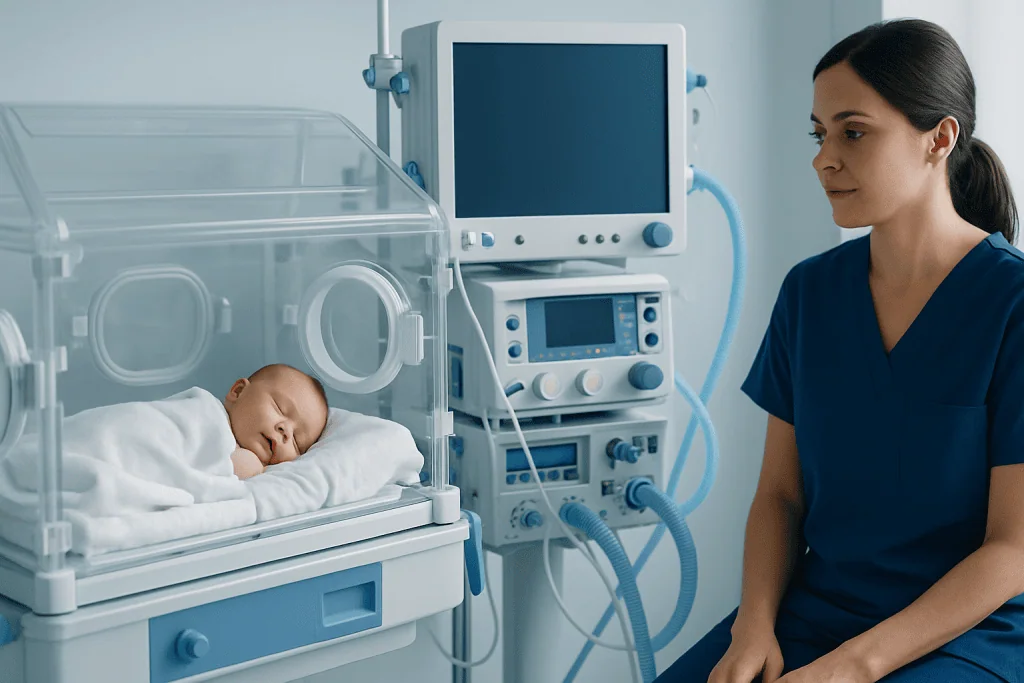
Dreaming is difficult to study in people who cannot describe their experience. Because babies cannot report what they feel or remember, doctors and researchers infer possibilities from sleep stages, brain maturation, and behavior during sleep. Newborns spend a high proportion of sleep time in active sleep, which resembles REM sleep in older people.
REM sleep is the stage most strongly linked with vivid dreaming in adults. During this stage, the brain remains active, the eyes may move under closed lids, breathing can be irregular, and small body movements can occur. In babies, this sleep stage is especially prominent and is thought to play an important role in brain development, sensory processing, and memory formation.
That does not necessarily mean a newborn dreams in the same way an older child does. Infant brains are still developing language, memory, and self-awareness. Many specialists believe any dream-like experience in early infancy is likely to be simple and sensory rather than story-like. Even so, active sleep is considered a normal and healthy part of development.
What normal baby sleep can look like

Newborn sleep is often noisy, active, and unpredictable. Babies commonly cycle between quiet sleep and active sleep, and these cycles are shorter than adult sleep cycles. During active sleep, a baby may move far more than parents expect while still being completely well.
Normal sleep behaviors can include brief smiles, sucking motions, small hand or leg jerks, startles, eyelid fluttering, irregular breathing with short pauses, soft grunts, and momentary fussing. These actions often happen because the nervous system is immature and still learning to regulate sleep and movement.
Some parents worry that twitching means discomfort or a neurological problem. In many cases, it is simply a normal sleep-related movement. However, if movements are repetitive in the same pattern, occur for long periods, happen together with stiffness or unresponsiveness, or continue when the baby is fully awake, medical review is sensible.
- Commonly harmless: brief twitching, smiling, sucking, startle reflex, eyelid fluttering
- Worth closer attention: repeated rhythmic jerking, unusual stiffness, breathing struggle, bluish color, poor feeding, unusual lethargy
When sleep behavior may need medical review
Most unusual-looking sleep behavior in infants is harmless, but certain signs deserve prompt medical attention. A doctor should assess episodes where a baby stops breathing, turns blue or very pale, becomes limp, is hard to wake, or has repeated movements that look seizure-like rather than brief random twitches.
Other red flags include fever in a young infant, poor feeding, vomiting, weak cry, reduced responsiveness, or movements that happen both asleep and awake. Parents should also seek advice if they notice one side of the body moving differently from the other, persistent arching with distress, or episodes that are becoming more frequent or more intense.
Some sleep-related conditions can overlap with neurological symptoms, which is why pattern matters. Brief isolated twitches are common, while sustained, repeated, rhythmic jerking may need evaluation for seizure activity or another underlying issue such as epilepsy. Concerns about snoring, pauses in breathing, or labored breathing during sleep may also lead a clinician to consider sleep-disordered breathing or sleep apnea, although these are assessed in the context of the baby’s age and overall health.
How a doctor evaluates concerning sleep movements
If parents bring a baby in for unusual sleep behavior, the evaluation usually starts with a detailed history. The doctor may ask when the movements began, how long they last, whether they happen only during sleep, what the breathing looks like, whether the baby changes color, and whether feeding, growth, or alertness have changed.
A physical examination helps the doctor check general health, hydration, muscle tone, reflexes, breathing, heart rate, and neurological signs. In many cases, this exam is reassuring and no further testing is needed. A video recorded by parents on a phone can be very helpful because many events do not occur during the appointment.
If symptoms suggest more than normal sleep activity, further tests may be considered. Depending on the findings, these can include developmental assessment, blood tests, brain wave testing such as an EEG, or a monitored sleep study. In selected cases, a child may be referred for EEG testing or a sleep study to distinguish normal infant sleep patterns from seizure activity or breathing-related sleep problems.
Supporting healthy sleep and self-care at home
Parents cannot control whether a baby dreams, but they can support healthy sleep habits and safe sleep conditions. The safest approach is to place babies on their backs to sleep, use a firm flat sleep surface, and keep the sleep area free of loose blankets, pillows, toys, and bumpers. These steps reduce risk and create a more stable sleep environment.
It can also help to learn a baby’s usual sleep pattern before assuming that a movement is abnormal. Keeping a simple log of sleep times, feeding, wakefulness, and unusual events may make patterns easier to recognize. Short video clips of concerning episodes can also help a doctor decide whether the behavior appears normal.
Parents should avoid trying to wake a baby every time they twitch or smile in sleep, since these behaviors are often part of normal sleep cycles. Instead, they can observe the baby’s color, breathing, and responsiveness. If there is any doubt about safety, especially in a newborn or young infant, professional guidance is appropriate.
When to seek medical care
Medical care is recommended if a sleeping baby has pauses in breathing that seem prolonged, works hard to breathe, turns blue, becomes unusually floppy or stiff, or is difficult to wake. Review is also important if episodes involve repeated rhythmic jerking, eye deviation, poor feeding, fever, or a clear change from the baby’s usual behavior.
Urgent care may be needed for severe breathing trouble, persistent color change, or an event that looks like a seizure. If the signs are milder but recurring, parents should arrange a pediatric assessment. A clinician may decide whether monitoring, referral to a specialist, or additional testing is necessary.
For families seeking specialist evaluation, Acibadem International’s multidisciplinary teams in JCI-accredited hospitals assess sleep, neurological, and pediatric concerns in international patients. Depending on the child’s symptoms, the care pathway may involve pediatric review, pediatric neurology consultation, or further pediatric care to clarify whether the sleep behavior is normal development or needs treatment.
Frequently asked questions
Do babies actually dream?
Babies probably do dream, but it cannot be confirmed directly because they cannot describe their experience. Experts base this idea on the large amount of active or REM-like sleep infants have, which is the stage linked to dreaming in older people.
Why does a baby smile or laugh in sleep?
Sleep smiles and brief facial expressions are usually normal, especially in newborns. They may happen during active sleep and do not always mean a baby is responding to a dream in the same way an older child might.
Is twitching during sleep normal in babies?
Yes, small twitches and jerks during sleep are common in infants. They are often related to normal immature nervous system activity, but repeated rhythmic jerking, stiffness, or color change should be checked by a doctor.
Can babies have nightmares?
Older children can have nightmares, but newborns and young infants are not thought to experience them in the same way. Their brains are still developing the memory, language, and imagination needed for more complex dream content.
How can parents tell the difference between normal sleep movements and a seizure?
Normal sleep movements are often brief, irregular, and not associated with color change or poor responsiveness. A seizure may look more repetitive, rhythmic, prolonged, or accompanied by stiffness, eye deviation, breathing change, or unusual behavior afterward.
Should a parent wake a baby who is moving a lot in sleep?
Usually no, because active sleep can include many normal movements and sounds. Instead, parents can watch the baby's breathing, color, and ease of waking, and seek medical advice if anything seems unusual or concerning.
References
- American Academy of Pediatrics
- National Institute of Neurological Disorders and Stroke
- National Sleep Foundation
- American Academy of Sleep Medicine
- MedlinePlus
This article is for general information only and is not a substitute for professional medical advice. Please consult a qualified doctor about your individual situation.
Explore treatments in Turkey — costs, top hospitals & a free quote
JCI-accredited · board-certified surgeons · reply within 24h
Add us as a Preferred Source to see more of our trusted health content across Google Search, AI Overviews and Discover.

More from the Health Library



Related Specialists

Dr. Ezgi Gülüm
Oral Dental & Maxillofacial Surgery
Assoc. Prof. Dr. Sema Aylan Gelen
Pediatric Hematology
Dr. Mehmet Murat Soysal
Internal Medicine
Prof. Dr. Elif Eroğlu Büyüköner
Cardiology