

Do Lymph Nodes Grow Back after Removal: Procedure, Recovery and Results

Removed lymph nodes generally do not regenerate, but nearby lymphatic pathways can partly compensate. Lymph node surgery may be performed to diagnose, stage, or treat cancer and certain infections or inflammatory conditions.
Key Takeaways
- Removed lymph nodes generally do not regenerate, but nearby lymphatic pathways can partly compensate.
- Lymph node surgery may be performed to diagnose, stage, or treat cancer and certain infections or inflammatory conditions.
- Sentinel lymph node biopsy removes fewer nodes than a lymph node dissection and usually carries a lower lymphedema risk.
- Temporary discomfort, numbness, stiffness, and fluid buildup can occur after surgery; lymphedema is an important longer-term risk.
- The extent of surgery, the body area involved, radiation therapy, and individual health all affect recovery and complication risk.
Do lymph nodes grow back after removal? In general, fully removed lymph nodes do not regrow. However, the lymphatic system can adapt over time, with remaining nodes and lymph vessels helping move fluid and support immune function.
Overview: Do Lymph Nodes Grow Back After Removal?
Do lymph nodes grow back after removal? Usually, no. A lymph node that has been surgically removed does not typically regenerate as the same organized structure. Still, the body has a broad lymphatic network, and remaining lymph nodes and vessels can often take on some of the drainage work over time.
Lymph nodes are small, bean-shaped structures that filter lymph fluid and contain immune cells. They are found throughout the body, especially in the neck, armpits, chest, abdomen, and groin. Removing one or a small group of nodes does not usually cause major immune problems, but it may alter how fluid drains from the nearby arm, leg, breast, or other body region.
Surgeons may remove lymph nodes to examine them for cancer cells, determine the stage of a cancer, relieve problems caused by enlarged nodes, or less commonly address another condition. The type and number of nodes removed are important because they influence both the information gained from surgery and the chance of side effects.
Why Lymph Nodes May Be Removed
Lymph node removal is most often part of cancer care. Cancer cells can sometimes travel through lymphatic channels and reach nearby, or regional, lymph nodes. Testing these nodes helps the clinical team understand whether cancer may have moved beyond its original site and supports decisions about surgery, radiation therapy, systemic treatment, or follow-up.
There are two main approaches. A sentinel lymph node biopsy identifies and removes the first node or small group of nodes most likely to receive drainage from a tumor. A lymph node dissection, also called lymphadenectomy, removes a larger group of regional nodes when there is known or suspected nodal involvement.
Not everyone with cancer needs lymph node surgery. Imaging tests, tumor type and size, previous biopsy findings, overall health, and the expected value of the results all guide candidacy. The recommendation is individualized through discussion among surgeons, oncologists, radiologists, pathologists, and the patient.
- Biopsy: helps establish a diagnosis or check for cancer cells.
- Staging: shows whether regional nodes contain cancer.
- Treatment: may remove known cancer in lymph nodes in selected situations.
- Symptom evaluation: may investigate unexplained enlarged nodes when less invasive tests are not sufficient.
How Lymph Node Removal Works: Preparation and Procedure

Before surgery, the team reviews medical history, medications, allergies, previous treatments, and imaging or biopsy results. Blood tests or other preoperative checks may be needed. Patients should ask their surgical team when to stop eating and drinking, and whether medications such as blood thinners, diabetes medicines, or supplements need adjustment.
For a sentinel lymph node biopsy, a tracer dye, radioactive tracer, or both may be injected near the tumor before or during surgery. The surgeon follows the tracer to locate the sentinel node or nodes and removes them through a small incision. A pathologist then examines the tissue, sometimes during surgery but more commonly after it has been processed in the laboratory.
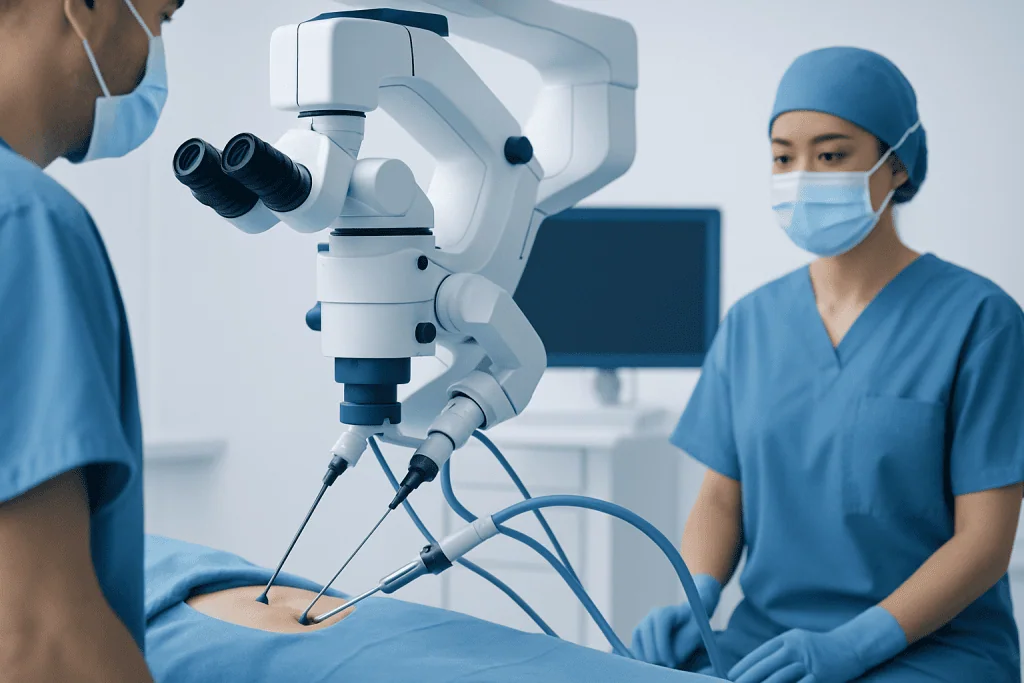
During a lymph node dissection, the surgeon removes a planned group of nodes from a specific anatomical region. The procedure may be performed as open surgery or, in some areas of the body, with minimally invasive techniques. It is often done at the same time as surgery to remove a primary tumor. The procedure commonly uses general anesthesia, although the exact approach depends on the body area and treatment plan.
Some patients may benefit from lymph node dissection as part of a broader cancer treatment plan. The surgical team explains the expected incision, whether drains may be used, what pathology results can show, and what recovery may involve before obtaining informed consent.
What Happens to Your Body When Lymph Nodes Are Removed?
After lymph nodes are removed, lymph fluid must find alternative routes back into circulation. Remaining lymph vessels and nodes can increase their role, and new small lymphatic connections may develop. This adaptation is why many people recover without persistent swelling, especially after removal of only one or a few nodes.
However, drainage may be less efficient in the region served by the removed nodes. The main concern is lymphedema, a buildup of protein-rich fluid that can cause heaviness, swelling, tightness, reduced movement, or skin changes. It may occur soon after surgery or months to years later. Risk generally rises when more nodes are removed, when radiation therapy affects the same region, or when infection, injury, or obesity adds strain to lymph drainage.
Other changes can include tenderness at the incision, temporary numbness or tingling from small nerve disruption, scar tightness, shoulder or hip stiffness depending on the surgical location, and a small collection of fluid called a seroma. These effects are often manageable with wound care, gradual activity, rehabilitation, and follow-up with the treating team.
Removing regional nodes does not usually leave a person without immune defenses. Many lymph nodes remain in other parts of the body, and immune cells also function in the blood, bone marrow, spleen, and other tissues.
Do Removing Lymph Nodes Stop Cancer From Spreading?
Removing lymph nodes can remove cancer that is already present in those nodes, but it cannot guarantee that cancer will not spread or return. Cancer behavior depends on the tumor type, biology, size, grade, stage, and whether cancer cells have entered blood vessels or lymphatic vessels beyond the area treated by surgery.
In many situations, lymph node surgery is particularly valuable for staging. Knowing whether nodes contain cancer helps the multidisciplinary team estimate risk and select appropriate additional treatment. Depending on the diagnosis, that may include radiation therapy, chemotherapy, hormone therapy, immunotherapy, targeted therapy, or careful surveillance.
For some cancers, removing only sentinel nodes is sufficient when they are negative or when small-volume disease is present under specific circumstances. For others, a more extensive operation or non-surgical treatment may be recommended. Current treatment decisions should be based on disease-specific guidelines and a personalized review of pathology findings.
Patients who have a cancer diagnosis may also find it helpful to understand breast cancer or other site-specific information from their care team, since lymph node management differs substantially between cancer types.
Is Lymph Node Removal Considered Major Surgery?
Lymph node removal can range from a relatively minor outpatient procedure to major surgery. A biopsy of one accessible enlarged node, or a sentinel lymph node biopsy performed alongside another procedure, may involve a short operation and a small incision. In contrast, a full lymph node dissection in the neck, chest, abdomen, pelvis, armpit, or groin can be more complex and may require a hospital stay.
The seriousness of the operation depends on the location, number of nodes removed, surgical method, whether the primary tumor is removed at the same time, anesthesia needs, and a person’s overall health. Operations near important nerves, blood vessels, organs, or muscles require careful planning and may have a longer recovery.
Patients should ask the surgeon about the likely length of surgery, anticipated time in hospital, activity restrictions, drain care if applicable, expected pathology timeline, and signs of complications. These practical details can vary considerably even among people undergoing the same named procedure.
What Are the Disadvantages of Removing Lymph Nodes?
The main disadvantage is the possibility of disrupting lymph drainage. Lymphedema can affect comfort, mobility, clothing fit, and skin health, and it may require long-term self-management. Early assessment is useful because specialized rehabilitation, compression strategies when appropriate, movement guidance, and skin care can help control symptoms.
Other potential disadvantages include bleeding, infection, blood clots, pain, delayed healing, scar formation, seroma, and altered sensation. Depending on the surgical site, there may be reduced shoulder movement after armpit surgery, weakness or nerve-related symptoms after neck surgery, or leg swelling after groin or pelvic surgery. Most people do not experience every complication, and the care team takes steps to reduce risk.
There is also a balance between the benefits of learning nodal status and the burden of a more extensive operation. For this reason, clinicians increasingly use less invasive approaches when they provide the necessary information safely. A patient should understand why removal is recommended, what alternatives exist, and how results would change treatment decisions.
When rehabilitation is needed, physical therapy and rehabilitation can support safe return of movement and function after surgery.
Recovery, Self-Care, and When to Seek Medical Care
Recovery depends on the extent and location of surgery. Some people return to light daily activity within days after a limited biopsy, while recovery after a more extensive dissection may take several weeks or longer, particularly if it is combined with cancer surgery or other treatments. The surgeon provides individualized instructions for wound care, bathing, lifting, driving, exercise, and return to work.
In general, gentle movement and prescribed range-of-motion exercises may help prevent stiffness. The incision should be kept clean and observed as instructed. Patients should avoid sudden increases in strenuous activity until cleared by their team. Any plan for compression garments, massage, or targeted exercise should come from a clinician experienced in lymphedema care rather than being started independently.
When to seek medical care: Patients should contact their surgical team promptly for fever, worsening redness or warmth around the incision, pus-like drainage, rapidly increasing swelling, severe or worsening pain, wound separation, shortness of breath, chest pain, or new one-sided limb swelling. New persistent heaviness, tightness, swelling, or reduced movement in a limb should also be assessed, even if it develops long after surgery.
Acibadem International’s multidisciplinary specialists and JCI-accredited hospitals diagnose and treat conditions requiring lymph node assessment and surgery for international patients. Ongoing follow-up with the treating surgeon and oncology team remains important for interpreting pathology results, monitoring recovery, and planning any next steps.
Frequently asked questions
Can lymph nodes regenerate after they are removed?
A fully removed lymph node generally does not regrow as the same structure. The surrounding lymphatic system may adapt, however, with remaining nodes and vessels helping redirect lymph fluid over time. This adaptation varies from person to person.
How long does swelling last after lymph node removal?
Mild swelling near the incision can occur during early healing and may improve over days to weeks. Persistent or increasing swelling in an arm, leg, breast, or nearby body area should be evaluated for lymphedema, seroma, infection, or another cause. The recovery timeline depends on the location and extent of surgery.
Does removing lymph nodes weaken the immune system?
Removing a small number of lymph nodes usually does not significantly weaken overall immune function. The body has many lymph nodes and other immune tissues that continue to work. The larger concern is altered fluid drainage in the area where nodes were removed.
Can lymphedema be prevented after lymph node surgery?
Lymphedema cannot always be prevented, but risk can often be reduced through good wound and skin care, gradual return to activity, maintaining a healthy weight when possible, and prompt treatment of infections or swelling. Individual advice is important because recommendations differ according to the surgical area and other treatments such as radiation.
Will a surgeon remove lymph nodes if scans are normal?
Sometimes. Imaging scans may not detect very small areas of cancer in lymph nodes, so a sentinel lymph node biopsy may be recommended for staging in selected cancers. The decision depends on the tumor type, clinical findings, and whether the result would affect treatment.
When are pathology results available after lymph node removal?
Results are often available within several days to about two weeks, depending on the laboratory tests needed. Additional staining or molecular testing can take longer. The treating team will explain what the findings mean and whether they change the care plan.
References
- National Cancer Institute
- American Cancer Society
- National Lymphedema Network
- National Health Service
- American Society of Clinical Oncology
This article is for general information only and is not a substitute for professional medical advice. Please consult a qualified doctor about your individual situation.
Explore treatments in Turkey — costs, top hospitals & a free quote
JCI-accredited · board-certified surgeons · reply within 24h
Add us as a Preferred Source to see more of our trusted health content across Google Search, AI Overviews and Discover.

More from the Health Library



Related Specialists

Assoc. Prof. Dr. Didem Öncel Yakar
General Surgery
Dr. Nuh Hakan Temiz
Nuclear Medicine
Dr. Uğur Önder
Oral & Dental Health
Prof. Dr. Emine Handan Zeren
Pathology