Do Tampons Make Cramps Worse? Causes, Explanations, and Next Steps

Most period cramps are caused by uterine contractions, not by tampon use. A correctly placed tampon should not be painful or strongly noticeable during daily activities.
Key Takeaways
- Most period cramps are caused by uterine contractions, not by tampon use.
- A correctly placed tampon should not be painful or strongly noticeable during daily activities.
- Discomfort may occur with dry insertion, high absorbency, a low-positioned tampon, or pelvic floor muscle tension.
- New, severe, worsening, or persistent menstrual pain should be assessed for conditions such as endometriosis, fibroids, or pelvic infection.
- Urgent care is important for severe pain with fever, fainting, vomiting, unusual discharge, or possible pregnancy.
Tampons do not usually cause menstrual cramps or make them medically worse. However, a tampon that is the wrong absorbency, inserted when flow is light, or uncomfortable because of muscle tension or vaginal dryness can make pelvic discomfort feel more noticeable.
Do tampons make cramps worse?
In most cases, tampons do not make menstrual cramps worse. Period cramps mainly happen because the uterus contracts to shed its lining, a process influenced by hormone-like chemicals called prostaglandins. A tampon sits in the vagina rather than the uterus, so it does not directly increase uterine contractions.
Still, some people notice more discomfort while using a tampon. This is often related to insertion, dryness, a tampon that is too absorbent for the flow, or tension in the pelvic floor muscles. It can also be that cramps are naturally stronger on heavier-flow days, when a person may be more likely to use tampons.
If removing the tampon, changing to a pad or menstrual underwear, and using usual comfort measures improves the sensation, the tampon may have been contributing to local discomfort. If pain remains significant, occurs with every period, or has changed from a previous pattern, it is worth discussing with a qualified clinician.
Why cramps can feel more noticeable with a tampon
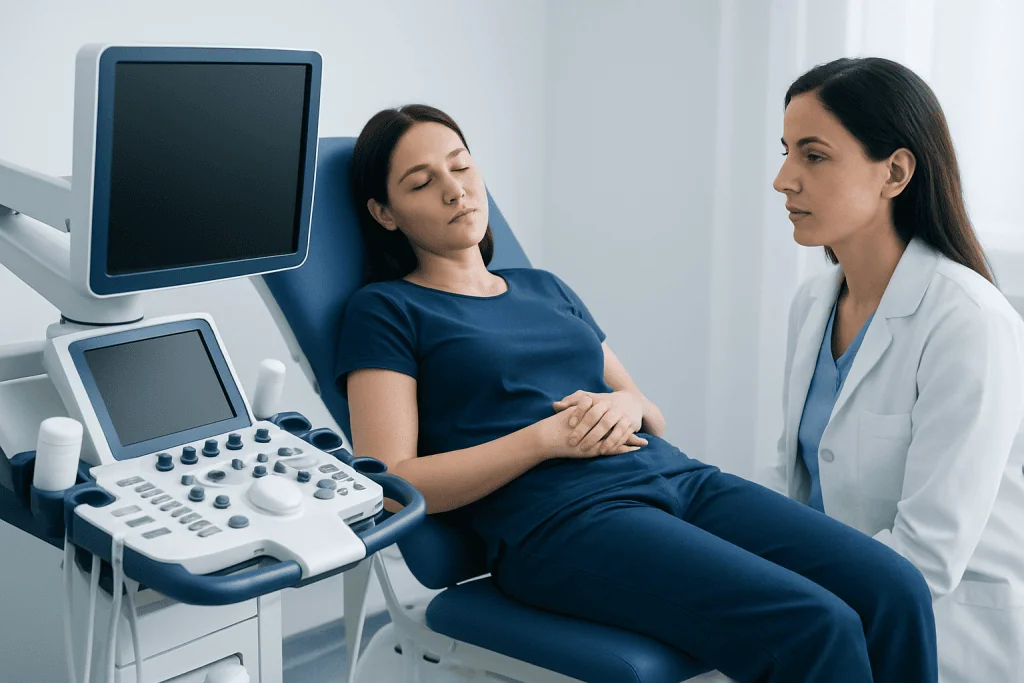
A tampon should expand inside the vaginal canal and generally should not be felt once it is positioned comfortably. If it sits too low, it may press near the vaginal opening and cause a feeling of pressure, rubbing, or discomfort. This sensation can overlap with pelvic cramping and make the overall period experience feel worse.
Using a tampon with more absorbency than needed can also make insertion and removal uncomfortable, especially on lighter days. A dry tampon may create friction against vaginal tissue. Choosing the lowest absorbency that manages the flow and changing it regularly can reduce this problem.
Some people unconsciously tighten the pelvic floor muscles when expecting pain or when inserting a tampon. Muscle tension can contribute to aching, pressure, or pain in the pelvis. Anxiety, previous painful tampon experiences, vaginal dryness, and certain pelvic pain conditions can all make this response more likely.
- Try inserting a tampon when menstrual flow is moderate rather than very light.
- Use the smallest absorbency that provides reliable protection.
- Follow the product instructions and avoid forcing insertion.
- Stop if insertion is sharply painful; a different period product may be more comfortable.
Other reasons periods may become more painful
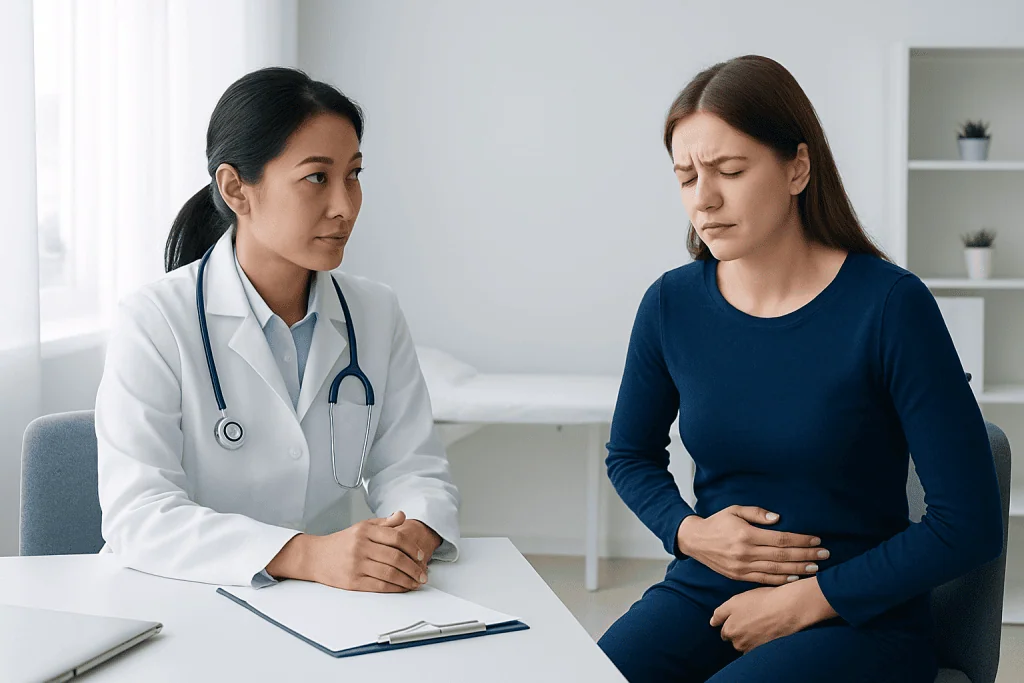
Menstrual cramps, also called dysmenorrhea, are common. Primary dysmenorrhea refers to cramps that occur without another pelvic disorder and often begin during adolescence or early adulthood. Pain may start just before or at the beginning of bleeding and improve within a few days.
Sometimes worsening cramps are related to an underlying condition, known as secondary dysmenorrhea. Examples include endometriosis, adenomyosis, uterine fibroids, pelvic inflammatory disease, ovarian cysts, and, less commonly, narrowing of the cervix. These conditions are not caused by tampons, but symptoms may be noticed more during tampon use because the pelvis is already sensitive.
Features that can suggest a cause beyond typical menstrual cramps include pain that begins later in life, pain between periods, very heavy or irregular bleeding, pain during sex, bowel or bladder symptoms around menstruation, difficulty becoming pregnant, or cramps that no longer respond to usual measures. These symptoms do not confirm a diagnosis, but they provide useful information for a medical assessment.
How to tell tampon discomfort from menstrual cramps
Typical menstrual cramps are felt low in the abdomen or pelvis and may spread to the lower back or thighs. They often come in waves or as a steady ache and are most closely linked to the timing of the menstrual period. Changing a tampon may not change the cramping itself.
Tampon-related discomfort is more likely to feel like pressure, pinching, rubbing, dryness, or a sensation that something is present in the vagina. It may improve soon after the tampon is removed or repositioned. A tampon that is placed high enough in the vaginal canal is usually less noticeable than one sitting near the entrance.
It can be helpful to track symptoms over two or three cycles. Record the timing and severity of pain, bleeding amount, tampon absorbency, whether pain changes after removal, and any symptoms such as nausea, bowel changes, pain with sex, or unusual discharge. This record can help a clinician distinguish common menstrual discomfort from a pattern needing further evaluation.
Comfort measures and safer tampon use
For many people, gentle self-care reduces ordinary menstrual cramps. A warm pack or heating pad over the lower abdomen, rest, light movement such as walking, and adequate fluids may help. Some over-the-counter pain medicines can be effective for period cramps when used as directed on the label and when appropriate for the individual’s health history; a pharmacist or doctor can advise if there are questions.
For tampon comfort, select the lowest absorbency suitable for the current flow, insert it gently, and change it according to the manufacturer’s instructions. Tampons should not be left in for extended periods. People may choose pads, menstrual underwear, or other period products on lighter days or whenever tampon insertion feels uncomfortable.
A person should avoid continuing with a product that causes repeated pain. Persistent discomfort is not something they need to simply tolerate. Evaluation and individualized care may include guidance on menstrual pain management, pelvic floor therapy, hormonal treatment where suitable, or gynecological assessment and treatment for an underlying cause.
When to seek medical care
Medical review is appropriate when cramps are severe, interfere with school, work, sleep, or everyday life, become progressively worse, or do not improve with usual measures. A clinician should also assess pain with heavy bleeding, bleeding between periods, pain during sex, pain when passing stool or urine during menstruation, or trouble becoming pregnant.
Seek urgent medical attention for sudden severe pelvic pain, fainting, fever, repeated vomiting, unusual or foul-smelling vaginal discharge, or severe pain with a missed period or possible pregnancy. These symptoms can have several causes, some of which need prompt care.
A doctor will usually begin by asking about menstrual timing, bleeding, symptoms, medical history, contraception, medications, and sexual health where relevant. The assessment may include a pregnancy test, blood tests, testing for infection, a pelvic examination when appropriate and consented to, and pelvic ultrasound. Further imaging or referral may be recommended based on the findings.
Acibadem International’s multidisciplinary specialists and JCI-accredited hospitals provide gynecological assessment and treatment for international patients with persistent pelvic or menstrual symptoms.
What treatment may involve if cramps have an underlying cause
Treatment depends on the cause, symptom severity, reproductive plans, and personal preferences. For primary dysmenorrhea, clinicians may recommend anti-inflammatory pain relief, hormonal methods that reduce menstrual bleeding or ovulation, and practical strategies such as heat and regular physical activity. The best approach is individualized, particularly for people with other health conditions or medication restrictions.
If tests suggest endometriosis, fibroids, adenomyosis, infection, or another condition, treatment may focus on that specific diagnosis. Options can include medication, hormonal therapy, treatment for infection when present, pelvic physiotherapy, or procedures in selected cases. A clinician can explain the potential benefits, limitations, and side effects of each option.
Using tampons does not prevent diagnosis or treatment. However, it is useful to tell the care team whether tampon insertion, wearing, or removal causes pain, because this may point toward vaginal irritation, muscle tension, or pelvic sensitivity that should be considered during the evaluation.
Frequently asked questions
Can a tampon physically cause uterine cramps?
A tampon is placed in the vagina and does not enter the uterus, so it does not usually cause uterine cramps. Menstrual cramps are primarily caused by uterine contractions during the period. A tampon can, however, cause local pressure or irritation that may make pelvic discomfort feel more noticeable.
Why does it hurt when inserting a tampon during my period?
Pain can occur if the tampon is inserted when flow is light, if it is too absorbent, if it is not angled or positioned comfortably, or if pelvic muscles are tense. Vaginal dryness or irritation can also contribute. Sharp, persistent, or repeated pain should be discussed with a clinician.
Should I stop using tampons if my cramps feel worse?
It is reasonable to remove the tampon and try another period product if it causes discomfort. If symptoms improve, use a lower absorbency tampon or choose pads, menstrual underwear, or another comfortable option. Continuing severe pain despite removing the tampon suggests the cramps may have another cause.
Can tampons make endometriosis pain worse?
Tampons do not cause endometriosis or typically worsen the disease itself. However, people with endometriosis may have pelvic or vaginal sensitivity that makes tampon use uncomfortable. A doctor can help assess persistent painful periods and discuss suitable treatment options.
What type of tampon is best for cramps?
No tampon type treats cramps, but the lowest absorbency needed for the flow is often more comfortable. A smaller product may be easier to insert on lighter days. The best choice is one that feels comfortable, is used according to instructions, and does not cause pain or pressure.
When are painful periods not normal?
Period cramps are common, but pain that disrupts daily activities, steadily worsens, occurs between periods, or comes with unusually heavy bleeding should be assessed. Prompt care is also important for severe sudden pain, fever, fainting, vomiting, unusual discharge, or possible pregnancy.
References
- American College of Obstetricians and Gynecologists
- Mayo Clinic
- National Institute of Child Health and Human Development
- National Health Service
- World Health Organization
This article is for general information only and is not a substitute for professional medical advice. Please consult a qualified doctor about your individual situation.
Explore treatments in Turkey — costs, top hospitals & a free quote
JCI-accredited · board-certified surgeons · reply within 24h
Add us as a Preferred Source to see more of our trusted health content across Google Search, AI Overviews and Discover.