Do You Need a Neuropsychiatry Second Opinion?

A second opinion is a common and reasonable step when symptoms are complex, changing, or difficult to explain. Neuropsychiatry is especially helpful when neurological and psychiatric symptoms overlap.
Key Takeaways
- A second opinion is a common and reasonable step when symptoms are complex, changing, or difficult to explain.
- Neuropsychiatry is especially helpful when neurological and psychiatric symptoms overlap.
- A second opinion may refine the diagnosis, review medications, and identify useful tests or therapies.
- Patients often seek another review when treatment is not working well or side effects are concerning.
- Bringing records, test results, and a symptom timeline can make the consultation more useful.
A neuropsychiatry second opinion can help when symptoms involve both the brain and mental health, or when a diagnosis or treatment plan feels uncertain. It may confirm the current approach, suggest further testing, or offer a safer and more tailored treatment plan.
Overview: What a Neuropsychiatry Second Opinion Means
A neuropsychiatry second opinion is a review by a specialist who looks at the connection between brain function, behavior, emotions, and thinking. This can be helpful when symptoms do not fit neatly into a single neurological or psychiatric diagnosis, or when more than one condition may be contributing at the same time.
People may seek this kind of opinion for problems such as memory changes, confusion, personality shifts, attention difficulties, movement symptoms with mood changes, seizures with behavioral symptoms, or persistent anxiety, depression, or psychosis that may have a medical or neurological component. In these situations, a broader assessment can help clarify whether symptoms are related to the brain, mental health, medication effects, sleep problems, metabolic illness, or several factors together.
A second opinion does not mean the first doctor was wrong. In many cases, it confirms the original diagnosis and helps patients feel more confident about moving forward. In other cases, it may suggest a revised diagnosis, further testing, or a different treatment plan that better matches the person’s symptoms and daily needs.
When It May Be Helpful to Seek Another Opinion
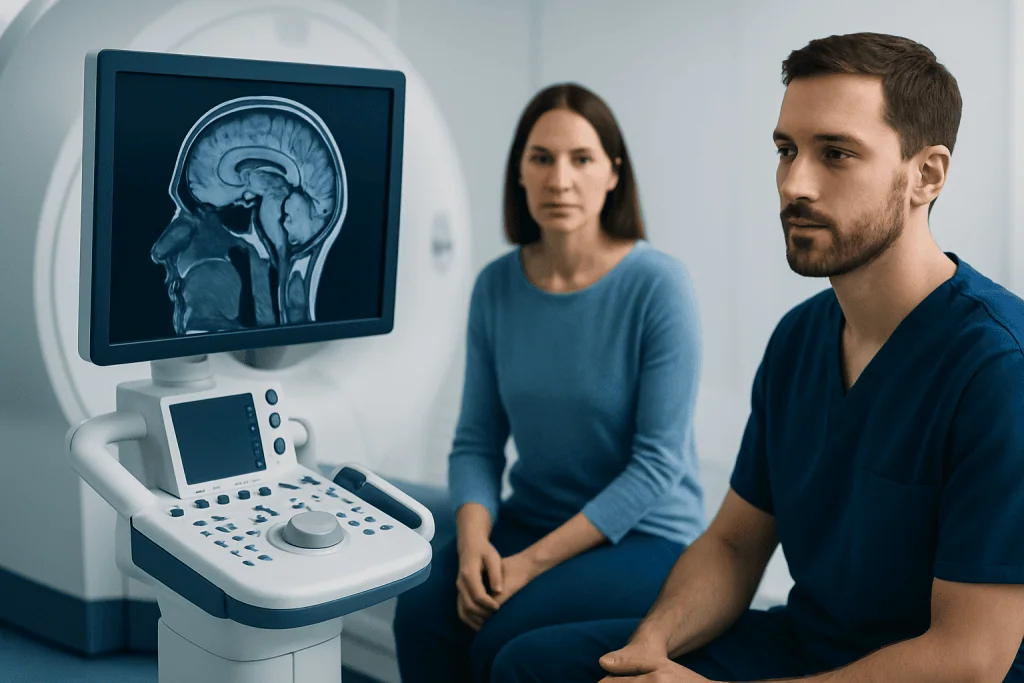
It may be useful to ask for a neuropsychiatry second opinion when symptoms are complex, unusual, or not improving as expected. This is especially true if several doctors have offered different explanations, if a diagnosis remains unclear, or if symptoms are affecting work, school, relationships, or independent living.
Another opinion is often considered in situations such as these:
- Symptoms involve both mood, behavior, or thinking and clear neurological changes
- Treatment has not worked, or only partly helped
- Medication side effects are troubling or severe
- Symptoms have changed quickly or become more disabling
- There is concern about memory loss, confusion, personality change, or loss of function
- Brain injury, epilepsy, autoimmune disease, infection, or a neurodegenerative condition may be involved
Families also commonly request a second opinion when a loved one is not acting like themselves or when the person has limited insight into their symptoms. In these cases, a fresh review can support safer decision-making and help the family understand what to expect next.
Conditions and Symptoms That Often Lead to a Second Opinion

Neuropsychiatry sits at the overlap of neurology and psychiatry, so the conditions reviewed are often those that affect both brain health and emotional or cognitive function. These may include seizure disorders, traumatic brain injury, cognitive decline, autoimmune or inflammatory brain disorders, sleep-related neurological conditions, complications of stroke, medication-related mental status changes, and functional neurological symptoms.
Some people are referred because they have psychiatric symptoms that may have an underlying medical or neurological cause. For example, new hallucinations, rapid behavior change, sudden confusion, or severe mood symptoms later in life may require a careful medical review rather than a purely psychiatric explanation. Others are referred because a known brain condition is causing anxiety, depression, impulsivity, apathy, or thinking problems.
Common symptoms that may prompt a neuropsychiatric review include:
- Memory loss or increasing forgetfulness
- Difficulty concentrating, planning, or organizing
- Mood swings, irritability, or loss of emotional control
- Personality or behavior changes
- Confusion, disorientation, or episodes of altered awareness
- Depression or anxiety alongside neurological symptoms
- Psychosis, hallucinations, or unusual beliefs with possible medical triggers
- Problems after head injury, seizures, or stroke
In some cases, the specialist may consider whether symptoms relate to conditions such as Alzheimer’s disease or epilepsy, especially when thinking, behavior, and brain-based symptoms appear together. The goal is not simply to label symptoms, but to understand their cause and how they affect everyday life.
What Happens During the Evaluation
A neuropsychiatry second opinion usually begins with a detailed conversation about current symptoms, when they started, how they have changed, and what treatments have already been tried. The doctor may ask about mood, sleep, memory, concentration, behavior, movement, past medical history, alcohol or substance use, family history, and recent life events. A relative or caregiver may be invited to share observations if the patient agrees.
The specialist also reviews previous records such as clinic notes, hospital summaries, laboratory results, brain imaging, EEG results, and medication lists. If the case is complex, a timeline of symptoms and treatments can be very helpful. This often helps identify patterns that were not obvious during earlier appointments.
Depending on the situation, the evaluation may include a neurological examination, mental status assessment, and screening of memory or attention. Some patients may benefit from more formal testing, such as neuropsychological testing, which looks in detail at memory, language, problem-solving, and other cognitive skills.
Further investigations are not always necessary, but they may be recommended if key questions remain unanswered. These may include MRI to look at brain structure or EEG testing when seizure-related or episodic brain activity is suspected. The exact plan depends on the symptoms, age, medical history, and findings from the consultation.
How a Second Opinion Can Change Diagnosis or Treatment
One of the main benefits of a second opinion is that it can bring together pieces of information from different specialties. A neuropsychiatrist may confirm the current diagnosis, identify a coexisting condition, or suggest that symptoms are better explained in another way. For example, what appears to be depression alone may also involve sleep disease, seizures, medication effects, cognitive impairment, or another brain-related condition.
Treatment recommendations may also change after a fuller review. This might include adjusting medications, reducing medicines that may be worsening confusion or behavior, adding psychotherapy or rehabilitation support, addressing sleep problems, or arranging follow-up with neurology, psychiatry, psychology, or other specialists. The focus is usually on both symptom control and day-to-day functioning.
In some situations, a second opinion helps avoid unnecessary treatment by showing that symptoms are temporary, medication-related, or linked to a reversible health problem. In others, it helps patients and families prepare for a longer-term condition and plan support earlier. Even when the diagnosis remains the same, patients often feel reassured after a careful explanation of why that diagnosis fits and what options are available.
How to Prepare for the Appointment
Preparing in advance can make a second-opinion visit more productive. Patients should bring previous records if possible, including clinic letters, discharge summaries, imaging reports, lab results, and a current medication list. If symptoms come and go, it may help to keep a diary that notes when episodes happen, how long they last, and any triggers such as poor sleep, stress, missed medication, or illness.
It is also useful to write down the main questions in advance. Many people want to know whether the diagnosis is correct, whether any tests are missing, whether current treatment is appropriate, and what warning signs should prompt urgent care. Bringing a family member or trusted friend can help with note-taking and provide details the patient may forget.
Questions that often help during the visit include:
- What diagnosis best explains these symptoms?
- Are there other conditions that should be considered?
- Do current medications help, or could they be causing problems?
- Would further testing change treatment decisions?
- What symptoms need urgent attention?
- What type of follow-up or rehabilitation may help most?
If care is being coordinated internationally or across several hospitals, organized records are especially important. Near the end of the process, some patients choose centers with multidisciplinary input; Acibadem International’s specialists in JCI-accredited hospitals evaluate and treat neuropsychiatric conditions for international patients when a broader review is needed.
When to Seek Urgent Medical Attention
A second opinion is valuable for many non-emergency concerns, but some symptoms need urgent medical assessment rather than a routine appointment. Sudden confusion, new weakness, severe agitation, loss of consciousness, seizures, suicidal thoughts, or a rapid decline in memory or behavior should be treated as urgent. These symptoms can have serious neurological, psychiatric, or medical causes and should not wait for a standard review.
Urgent care is also important when symptoms begin suddenly after a head injury, infection, medication change, substance use, or a major medical event. In older adults, abrupt confusion may reflect delirium, which often has a medical trigger and needs prompt evaluation. Families should also seek help if the person is no longer safe at home, is wandering, cannot manage daily activities, or is at risk of harming themselves or others.
For non-urgent situations, it is still reasonable to arrange a specialist review if symptoms persist, keep returning, or remain unexplained. A timely assessment can reduce uncertainty, improve treatment choices, and help patients and families feel more informed and supported.
Frequently asked questions
What is a neuropsychiatry second opinion?
A neuropsychiatry second opinion is a review by a specialist who evaluates symptoms that may involve both brain function and mental health. It can help clarify diagnosis, assess previous treatment, and suggest whether more testing or a different care plan is needed.
Does asking for a second opinion mean the first diagnosis was wrong?
No. A second opinion often confirms the original diagnosis and treatment plan. It is a normal part of medical care, especially when symptoms are complex or treatment decisions are significant.
Who might benefit most from this kind of review?
People with memory changes, confusion, personality shifts, seizures with behavioral symptoms, mood symptoms linked to neurological disease, or treatment-resistant symptoms may benefit most. It can also help when several conditions may be present at the same time.
What should a patient bring to the appointment?
It is helpful to bring medical records, medication lists, brain imaging reports, lab results, and notes about symptoms over time. A family member or caregiver can also be useful, especially if the patient has memory or insight difficulties.
Will a second opinion always require more tests?
Not always. Sometimes the specialist can offer guidance by reviewing the history, examination findings, and prior records. If testing is recommended, it is usually because the results may change the diagnosis or treatment plan.
Can a neuropsychiatry second opinion help with medication concerns?
Yes. A specialist may review whether medicines are helping, causing side effects, or interacting in ways that affect thinking, mood, or behavior. This can be especially important when several medications are being used together.
When is it better to seek urgent care instead of waiting for a second opinion?
Urgent care is needed for sudden confusion, seizures, loss of consciousness, new weakness, severe agitation, suicidal thoughts, or rapid decline in function. These symptoms may signal a medical emergency and should be assessed right away.
References
- World Health Organization
- National Institute of Mental Health
- National Institute of Neurological Disorders and Stroke
- American Psychiatric Association
- Alzheimer's Association
This article is for general information only and is not a substitute for professional medical advice. Please consult a qualified doctor about your individual situation.
Neuropsychiatry in Turkey — costs, top hospitals & a free quote
JCI-accredited · board-certified surgeons · reply within 24h
Add us as a Preferred Source to see more of our trusted health content across Google Search, AI Overviews and Discover.