Does Alcohol Kill Brain Cells? A Doctor-Reviewed Answer

A single episode of drinking does not usually cause widespread brain-cell death, but it can temporarily impair brain function. Heavy or prolonged alcohol use may affect brain volume, white matter, memory, thinking, balance, and emotional health.
Key Takeaways
- A single episode of drinking does not usually cause widespread brain-cell death, but it can temporarily impair brain function.
- Heavy or prolonged alcohol use may affect brain volume, white matter, memory, thinking, balance, and emotional health.
- Alcohol-related vitamin B1 deficiency can cause serious brain injury if it is not treated promptly.
- Blackouts are episodes of impaired memory formation, not proof that brain cells have died.
- Many alcohol-related brain changes can improve after reducing or stopping alcohol use, especially with early support and good nutrition.
- Urgent medical care is needed for confusion, seizures, hallucinations, severe vomiting, or symptoms of alcohol withdrawal.
Does alcohol kill brain cells? For most people, occasional alcohol use does not directly and immediately kill brain cells, although intoxication can temporarily affect memory, judgment, coordination, and mood. Repeated heavy drinking, binge drinking, and alcohol dependence can harm the brain over time, particularly when nutrition is poor or withdrawal is unmanaged.
Does alcohol kill brain cells?
The short answer is that alcohol does not usually kill large numbers of brain cells after an occasional drink or isolated episode of intoxication. The common statement that alcohol simply “kills brain cells” is an oversimplification. However, alcohol can temporarily interfere with how brain cells communicate, which is why a person may have slower reactions, poor coordination, altered judgment, slurred speech, or memory gaps while intoxicated.
Over time, frequent heavy drinking can contribute to measurable changes in the brain. These may include reduced brain volume, injury to white matter pathways that connect different brain regions, and problems with memory, attention, planning, mood, and balance. Some changes are related to alcohol itself, while others result from poor nutrition, liver disease, head injuries, sleep disruption, or withdrawal. The degree of risk depends on the amount and pattern of drinking, overall health, age, and individual vulnerability.
This does not mean that everyone who drinks alcohol develops brain damage. Many people who drink infrequently and within lower-risk limits will not notice lasting neurological effects. Still, there is no completely risk-free amount of alcohol for every person, and people with symptoms, a history of heavy use, or concerns about control over drinking can benefit from a medical discussion.
How alcohol affects the brain in the short term
Alcohol is a depressant that changes the activity of chemical messengers in the brain. As blood alcohol levels rise, it can slow communication between nerve cells and affect areas involved in decision-making, movement, speech, emotion, and memory. These effects are usually temporary and improve as alcohol leaves the body, although the timing varies according to how much was consumed, whether food was eaten, body size, medicines, and liver function.
A blackout is one of the more concerning short-term effects. During an alcohol blackout, a person may be awake, talking, and moving around but later be unable to remember events. This happens because alcohol disrupts the brain’s ability to form new memories, especially in the hippocampus. A blackout is not the same as passing out and does not by itself prove permanent brain-cell loss, but recurrent blackouts are a sign that alcohol intake has reached a potentially harmful level.
Heavy intoxication also increases indirect risks to the brain. Falls, road traffic injuries, fights, drowning, and other accidents can cause concussion or more severe head injury. Combining alcohol with sedatives, opioids, sleep medicines, or other drugs can dangerously suppress breathing and consciousness. Anyone who is difficult to wake, has slow or irregular breathing, has a seizure, or has blue or pale skin needs emergency medical help.
What can happen with heavy or long-term drinking

Repeated heavy alcohol use can affect both the structure and function of the brain. Imaging studies have shown that long-term heavy drinking may be associated with changes in brain volume and white matter, the networks that allow brain regions to communicate efficiently. A person may notice forgetfulness, reduced concentration, slower thinking, difficulty organizing tasks, poor balance, sleep problems, irritability, anxiety, or low mood. These symptoms can have many possible causes, so they should not be assumed to be caused by alcohol without assessment.
Alcohol can also make it harder for the body to absorb and use nutrients. Vitamin B1, also called thiamine, is particularly important for brain energy metabolism. Severe thiamine deficiency can lead to Wernicke encephalopathy, a medical emergency that may cause confusion, unsteady walking, abnormal eye movements, or double vision. If untreated, it can progress to lasting memory problems known as Korsakoff syndrome.
Not all alcohol-related changes are permanent. The brain has some capacity to recover, and many people experience improved sleep, concentration, mood, and coordination after reducing or stopping alcohol use. Recovery can take time, and it may be less complete after years of severe use or when nutritional deficiency, repeated head injury, stroke, liver disease, or another neurological condition is also present.
Who may be at greater risk?
Risk is generally higher when alcohol is consumed frequently, in large quantities, or in binges. Binge drinking refers to drinking enough in a short period to cause intoxication; it raises the likelihood of blackouts, injuries, alcohol poisoning, and risky decisions. Drinking early in life may also be particularly concerning because the brain continues to develop through adolescence and young adulthood.
Some health circumstances can increase vulnerability. These include poor diet or unintentional weight loss, vomiting, digestive conditions that reduce nutrient absorption, liver disease, previous brain injury, epilepsy, depression or anxiety, and use of medicines that affect alertness. Older adults may be more sensitive to alcohol because body composition, metabolism, balance, and medication use can change with age.
Genetics, family history, stress, trauma, social environment, and mental health can influence alcohol use and the likelihood of alcohol use disorder. Alcohol use disorder is a medical condition in which drinking becomes difficult to control despite harm or distress. It is not a personal failure, and effective support is available through primary care clinicians, mental health professionals, addiction specialists, and community services.
How doctors assess alcohol-related brain concerns
A doctor begins by asking about symptoms, drinking pattern, nutrition, sleep, medicines, mental health, and any history of falls, head injuries, seizures, or withdrawal. The discussion is confidential and is intended to guide care rather than judge the person. It can help to be as accurate as possible about the type of alcohol used, the amount, the frequency, and when the last drink was consumed.
The assessment may include a physical and neurological examination to check memory, speech, eye movements, strength, sensation, walking, coordination, and reflexes. Depending on the symptoms, blood tests may assess liver function, blood count, electrolytes, thyroid function, vitamin status, and other possible causes of cognitive or balance problems. A clinician may also use brief memory and thinking assessments.
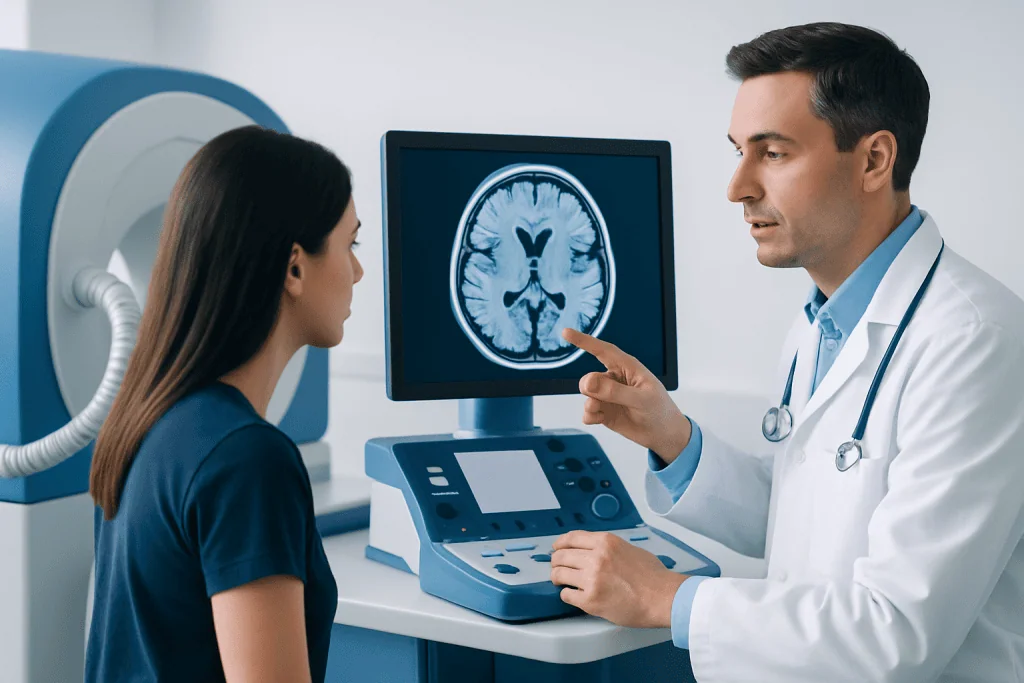
Brain imaging, such as CT or MRI, is not needed for every person who drinks alcohol. It may be recommended when there are focal neurological symptoms, a significant head injury, seizures, persistent confusion, sudden severe headache, or concern for another condition such as stroke. The aim is to identify treatable problems and develop a safe plan, not simply to label symptoms as alcohol-related.
Reducing harm and supporting brain recovery
The safest approach for brain health is to avoid heavy drinking and avoid binge drinking. People who choose to drink can reduce short-term risks by drinking slowly, eating beforehand, alternating with non-alcoholic drinks, avoiding drinking games, and arranging safe transport. Alcohol should not be mixed with recreational drugs or medicines that cause drowsiness unless a clinician has specifically confirmed that it is safe.
For someone drinking heavily or daily, suddenly stopping can sometimes cause dangerous withdrawal. Symptoms may include shaking, sweating, nausea, anxiety, insomnia, fast heartbeat, and high blood pressure. Severe withdrawal can include seizures, hallucinations, marked confusion, or delirium. A person who has experienced withdrawal before, drinks heavily every day, has liver disease, is pregnant, or has significant medical conditions should seek medical advice before attempting to stop without support.
Recovery is supported by regular meals, adequate fluids, sleep, physical activity when appropriate, and treatment for coexisting anxiety, depression, trauma, or sleep disorders. Clinicians may recommend nutritional support, counseling, structured alcohol treatment, peer support, or medication to help reduce alcohol cravings or prevent relapse. Acibadem International’s multidisciplinary specialists and JCI-accredited hospitals can assess alcohol-related neurological concerns and coordinate care for international patients.
When to seek medical care
Medical review is appropriate for recurrent blackouts, increasing forgetfulness, difficulty concentrating, personality or mood changes, tremor, poor balance, repeated falls, numbness, weakness, or trouble managing everyday tasks. It is also important to speak with a clinician if drinking feels difficult to control, causes relationship or work problems, or is used to cope with distress. Early support can reduce harm and address symptoms that may have causes beyond alcohol.
Urgent medical care is needed for sudden confusion, new difficulty speaking, one-sided weakness, severe headache, a seizure, loss of consciousness, severe unsteadiness, double vision, or repeated vomiting. These symptoms may indicate alcohol poisoning, injury, stroke, severe nutritional deficiency, or another emergency and should not be managed at home.
Emergency help is also needed if a person develops hallucinations, severe agitation, fever, seizures, or profound confusion after reducing or stopping alcohol. These can be signs of severe alcohol withdrawal. A clinician can advise on the safest next steps and, when necessary, arrange supervised withdrawal treatment.
Frequently asked questions
Does one night of drinking kill brain cells?
One night of drinking does not usually cause widespread direct brain-cell death in an otherwise healthy person. However, heavy intoxication can temporarily impair brain function and increase the risk of blackout, alcohol poisoning, accidents, and head injury. Repeated episodes of heavy drinking carry greater risk over time.
Are alcohol blackouts permanent brain damage?
A blackout is a period when the brain does not form memories normally during intoxication. It is not automatically evidence of permanent brain damage, but it is a warning sign that alcohol levels were high enough to significantly affect brain function. Frequent blackouts should be discussed with a healthcare professional.
Can the brain heal after stopping alcohol?
Many people notice improvements in sleep, attention, mood, memory, and coordination after reducing or stopping alcohol. The extent and speed of recovery vary with the duration and severity of alcohol use, nutrition, age, liver health, and other medical conditions. Lasting problems are more likely after severe or prolonged alcohol-related injury, but support can still improve health and daily functioning.
What is alcohol-related brain damage?
Alcohol-related brain damage is a broad term for brain problems linked to long-term heavy alcohol use, nutritional deficiency, alcohol withdrawal, or injuries associated with drinking. Symptoms may include memory difficulties, slowed thinking, poor balance, and changes in behavior or mood. A medical assessment is important because some causes are treatable and other conditions can cause similar symptoms.
Can alcohol cause dementia?
Long-term heavy alcohol use can contribute to persistent cognitive impairment and may increase the risk of dementia-related problems. It is not the only cause of memory decline, and memory symptoms should not be self-diagnosed. A doctor can evaluate alcohol use alongside other possible causes, including vitamin deficiencies, thyroid disorders, depression, sleep problems, medication effects, and neurological disease.
Should a person stop drinking suddenly if they drink every day?
A person who drinks heavily or daily should seek medical advice before abruptly stopping, because withdrawal can be dangerous in some cases. Mild symptoms may include tremor, sweating, anxiety, and nausea, while severe withdrawal can cause seizures, hallucinations, or delirium. Supervised treatment can make withdrawal safer and more comfortable.
References
- National Institute on Alcohol Abuse and Alcoholism
- World Health Organization
- National Institute of Neurological Disorders and Stroke
- Centers for Disease Control and Prevention
- American Psychiatric Association
This article is for general information only and is not a substitute for professional medical advice. Please consult a qualified doctor about your individual situation.
Explore treatments in Turkey — costs, top hospitals & a free quote
JCI-accredited · board-certified surgeons · reply within 24h
Add us as a Preferred Source to see more of our trusted health content across Google Search, AI Overviews and Discover.