Does Birth Control Make You Gain Weight? A Doctor-Reviewed Answer

Most birth control methods are not strongly linked to significant long-term weight gain. Temporary bloating, fluid retention, or normal body-weight changes are often mistaken for fat gain.
Key Takeaways
- Most birth control methods are not strongly linked to significant long-term weight gain.
- Temporary bloating, fluid retention, or normal body-weight changes are often mistaken for fat gain.
- The birth control shot is the method most consistently associated with weight gain in some users.
- Doctors assess timing, symptoms, medications, and possible hormonal or metabolic causes when weight changes occur.
- Sudden swelling, shortness of breath, severe headaches, or rapid unexplained weight gain need prompt medical attention.
In most people, birth control does not cause major or lasting weight gain. Some may notice temporary bloating, appetite changes, or a small increase in weight, but a rapid or significant change should be reviewed by a doctor.
Overview: the short answer
For most people, the answer to does birth control make you gain weight is: not significantly, and often not at all. Many users of the pill, patch, ring, hormonal IUD, and implant do not have meaningful long-term weight gain that can be directly traced to contraception.
What some people do notice is a short-term change on the scale. This can happen because of fluid retention, natural shifts in appetite, changes in routine, stress, age, sleep, or normal menstrual-cycle variation. These changes may feel closely tied to starting a new method, even when the medication itself is not the main cause.
That said, not every concern should be dismissed. Rapid weight gain, marked swelling, or symptoms such as breathlessness, severe headache, leg pain, or heavy bleeding are not typical side effects to ignore. A doctor can help decide whether the change is harmless, whether a different contraceptive may suit the person better, or whether another health issue needs attention.
Why the scale may change after starting birth control
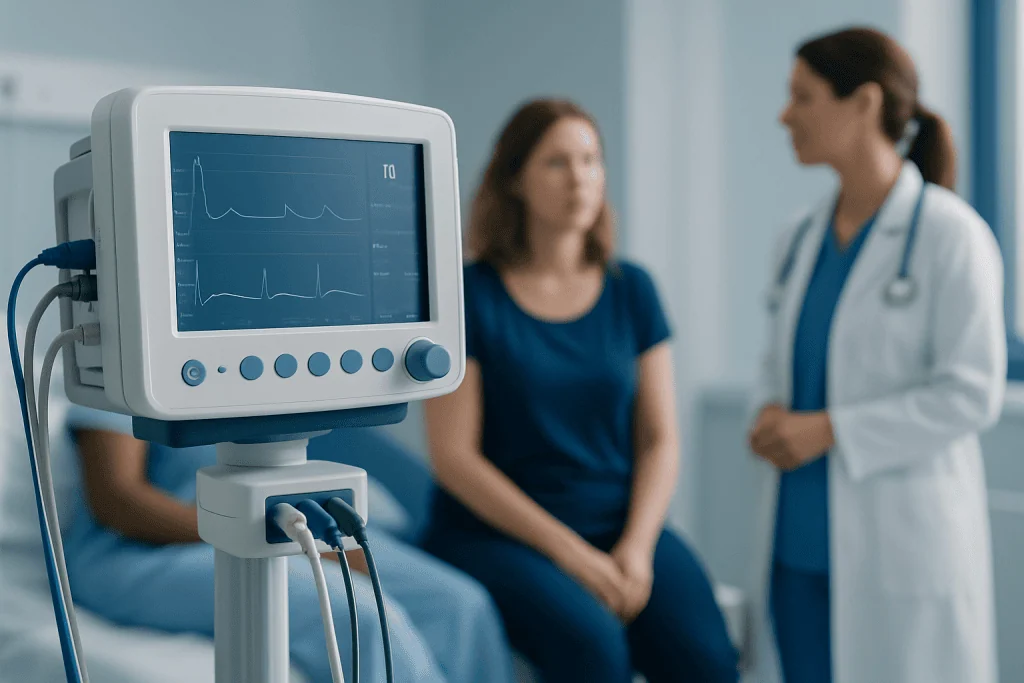
Weight is influenced by many factors at the same time. A number on the scale reflects body water, stomach contents, muscle, and fat tissue—not just body fat. This is one reason a person may feel they have gained weight shortly after starting contraception, even if there has been little or no true fat gain.
Hormonal methods can sometimes lead to temporary bloating or fluid retention, especially in the first few months. Some users also notice breast fullness or mild changes in appetite. These effects may settle as the body adjusts to a new hormone pattern.
Life stage matters too. Many people begin or change contraception during times when body weight naturally shifts, such as late adolescence, the postpartum period, perimenopause, or after changes in work, exercise, sleep, or stress levels. In these situations, the timing can make birth control seem responsible even when several other influences are present.
If there are symptoms such as ongoing fatigue, feeling unusually cold, increased thirst, irregular periods, or changes in hair and skin, doctors may consider conditions beyond contraception, such as thyroid-related problems or other endocrine issues that can affect weight and wellbeing.
Which birth control methods are more or less linked to weight gain?

Evidence does not show a strong, consistent link between most combined hormonal methods and major weight gain. This includes many birth control pills, the patch, and the vaginal ring. Some people may still feel more hungry or retain more fluid, but large, lasting changes are not typical for most users.
Hormonal IUDs and the contraceptive implant also are not clearly associated with major weight gain in most people. Because these methods often reduce bleeding and are convenient, many people continue them without any important weight-related effect. Individual experiences can differ, however, and symptom patterns matter.
The contraceptive injection, often called the birth control shot, is the method most often associated with weight gain in studies. Not everyone gains weight on the shot, but some people do gain more than expected over time. This may relate to appetite changes, body composition changes, or individual sensitivity to the medication.
Non-hormonal options, such as the copper IUD, do not contain hormones and therefore do not cause hormone-related fluid retention or appetite effects. For someone troubled by symptoms on hormonal contraception, discussing alternatives with a gynecology team may help. In some cases, doctors may review options through fertility and reproductive care or broader gynecology evaluation when hormonal symptoms and cycle concerns overlap.
Common symptoms that may come with weight concerns
People who worry about birth control weight gain often describe more than just a higher number on the scale. They may report bloating, puffiness, tighter clothes, breast tenderness, constipation, increased appetite, mood changes, or feeling that fat is collecting in the abdomen or hips. These symptoms can be uncomfortable, but they are often mild and temporary.
It can help to notice the pattern. Symptoms that began soon after starting a new method and improve over several weeks may reflect early adjustment. In contrast, symptoms that worsen steadily, become distressing, or continue for several months deserve a medical review.
Some symptoms suggest the issue may not be simple weight gain. For example, ankle swelling, rapid abdominal enlargement, very heavy bleeding, fainting, severe pelvic pain, or a markedly missed period pattern should not be assumed to be a routine contraceptive side effect. These signs may point to another cause that needs assessment.
- More likely to be temporary: mild bloating, slight appetite change, breast fullness, small short-term scale changes
- Worth discussing soon: ongoing weight increase over months, troublesome mood or appetite changes, cycle disruption, persistent swelling
- Urgent red flags: chest pain, shortness of breath, one-sided leg swelling, severe headache, vision changes, severe abdominal pain
How doctors evaluate weight change on birth control
A doctor usually begins with timing. They will ask when the contraceptive was started or changed, how much weight has changed, and whether the change was sudden or gradual. They may also ask about diet, activity, sleep, stress, menstrual history, pregnancy possibility, and any other medicines that can affect weight, such as steroids, antidepressants, or some diabetes treatments.
The next step is to look for clues that point away from contraception alone. A medical review may include blood pressure, body weight trend, and an examination for swelling, thyroid enlargement, signs of fluid retention, or abdominal problems. Depending on symptoms, tests might include a pregnancy test, thyroid function tests, blood sugar testing, or other hormone-related assessments.
If irregular bleeding, pelvic pain, or cycle changes are part of the picture, a gynecologic evaluation may be recommended. This can help rule out pregnancy complications, ovarian cysts, fibroids, or other reproductive conditions. If needed, doctors may use imaging or further specialist care, including general medical check-up or MRI scanning when symptoms suggest another underlying problem.
The goal is not only to identify whether birth control plays a role, but also to find the safest and most comfortable contraceptive option for the individual. In many cases, reassurance and follow-up are enough. In others, switching methods or addressing a separate health condition leads to improvement.
Treatment and practical next steps
Treatment depends on the cause of the weight change. If the symptom is mild, recent, and not accompanied by warning signs, a doctor may suggest monitoring weight trends for a few months rather than making an immediate change. Looking at weekly patterns instead of daily fluctuations can be more helpful, because fluid balance changes from day to day.
If a person feels unwell on one method, changing contraception may be reasonable. For example, someone troubled by appetite changes or persistent bloating on one hormonal method may prefer a lower-dose option or a non-hormonal method. Decisions should be individualized, taking into account bleeding pattern, migraine history, smoking status, blood pressure, and future pregnancy plans.
Simple self-care can also help. Regular meals with enough protein and fiber, consistent physical activity, good sleep, and limiting excess salt may reduce bloating and help stabilize appetite. Keeping a brief symptom diary can show whether symptoms track with the menstrual cycle, stress, or a specific contraceptive method.
If another medical issue is found, treatment focuses on that cause rather than contraception alone. This may include management of thyroid disease, insulin resistance, depression, or other conditions that affect weight. In some cases, people benefit from coordinated care involving gynecology, endocrinology, and nutrition specialists.
When to seek medical care
Most weight-related concerns after starting birth control are not dangerous, especially if the change is small and there are no other symptoms. Still, medical advice is appropriate if weight gain is rapid, continues over several months, or comes with troublesome bloating, mood changes, swelling, or changes in periods.
Urgent care is needed for symptoms that could signal a more serious complication. These include chest pain, shortness of breath, coughing up blood, severe headache, fainting, vision changes, one-sided leg pain or swelling, and severe abdominal pain. Although uncommon, these symptoms should be assessed quickly rather than attributed to routine contraception side effects.
It is also sensible to book a review if there is concern about pregnancy, very heavy bleeding, new pelvic pain, or if the person has a history of clotting disorders, migraine with aura, uncontrolled blood pressure, or significant hormone-sensitive conditions. A clinician can decide whether the current method remains appropriate and safe.
Near the end of the care pathway, patients who need specialist input may be assessed in multidisciplinary women’s health services. Acibadem International’s multidisciplinary specialists and JCI-accredited hospitals diagnose and treat reproductive and hormone-related concerns for international patients when further evaluation is needed.
Frequently asked questions
Does birth control make you gain weight right away?
Usually not in a major or lasting way. Some people notice early bloating or fluid retention in the first weeks, which can feel like weight gain, but this is not the same as a large increase in body fat.
Which birth control is most likely to cause weight gain?
The birth control shot is the method most consistently linked with weight gain in some users. Other methods, such as pills, patches, rings, implants, and hormonal IUDs, are not strongly associated with major long-term weight gain for most people.
Can the pill increase appetite?
It can in some people, but this does not happen to everyone. If appetite changes are strong, persistent, or upsetting, a doctor can review whether a different contraceptive method may be a better fit.
How can someone tell if it is water retention or true weight gain?
Water retention tends to cause puffiness, bloating, breast fullness, or quick day-to-day changes on the scale. True weight gain is usually more gradual and steady over time, especially when accompanied by changes in eating habits, activity, or other health conditions.
Should birth control be stopped if weight changes happen?
Not without medical advice. Stopping a method suddenly may increase the risk of unintended pregnancy, so it is usually better to speak with a clinician first and discuss whether monitoring, switching methods, or checking for another cause is the best next step.
When is weight gain on birth control a reason for urgent care?
Urgent assessment is needed if weight change comes with chest pain, shortness of breath, severe headache, fainting, vision changes, severe abdominal pain, or one-sided leg swelling. These symptoms are not typical simple side effects and should be reviewed promptly.
References
- World Health Organization
- Centers for Disease Control and Prevention
- American College of Obstetricians and Gynecologists
- National Health Service
- Mayo Clinic
This article is for general information only and is not a substitute for professional medical advice. Please consult a qualified doctor about your individual situation.
Medical weight-loss options in Turkey — costs & eligibility
JCI-accredited · board-certified surgeons · reply within 24h
Add us as a Preferred Source to see more of our trusted health content across Google Search, AI Overviews and Discover.
Check your numbers in seconds
BMI, calories, due date, blood pressure and 30+ more clinical calculators — free, instant, doctor-reviewed ranges.