Does Blood Pressure Rise After Eating? A Doctor-Reviewed Answer

Small blood pressure changes after eating can be normal and are often temporary. A salty meal, caffeine, alcohol, stress, or certain medicines may contribute to higher readings after eating.
Key Takeaways
- Small blood pressure changes after eating can be normal and are often temporary.
- A salty meal, caffeine, alcohol, stress, or certain medicines may contribute to higher readings after eating.
- Some people experience the opposite problem: blood pressure dropping after meals, especially older adults and people with diabetes.
- Repeated spikes, chest pain, shortness of breath, severe headache, or fainting need prompt medical attention.
- A doctor may recommend home monitoring, a review of meals and medications, and tests to check for hypertension or related conditions.
Does blood pressure rise after eating? In many people, blood pressure does not rise significantly after a meal, and small short-term changes are often harmless. However, repeated noticeable increases, symptoms, or large swings after eating can sometimes point to diet-related triggers, medication effects, or an underlying blood pressure problem that deserves medical review.
Overview: can blood pressure rise after eating?
Yes, blood pressure can rise after eating in some people, but the increase is usually small and temporary. For many healthy adults, digestion causes only mild shifts in circulation that the body adjusts to quickly. This means a single slightly higher reading after a meal is often not a sign of disease.
What matters most is the pattern. If blood pressure repeatedly seems higher after meals, or if the person also has symptoms such as headache, palpitations, dizziness, chest discomfort, or shortness of breath, a medical review is sensible. Doctors also consider the timing of the reading, the size and content of the meal, caffeine or alcohol intake, emotional stress, and whether the person already has high blood pressure.
It is also important to know that eating does not affect everyone in the same way. Some people notice blood pressure rises after a heavy, salty, or stimulating meal, while others experience a drop in pressure after eating. This is called postprandial hypotension and is more common in older adults and in people with diabetes or autonomic nervous system disorders.
Why blood pressure may change after a meal
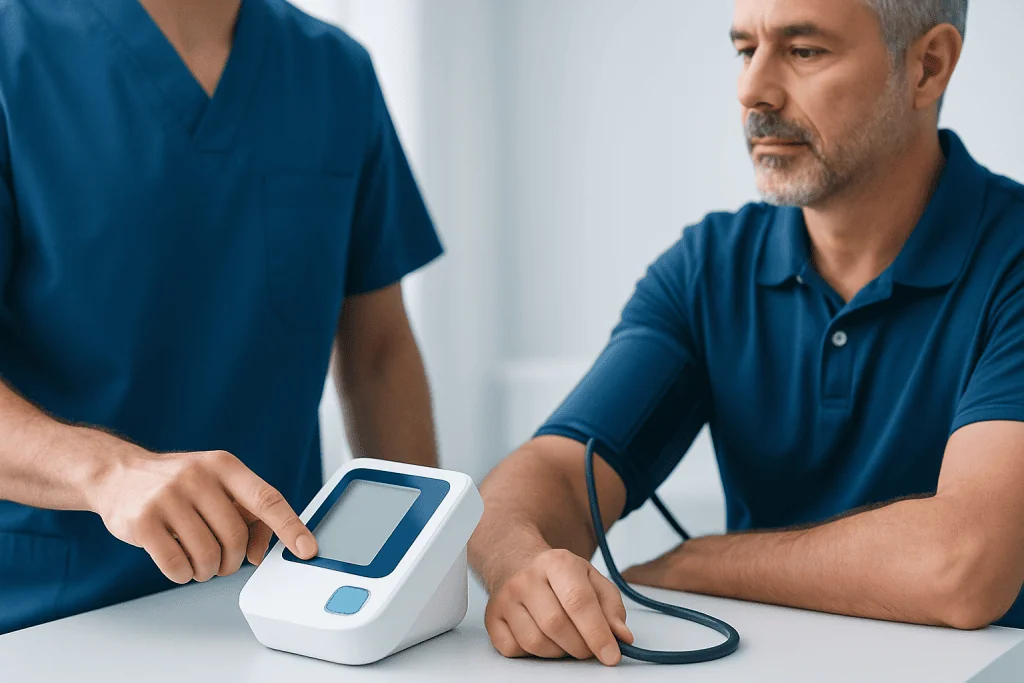
After eating, the digestive system needs more blood flow to help process food. The body responds by adjusting heart rate and the tone of blood vessels so that blood pressure stays in a healthy range. In most people, these automatic changes work smoothly, so blood pressure remains stable or changes only slightly.
A rise can happen when other factors are added to the normal digestive response. Meals high in sodium may temporarily increase fluid retention and vascular tension. Caffeine in coffee, tea, energy drinks, or some sodas can briefly increase blood pressure in sensitive people. Alcohol, large portions, processed foods, and emotional stress during or after a meal may also play a role.
People who already have hypertension may notice these effects more clearly because their blood vessels are less adaptable. In some cases, the issue is not the meal itself but how and when blood pressure is measured. A reading taken immediately after hurrying, talking, smoking, climbing stairs, or feeling anxious may appear meal-related when it is actually influenced by another trigger.
On the other hand, if blood pressure falls after eating, the reason is often that more blood shifts toward the intestines and the body does not compensate well enough. This is why doctors look at both high and low readings after meals rather than assuming one fixed pattern.
Common triggers and risk factors

Several everyday factors may make blood pressure more likely to rise after eating. The most common are high-salt meals, large portions, caffeine, alcohol, and foods that are highly processed. Restaurant meals and packaged convenience foods can contain much more sodium than expected, even when they do not taste especially salty.
Certain health conditions can also increase the chance of abnormal blood pressure changes around mealtimes. These include established hypertension, kidney disease, diabetes, obesity, sleep apnea, thyroid disorders, and cardiovascular disease. Some medications, including decongestants, stimulants, nonsteroidal anti-inflammatory drugs, and some hormone treatments, may contribute to higher readings in some people.
Risk factors for a drop in blood pressure after eating are somewhat different. Older age, Parkinson-related autonomic changes, diabetes-related nerve damage, and dehydration can all make blood pressure regulation less effective. This is one reason a doctor may ask detailed questions rather than focusing only on whether the number went up or down.
- Large or high-sodium meals
- Coffee, energy drinks, or other caffeine sources
- Alcohol intake with meals
- Stress, pain, poor sleep, or nicotine use
- Existing hypertension, diabetes, kidney disease, or heart disease
- Medicines that affect blood pressure or circulation
Symptoms to notice and what may be a red flag
A mild, temporary rise in blood pressure after eating often causes no symptoms at all. Some people may feel warm, flushed, or mildly aware of their heartbeat, especially after a large meal or caffeine. These symptoms alone do not automatically mean there is a serious problem, but they should be tracked if they happen often.
More concerning symptoms deserve prompt attention, especially if they occur together with very high readings or known heart disease. Red flags include chest pain, severe shortness of breath, fainting, confusion, sudden weakness, trouble speaking, or a severe headache unlike usual headaches. These symptoms may point to an urgent condition rather than a simple meal-related change.
Dizziness, shakiness, blurred vision, unusual fatigue, or lightheadedness after meals may suggest blood pressure is falling instead of rising. This distinction matters because the causes, tests, and self-care steps can differ. If home readings vary a lot after eating, keeping a log of symptoms, meal details, and the exact timing of measurements can be very helpful for a clinician.
How doctors evaluate blood pressure changes after eating
If a person is worried that meals are affecting blood pressure, a doctor usually starts with the basics: when the readings were taken, how they were measured, what was eaten, and whether caffeine, alcohol, exercise, pain, or anxiety may have influenced the numbers. The clinician will also review medical history, medications, family history, and any symptoms that happen with the blood pressure change.
Proper blood pressure technique is important because inaccurate measurement is common. The person may be asked to sit quietly for several minutes, use the correct cuff size, keep the arm supported at heart level, and avoid talking during the reading. Doctors often recommend checking blood pressure at consistent times rather than only when a person feels worried.
In some cases, home blood pressure monitoring or 24-hour ambulatory monitoring helps show whether the change is truly meal-related or part of a broader pattern. Depending on the situation, blood tests, kidney function tests, blood sugar testing, heart evaluation, or an assessment for heart rhythm problems may be considered. If hypertension is suspected or already diagnosed, the clinician may discuss lifestyle changes and, when appropriate, treatment for high blood pressure.
The main goal of evaluation is not just to explain one reading. It is to understand whether the person has an underlying blood pressure disorder, a trigger that can be modified, or a condition that needs closer follow-up.
What can help reduce meal-related blood pressure spikes?
For many people, simple habits can reduce short-term blood pressure fluctuations after eating. Choosing smaller portions, limiting very salty or heavily processed foods, and spacing caffeine away from blood pressure checks may help. Eating more slowly and avoiding a large meal after a long period without food can also be useful.
General heart-healthy habits remain the foundation. These include regular physical activity, maintaining a healthy weight, getting enough sleep, not smoking, and following a balanced eating pattern rich in vegetables, fruits, whole grains, legumes, and lean proteins. When a person already has hypertension, consistency with prescribed medicines is important, and medication changes should only be made with a doctor’s guidance.
If symptoms or repeated high readings continue despite these steps, medical advice is appropriate. Some people may need a structured plan that combines home monitoring, nutrition guidance, and cardiovascular assessment. Depending on the findings, a doctor may also look for related conditions such as coronary artery disease or recommend a broader cardiology check-up.
Near the end of the diagnostic journey, some patients benefit from care in a center where internal medicine, cardiology, nutrition, and imaging work together. Acibadem International’s multidisciplinary specialists and JCI-accredited hospitals diagnose and treat cardiovascular concerns for international patients when further evaluation is needed.
When to seek medical care
Medical review is a good idea if blood pressure appears to rise after meals again and again, especially if the increase is noticeable, if home readings are often high, or if the person already has hypertension, diabetes, kidney disease, or heart disease. It is also worth discussing with a doctor if symptoms such as palpitations, persistent headache, dizziness, or unusual fatigue occur regularly after eating.
Urgent care is needed for symptoms that could signal a serious cardiovascular or neurological event. These include chest pain, severe shortness of breath, fainting, confusion, one-sided weakness, trouble speaking, or a sudden severe headache. A very high blood pressure reading with these symptoms should not be ignored.
Even without red-flag symptoms, a clinician should be consulted if blood pressure is consistently elevated, if readings vary widely from one meal to another, or if there is uncertainty about how to measure blood pressure correctly. Early assessment can help distinguish a harmless pattern from a treatable medical issue and can support safer long-term heart health.
Frequently asked questions
Is it normal for blood pressure to go up after eating?
A small short-term change can be normal, and some people notice a mild rise after a large, salty, or caffeinated meal. In many cases, the change is brief and not harmful. What matters is whether the rise is repeated, significant, or linked with symptoms.
Why does my blood pressure seem higher after restaurant meals?
Restaurant meals are often higher in sodium, larger in portion size, and may include caffeine or alcohol, all of which can affect blood pressure. Stress, rushing, and checking blood pressure soon after walking or talking can also influence the reading. Looking at the meal content and the timing of the measurement can help explain the pattern.
Can eating cause low blood pressure instead of high blood pressure?
Yes. Some people develop postprandial hypotension, which means blood pressure drops after meals. This is more common in older adults and in people with diabetes or conditions that affect the autonomic nervous system.
How long should someone wait to check blood pressure after eating?
There is no single rule for every situation, but consistency is important. Many doctors suggest measuring blood pressure at the same times each day and not immediately after eating, exercise, smoking, or caffeine. A clinician can recommend the best schedule based on the person's symptoms and medical history.
Should a person worry about one high reading after a meal?
One isolated reading is usually not enough to diagnose a problem. Blood pressure naturally changes during the day, and many factors can affect a single result. Repeated high readings, especially with symptoms or known risk factors, should be discussed with a doctor.
What foods are most likely to affect blood pressure after eating?
High-sodium processed foods are a common trigger for higher blood pressure readings. Caffeinated drinks and alcohol may also contribute in some people. Keeping a simple food and blood pressure log can help identify personal triggers.
References
- American Heart Association
- Centers for Disease Control and Prevention
- National Heart, Lung, and Blood Institute
- National Institute on Aging
- European Society of Cardiology
This article is for general information only and is not a substitute for professional medical advice. Please consult a qualified doctor about your individual situation.
Explore treatments in Turkey — costs, top hospitals & a free quote
JCI-accredited · board-certified surgeons · reply within 24h
Add us as a Preferred Source to see more of our trusted health content across Google Search, AI Overviews and Discover.
Check your numbers in seconds
BMI, calories, due date, blood pressure and 30+ more clinical calculators — free, instant, doctor-reviewed ranges.

More from the Health Library



Related Specialists

Dr. Melike Erdener Çalışkan
Anesthesiology
Dyt. Elif Derya Cinisli
Nutrition & Diet
Dr. İletişim | 444 55 44
Ophthalmology
Dt. Ayça Aydın Kılavuz
Oral & Dental Health