Does Caffeine Raise Blood Pressure? Causes, Explanations, and Next Steps

Caffeine may cause a brief increase in blood pressure, especially soon after coffee, tea, energy drinks, or caffeine tablets. The effect is often harmless and short-lived, but it varies from person to person.
Key Takeaways
- Caffeine may cause a brief increase in blood pressure, especially soon after coffee, tea, energy drinks, or caffeine tablets.
- The effect is often harmless and short-lived, but it varies from person to person.
- People who are sensitive to caffeine or do not use it regularly may notice a stronger rise.
- Repeated high blood pressure readings should not be blamed on caffeine alone without proper medical evaluation.
- Doctors may use home monitoring, review caffeine intake, and look for underlying hypertension or other heart-related issues.
Yes, caffeine can raise blood pressure for a short time, even in people who do not have hypertension. In many cases this effect is mild and temporary, but persistent high readings or symptoms such as chest pain, severe headache, or shortness of breath should be assessed by a doctor.
Overview: Does caffeine raise blood pressure?
Yes, caffeine can raise blood pressure for a short period of time. For many people, this increase is small and temporary, and it does not necessarily mean there is a serious health problem. The effect is usually most noticeable within the first few hours after consuming coffee, tea, cola, energy drinks, pre-workout products, or caffeine-containing medicines.
Caffeine affects the body in several ways. It can stimulate the nervous system, make the heart work a little harder, and temporarily narrow some blood vessels. These changes can lead to a brief rise in blood pressure, even in people whose usual readings are normal.
What matters most is the pattern. A single high reading after a strong coffee is different from blood pressure that stays elevated over time. If readings are repeatedly high, doctors consider broader causes such as hypertension, stress, sleep problems, diet, medications, kidney disease, or hormonal conditions rather than assuming caffeine is the only explanation.
How caffeine affects blood pressure in the body
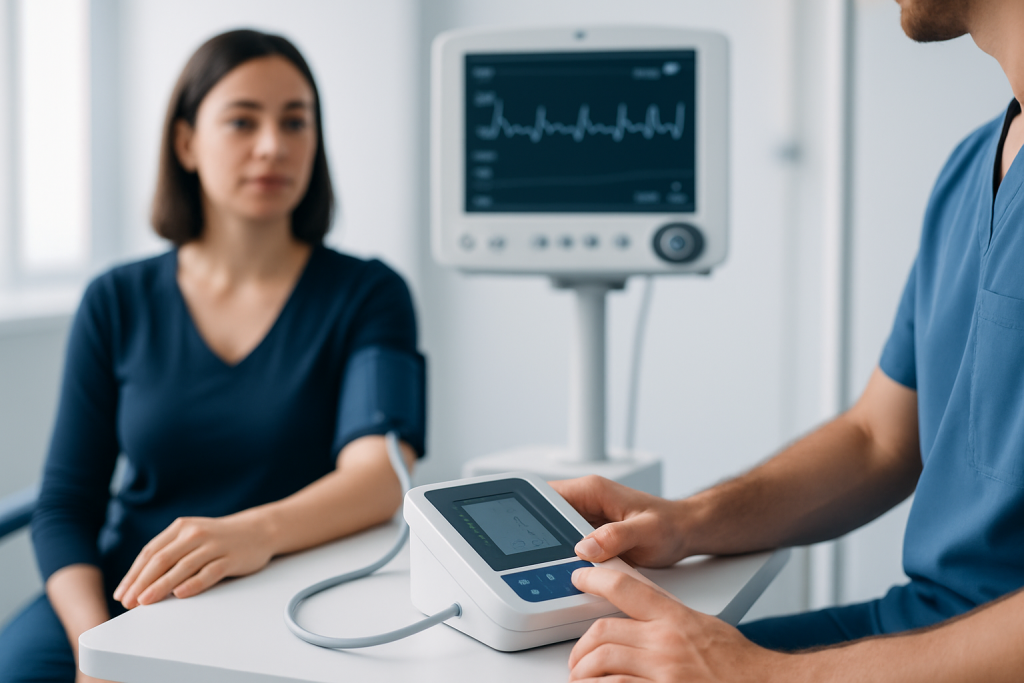
Caffeine is a stimulant. It can block adenosine, a chemical that helps blood vessels relax and supports feelings of tiredness. At the same time, caffeine may increase stress hormones such as adrenaline. Together, these effects can make blood vessels less relaxed and raise blood pressure briefly.
The response is not the same for everyone. People who rarely consume caffeine may feel a stronger effect, while those who have caffeine regularly may develop some tolerance. Genetics, age, body size, sleep, anxiety, and other health conditions can also influence how much blood pressure changes.
The amount and source of caffeine also matter. A small cup of coffee may affect someone differently than a large energy drink or concentrated caffeine supplement. Drinks that also contain sugar or other stimulants can complicate the picture because they may increase heart rate, cause jitters, or lead to dehydration in some people.
It is also important to remember that blood pressure naturally changes throughout the day. Physical activity, pain, stress, nicotine, alcohol, and poor sleep may raise it too. That is why doctors look at repeated measurements, not just one isolated result after caffeine.
Who is more likely to notice a rise?

Some people are more sensitive to caffeine than others. A stronger blood pressure response may be more likely in people who do not usually drink caffeinated beverages, those who consume large amounts at once, and those who are naturally sensitive to stimulants.
People with existing heart or blood pressure concerns may also need to be more careful. This includes individuals with known arrhythmia, anxiety symptoms with palpitations, or established cardiovascular risk factors. Caffeine does not affect every person with these conditions in the same way, but it may worsen symptoms in some cases.
Other factors can increase the chance of noticeable effects:
- Energy drinks or caffeine powders with very high caffeine content
- Combining caffeine with decongestants or stimulant medications
- Sleep deprivation, which can heighten the body’s stress response
- Smoking or nicotine use
- Panic or anxiety episodes
- Pregnancy, when caffeine intake is usually discussed more carefully
People sometimes assume they would “feel” high blood pressure, but that is not always true. Blood pressure can be elevated without obvious symptoms, which is why proper measurement is more reliable than sensations alone.
Symptoms to watch for after caffeine
A mild, temporary rise in blood pressure often causes no symptoms at all. Some people may simply feel more alert or a little restless after caffeine. Others may notice palpitations, flushing, shakiness, or a sense that their heart is beating faster.
These symptoms do not automatically mean something dangerous is happening. They can occur because caffeine stimulates the nervous system, especially if a person has consumed a larger amount than usual. In many cases, symptoms settle as the caffeine wears off.
Still, symptoms should be taken seriously if they are intense, unusual, or recurrent. Medical review is more important if caffeine seems to trigger repeated racing heartbeat, faintness, severe anxiety, or breathlessness. In some people, caffeine may draw attention to an underlying problem that was already present rather than directly causing the whole issue.
Warning signs that should not be ignored include:
- Chest pain or pressure
- Shortness of breath
- Fainting or near-fainting
- Severe headache with very high blood pressure readings
- New weakness, confusion, or trouble speaking
- A very fast or irregular heartbeat that does not settle
How doctors evaluate high blood pressure linked to caffeine
If someone asks whether caffeine is responsible for a high reading, doctors usually begin with the basics: when the reading was taken, how much caffeine was consumed, whether the person was resting, and whether there were any symptoms. They also review medications, supplements, smoking, alcohol, sleep, stress, and family history.
Blood pressure is usually measured more than once, with proper technique. The person may be advised to avoid caffeine, exercise, and smoking for a period before repeat measurements. In some cases, home monitoring or 24-hour ambulatory blood pressure monitoring helps show whether readings are only temporarily high or elevated throughout the day.
Depending on the situation, a clinician may check the heart rhythm, review possible causes of palpitations, or look for signs of established cardiovascular disease. Tests may include blood work, urine tests, an electrocardiogram, or imaging when clinically appropriate. If there are concerns about structural heart problems, further evaluation may involve echocardiography or specialist assessment in cardiology care.
The goal is not only to confirm whether caffeine played a role, but also to avoid missing true hypertension or another condition that needs treatment. A temporary trigger and a chronic blood pressure problem can exist at the same time.
What to do next: practical steps and treatment options
If caffeine appears to raise blood pressure, the first step is usually simple observation and moderation. A person can keep a record of what they consume, note symptoms, and compare blood pressure readings taken at similar times under calm conditions. This often helps reveal whether the effect is occasional or consistent.
Reducing intake may be enough for many people. That may mean choosing smaller servings, switching to lower-caffeine options, avoiding energy drinks, or spacing caffeine earlier in the day. People who consume caffeine daily may prefer to cut back gradually to reduce withdrawal symptoms such as headache or irritability.
If blood pressure remains high despite reducing caffeine, treatment depends on the underlying cause. Lifestyle measures may include salt awareness, regular physical activity, weight management, better sleep, stress reduction, and smoking cessation. When needed, doctors may recommend a structured plan for high blood pressure treatment based on the person’s overall health and risk profile.
For individuals with persistent symptoms such as palpitations or concerning blood pressure patterns, specialist evaluation can be helpful. Near the end of the care pathway, international patients may also seek assessment at Acibadem International, where multidisciplinary specialists in JCI-accredited hospitals evaluate cardiovascular symptoms and related conditions.
Prevention and self-care for safer caffeine use
Self-care begins with knowing personal sensitivity. Someone who becomes jittery, anxious, or develops palpitations after small amounts of caffeine may need to limit it more strictly than someone who tolerates it well. Reading labels is useful because caffeine is not only found in coffee, but also in tea, soft drinks, chocolate, supplements, and some pain relief products.
Home blood pressure monitoring can be helpful when done correctly. Measurements are most useful when taken at rest, seated comfortably, after several quiet minutes, and not immediately after caffeine or exercise. A doctor can explain how often to check and how to interpret the readings.
Helpful habits include:
- Avoiding very large single doses of caffeine
- Being cautious with energy drinks and workout stimulants
- Staying hydrated
- Protecting sleep, since fatigue often leads to higher caffeine intake
- Managing stress and anxiety, which can mimic or amplify caffeine effects
- Following medical advice if there is known heart disease or hypertension
People who are pregnant, have diagnosed heart rhythm problems, or take stimulant-type medicines should discuss caffeine with a qualified doctor. Safe limits can vary depending on the individual’s health situation.
When to seek medical care
Medical care is advisable if blood pressure readings stay high on repeated checks, even after avoiding caffeine for a time. It is also sensible to seek advice if caffeine repeatedly triggers marked palpitations, dizziness, tremor, or anxiety that disrupts daily life.
Urgent medical attention is important for chest pain, severe shortness of breath, fainting, new neurological symptoms, or a very high blood pressure reading accompanied by severe headache or visual changes. These symptoms should not be dismissed as a simple reaction to coffee.
A doctor can help determine whether caffeine is the main trigger, one contributing factor, or a clue to another condition. That evaluation brings reassurance when findings are normal and supports timely treatment when a true blood pressure or heart issue is present.
Frequently asked questions
Does caffeine raise blood pressure in everyone?
No. Caffeine can raise blood pressure temporarily, but the effect varies widely between individuals. Some people notice little change, while others are more sensitive and have a more obvious rise.
How long does caffeine-related blood pressure increase last?
The rise is usually short-term and often happens within the first few hours after caffeine intake. How long it lasts depends on the amount consumed, personal sensitivity, and how quickly the body processes caffeine.
Can coffee cause long-term hypertension?
Coffee may cause a temporary increase in blood pressure, but that is not the same as long-term hypertension. Persistent high blood pressure should be assessed medically rather than attributed to coffee alone.
Should people with high blood pressure stop caffeine completely?
Not always. Some people with high blood pressure can still consume modest amounts, while others may need to limit it more carefully. A doctor can give more personalized advice based on blood pressure readings, symptoms, and other health conditions.
What is the best way to check if caffeine is affecting blood pressure?
A useful approach is to measure blood pressure under similar conditions on different days and compare readings with and without recent caffeine intake. It is best to do this with proper technique and to review the results with a clinician if there is concern.
Are energy drinks more concerning than coffee?
They can be. Energy drinks may contain high amounts of caffeine and sometimes other stimulants, which can make blood pressure and heart symptoms more noticeable in sensitive people. Their effects may be less predictable than a standard cup of coffee.
References
- American Heart Association
- Centers for Disease Control and Prevention
- National Heart, Lung, and Blood Institute
- Mayo Clinic
- European Society of Cardiology
This article is for general information only and is not a substitute for professional medical advice. Please consult a qualified doctor about your individual situation.
Heart care in Turkey — expert evaluation and treatment
JCI-accredited · board-certified surgeons · reply within 24h
Add us as a Preferred Source to see more of our trusted health content across Google Search, AI Overviews and Discover.
Check your numbers in seconds
BMI, calories, due date, blood pressure and 30+ more clinical calculators — free, instant, doctor-reviewed ranges.