

Does Charlie Sheen Have HIV? Here Is What the Evidence Says

Charlie Sheen publicly stated that he has HIV, so the evidence is his own disclosure reported by major news organizations. A person cannot be diagnosed with HIV based on appearance or symptoms alone; testing is required.
Key Takeaways
- Charlie Sheen publicly stated that he has HIV, so the evidence is his own disclosure reported by major news organizations.
- A person cannot be diagnosed with HIV based on appearance or symptoms alone; testing is required.
- Many people with HIV feel well for years, which is why routine testing after possible exposure matters.
- Modern treatment can control HIV effectively and help people live long, active lives.
- Anyone who may have been exposed to HIV should speak with a qualified clinician about testing and prevention options.
Yes. Charlie Sheen publicly disclosed in 2015 that he was living with HIV, and widely cited reporting on the topic is based on that direct statement rather than rumor alone. For readers using this question to understand HIV more broadly, the most helpful next step is to focus on how HIV is diagnosed, what symptoms may or may not appear, and when medical evaluation is important.
Overview: what the evidence says
Yes. Charlie Sheen publicly disclosed in 2015 that he was living with HIV. Because that information came from his own statement and was then repeated by major, established news outlets, it is generally treated as confirmed rather than speculative.
For most readers, however, the more useful medical question is not about a celebrity’s diagnosis but about what HIV is, how it is identified, and what someone should do if they are worried about possible exposure. HIV is a virus that affects the immune system, and early diagnosis is important because treatment can control the virus and protect long-term health.
It is also reassuring to know that HIV cannot be confirmed by guessing from physical appearance, weight changes, or isolated symptoms. Many causes of fatigue, fever, rash, or swollen glands are far more common than HIV, and many people with HIV have no obvious symptoms at all for a long time. That is why doctors rely on laboratory testing, not visual clues or online speculation.
Why symptoms alone do not answer the question
Questions such as “does charlie sheen have hiv” often reflect a broader concern: can HIV be recognized from symptoms alone? In most cases, no. Some people develop a short flu-like illness a few weeks after infection, while others feel completely well. Later, HIV may remain silent for years before causing noticeable health problems.
Common early symptoms, when they happen, can include fever, tiredness, sore throat, rash, swollen lymph nodes, muscle aches, or mouth ulcers. These symptoms are not specific to HIV. Viral infections such as influenza, COVID-19, mononucleosis, or other everyday illnesses can cause a very similar picture.
Because symptoms overlap so much, the safest approach is simple: if there has been a possible exposure, testing is more reliable than waiting for symptoms. A doctor may also ask about timing, sexual history, needle exposure, previous test results, and any related conditions such as HIV/AIDS or other sexually transmitted infections.
How HIV is transmitted and who may be at risk
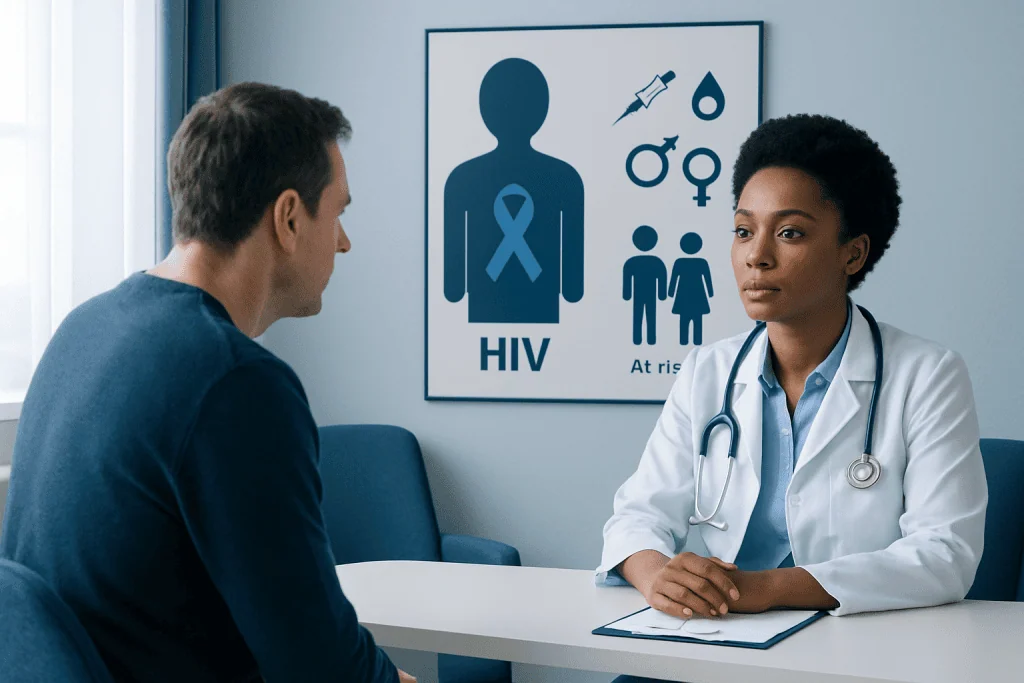
HIV spreads through certain body fluids, most commonly through unprotected sexual contact, sharing injection equipment, or transmission from parent to child during pregnancy, birth, or breastfeeding. It is not spread through hugging, sharing meals, casual contact, toilet seats, coughing, or mosquito bites.
Risk depends on the type of exposure, whether protection was used, whether a partner has HIV, and whether that partner is on effective treatment. A person with HIV who maintains an undetectable viral load on treatment does not sexually transmit the virus to partners. This has changed both care and prevention in important ways.
Doctors usually think about HIV testing when a person has had recent unprotected sex, a new sexual partner, multiple partners, a diagnosis of another sexually transmitted infection, shared needles, or a partner known to have HIV. Risk can also be higher in communities where HIV is more common, even when symptoms are absent.
- Sex without barrier protection
- Needle or syringe sharing
- Known exposure to blood containing HIV
- Another sexually transmitted infection
- Pregnancy, when routine screening is recommended
What a doctor looks for and how HIV is diagnosed
If someone is worried about HIV, the medical review usually begins with a calm, confidential conversation. The clinician asks when the possible exposure happened, what type of exposure occurred, whether symptoms are present, and whether the person has had prior HIV testing. This timing matters because tests become accurate at different points after exposure.
The diagnosis itself is made with blood testing. Many modern tests look for both HIV antibodies and p24 antigen, which can identify infection earlier than older antibody-only tests. If a screening test is reactive, follow-up confirmatory testing is done to establish the diagnosis clearly and accurately.
When HIV is confirmed, doctors may order additional tests such as viral load, CD4 cell count, and screening for other infections. These results help guide treatment and monitor the immune system. In some cases, the care pathway also includes counseling on prevention for partners and discussion of HIV treatment.
If a person seeks care very soon after a possible exposure, a clinician may also discuss emergency prevention. This is time-sensitive, so prompt medical advice is important rather than waiting for symptoms to appear.
Treatment today and what living with HIV can look like
Modern HIV care is highly effective. Treatment uses antiretroviral medicines to reduce the amount of virus in the body, often to an undetectable level. Starting treatment early helps protect the immune system, reduce complications, and prevent transmission to sexual partners.
Many people living with HIV work, travel, have relationships, and plan families. Ongoing care usually includes regular follow-up visits, blood tests, support with medication adherence, and screening for related health concerns. The outlook has improved greatly with consistent treatment.
Doctors may also address related conditions, vaccinations, mental health, and general preventive care. If symptoms suggest complications or another infection, the person may need further evaluation. Depending on the clinical picture, other services such as infectious diseases treatment or sexual health counseling may be helpful.
For international patients who need coordinated evaluation, Acibadem International’s multidisciplinary specialists in JCI-accredited hospitals diagnose and treat HIV-related concerns as part of broader infectious disease care.
Prevention, self-care, and reducing anxiety after possible exposure
If there has been a possible exposure to HIV, practical steps can reduce both risk and uncertainty. The most important first step is to avoid making assumptions based on symptoms. Instead, arrange appropriate testing, follow the clinician’s advice about timing, and use protection during sex until the situation is clear.
Preventive strategies may include condoms, regular screening, not sharing injection equipment, and discussing pre-exposure prophylaxis if risk is ongoing. For people with a recent higher-risk exposure, urgent medical advice matters because post-exposure prevention may be considered in a limited time window.
Self-care also includes addressing the stress that often follows a health scare. Reliable information, honest communication with partners, and support from qualified professionals can make the process more manageable. People being evaluated may also benefit from assessment for related conditions such as sexually transmitted diseases when clinically appropriate.
When to seek medical care
Medical review is a good idea any time someone thinks they may have been exposed to HIV, even if they feel completely well. This is because early infection may cause mild symptoms or none at all, and testing is the only way to know. Prompt care is especially important after unprotected sex with a partner of unknown HIV status, a known exposure to HIV, or shared needle use.
Urgent care is warranted if the possible exposure was recent and the person wants to discuss emergency preventive treatment. A clinician can determine whether that option is appropriate based on the time since exposure and the type of contact.
Someone should also seek medical attention for persistent fever, unexplained weight loss, ongoing diarrhea, severe fatigue, swollen lymph nodes, recurrent infections, or mouth sores, although these symptoms do not prove HIV. They simply mean professional assessment is appropriate. In some cases, doctors may evaluate for other infections or related concerns and consider services such as a medical check-up to guide next steps.
Frequently asked questions
Does Charlie Sheen have HIV?
Yes. Charlie Sheen publicly disclosed that he was living with HIV in 2015, and subsequent reporting has relied on that direct statement. From an evidence standpoint, this is stronger than rumor or speculation because it came from the individual himself.
Can someone tell if a person has HIV just by looking at them?
No. HIV cannot be diagnosed by appearance alone, and many people with HIV look and feel well for long periods. Laboratory testing is required to confirm or rule out infection.
What are the first symptoms of HIV?
Some people develop flu-like symptoms such as fever, rash, sore throat, swollen glands, or fatigue within a few weeks of infection. Others have no symptoms at all. Because these symptoms are common in many illnesses, they are not enough to diagnose HIV.
How soon after exposure should someone get tested for HIV?
Testing should be discussed as soon as possible after a potential exposure, because the right test depends on timing. Some tests can detect infection earlier than others, and a clinician may recommend repeat testing if the first test is done very soon after exposure.
Is HIV treatable today?
Yes. Modern antiretroviral treatment can control the virus very effectively and help protect the immune system. With consistent care, many people with HIV live long, active lives.
When should someone seek urgent medical advice after a possible HIV exposure?
Urgent advice is important if the exposure was recent, especially after unprotected sex with a partner known to have HIV or after sharing needles. A clinician can assess whether time-sensitive preventive treatment may be appropriate and arrange testing and follow-up.
This article is for general information only and is not a substitute for professional medical advice. Please consult a qualified doctor about your individual situation.
Explore treatments in Turkey — costs, top hospitals & a free quote
JCI-accredited · board-certified surgeons · reply within 24h
Add us as a Preferred Source to see more of our trusted health content across Google Search, AI Overviews and Discover.

More from the Health Library

Do You Burn More Calories on Your Period? Causes, Explanations, and Next Steps
Do Women Have Adam’s Apples? Here Is What the Evidence Says
What Are Nitrates? Causes, Explanations, and Next Steps

Does Watermelon Make You Poop? Here Is What the Evidence Says
What Is Rapeseed? Here Is What the Evidence Says
Is Psoriasis Dangerous? Causes, Explanations, and Next Steps
Infectious Diseases & Clinical Microbiology Specialists at Acibadem
Dr. Dilara Akman
Infectious Diseases & Clinical Microbiology
Dr. Ersen Hürmüzlü
Infectious Diseases & Clinical Microbiology
Dr. Fatma Erbay Apaydın
Infectious Diseases & Clinical Microbiology
Dr. Hakan Kutlu
Infectious Diseases & Clinical Microbiology