Does Hormonal Therapy Cause Cancer: How It Works, Results and What to Expect

Cancer-directed hormonal therapy slows or blocks hormone-sensitive cancer growth rather than causing cancer. Risks vary by medicine, dose, treatment duration, age, medical history and the type of hormone exposure.
Key Takeaways
- Cancer-directed hormonal therapy slows or blocks hormone-sensitive cancer growth rather than causing cancer.
- Risks vary by medicine, dose, treatment duration, age, medical history and the type of hormone exposure.
- Hormone replacement therapy is not automatically unsafe, but it requires individualized discussion because some forms may increase the risk of certain cancers or blood clots.
- Hormonal therapy is generally less likely than chemotherapy to cause severe nausea, low blood counts or infection, but it can still cause meaningful side effects.
- Regular follow-up helps clinicians manage symptoms, monitor treatment response and reassess whether treatment remains appropriate.
Hormonal therapy used to treat cancer does not usually cause cancer; it blocks or lowers hormones that can help certain cancers grow. However, hormone replacement therapy and cancer-directed hormonal therapy are different treatments, with different benefits, risks and monitoring needs.
Does hormonal therapy cause cancer?
Hormonal therapy for cancer does not usually cause cancer. It is used to lower, block or counteract hormones that can stimulate the growth of some breast, prostate and gynecological cancers. For people with hormone-sensitive cancer, it can reduce the chance of recurrence, slow cancer growth or help shrink disease alongside other treatments.
Confusion often arises because the term “hormone therapy” can describe two very different approaches. Cancer-directed hormonal therapy, also called endocrine therapy, aims to prevent hormones from supporting cancer cells. Hormone replacement therapy (HRT), commonly used for menopausal symptoms, adds hormones and may affect the risk of certain cancers depending on the formulation, duration of use and a person’s health history.
The right question is therefore not simply whether hormonal therapy causes cancer, but which hormone treatment is being considered, why it is needed and what individual factors may change its balance of benefit and risk. An oncology or menopause specialist can explain this in the context of a person’s diagnosis and treatment goals.
How hormone therapy works in cancer care
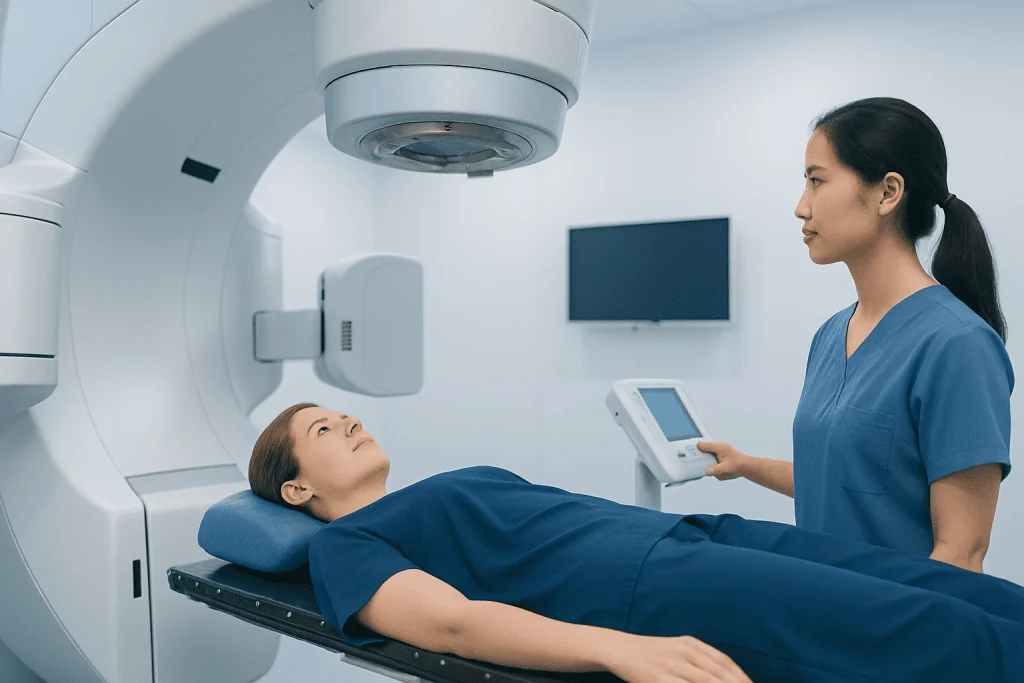
Some cancers have receptors—special proteins on or inside cells—that respond to hormones. Estrogen can promote the growth of many breast and some gynecological cancers, while testosterone can promote the growth of most prostate cancers. Testing a tumor for hormone receptors helps the clinical team determine whether hormonal therapy is likely to help.
Depending on the cancer, treatment may block hormone receptors, reduce hormone production, prevent hormone conversion in body tissues or suppress hormone signals from the brain to the ovaries or testes. Common examples include anti-estrogen medicines and aromatase inhibitors for breast cancer, and androgen-deprivation treatment for prostate cancer. These treatments may be given as tablets, injections, implants or, less commonly, surgery that reduces hormone production.
Hormonal therapy may be used before surgery to help control a tumor, after surgery or radiation to lower recurrence risk, or as ongoing treatment for advanced cancer. It is distinct from chemotherapy: it targets hormone signaling rather than broadly attacking rapidly dividing cells. It may also be combined with surgery, radiation, chemotherapy, targeted medicines or immunotherapy when clinically appropriate.
Who may be a candidate and what happens during treatment

Candidacy is based primarily on the cancer type and receptor test results. A person may be offered hormonal therapy when their breast cancer is estrogen- or progesterone-receptor positive, or when prostate cancer depends on androgens for growth. The treatment plan also considers cancer stage, menopausal status, previous treatments, fertility wishes, bone health, heart and vascular history, liver health and other medicines.
Before treatment begins, the team reviews pathology findings and imaging, discusses expected benefits and checks for conditions that could affect safety. Some people need baseline blood tests, bone-density assessment or cardiovascular risk assessment. The clinician should also review any use of menopausal hormones, testosterone products, herbal supplements or medicines that may interact with treatment.
The practical process is usually straightforward. After a consultation and informed decision, tablets are taken at home on a prescribed schedule or injections are administered at planned intervals. Follow-up visits assess side effects, adherence and signs that the cancer is responding or remains controlled. Imaging and laboratory testing are selected according to the cancer type and treatment setting rather than performed on one fixed schedule for everyone.
- Bring an updated list of medicines, supplements and prior hormone treatments to appointments.
- Ask what symptoms should be reported promptly and which monitoring tests are recommended.
- Do not stop a prescribed hormonal cancer treatment without first speaking with the treating team, as alternatives or symptom-management options may be available.
Benefits, risks and recovery timeline
The main benefit of cancer hormonal therapy is control of hormone-sensitive disease. In early-stage cancer, it may lower the risk of cancer returning. In advanced disease, it may slow growth, relieve cancer-related symptoms and extend the period of disease control. Its effectiveness depends on the tumor biology, cancer stage, consistency of treatment and whether resistance develops over time.
There is usually no surgical recovery period, and many people continue regular activities during treatment. Side effects can begin within days to weeks, while some long-term effects develop gradually. Follow-up is important because symptom relief and medication adjustments can make treatment more manageable.
Possible effects vary by treatment. Estrogen-lowering or blocking treatments can cause hot flashes, night sweats, vaginal dryness, joint or muscle discomfort, fatigue and changes in mood or sleep. Some treatments can affect bone density. Certain anti-estrogen medicines can rarely raise the risk of blood clots or changes in the uterus, while prostate cancer hormone suppression can contribute to hot flashes, sexual changes, reduced bone density, weight or metabolic changes, fatigue and mood changes.
Not every symptom is caused by hormonal therapy, and not every person experiences the same effects. Prompt reporting helps the team investigate concerning symptoms and provide supportive care. Depending on the situation, clinicians may adjust the medicine, recommend physical activity and bone-protective measures, address sexual health concerns or involve other specialists.
What is the success rate of hormone therapy for cancer?
There is no single success rate for hormone therapy for cancer. Outcomes differ substantially by cancer type, receptor status, stage, grade, genetic features, other treatments and whether the therapy is being used to reduce recurrence risk or to control advanced disease.
For hormone-receptor-positive early breast cancer, endocrine therapy is an established part of treatment because it meaningfully reduces the likelihood of recurrence for many patients. For prostate cancer, androgen-deprivation therapy is often highly effective at lowering testosterone and controlling disease for a time, especially when combined with other treatments in selected settings. However, cancer cells can sometimes adapt and become less responsive.
The treating oncologist can provide the most useful estimate by interpreting the individual pathology report, imaging findings and overall treatment plan. It is reasonable to ask what the therapy is intended to achieve, how response will be assessed and what options are available if the treatment does not work as expected.
How risky is hormone therapy? Is hormone therapy as bad as chemotherapy?
Hormone therapy has real risks, but they are not the same for everyone and are often manageable with monitoring. The overall risk depends on the specific drug, how long it is used, existing health conditions and the reason for treatment. For a person with hormone-sensitive cancer, the expected benefit may outweigh treatment risks; this decision should be revisited regularly as circumstances change.
Hormonal therapy is generally not “as bad as” chemotherapy because the two treatments work differently and have different typical side-effect patterns. Chemotherapy more commonly causes low blood counts, infection risk, severe nausea, mouth sores and hair loss, although experiences vary greatly by regimen. Hormonal therapy usually does not cause these effects, but it can cause persistent symptoms such as hot flashes, joint pain, sexual changes, fatigue and bone loss that can significantly affect quality of life.
Some rare or serious complications require urgent assessment. These can include symptoms of a blood clot, sudden chest pain, severe shortness of breath, new neurological symptoms, unexpected vaginal bleeding, severe depression or thoughts of self-harm. The care team can explain the particular warning signs associated with the prescribed medicine.
Why are doctors so against hormone replacement therapy?
Doctors are not universally against hormone replacement therapy. HRT can be an effective option for troublesome menopausal symptoms for carefully selected people, particularly when started at an appropriate time and used at the lowest effective approach for the individual. However, it is not suitable for everyone, and clinicians weigh potential benefits against known risks.
Combined estrogen-progestogen HRT may increase breast cancer risk with longer use, while different forms of estrogen and progestogen have different risk profiles. Systemic estrogen can also be unsuitable for people with a history of certain hormone-sensitive cancers, unexplained vaginal bleeding, blood clots, stroke or particular liver conditions. Estrogen-only HRT is used in some people who have had a hysterectomy, but it also needs individualized assessment.
For people with a history of hormone-receptor-positive breast cancer, systemic HRT is generally avoided because it could stimulate remaining hormone-sensitive cancer cells. Non-hormonal approaches and carefully selected local treatments may sometimes be considered, but only after discussion with the oncology and gynecology teams. Menopausal symptom care should be personalized rather than based on a general fear of all hormones.
When to seek medical care
People taking hormonal therapy should contact their treatment team if side effects are interfering with everyday life, if symptoms are new or worsening, or if they are considering stopping treatment. A clinician can often identify treatable causes, offer symptom support or discuss safe alternatives. Follow-up appointments should be kept even when a person feels well.
Urgent medical assessment is important for chest pain, sudden shortness of breath, coughing blood, one-sided leg swelling or pain, sudden severe headache, weakness, difficulty speaking, fainting, or unusual heavy vaginal bleeding. These symptoms do not always indicate a treatment complication, but they need prompt evaluation.
Acibadem International’s multidisciplinary specialists and JCI-accredited hospitals diagnose and treat hormone-sensitive cancers for international patients, coordinating oncology care with gynecology, urology, radiology and supportive services when needed.
Frequently asked questions
Can hormone therapy make cancer spread?
Cancer-directed hormonal therapy is intended to slow or stop the growth of cancers that rely on hormones. It does not make hormone-sensitive cancer spread. If cancer progresses during treatment, it may mean the tumor has become less responsive and the oncology team can review other options.
How long does hormonal therapy for cancer last?
The duration depends on the cancer type, stage, treatment goal and the medicine used. Some people take treatment for several years after early breast cancer, while others continue therapy for advanced cancer as long as it is working and remains tolerable. The plan is individualized and reviewed over time.
Can hormonal therapy cause hair loss?
Major hair loss is less common with hormonal therapy than with many chemotherapy regimens. Some people may notice mild hair thinning or changes in hair texture, depending on the medicine and other health factors. Persistent or sudden hair loss should be discussed with the care team.
Can a person take hormone replacement therapy after breast cancer?
Systemic HRT is usually avoided after hormone-receptor-positive breast cancer because of concern that hormones could stimulate cancer cells. In selected circumstances, symptom-management options may include non-hormonal treatments or carefully considered local therapies. Decisions should be made jointly with an oncologist and menopause or gynecology specialist.
What should a person do if hormonal therapy side effects are difficult?
They should tell the oncology team rather than stopping the medication on their own. Many symptoms can be managed with lifestyle measures, supportive medicines, rehabilitation, counseling or a change in the treatment approach. The team can balance symptom relief with continued cancer control.
References
- National Cancer Institute
- American Cancer Society
- American Society of Clinical Oncology
- National Health Service
- World Health Organization
This article is for general information only and is not a substitute for professional medical advice. Please consult a qualified doctor about your individual situation.
Oncology care in Turkey — second opinion and treatment plan
JCI-accredited · board-certified surgeons · reply within 24h
Add us as a Preferred Source to see more of our trusted health content across Google Search, AI Overviews and Discover.