Does Lifting Weights Burn Fat? Here Is What the Evidence Says

Lifting weights can reduce body fat, especially over time and when paired with an appropriate eating pattern. Strength training helps preserve or build muscle, which supports a healthier body composition during weight loss.
Key Takeaways
- Lifting weights can reduce body fat, especially over time and when paired with an appropriate eating pattern.
- Strength training helps preserve or build muscle, which supports a healthier body composition during weight loss.
- Fat loss depends on overall energy balance, sleep, recovery, consistency, and total physical activity—not one workout type alone.
- Many people benefit from combining resistance training with aerobic exercise rather than choosing only one.
- Unexplained weight changes, severe fatigue, chest pain, or exercise intolerance should be assessed by a doctor.
Yes, lifting weights can help burn fat. It usually works best not by causing the biggest calorie burn during the workout itself, but by helping preserve or build muscle, improving body composition, and supporting long-term energy balance when combined with nutrition and regular activity.
Overview: can lifting weights really help burn fat?
For most healthy adults, lifting weights can support fat loss and improve body composition. The answer is usually yes, but the effect is often misunderstood: strength training may not always burn as many calories during a single session as some forms of cardio, yet it helps the body keep or gain lean muscle while losing fat over time.
This matters because the number on the scale does not tell the whole story. A person can lose fat, maintain muscle, and become stronger even if body weight changes slowly. In clinical terms, resistance training is a well-supported part of a fat-loss plan because it helps protect lean mass, supports physical function, and contributes to long-term metabolic health.
In everyday practice, the most reliable results come from combining weight training with sustainable nutrition, daily movement, and adequate sleep. Rather than asking whether weights or cardio are better in absolute terms, it is often more useful to ask which mix can be done safely and consistently for months, not just days.
How weight training affects body fat
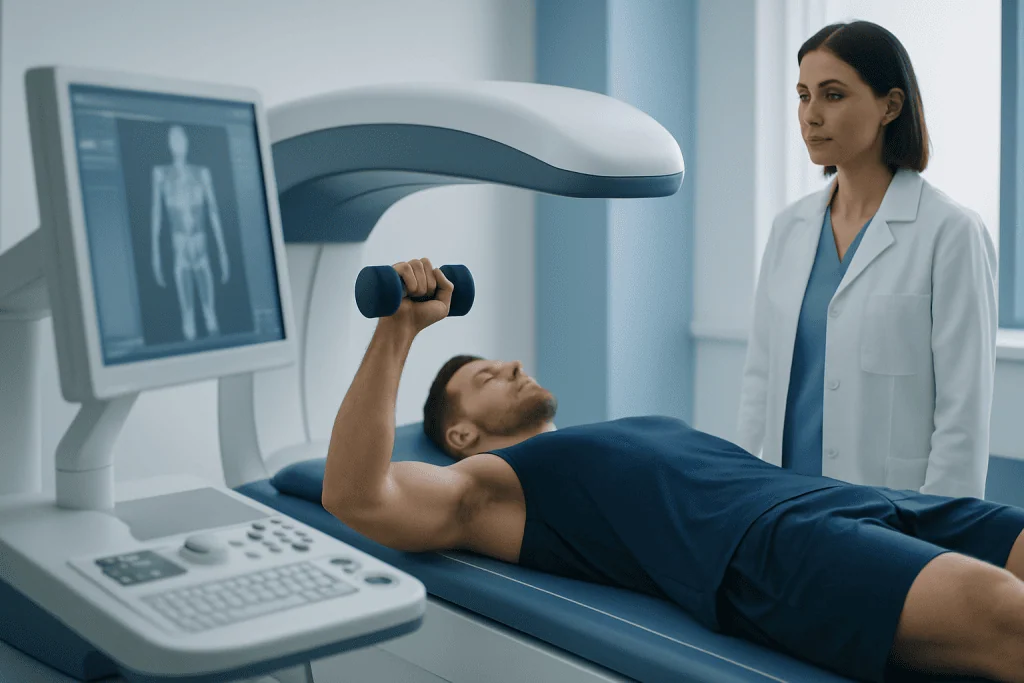
Lifting weights increases energy use during exercise, but its broader effect on fat loss comes from several mechanisms working together. Resistance exercise creates a training stimulus that encourages the body to maintain or build muscle tissue. Muscle is metabolically active tissue, so preserving it during weight loss can support daily energy needs and reduce the drop in resting metabolism that sometimes accompanies dieting.
Strength training also raises post-exercise energy use for a period after the workout, sometimes called excess post-exercise oxygen consumption. This effect should not be exaggerated, but it contributes to total energy expenditure. More importantly, regular training can improve insulin sensitivity, physical capacity, and tolerance for other activities, making an overall active lifestyle easier to maintain.
Another key point is appetite and adherence. Some people find that weight training helps them feel stronger, more capable, and more motivated to continue healthy habits. When a program is enjoyable and practical, it is more likely to be sustained, and sustained habits are what drive meaningful fat loss.
People who are also interested in medically supervised approaches to body weight may discuss broader options such as obesity treatment strategies with a specialist when lifestyle changes alone are not enough.
What the evidence says about fat loss with weights

Research consistently shows that resistance training can reduce body fat, particularly when combined with a nutrition plan that supports an appropriate calorie deficit. It is especially valuable during weight loss because it helps limit the loss of lean body mass. This is one reason many clinicians recommend strength training even when the main goal is fat reduction rather than athletic performance.
Studies comparing exercise types often find that aerobic exercise may lead to a larger immediate calorie burn, while resistance training has strong benefits for preserving muscle, strength, bone health, and body composition. In many cases, the best outcomes come from doing both. A mixed routine can help increase total calorie expenditure, improve cardiovascular fitness, and support maintenance of muscle mass.
The response also varies from person to person. Age, sex, training experience, sleep, hormone status, nutrition, medications, and underlying health conditions all influence how quickly visible changes occur. A person who begins lifting weights may notice improved strength and clothing fit before the scale changes significantly, which can still reflect meaningful fat loss.
Why the scale may not change quickly
One common source of confusion is that lifting weights can improve body composition without producing rapid weight loss. If a person loses some fat while gaining or preserving muscle, total body weight may stay the same or decline slowly. This does not mean the program is failing. Waist circumference, strength progression, energy levels, and how clothes fit may provide more useful information than body weight alone.
Short-term fluctuations are also normal. Water retention can increase after a new or intense strength-training program because muscles store glycogen and recover from training stress. This temporary shift can mask fat loss on the scale for days or even weeks. Looking at longer trends is usually more helpful than focusing on daily changes.
For people with obesity or weight-related health concerns, evaluation may include screening for related conditions such as obesity and metabolic risk factors. In some cases, a doctor may suggest a structured plan that includes nutrition counseling, exercise guidance, behavior support, and further testing if progress is unexpectedly limited.
How to use lifting weights for fat loss effectively
A practical fat-loss program usually includes resistance training two to four times per week, with enough challenge to stimulate the muscles safely. Many people do well with exercises that train the major muscle groups, such as squats or sit-to-stand patterns, hinges, pushes, pulls, and core work. Progress can come from gradually increasing resistance, repetitions, training volume, or movement quality over time.
Nutrition remains central. It is difficult to lose body fat if calorie intake consistently exceeds calorie use, even with regular exercise. Many people benefit from an eating pattern built around adequate protein, vegetables, fruit, whole grains, legumes, and mostly unsaturated fats, while limiting highly processed foods and sugary drinks. Extreme diets are often harder to sustain and may increase muscle loss if protein intake is too low.
Aerobic exercise can complement weights well. Walking, cycling, swimming, or interval-style cardio may help increase total activity and support heart health. For some patients, clinicians may also assess whether conditions such as diabetes or thyroid disease are affecting weight management, especially when fatigue, excessive thirst, or other symptoms are present.
Recovery should not be overlooked. Sleep, hydration, rest days, and stress management all influence hormones, appetite, training quality, and consistency. If pain limits activity or recovery is difficult, a doctor or physiotherapist may advise a more individualized plan.
Common misconceptions and realistic expectations
A common myth is that lifting weights “turns fat into muscle.” Fat and muscle are different tissues, so one does not convert into the other. What actually happens is that the body can lose fat while maintaining or gaining muscle through training, diet, and recovery. This changes body composition even if body weight changes modestly.
Another misconception is that very light weights with high repetitions are uniquely better for fat loss. In reality, fat loss depends mainly on overall energy balance and adherence. A range of resistance-training styles can be effective if the exercises are challenging enough, performed with good technique, and progressed gradually.
People also sometimes expect spot reduction, such as losing belly fat by doing abdominal exercises alone. Current evidence does not support targeted fat loss from one body area through local exercise. Overall fat reduction tends to occur across the body according to genetics, hormones, age, and total lifestyle factors.
Finally, progress is not always linear. Plateaus are common and do not automatically mean something is wrong. Reviewing sleep, stress, nutrition, physical activity, training intensity, and medical factors is often more useful than making sudden, extreme changes.
When to seek medical care
In many cases, slow fat loss or delayed changes on the scale are not a sign of illness. However, medical review is sensible if there is unexplained weight gain or weight loss, extreme fatigue, dizziness, fainting, chest pain, shortness of breath out of proportion to effort, or new swelling. Exercise should also be assessed if it repeatedly causes palpitations, severe headaches, or significant joint pain.
A doctor may also be helpful when body composition changes remain very difficult despite a consistent program, especially if there are symptoms that suggest a hormonal or metabolic issue. These can include irregular menstrual cycles, hair thinning, cold intolerance, constipation, excessive thirst, increased urination, snoring with daytime sleepiness, or signs of low mood and disordered eating.
Assessment usually begins with a medical history, review of diet and activity, physical examination, and sometimes blood tests. Depending on the situation, testing may include blood glucose, HbA1c, thyroid function, lipid levels, liver markers, or evaluation for sleep or hormone-related problems. When appropriate, specialists may discuss options ranging from lifestyle medicine to endocrinology assessment or bariatric surgery for selected patients.
For international patients who need further evaluation, Acibadem International’s multidisciplinary specialists in JCI-accredited hospitals diagnose and manage weight-related conditions with individualized treatment plans.
Frequently asked questions
Does lifting weights burn fat or just build muscle?
It can do both. Strength training helps the body use energy, and it also supports muscle maintenance or growth, which improves body composition and can make fat loss more effective over time.
Is cardio better than weights for losing fat?
Cardio often burns more calories during the workout itself, but weights help preserve lean muscle and support long-term body composition. For many people, the most effective plan includes both rather than choosing one alone.
How often should someone lift weights for fat loss?
Many adults benefit from resistance training two to four times per week, depending on fitness level, recovery, and goals. The best schedule is one that is safe, progressive, and realistic enough to maintain consistently.
Why is body weight not dropping even though strength is improving?
A person may be losing fat while maintaining or gaining muscle, which can slow visible change on the scale. Water retention after training can also temporarily mask fat loss, especially after starting a new program.
Can lifting weights reduce belly fat?
It can help reduce overall body fat, which may include abdominal fat over time. However, exercise cannot reliably target fat loss from one specific area alone.
Should someone change diet as well as start lifting weights?
Usually yes. Nutrition plays a major role in fat loss, and strength training works best when paired with an eating pattern that supports an appropriate calorie intake, adequate protein, and overall health.
References
- World Health Organization
- American College of Sports Medicine
- Centers for Disease Control and Prevention
- National Institutes of Health
- Academy of Nutrition and Dietetics
This article is for general information only and is not a substitute for professional medical advice. Please consult a qualified doctor about your individual situation.
Medical weight-loss options in Turkey — costs & eligibility
JCI-accredited · board-certified surgeons · reply within 24h
Add us as a Preferred Source to see more of our trusted health content across Google Search, AI Overviews and Discover.
Check your numbers in seconds
BMI, calories, due date, blood pressure and 30+ more clinical calculators — free, instant, doctor-reviewed ranges.