Does Menstrual Flow Stop in Water? Here Is What the Evidence Says

Menstrual flow does not truly stop in water; it may only appear to slow. Water pressure can reduce visible bleeding while swimming or bathing.
Key Takeaways
- Menstrual flow does not truly stop in water; it may only appear to slow.
- Water pressure can reduce visible bleeding while swimming or bathing.
- Heavy bleeding, severe pain, large clots, or dizziness are not explained by water and should be medically assessed.
- Tampons, menstrual cups, and period swimwear can help manage bleeding in water.
- A doctor can check for underlying causes if periods are unusually heavy, painful, or irregular.
Menstrual flow usually does not fully stop in water. Water pressure may temporarily reduce how much blood leaves the body, so bleeding can seem lighter, but the period itself continues.
Overview: what really happens to menstrual flow in water
In most cases, this is harmless and normal: menstrual flow does not actually stop in water, but it often looks as if it does. The pressure of the water against the body can temporarily reduce how much blood leaves the vagina, especially during swimming or sitting in a bath. Once a person stands up, coughs, laughs, or leaves the water, some blood may flow again.
This means the period itself is still ongoing. The uterus continues shedding its lining, and hormonal changes do not pause because someone enters a pool, bath, or sea. What changes is mainly the visible flow, not the biological process.
Most of the time, there is no medical concern if bleeding seems lighter in water. However, if a person also has very heavy periods, severe cramps, fainting, large clots, or bleeding between periods, those symptoms deserve medical review because they may point to another issue rather than an effect of water alone.
Why bleeding may seem to stop in water
The main reason is simple water pressure. When the body is submerged, the pressure from the surrounding water can slightly counteract the downward flow of menstrual blood. This can make bleeding appear reduced for a short time, particularly during gentle movement or stillness in the water.
Flow also varies naturally throughout the day. A lighter moment in the menstrual cycle may happen to coincide with being in water, which can reinforce the impression that water has stopped the period. In reality, menstrual bleeding often changes from hour to hour even without swimming or bathing.
It is also important to remember that menstrual blood is not released as one continuous stream. It usually comes out in small amounts mixed with tissue and mucus. Because of this pattern, there may be moments in water when nothing is visible at all, followed by some bleeding afterward.
This is different from a complete blockage. Water does not seal the vagina or stop the uterus from contracting. Instead, it may only delay or lessen the outward release of blood while a person is submerged.
Swimming, bathing, and water activities during a period

For most people, swimming during a period is safe and can be comfortable. A period does not usually prevent participation in water exercise, leisure swimming, or bathing. Some people even find that warm water helps them feel more relaxed and temporarily eases cramping.
However, a pool or bath is not a reliable way to manage bleeding. Once a person gets out of the water, menstrual flow may resume more noticeably. For that reason, many people prefer to use a tampon, menstrual cup, or period swimwear for practical protection and comfort.
Helpful options may include:
- Tampons, changed as directed on the product label
- Menstrual cups, inserted and removed according to instructions
- Period swimwear designed to absorb light flow or serve as backup protection
- Bringing a towel and a change of clothing for after swimming
If periods are consistently very heavy, painful, or disruptive to normal activities, a medical assessment may help identify whether an underlying condition is contributing. Related concerns can sometimes overlap with menstrual irregularity or other gynecologic problems.
Common myths and what the evidence supports
One common myth is that water completely stops periods. Evidence and basic anatomy do not support this. Menstrual bleeding may be less visible in water, but the menstrual cycle continues normally.
Another myth is that menstrual blood will freely cloud a pool or sea. In practice, that is uncommon. The amount of blood released at any one moment is usually small, and water pressure may limit visible leakage while submerged. Using a tampon or menstrual cup can further reduce the chance of any leakage during swimming.
Some people also worry that swimming during a period is unhygienic or unsafe. For most healthy individuals, it is neither. Menstruation itself is not a reason to avoid water, and ordinary hygiene practices are usually enough. The choice to swim is mainly about comfort, flow control, and personal preference.
A final misconception is that period pain or heavy flow in water always means something is wrong. Many people notice no major change, while others may feel some relief or some inconvenience. What matters most is the overall pattern: symptoms that are persistent, severe, or worsening deserve attention regardless of whether they happen in water.
When menstrual symptoms may need medical attention
Although apparent changes in flow in water are usually normal, certain symptoms should not be ignored. These include soaking through pads or tampons very quickly, passing large clots, feeling faint, experiencing shortness of breath, or having pain severe enough to interfere with daily life. These signs are not explained simply by being in water.
Medical review is also sensible if periods suddenly become much heavier than usual, last much longer than usual, occur unpredictably, or happen between periods. These changes can sometimes be linked with hormone imbalance, fibroids, adenomyosis, polyps, bleeding disorders, pregnancy-related issues, or conditions such as endometriosis.
Severe cramps, pelvic pressure, pain during sex, or chronic fatigue are other reasons to seek assessment. While many menstrual changes are benign, a clinician can help determine whether symptoms fit a normal range or suggest a treatable cause.
If there is bleeding after menopause, urgent evaluation is especially important. Menopause-related bleeding patterns should always be discussed with a doctor rather than assumed to be a variation of normal menstruation.
How doctors evaluate heavy, painful, or unusual periods
If someone seeks care, a doctor will usually begin by asking detailed questions about the menstrual cycle. This may include when the bleeding started, how long it lasts, how many products are used, whether clots are present, whether pain is cyclical, and whether symptoms affect school, work, sleep, or exercise. Pregnancy possibility, medications, and family history may also be relevant.
A physical examination may follow, depending on age, symptoms, and individual needs. Doctors may also recommend laboratory tests to check for anemia, pregnancy, thyroid problems, or clotting issues. These steps help distinguish normal variation from a condition that needs treatment.
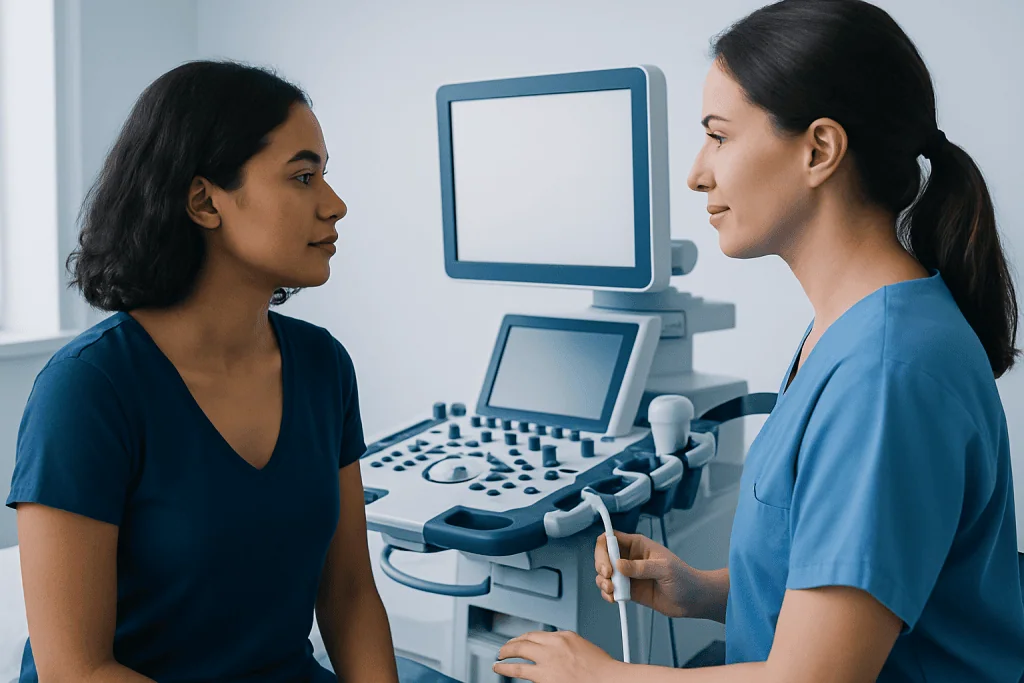
Imaging is sometimes useful, especially if heavy bleeding, pelvic pain, or suspected structural causes are present. In these situations, a clinician may request ultrasonography to look for fibroids, ovarian cysts, or other pelvic findings. In selected cases, additional MRI can provide more detail.
The purpose of evaluation is not simply to label symptoms but to identify the safest and most effective next step. Many causes of abnormal bleeding are manageable once the pattern is clearly understood.
Treatment and self-care options if periods are difficult to manage
Treatment depends on the cause, the severity of symptoms, age, and future fertility preferences. Some people only need reassurance and practical advice for managing periods during exercise, travel, or swimming. Others may benefit from treatments that reduce bleeding, ease cramps, or regulate the cycle.
Doctors may discuss hormonal and non-hormonal options for heavy or painful periods. If a structural condition is suspected, management may focus on the underlying problem. For example, fibroids can contribute to heavy bleeding and pelvic pressure, and care may involve monitoring, medication, or procedures such as myomectomy in appropriate cases.
Self-care can also make periods easier to handle. Keeping track of cycle timing, bleeding level, and symptoms can help people notice patterns and provide useful information during medical visits. Hydration, regular meals, rest, and strategies for comfort—such as a heating pad for cramps—may also help.
Near the end of the care pathway, some people value access to coordinated specialists if symptoms are ongoing or complex. Acibadem International’s multidisciplinary specialists and JCI-accredited hospitals diagnose and treat menstrual and gynecologic conditions for international patients.
Practical bottom line and when to seek medical care
The simplest answer is that menstrual flow usually does not stop in water. Instead, water pressure can briefly reduce visible bleeding, which is why periods may seem lighter while swimming or bathing. This is common and usually not a sign of a problem.
Using internal menstrual products or period swimwear can make water activities more comfortable and predictable. People who prefer not to use these products may still choose to bathe or swim, but they should expect that bleeding can resume once they leave the water.
Medical care is worth seeking if there is very heavy bleeding, severe or worsening pelvic pain, bleeding between periods, missed periods followed by unusual bleeding, dizziness, fainting, symptoms of anemia, or bleeding after menopause. If there is uncertainty about what is normal, a qualified doctor can provide individualized guidance and, when needed, arrange further evaluation such as a gynecologic check-up.
Frequently asked questions
Does menstrual flow stop in water completely?
Usually no. Water pressure can make bleeding appear lighter or less noticeable, but the period itself continues. Once a person leaves the water, flow may become visible again.
Can someone swim safely while on their period?
Yes, most people can swim safely during a period. Many use a tampon, menstrual cup, or period swimwear for comfort and leak protection. Swimming is generally a personal preference unless a doctor has advised otherwise for a separate medical reason.
Will menstrual blood leak into the pool?
A small amount can leak, but it is usually limited and often not noticeable. Menstrual flow is typically released in small amounts rather than a constant stream. Internal menstrual products can help reduce leakage during swimming.
Why does bleeding seem heavier right after getting out of the water?
While submerged, water pressure may temporarily reduce outward flow. After leaving the water, that pressure is gone, so blood that was delayed may come out. This can make it seem as though bleeding suddenly increased.
Is it normal for period cramps to feel different in water?
Yes, that can happen. Some people feel more comfortable in warm water because muscles relax, while others notice little change. If cramps are severe, worsening, or interfere with daily life, medical advice is appropriate.
When should someone see a doctor about period bleeding?
A doctor should be consulted for very heavy bleeding, large clots, severe pain, fainting, dizziness, bleeding between periods, or bleeding after menopause. These symptoms may have causes unrelated to water exposure and can often be evaluated and treated.
References
- American College of Obstetricians and Gynecologists
- National Institute for Health and Care Excellence
- Mayo Clinic
- National Health Service
- Office on Women's Health
This article is for general information only and is not a substitute for professional medical advice. Please consult a qualified doctor about your individual situation.
Explore treatments in Turkey — costs, top hospitals & a free quote
JCI-accredited · board-certified surgeons · reply within 24h
Add us as a Preferred Source to see more of our trusted health content across Google Search, AI Overviews and Discover.