Does Pepto Bismol Make You Poop? A Doctor-Reviewed Answer

Pepto-Bismol usually does not stimulate bowel movements; it is more often used to reduce diarrhea. It may cause constipation in some people, while stomach illness itself may still lead to loose stools.
Key Takeaways
- Pepto-Bismol usually does not stimulate bowel movements; it is more often used to reduce diarrhea.
- It may cause constipation in some people, while stomach illness itself may still lead to loose stools.
- Black or dark stools after taking Pepto-Bismol are a common, harmless effect in many cases.
- A doctor should evaluate severe pain, ongoing diarrhea, dehydration, or black stools that are not clearly linked to the medicine.
- People with aspirin allergy, certain bleeding risks, or some medication interactions should ask a doctor before using it.
Usually, Pepto-Bismol does not make a person poop more. It is commonly used to calm diarrhea and upset stomach, but it can sometimes change bowel habits, cause constipation in some people, or make stool look black.
Overview: Does Pepto-Bismol Make You Poop?
In most cases, the answer is no. Pepto-Bismol, which contains bismuth subsalicylate, is generally taken to help relieve diarrhea, nausea, indigestion, and mild stomach upset rather than to make bowel movements happen. Many people who notice a change in stool after taking it are seeing a harmless color change rather than a true increase in bowel activity.
That said, bowel habits can still seem different while using Pepto-Bismol. Some people develop mild constipation, while others continue to have loose stools because the underlying problem—such as a stomach infection, food intolerance, or irritation—has not fully settled. This is why it helps to look at the whole picture: what symptoms started first, how long they have lasted, and whether there are any warning signs.
Most short-term stomach symptoms are harmless and improve with rest, fluids, and simple care. Still, there are times when digestive symptoms need medical review, especially if there is severe pain, signs of dehydration, blood in the stool, fever, or black stool that appears without having taken Pepto-Bismol or iron.
How Pepto-Bismol Works in the Digestive System
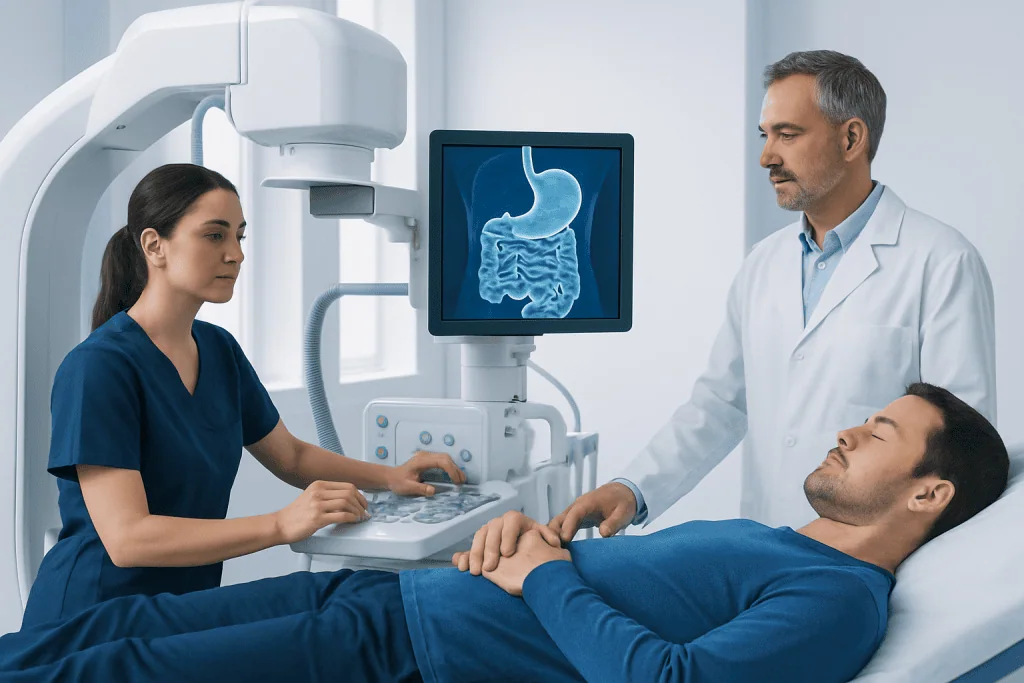
Pepto-Bismol works in several ways. Bismuth can help coat and soothe the stomach lining, and the salicylate part can reduce inflammation linked to irritation in the stomach and intestines. This combination is one reason it is commonly used for short-term relief of diarrhea and upset stomach.
Because it is not a laxative, it does not typically trigger the bowel to empty. Instead, it may reduce fluid loss into the intestines and calm irritation, which can make stools less loose. In other words, if someone is wondering whether it will “make them poop,” the more accurate explanation is that it usually does the opposite in people with diarrhea.
Pepto-Bismol can also react with sulfur in saliva and the digestive tract. This may create a dark compound that temporarily turns the tongue or stool black. This effect can be surprising, but by itself it is often harmless and usually goes away after the medicine is stopped.
What Bowel Changes Can Happen After Taking It?

The most common bowel-related change with Pepto-Bismol is not more frequent stool, but darker stool color. Black or grayish-black stool can happen for a short time after use and does not always mean bleeding. However, it is still important to think carefully about timing and symptoms, because black stool can also be a sign of bleeding higher in the digestive tract.
Some people may also notice constipation. This can feel like fewer bowel movements, harder stool, or straining. Mild constipation may improve with hydration, balanced meals, and time, especially if the medicine was taken only briefly.
Less often, a person may still have diarrhea while taking Pepto-Bismol. This usually means the original cause of the diarrhea is still active. Common reasons include viral stomach illness, food poisoning, sensitivity to a food, medication effects, or a condition such as gastroenteritis.
- Harmless possible effect: black stool or darkened tongue
- Possible side effect: constipation
- Persistent loose stool: often related to the original illness, not the medicine causing more bowel movements
- Urgent concern: black, tarry stool with weakness, dizziness, or abdominal pain
Common Reasons People Think It Made Them Poop
Sometimes the medicine gets blamed for symptoms that were already starting. For example, a person may take Pepto-Bismol for nausea or cramping and then develop diarrhea shortly afterward because the stomach bug or food-related irritation is getting worse. In that situation, the medicine did not cause the bowel movement; the illness likely did.
Another source of confusion is the difference between stool frequency and stool appearance. Seeing a black stool can feel alarming and may seem like a major bowel change, even when the number of bowel movements has not increased. It is understandable to worry, but if the stool darkening begins after Pepto-Bismol use and there are no red flags, it is often expected.
Other medicines, diet changes, travel, stress, and infections can also alter digestion around the same time. If symptoms are frequent or recurring, a doctor may consider other digestive conditions, including irritable bowel syndrome or inflammation affecting the stomach and intestines.
Who Should Be Cautious With Pepto-Bismol?
Pepto-Bismol is not right for everyone. Because it contains a salicylate, it may not be suitable for people with an aspirin allergy, certain bleeding disorders, stomach ulcers, or people taking blood-thinning medicines unless a clinician says it is safe. It may also not be appropriate for children and teenagers recovering from viral illnesses because of salicylate-related safety concerns.
People who are pregnant, have kidney problems, or take multiple medications should check with a doctor or pharmacist before using it. Drug interactions and personal medical history can change whether this medicine is a good choice. This is especially important if symptoms are not simple short-term indigestion or diarrhea.
If stomach symptoms are frequent, severe, or recurring, self-treatment alone may delay diagnosis. In some cases, doctors may evaluate for causes such as gastritis or other gastrointestinal disorders rather than repeatedly treating symptoms at home.
When to Seek Medical Care
Most people who use Pepto-Bismol for a brief stomach upset do not need medical care. However, a doctor should be contacted if diarrhea lasts more than a couple of days, if there is significant vomiting, if the person cannot keep fluids down, or if signs of dehydration appear, such as dizziness, dry mouth, weakness, or very little urination.
Medical care is also important for severe or worsening abdominal pain, high fever, fainting, blood in the stool, or black tarry stool that is sticky, foul-smelling, or appears without a clear medicine-related explanation. These features can suggest bleeding or another condition that needs prompt attention. Persistent symptoms after travel, recent antibiotic use, or in people with immune system problems also deserve evaluation.
When a doctor assesses these symptoms, they usually start with a careful history and physical exam. They may ask when the medicine was taken, what the stool looked like, whether there was blood, what foods were eaten, what other medicines are being used, and whether there are symptoms such as weight loss or nighttime diarrhea. Depending on the situation, tests may include stool studies, blood tests, or imaging, and some people may be referred for colonoscopy or upper endoscopy if bleeding, inflammation, or another digestive problem is suspected.
Diagnosis and Treatment if Symptoms Continue
If digestive symptoms continue, doctors focus on the underlying cause rather than on Pepto-Bismol alone. Ongoing diarrhea may come from infection, medication side effects, food intolerance, inflammatory bowel conditions, or functional bowel disorders. Ongoing constipation may relate to diet, dehydration, low activity, medications, or a separate bowel problem.
Treatment depends on what is found. Some people only need hydration advice, short-term diet adjustments, and stopping the triggering medicine. Others may need targeted treatment for infection, acid-related stomach irritation, inflammation, or chronic digestive conditions. In selected cases, imaging or procedures such as gastroenterology evaluation can help clarify the diagnosis and guide care.
For international patients who need further digestive assessment, Acibadem International’s multidisciplinary specialists and JCI-accredited hospitals provide evaluation and treatment for gastrointestinal symptoms in a coordinated setting. The goal is to identify whether symptoms are medication-related, illness-related, or part of a broader digestive condition.
Self-Care Tips and Safe Use
For mild, short-lived stomach upset, simple self-care often helps. Rest, small sips of water or oral rehydration fluids, and bland foods can be useful while the stomach settles. It is also sensible to avoid alcohol and very greasy, spicy, or heavy meals until symptoms improve.
Pepto-Bismol should be used only as directed on the product label or by a clinician. If it does not help, or if symptoms quickly return, it is better to seek advice than to keep taking it repeatedly. A dark stool after use may be harmless, but any uncertainty—especially if there is weakness, pain, or a history of ulcers—should prompt medical guidance.
Keeping track of symptoms can also help. It may be useful to note when the medicine was taken, how many bowel movements occurred, what the stool looked like, and whether there were fever, vomiting, or abdominal cramps. This information can make a medical evaluation faster and clearer if care is needed.
Frequently asked questions
Does Pepto-Bismol make you poop right away?
Usually no. Pepto-Bismol is not a laxative, so it does not normally trigger an immediate bowel movement. It is more commonly used to ease diarrhea and stomach upset.
Can Pepto-Bismol cause constipation?
Yes, some people may develop mild constipation after taking it. This can mean fewer bowel movements, harder stool, or straining. If constipation persists or becomes uncomfortable, a doctor or pharmacist can advise what to do next.
Why is my stool black after taking Pepto-Bismol?
Black stool can happen because bismuth in the medicine reacts with sulfur in the digestive tract. This is often a temporary and harmless effect. However, black tarry stool can also signal bleeding, so medical advice is important if there is pain, weakness, dizziness, or no clear link to the medicine.
If I still have diarrhea after taking Pepto-Bismol, what does that mean?
It often means the underlying cause of the diarrhea is still present. A viral illness, food poisoning, medication side effects, or another digestive problem may be responsible. If symptoms are severe, prolonged, or accompanied by fever or dehydration, medical review is advisable.
Who should not take Pepto-Bismol without medical advice?
People with aspirin allergy, bleeding disorders, stomach ulcers, kidney problems, or those taking blood thinners should be cautious. Pregnant people and children or teenagers with certain viral illnesses should also speak with a clinician first. A pharmacist or doctor can check whether it is safe based on medical history and other medicines.
When should black stool be considered an emergency?
Black stool needs urgent attention if it is tarry, sticky, accompanied by dizziness, fainting, severe abdominal pain, or vomiting blood. These symptoms may suggest gastrointestinal bleeding. If there is any doubt, prompt medical assessment is the safest step.
References
- U.S. National Library of Medicine
- National Institute of Diabetes and Digestive and Kidney Diseases
- American College of Gastroenterology
- Mayo Clinic
- MedlinePlus
This article is for general information only and is not a substitute for professional medical advice. Please consult a qualified doctor about your individual situation.
Persistent digestive symptoms? Get evaluated in Turkey
JCI-accredited · board-certified surgeons · reply within 24h
Add us as a Preferred Source to see more of our trusted health content across Google Search, AI Overviews and Discover.

More from the Health Library



Related Specialists

Dr. Esra Karabıyık Yüksel
Pediatrics
Dr. Arzu Özgeneci Öngün
Pediatrics
Erkan Akpınar
Physical Medicine & Rehabilitation
Prof. Dr. Ahmet Ümit Güllü
Cardiovascular Surgery