Does Pooping Help You Lose Weight? Causes, Explanations, and Next Steps

A bowel movement may cause a small, temporary drop in weight because stool, water, and gas leave the body. Pooping does not directly burn fat or cause meaningful long-term weight loss.
Key Takeaways
- A bowel movement may cause a small, temporary drop in weight because stool, water, and gas leave the body.
- Pooping does not directly burn fat or cause meaningful long-term weight loss.
- Frequent diarrhea or chronic changes in bowel habits can lead to fluid loss and may signal an underlying digestive problem.
- Red flags include blood in the stool, persistent diarrhea, severe pain, fever, dehydration, or unintentional weight loss.
- Doctors evaluate concerning symptoms with a medical history, physical exam, stool tests, blood tests, and sometimes imaging or endoscopy.
Pooping can make the number on the scale go down briefly, but this is usually just the body passing stool, fluid, and gas—not losing body fat. In most cases this is harmless, but unexplained ongoing weight loss, diarrhea, blood in the stool, or abdominal pain should be assessed by a doctor.
Overview: Does pooping help you lose weight?
Yes, pooping can make body weight drop a little in the short term, but it does not lead to true fat loss. A bowel movement removes stool, water, and sometimes gas from the digestive tract, so the scale may read slightly lower afterward. For most people, this is a normal daily change and not a sign of meaningful weight loss.
Lasting weight loss happens when the body uses stored energy, usually because calorie intake is lower than calorie use over time. That process affects body fat, muscle, and fluid balance. By contrast, the weight change after a bowel movement is mainly about what is temporarily inside the intestines.
This distinction matters because many people notice fluctuations on the scale and wonder whether bowel habits are helping with weight control. In most cases, they are not. However, if frequent stools, diarrhea, or digestive symptoms are causing repeated weight drops, it may point to dehydration, poor nutrient absorption, or another health issue that deserves medical attention.
Why the scale changes after a bowel movement
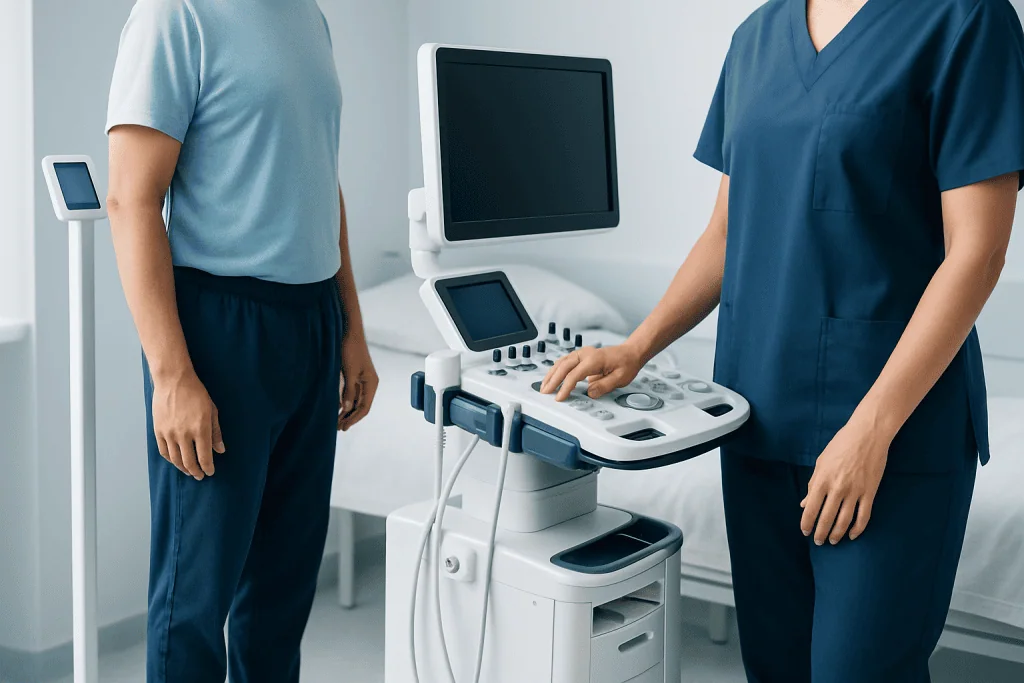
The digestive system stores material as food is broken down, nutrients are absorbed, and the remaining waste moves through the colon. Until that waste leaves the body, it contributes to body weight. After a bowel movement, there is simply less material in the intestines, so the number on the scale may decrease.
Water balance also plays a large role. Stool contains water, and bowel movements can be larger or smaller depending on hydration, diet, fiber intake, salt intake, hormones, and gut motility. If someone has diarrhea, they may lose more fluid than usual, which can create a more noticeable short-term weight change. This can be misleading because fluid loss is not the same as fat loss.
Normal day-to-day weight shifts are common. Body weight can vary because of meals, fluid intake, sweating, exercise, constipation, menstrual cycles, and medications. Weighing at the same time of day, under similar conditions, gives a more useful picture than focusing on one reading after using the bathroom.
What does and does not count as real weight loss

Real weight loss usually refers to a reduction in body fat over time. This happens when the body consistently uses more energy than it takes in. Healthy, sustainable changes in weight are typically gradual and related to overall eating patterns, physical activity, sleep, stress, and medical factors.
By comparison, quick changes after pooping are usually due to waste and water. The body may replace that water quickly through drinking and eating, and the intestines refill as digestion continues. That is why the effect does not represent lasting progress toward fat loss.
There are also situations where bowel habits affect weight in unhealthy ways. Ongoing diarrhea, vomiting, laxative misuse, or malabsorption can reduce weight, but this is not a safe or effective way to lose weight. It can lead to dehydration, electrolyte imbalance, weakness, and nutritional problems. People with persistent digestive symptoms may need evaluation for conditions such as Crohn’s disease or ulcerative colitis.
Common reasons bowel habits and weight seem connected
Several everyday factors can make pooping and weight appear related. Constipation may cause bloating, abdominal fullness, and a temporary increase on the scale because stool remains in the colon longer than usual. After the bowels move, a person may feel lighter and less bloated, even though body fat has not changed.
Diet also influences both stool patterns and weight. A sudden increase in fiber may increase stool bulk, while a very low-fiber diet may slow bowel movements. Foods high in salt can cause fluid retention, and changes in carbohydrate intake can shift stored glycogen and water. These changes may alter scale weight from day to day without reflecting fat gain or fat loss.
Illness can be another link. Short-term stomach infections may cause diarrhea, reduced appetite, and temporary weight loss. Conditions that affect digestion or nutrient absorption can do the same over longer periods. If someone has repeated diarrhea, greasy stools, ongoing bloating, or unexplained weight changes, a gastroenterology evaluation may be appropriate. In some cases, doctors use tests and procedures such as colonoscopy or upper endoscopy to look for the cause.
Finally, some people weigh themselves too often and focus on normal fluctuations. Looking at weekly or longer-term trends is usually more informative than interpreting a single change after a bowel movement.
Symptoms that may suggest a medical problem
Most bowel-related weight changes are harmless and temporary. Still, certain symptoms suggest that more than normal stool passage or fluid fluctuation may be involved. These symptoms do not always mean a serious condition, but they do warrant attention if they are persistent, worsening, or combined with weight loss.
Possible warning signs include:
- Unintentional weight loss over days to weeks
- Persistent diarrhea or constipation
- Blood in the stool or black, tarry stools
- Severe or recurring abdominal pain
- Fever, vomiting, or signs of infection
- Fatigue, weakness, or dizziness
- Bloating with poor appetite or early fullness
- Greasy, pale, or unusually foul-smelling stools
These symptoms may be related to infection, inflammation, irritable bowel disorders, food intolerance, medication effects, thyroid disease, or conditions involving malabsorption. In some cases, doctors may recommend imaging or procedures such as gastroenterology evaluation to identify the cause and guide treatment.
How doctors evaluate unexplained weight changes and bowel symptoms
When a person seeks care for weight loss, diarrhea, constipation, or bowel habit changes, a doctor usually begins with a detailed history. Questions often cover when symptoms started, how often bowel movements happen, stool appearance, abdominal pain, appetite, recent infections, travel, medications, and family history of digestive disease. Diet, stress, hydration, and any use of laxatives or supplements may also be discussed.
A physical exam can provide helpful clues, including signs of dehydration, abdominal tenderness, bloating, weight trend, and nutritional status. If needed, the doctor may order blood tests to check for anemia, inflammation, thyroid function, infection, electrolyte changes, or signs of poor absorption. Stool tests may look for infection, blood, inflammation, or abnormal fat content.
Further testing depends on the symptoms. Imaging studies, endoscopy, or colonoscopy may be recommended if there is bleeding, persistent diarrhea, significant weight loss, or concern for inflammatory bowel disease, ulcers, polyps, or other structural problems. The goal is not simply to explain scale changes, but to rule out conditions that need treatment and to reassure the patient when symptoms are due to common, manageable causes.
What to do if the scale drops after pooping
If weight falls slightly after a bowel movement and there are no other symptoms, this is usually normal. It helps to view the change as a shift in stool and fluid rather than fat loss. Tracking weight once daily or a few times a week under consistent conditions can make fluctuations easier to interpret.
General self-care includes drinking enough fluids, eating a balanced diet with adequate fiber, staying physically active, and avoiding unnecessary laxative use. For constipation, gradual fiber increases and hydration can support regularity. For short-term diarrhea, rest and fluid replacement are often important, though prolonged symptoms should be assessed professionally.
People trying to lose weight are usually better served by focusing on long-term habits rather than bathroom-related changes on the scale. Sustainable strategies include nutritious meals, regular movement, sleep, and medical guidance when needed. If excess weight is affecting health, treatment options may include structured lifestyle support and, in selected cases, bariatric surgery after specialist assessment.
Near the end of the care pathway, some patients also benefit from coordinated specialist review. Acibadem International’s multidisciplinary specialists and JCI-accredited hospitals evaluate digestive symptoms and weight concerns for international patients when further assessment is needed.
When to seek medical care
Medical review is recommended if bowel-related weight changes are not just occasional or if they come with other symptoms. A person should contact a doctor if they have ongoing diarrhea, constipation lasting more than a few weeks, repeated vomiting, poor appetite, or weight loss they were not trying to achieve. This is especially important if symptoms interfere with eating, drinking, work, or sleep.
Urgent care may be needed for severe abdominal pain, fainting, inability to keep fluids down, signs of dehydration, black stools, or significant rectal bleeding. These symptoms can have many causes, but prompt evaluation helps protect hydration, nutrition, and overall health.
In many cases, the explanation is straightforward and treatable. The key point is that pooping alone does not produce real fat loss. If scale changes are frequent, dramatic, or paired with digestive symptoms, a qualified doctor can identify whether the cause is harmless variation or a condition that needs treatment.
Frequently asked questions
How much weight can be lost after pooping?
The amount varies from person to person and depends on stool size, fluid balance, and whether there is gas or diarrhea. Usually, any change is small and temporary. It does not reflect a meaningful loss of body fat.
Does pooping more often mean faster weight loss?
Not usually. More frequent bowel movements do not automatically mean the body is burning more calories or losing more fat. If bowel movements become unusually frequent, especially with diarrhea, the body may be losing fluid rather than fat.
Can constipation make someone weigh more?
Yes, constipation can temporarily increase scale weight because stool remains in the colon. It can also cause bloating and a heavy or full feeling. Once bowel movements return to normal, that temporary weight may decrease.
Is diarrhea-related weight loss a good sign?
No. Weight loss during diarrhea is often due to fluid loss and sometimes reduced food intake, not healthy fat loss. If diarrhea is severe, lasts more than a few days, or keeps returning, medical advice is important.
Why do weight fluctuations happen even without changes in diet?
Body weight naturally changes from day to day because of hydration, salt intake, hormones, bowel contents, exercise, and sleep. These short-term shifts are common and usually do not reflect true fat gain or loss. Looking at longer-term trends is more useful.
When should unexplained weight loss be checked by a doctor?
It should be checked if it is unintentional, continues over time, or happens along with diarrhea, blood in the stool, pain, fever, fatigue, or vomiting. These symptoms can have many causes, from infections to digestive disorders. A doctor can decide whether tests are needed.
References
- National Institute of Diabetes and Digestive and Kidney Diseases
- American Gastroenterological Association
- Mayo Clinic
- Cleveland Clinic
- National Health Service
This article is for general information only and is not a substitute for professional medical advice. Please consult a qualified doctor about your individual situation.
Medical weight-loss options in Turkey — costs & eligibility
JCI-accredited · board-certified surgeons · reply within 24h
Add us as a Preferred Source to see more of our trusted health content across Google Search, AI Overviews and Discover.
Check your numbers in seconds
BMI, calories, due date, blood pressure and 30+ more clinical calculators — free, instant, doctor-reviewed ranges.