Does Sweating Burn Calories? Causes, Explanations, and Next Steps

Sweating itself does not meaningfully burn fat or cause lasting weight loss. A sweaty workout may burn many calories, but the exercise—not the sweat—is the main reason.
Key Takeaways
- Sweating itself does not meaningfully burn fat or cause lasting weight loss.
- A sweaty workout may burn many calories, but the exercise—not the sweat—is the main reason.
- Temporary weight loss after sweating is mostly water loss and returns after rehydration.
- Heavy or unexplained sweating is often harmless, but sometimes points to infection, hormone imbalance, medication effects, or other medical issues.
- Medical review is important if sweating is new, severe, occurs at night, or comes with chest pain, fever, weight loss, or shortness of breath.
Does sweating burn calories? Only a very small amount directly. Sweating is mainly the body's cooling system, while most calorie burn comes from exercise, heat exposure, illness, or other processes that make the body work harder.
Overview: What Sweating Really Means
For most people, sweating is a normal and healthy body function. It helps control body temperature by releasing fluid onto the skin, where it evaporates and cools the body. In everyday life, sweating may happen during exercise, hot weather, stress, spicy meals, or fever.
The short answer to the question “does sweating burn calories” is: only minimally. Sweat production uses a small amount of energy, but not enough to create meaningful fat loss. When someone loses weight after a sauna session or intense workout, that immediate change on the scale is usually water loss, not body fat loss.
This distinction matters because sweating is often confused with “working harder” or “melting fat.” A person can sweat heavily and burn relatively few calories, such as in a hot room while sitting still. On the other hand, a person may burn many calories during efficient exercise in a cool environment without sweating much.
Most sweating is harmless. Still, some patterns deserve medical attention, especially if sweating is excessive, starts suddenly, happens at night, or comes with other symptoms. Understanding what triggers sweating can help a person decide whether it is a normal response or something worth discussing with a doctor.
Does Sweating Burn Calories or Fat?
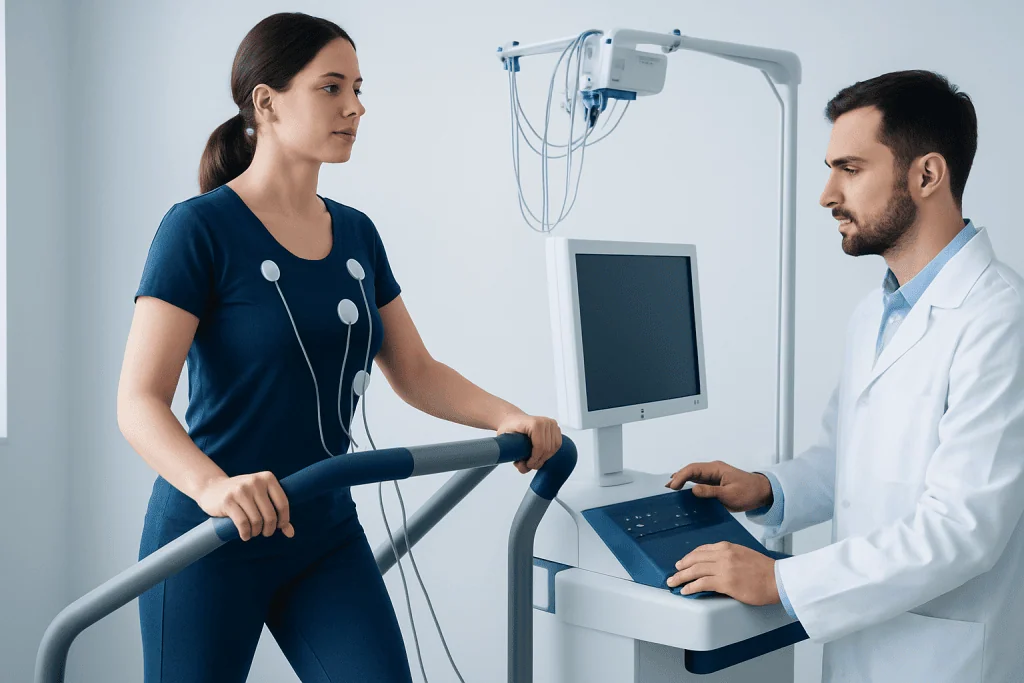
Sweating does not directly burn significant calories or fat. The sweat glands do use a small amount of energy to produce sweat, but this amount is very low compared with the energy used by muscles during walking, cycling, swimming, or strength training. The body sweats because it is trying to stay cool, not because it is actively burning fat through sweat itself.
Fat loss happens when the body uses more energy than it takes in over time. This can occur through regular physical activity, nutrition changes, and overall energy balance. During exercise, calorie burn rises because muscles, the heart, lungs, and other systems work harder. Sweat may appear at the same time, but it is a side effect of heat regulation rather than the cause of calorie loss.
It is also common to see a lower number on the scale after heavy sweating. This is usually due to fluid loss. Once the person drinks water or eats, much of that weight returns. For this reason, sweat level is not a reliable way to measure workout quality, fitness, or fat burning.
Some people naturally sweat more than others because of genetics, climate, fitness level, medications, or health conditions. Heavy sweating does not automatically mean a better workout, and light sweating does not mean exercise “did not count.”
Why the Body Sweats

The body has two main types of sweat glands. Eccrine glands are found over much of the body and mainly release watery sweat to cool the skin. Apocrine glands are found in areas such as the armpits and groin and become active with stress, hormones, and puberty. Both types are part of normal body regulation.
Sweating is controlled by the nervous system and influenced by body temperature, emotions, hormones, illness, and environment. Common everyday triggers include:
- Exercise or physical exertion
- Hot or humid weather
- Stress, anxiety, or pain
- Fever or infection
- Spicy foods, caffeine, or alcohol
- Hormonal changes, such as menopause
- Certain medicines, including some antidepressants and pain relievers
People sometimes worry that frequent sweating means something is wrong. In many cases, it does not. For example, regular exercisers may begin sweating earlier because their bodies have adapted to cool more efficiently. Hot climates, layered clothing, and dehydration can also change how and when a person sweats.
In some cases, sweating is related to a medical issue such as thyroid overactivity, low blood sugar, infection, or a condition called hyperhidrosis, which causes sweating beyond what the body needs for temperature control. The pattern of sweating and any associated symptoms help doctors decide whether further evaluation is needed.
What Actually Burns Calories
Calorie burn comes from the body’s overall energy use. This includes basic functions such as breathing and circulation, digestion, and physical movement. During exercise, muscles account for much of the extra energy demand. Activities that raise heart rate and involve larger muscle groups generally increase calorie use more than passive heat exposure alone.
Several factors affect how many calories a person burns:
- Type, intensity, and duration of activity
- Body size and body composition
- Age and overall health
- Fitness level and training status
- Environmental temperature and humidity
Heat can make the heart and circulation work harder, so being in a very hot environment may slightly increase energy expenditure. However, that effect is usually modest and should not be treated as a substitute for exercise. Extreme heat can also increase the risk of dehydration, heat exhaustion, and heat stroke.
For people trying to manage weight, the more useful focus is sustainable exercise and nutrition habits rather than sweating on purpose. Approaches such as regular aerobic activity, strength training, sleep, hydration, and balanced eating are safer and more effective for long-term results. In some cases, structured support through obesity treatment options may be discussed with a specialist when appropriate.
When Sweating May Signal a Health Problem
Although sweating is often normal, some patterns deserve attention. Excessive sweating that interferes with daily life may suggest primary hyperhidrosis, a condition that often affects the hands, feet, underarms, or face. Secondary sweating, which is triggered by another condition, may be more generalized and may begin later in life.
Doctors think about many possible causes, including infections, hormone changes, low blood sugar, medication side effects, anxiety disorders, and endocrine conditions. Night sweats can sometimes occur with a warm bedroom or heavy blankets, but they may also be linked to infection, menopause, medication effects, or less commonly more serious illness. If symptoms suggest a hormone-related issue, evaluation for thyroid disease or other endocrine disorders may be considered.
Red flags that should not be ignored include sweating with chest pain, palpitations, fainting, severe shortness of breath, high fever, confusion, or signs of heat illness. Sweating accompanied by unexplained weight loss, a persistent cough, swollen glands, or ongoing fatigue also deserves medical review.
Another common concern is stress-related sweating. Emotional sweating can be very real and disruptive, especially in social or work settings. If sweating happens with panic, tremor, dizziness, or a racing heart, a doctor can help assess whether anxiety, medication effects, blood sugar changes, or another cause may be involved.
How Doctors Evaluate Excessive or Unexplained Sweating
Medical evaluation usually begins with a careful history. A doctor may ask when the sweating started, whether it happens during the day or at night, which body areas are involved, and whether there are triggers such as exercise, heat, stress, foods, or medication use. Family history can also be helpful, especially when localized excessive sweating runs in families.
A physical examination looks for clues such as fever, changes in heart rate, signs of dehydration, enlarged lymph nodes, thyroid enlargement, skin changes, or signs of infection. The goal is to identify whether sweating appears to be a normal response, a primary sweating disorder, or a symptom of another health issue.
Tests are not always needed. When they are, they may include blood tests for blood sugar, thyroid function, infection, hormone levels, or general markers of health. Depending on symptoms, a doctor may also suggest heart testing, imaging, or specialist evaluation. This stepwise approach helps avoid unnecessary testing while still checking for treatable causes.
If the sweating is severe, doctors may assess its impact on sleep, work, hydration, emotional well-being, and skin health. In some people, frequent sweating can lead to rash, body odor, skin irritation, or recurrent skin infections, making treatment worthwhile even when the cause is not dangerous.
Treatment and Self-Care Options
Treatment depends on the cause. If sweating is related to fever, infection, low blood sugar, thyroid problems, medication effects, or menopause, addressing the underlying issue usually helps. When sweating itself is the main problem, management may include lifestyle steps, prescription-strength antiperspirants, medicines, or procedural treatments.
Helpful self-care measures can include wearing breathable clothing, using moisture-wicking fabrics during exercise, staying well hydrated, avoiding known triggers such as very spicy foods or excess caffeine, and keeping indoor temperatures comfortable. People who exercise in heat may benefit from gradual heat acclimatization, rest breaks, and attention to fluid and electrolyte intake.
For persistent localized sweating, clinicians may recommend treatments such as topical therapies, device-based approaches, or injections. In selected cases, Botox treatment may be used to reduce excessive underarm or focal sweating, and some patients may be evaluated for thoracic surgical treatment when symptoms are severe and other methods have not helped.
If sweating is connected to weight concerns, it helps to remember that forcing sweat through hot rooms, plastic clothing, or dehydration is not a healthy weight-loss strategy. Safer and more effective care focuses on fitness, nutrition, medical assessment when needed, and realistic long-term goals.
When to Seek Medical Care
Most sweating does not mean there is a serious problem, especially when it clearly occurs with exercise, heat, stress, or fever and improves afterward. Still, a person should arrange medical review if sweating is new, unusually heavy, frequent at night, or disrupting sleep, work, social life, or hydration. Review is also sensible if there is no clear trigger.
Urgent care is important if sweating occurs with chest pain, trouble breathing, fainting, confusion, severe weakness, a very fast or irregular heartbeat, or signs of heat stroke such as high body temperature and altered mental status. These symptoms need prompt medical attention rather than home monitoring.
A doctor may also need to evaluate sweating that comes with unexplained weight loss, persistent fever, tremor, diarrhea, or swollen glands. In these situations, sweating may be only one clue to an underlying condition that should be identified and treated.
For international patients who need assessment, Acibadem International’s multidisciplinary specialists in JCI-accredited hospitals evaluate symptoms such as excessive sweating and coordinate testing and treatment when needed. The most helpful next step is a qualified medical review rather than assuming sweating reflects calorie burn or fat loss.
Frequently asked questions
Does sweating burn calories without exercise?
Only a very small amount. If a person sweats while sitting in a hot place, the body may use some energy to regulate temperature, but this is not enough to create meaningful fat loss.
Why do people weigh less after sweating a lot?
The short-term drop is usually from water loss, not fat loss. Once fluids are replaced, body weight often returns close to its previous level.
Does more sweat mean a better workout?
Not necessarily. Sweat levels vary with temperature, humidity, genetics, clothing, and fitness adaptation, so they do not reliably measure workout quality or calorie burn.
Can sweating help with weight loss at all?
Sweating itself is not a useful weight-loss method. Weight management comes mainly from energy balance over time, including regular activity, eating habits, sleep, and overall health.
When should excessive sweating be checked by a doctor?
Medical review is a good idea if sweating is new, severe, unexplained, or happens at night. It should also be checked if it occurs with fever, chest pain, palpitations, shortness of breath, weight loss, or fainting.
What tests might a doctor order for unexplained sweating?
Depending on the situation, a doctor may recommend blood tests for blood sugar, thyroid function, infection, or hormone-related issues. Some people may also need heart tests or imaging if other symptoms suggest a broader medical problem.
References
- American Academy of Dermatology
- Cleveland Clinic
- Mayo Clinic
- National Institute of Diabetes and Digestive and Kidney Diseases
- National Health Service
This article is for general information only and is not a substitute for professional medical advice. Please consult a qualified doctor about your individual situation.
Medical weight-loss options in Turkey — costs & eligibility
JCI-accredited · board-certified surgeons · reply within 24h
Add us as a Preferred Source to see more of our trusted health content across Google Search, AI Overviews and Discover.
Check your numbers in seconds
BMI, calories, due date, blood pressure and 30+ more clinical calculators — free, instant, doctor-reviewed ranges.