Donor Stem Cell Transplant Procedure: Procedure, Recovery and Results

A donor transplant uses healthy blood-forming stem cells from another person rather than the patient’s own cells. The procedure includes donor matching, conditioning treatment, stem cell infusion and close monitoring while the new cells engraft.
Key Takeaways
- A donor transplant uses healthy blood-forming stem cells from another person rather than the patient’s own cells.
- The procedure includes donor matching, conditioning treatment, stem cell infusion and close monitoring while the new cells engraft.
- Early recovery commonly involves fatigue, low blood counts, infection prevention and management of treatment side effects.
- Graft-versus-host disease is an important potential complication and can occur early or months after transplant.
- Many people return to work, family life and usual activities over time, although recovery differs widely between individuals.
A donor stem cell transplant procedure, also called an allogeneic stem cell transplant, uses blood-forming stem cells from a matched donor to rebuild a recipient’s bone marrow and immune system. It can treat several serious blood, bone marrow and immune disorders, but requires careful preparation, monitoring and long-term follow-up.
Overview: how a donor stem cell transplant works
A donor stem cell transplant procedure replaces unhealthy or damaged blood-forming cells in the bone marrow with healthy stem cells from another person. The donor cells travel through the bloodstream to the recipient’s bone marrow, where they can begin producing new red blood cells, white blood cells and platelets. This treatment is also known as an allogeneic hematopoietic stem cell transplant or allogeneic bone marrow transplant.
The transplant itself is usually similar to receiving a blood transfusion: stem cells are infused through a central venous catheter into a vein. The more intensive part of treatment happens before and after the infusion. Conditioning therapy clears space in the marrow and suppresses the immune system, while follow-up care supports the patient until the donor cells establish blood production and immune function.
Donor transplants may be used for certain leukemias, lymphomas, myelodysplastic syndromes, aplastic anemia, inherited blood disorders and some immune disorders. In some cancers, donor immune cells may also recognize and attack remaining cancer cells, an effect called graft-versus-tumor or graft-versus-leukemia activity. The transplant team balances this possible benefit against the risks of intensive treatment and immune complications.
Who may be a candidate and how donors are selected
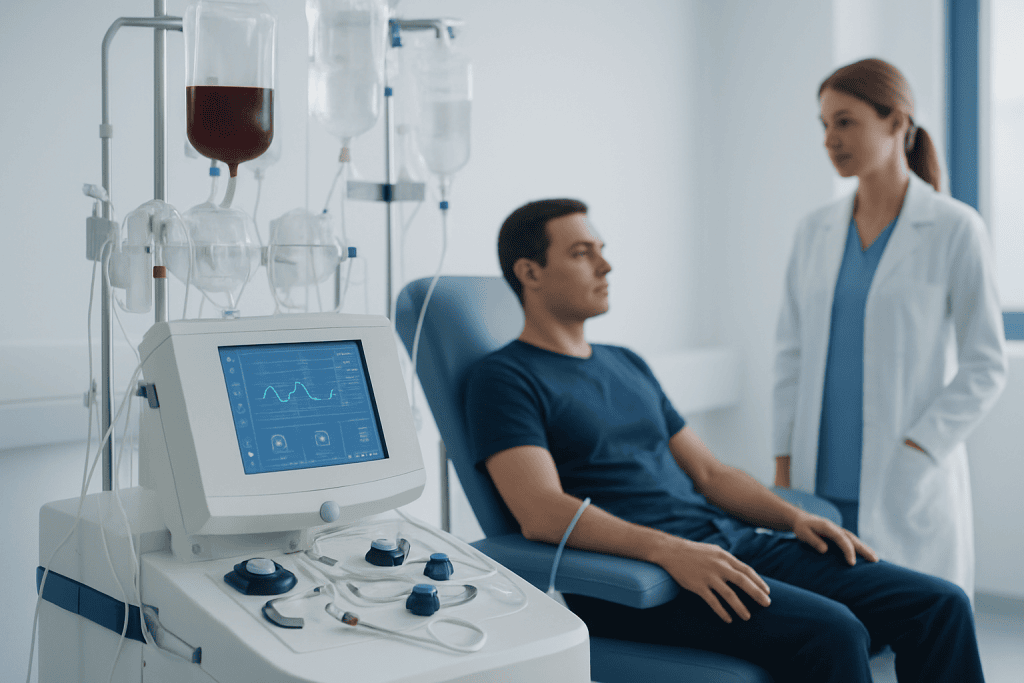
Whether a person is a candidate depends on the underlying condition, its stage or response to previous treatment, overall health, age-related fitness, organ function and the availability of an appropriate donor. A transplant is not automatically the best choice for every diagnosis. Specialists consider whether its potential benefits are likely to outweigh the risks compared with other treatments.
Donor compatibility is assessed through human leukocyte antigen (HLA) typing. HLA proteins help the immune system distinguish the body’s own cells from foreign cells. A matched sibling may be suitable, but many patients receive cells from a matched unrelated volunteer, a partially matched relative, umbilical cord blood unit or, in selected circumstances, another donor source.
Before transplantation, the recipient usually has blood tests, heart and lung assessments, infection screening and imaging or bone marrow tests when needed. These checks establish a baseline and help the team tailor conditioning therapy. Discussions also address fertility preservation, nutrition, medicines, caregiving needs, hospital stay and the need for frequent follow-up after discharge.
The procedure is delivered by a multidisciplinary transplant service, including hematology specialists, nurses, infectious disease experts, pharmacists, dietitians and psychosocial support professionals. The most appropriate care plan is individualized rather than based on a single test result.
Donor stem cell transplant procedure: step by step

1. Donor collection. Most donor stem cells are collected from circulating blood. The donor receives medication for several days to encourage stem cells to move from the bone marrow into the bloodstream. A machine then separates stem cells from the blood in a process called apheresis. Less commonly, marrow is collected from the pelvic bones under anesthesia. Collection methods are selected for donor safety and transplant needs.
2. Conditioning treatment. The recipient receives chemotherapy, sometimes combined with radiation therapy or immune-suppressing medicines. Conditioning may be high intensity or reduced intensity. Its purpose is to reduce diseased marrow cells, create room for donor cells and lower the chance that the recipient’s immune system will reject the graft.
3. Stem cell infusion. On transplant day, often called day 0, the prepared donor stem cells are infused through the central line. The infusion itself generally does not involve surgery and may take several hours. Clinicians monitor for fever, chills, blood pressure changes, allergic reactions or reactions to preservatives used during cell storage.
4. Engraftment and supportive care. In the following weeks, blood counts initially remain very low. The patient may receive transfusions, anti-infective medicines, nutritional support and medications to prevent graft-versus-host disease. Daily or frequent blood tests track early recovery of neutrophils, platelets and other blood cells. Bone marrow transplant care includes this close monitoring and individualized supportive treatment.
Recovery timeline, benefits and possible risks
Recovery begins with engraftment, when donor cells begin making enough new blood cells. White blood cell recovery often occurs within several weeks, but timing varies with the donor source, conditioning regimen, medicines and individual health. Platelet and red blood cell recovery can take longer. Even after blood counts improve, immune recovery is gradual and may continue for many months or longer.
The potential benefit is a new, functioning blood-forming and immune system. For selected diseases, transplant can provide long-term disease control or cure. In cancer care, donor immune cells can sometimes help control cancer cells that survive chemotherapy. However, outcomes depend substantially on the condition being treated, disease status, donor match, transplant approach and complications.
Early risks include severe infections, bleeding from low platelet counts, anemia, nausea, diarrhea, mouth sores, fatigue, liver or kidney effects and reactions related to medicines. A person may also develop veno-occlusive disease, also called sinusoidal obstruction syndrome, in which small blood vessels in the liver are affected. Teams monitor closely because early recognition can improve management.
A key transplant-specific risk is graft-versus-host disease (GVHD), where donor immune cells attack healthy recipient tissues. Acute GVHD commonly affects the skin, liver and digestive tract, while chronic GVHD can involve multiple organs and may appear later. Preventive medicines reduce risk but cannot eliminate it, so new rash, persistent diarrhea, jaundice, dry eyes, mouth changes or breathing symptoms should be reported promptly.
What are the worst days after a stem cell transplant?
For many recipients, the most difficult period is the interval after conditioning treatment and before engraftment, often called the nadir. During this time, blood counts are at their lowest and the immune system is severely weakened. This period often falls in the first two to four weeks after infusion, but the exact timing varies.
People may experience marked tiredness, fever, infections, mouth and throat sores, poor appetite, nausea, diarrhea or emotional strain. Some symptoms arise from chemotherapy or radiation, while others result from low blood counts or the medicines used to prevent infection and GVHD. Not everyone has the same experience, and symptoms can often be relieved with supportive care.
The transplant team monitors patients closely during this phase, either in hospital or through frequent outpatient visits. Fever, chills, shortness of breath, confusion, uncontrolled vomiting, bleeding, severe abdominal pain or a sudden new rash should be assessed without delay, as these symptoms can indicate complications that need prompt treatment.
How long is the recovery for a stem cell donor?
Stem cell donors generally recover much faster than transplant recipients. For peripheral blood stem cell donation, temporary bone, muscle or headache-like discomfort may occur while the donor receives mobilizing medication. Tiredness, bruising or mild discomfort around the collection process can also occur, but most donors return to ordinary activities within days to a few weeks.
When marrow is collected from the pelvic bones, soreness at the collection site and fatigue may last longer. Recovery is still usually measured in days to weeks rather than months. The donor evaluation team reviews medical history, performs testing and explains expected effects, activity guidance and follow-up before donation.
Donors should contact their donor center or healthcare professional if they develop persistent fever, worsening pain, fainting, unusual bleeding, shortness of breath or symptoms that do not improve as expected. Individual recovery can differ based on the collection method, baseline health and any unrelated medical conditions.
Can you live a normal life after a stem cell transplant?
Many people can return to meaningful daily life after a donor stem cell transplant, including work, education, family activities and exercise. The pace of recovery is highly individual. It may take months to rebuild strength and stamina, and some people need longer-term treatment for chronic GVHD, infections, hormone changes or organ effects related to previous therapy.
Follow-up appointments remain essential even when a person feels well. They commonly include blood tests, medication reviews, screening for late effects and planned revaccination once the transplant team considers immune recovery sufficient. Vaccines received before transplant may no longer provide reliable protection, so revaccination schedules are individualized.
Healthy recovery habits include following food-safety advice, taking medicines exactly as prescribed, avoiding tobacco, gradually increasing physical activity, protecting the skin from excessive sun exposure and discussing travel or exposure to sick contacts with the transplant team. Emotional recovery matters as well; counseling, rehabilitation and peer support can be useful parts of care.
For patients traveling for care, Acibadem International’s multidisciplinary specialists and JCI-accredited hospitals provide assessment and treatment planning for complex blood and marrow conditions. Leukemia and related bone marrow disorders require disease-specific follow-up alongside transplant care.
What happens after 100 days after stem cell transplant?
The first 100 days are an important early recovery milestone, but they do not mark the end of transplant care. By this point, many patients have engrafted and may have fewer hospital visits, although blood counts, infection risk and medication needs still require regular review. The team may assess donor-cell chimerism, bone marrow status when relevant, organ function and disease response.
After day 100, the focus increasingly includes longer-term immune recovery, chronic GVHD surveillance, rehabilitation and prevention of late complications. Some preventive medications continue for months, especially if immune-suppressing treatment is still needed. Changes to these medicines must be directed by the transplant team; stopping them abruptly can increase the risk of serious complications.
Patients are usually advised to continue infection precautions according to their care plan, attend all scheduled appointments and report new symptoms early. The timing for returning to crowded settings, work, travel, dental care, sexual activity, exercise and vaccines should be discussed individually, because immune recovery is not identical for every transplant recipient.
When to seek medical care
A transplant recipient should contact the transplant team urgently for a temperature at or above the threshold provided in their care plan, chills, new cough, breathing difficulty, chest pain, severe weakness, confusion, uncontrolled vomiting or diarrhea, severe abdominal pain, bleeding or reduced urine output. A new rash, yellowing of the skin or eyes, persistent mouth sores or marked changes in appetite can also need prompt assessment.
Infections and GVHD may develop quickly in people with reduced immune function, and symptoms can be less typical than they are in the general population. Patients should not wait for a routine appointment if they feel acutely unwell. The transplant center’s emergency contact instructions should be kept readily available by the patient and caregiver.
Routine follow-up is equally important. Ongoing care helps clinicians identify nutritional concerns, medication side effects, relapse risk, delayed engraftment, chronic GVHD and late effects at an early stage. Questions about new supplements, vaccinations, over-the-counter medicines or planned procedures should be discussed with the transplant team first.
Frequently asked questions
Is a donor stem cell transplant the same as a bone marrow transplant?
They are closely related terms. A donor stem cell transplant refers to the use of blood-forming cells from another person, and those cells may be collected from blood, bone marrow or umbilical cord blood. Bone marrow transplant is often used as a general term for this type of treatment.
How long does a donor stem cell transplant procedure take?
The stem cell infusion on transplant day often takes several hours and is similar to an intravenous infusion. However, the overall transplant process includes weeks of preparation, conditioning treatment and close monitoring during early recovery. Follow-up continues for months and sometimes longer.
Is a donor transplant painful?
The stem cell infusion itself is usually not painful, although some people experience infusion-related symptoms that staff can treat. Discomfort more often comes from conditioning treatment, mouth sores, low blood counts, infections or other complications during recovery. The transplant team provides supportive care to manage symptoms.
What is engraftment after a donor stem cell transplant?
Engraftment means the donor stem cells have settled in the recipient’s bone marrow and started producing new blood cells. Blood tests are used to monitor this process, especially recovery of white blood cells and platelets. Engraftment timing varies by transplant type and individual circumstances.
Can graft-versus-host disease occur after the first 100 days?
Yes. Acute GVHD often occurs earlier, but it can also develop later, and chronic GVHD may begin months after transplant. Ongoing follow-up is important because symptoms can affect the skin, mouth, eyes, digestive tract, liver, lungs and other organs.
How can infection risk be reduced after transplant?
Patients should follow the transplant team’s instructions on hand hygiene, food safety, medicines, masks or crowd avoidance when advised, and contact with people who are ill. Preventive antimicrobials and later revaccination are often part of the plan. The exact precautions depend on immune recovery and current treatments.
References
- National Cancer Institute
- Centers for Disease Control and Prevention
- National Marrow Donor Program
- European Society for Blood and Marrow Transplantation
- American Society of Hematology
This article is for general information only and is not a substitute for professional medical advice. Please consult a qualified doctor about your individual situation.
Stem Cell Transplant in Turkey — costs, top hospitals & a free quote
JCI-accredited · board-certified surgeons · reply within 24h
Add us as a Preferred Source to see more of our trusted health content across Google Search, AI Overviews and Discover.
Check your numbers in seconds
BMI, calories, due date, blood pressure and 30+ more clinical calculators — free, instant, doctor-reviewed ranges.

Organ Transplantation
Kidney, liver and bone-marrow transplantation programs with dedicated coordination.
5 specialists in this unitMore from the Health Library


Related Specialists

Assoc. Prof. Dr. Mustafa Aykut Kural
Neurology
Dr. Akil Tepecik
Clinical Laboratory
Dr. Mustafa Şengün
Orthopedic Surgery & Traumatology
Prof. Dr. Nur Dilek Bakan
Pulmonology