Don’T Get a Prostate Biopsy: Procedure, Recovery and Results

An elevated PSA level alone does not diagnose prostate cancer or automatically mean a biopsy is needed. Repeat PSA testing, prostate MRI and risk assessment can help determine whether biopsy is appropriate.
Key Takeaways
- An elevated PSA level alone does not diagnose prostate cancer or automatically mean a biopsy is needed.
- Repeat PSA testing, prostate MRI and risk assessment can help determine whether biopsy is appropriate.
- Most prostate biopsies are outpatient procedures performed through the rectum or, increasingly, through the skin between the scrotum and anus.
- Light bleeding in urine, stool or semen is common for a short period, but fever or difficulty urinating needs urgent medical assessment.
- Biopsy results commonly take several days to about two weeks, depending on laboratory testing.
The phrase “don't get a prostate biopsy” reflects a reasonable wish to avoid an invasive test when it is not necessary. A prostate biopsy is not automatically required after an elevated PSA result, but it may be the most reliable way to confirm or rule out prostate cancer when imaging, examination findings and individual risk suggest concern.
Don't Get a Prostate Biopsy Without Understanding Why It Is Recommended
A prostate biopsy is a procedure that removes very small tissue samples from the prostate gland for examination under a microscope. It is the standard test used to diagnose prostate cancer with certainty. However, a raised prostate-specific antigen (PSA) blood test, an abnormal digital rectal examination, or urinary symptoms do not by themselves prove that cancer is present.
For this reason, a person should not feel pressured to proceed without a clear discussion of the reason for biopsy, expected benefits, possible harms and alternatives. A urologist may recommend repeating the PSA test, reviewing factors that can temporarily raise PSA, calculating individual risk or obtaining multiparametric MRI before deciding. These steps can sometimes reduce unnecessary biopsies, while still identifying people who need further evaluation.
Choosing not to have an immediately recommended biopsy should be an informed decision made with a qualified clinician, rather than a decision based only on fear of the procedure. Delaying or declining a biopsy may be reasonable in selected situations, but it can also delay diagnosis if clinically important prostate cancer is present.
How a Prostate Biopsy Works and Who May Need One
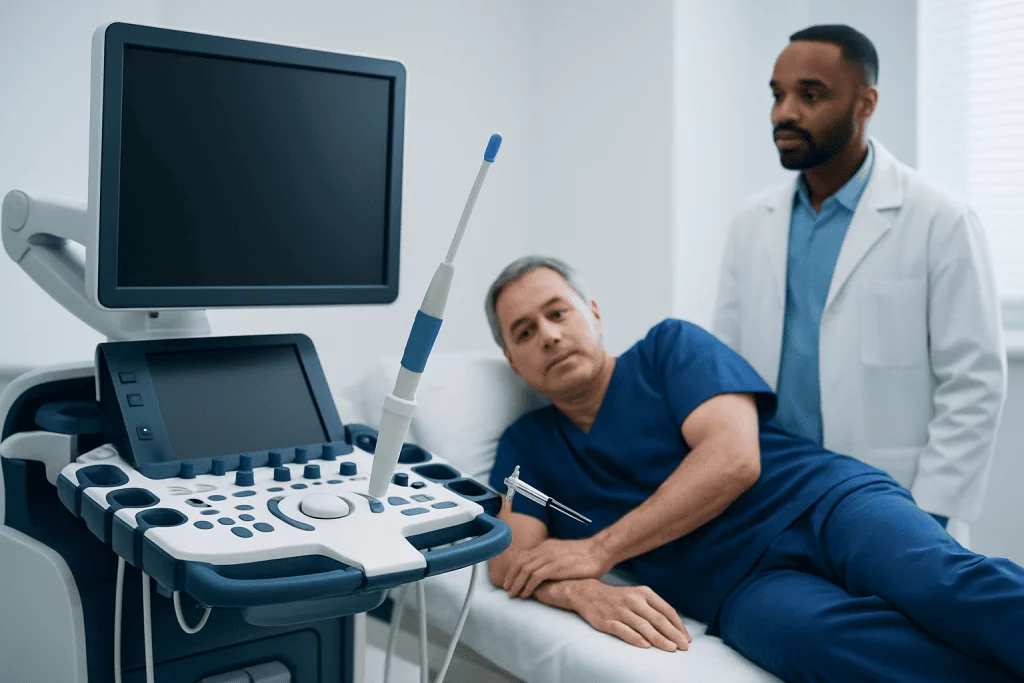
The prostate is a small gland below the bladder that surrounds part of the urethra. It contributes fluid to semen. A biopsy is usually considered when PSA remains elevated or rises over time, a prostate examination feels abnormal, MRI identifies a suspicious area, or there are other factors that increase the likelihood of cancer.
Risk assessment is individualized. Age, family history, ancestry, previous biopsy findings, prostate size, PSA density and MRI results can all affect the recommendation. Benign prostate enlargement, inflammation, infection, recent ejaculation and some medical procedures may also increase PSA levels. This is why clinicians interpret PSA in context instead of using a single result alone.
Many specialists now use MRI before an initial biopsy when it is available and appropriate. MRI can help identify areas to target and may support monitoring rather than immediate biopsy for some people with low-risk findings. It cannot detect every cancer, so a reassuring MRI does not always eliminate the need for tissue sampling.
A biopsy is particularly valuable because it can show whether cancer is present, how much tissue is involved and how abnormal the cancer cells appear. This information guides conversations about active surveillance, surgery, radiotherapy or other approaches if cancer is found.
Step by Step: What Happens During a Prostate Biopsy
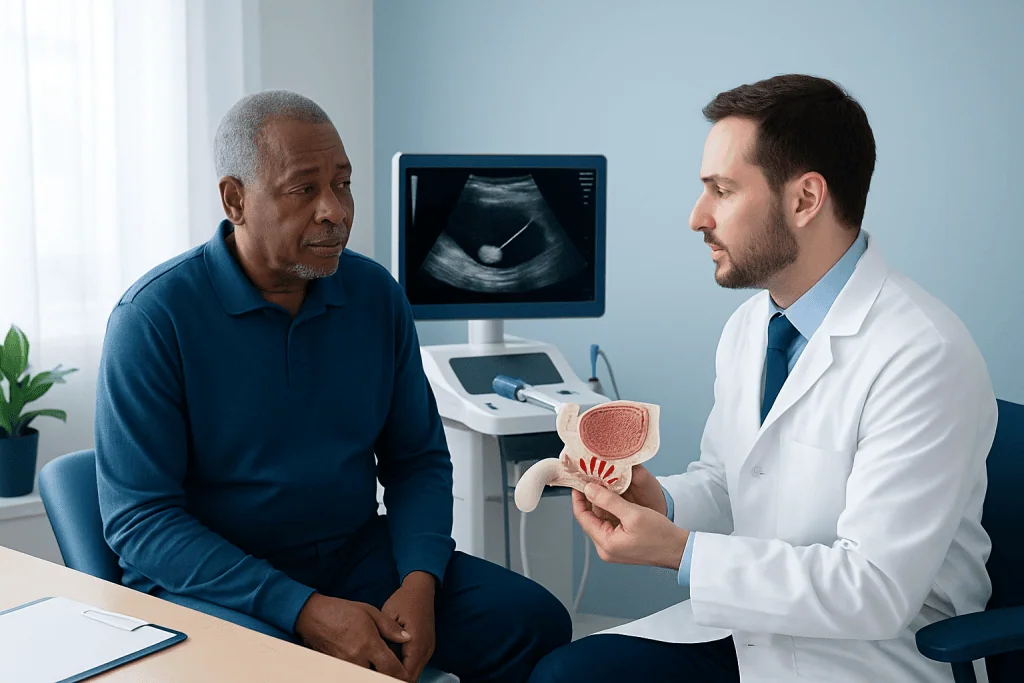
Before the procedure, the care team reviews medicines, allergies, bleeding history and infection risks. Blood-thinning medicines, including prescription anticoagulants and some antiplatelet drugs, may need adjustment, but they should never be stopped without the prescribing clinician’s advice. The team may prescribe antibiotics and provide instructions about eating, bowel preparation or arranging transport.
Most biopsies are performed with ultrasound guidance in an outpatient setting. In a transrectal ultrasound-guided biopsy, an ultrasound probe is gently placed in the rectum to create images of the prostate. In a transperineal biopsy, samples are taken through the skin between the scrotum and anus, usually with ultrasound guidance. Transperineal techniques can reduce the chance of certain infections because the needle does not pass through the rectum.
Local anesthetic is often used to numb the area. Some people receive sedation or a more extensive anesthetic, depending on the technique, number of samples, anxiety level and local practice. If MRI has shown a concerning area, the urologist may take targeted samples from that region as well as systematic samples from other parts of the prostate.
The sampling portion often lasts only a short time, although check-in, preparation, anesthesia and post-procedure observation make the visit longer. The collected tissue is sent to a pathology laboratory. Patients can discuss prostate biopsy evaluation and planning with their urology team, including whether a transperineal or transrectal approach is most suitable.
Benefits, Risks and Recovery Timeline
The main benefit of biopsy is diagnostic clarity. It can confirm prostate cancer, identify its grade and help distinguish cancers that may be monitored from those needing prompt treatment. A negative biopsy can also be reassuring, although continued follow-up may be advised if PSA or MRI findings remain concerning.
Temporary discomfort, pelvic soreness and mild bleeding are common after biopsy. Blood may be seen in urine for a few days, in stool after a transrectal procedure, or in semen for several weeks. Semen can appear rust-colored or reddish-brown and this can last longer than other bleeding symptoms. These effects usually improve without treatment.
Less common but important risks include infection, significant bleeding, urinary retention and reactions to anesthetic or antibiotics. Infection risk is one reason the biopsy route, preventive antibiotics and personal health history are carefully considered. Transperineal biopsy may lower infection risk compared with the transrectal route, though both approaches have benefits and limitations.
Most people return to gentle daily activities within one or two days. Heavy lifting, strenuous exercise, cycling and sexual activity may need to be avoided briefly according to the clinician’s instructions. Drinking fluids, resting when needed and completing prescribed medication can support a smooth recovery.
How Long Does It Typically Take to Get Prostate Biopsy Results?
Prostate biopsy results often take several days to around one or two weeks. Timing varies because samples must be processed, reviewed by a pathologist and, in some cases, assessed with additional stains or specialist review. The urology team will usually arrange a follow-up appointment or telephone consultation to explain the findings.
If cancer is present, the report commonly includes the Gleason score or Grade Group, the number of samples containing cancer and the amount of cancer in each sample. These findings help estimate how the cancer may behave, but they are considered alongside PSA, MRI, examination findings and overall health. A diagnosis does not always mean immediate treatment is needed.
If no cancer is found, the clinician may recommend routine PSA monitoring, repeat imaging or further testing when suspicion remains. A negative result is helpful, but no biopsy can completely exclude cancer because only selected areas of the prostate are sampled.
How Long Does It Take to Heal After a Prostate Biopsy?
Most people feel physically able to resume light routine activities within 24 to 48 hours. Mild soreness or a sense of pressure around the pelvic area may continue for several days. The precise recovery period depends on the biopsy method, number of samples taken, anesthesia used and the person’s general health.
Minor blood in urine or stool usually settles within days, while blood in semen may persist for several weeks and can gradually change in color as it clears. The care team may advise avoiding vigorous exercise, heavy lifting, cycling and intercourse for a short period. Following individualized discharge instructions is more important than relying on a fixed timetable.
Recovery should be gradually improving rather than worsening. New fever, shaking chills, escalating pain, heavy bleeding, inability to pass urine or feeling severely unwell are not expected recovery symptoms and require prompt medical advice.
I Have Not Had a Bowel Movement After a Prostate Biopsy. Is This Normal?
It can be common to have a delayed bowel movement for a day or two after a prostate biopsy, especially after sedation, reduced food intake, stress or pain medication that can cause constipation. Mild rectal discomfort after a transrectal procedure may also make a person hesitant to pass stool. Drinking fluids, eating fiber-containing foods and taking gentle walks can help unless the clinician has advised otherwise.
A person should contact the medical team if constipation lasts more than a few days, becomes painful, is accompanied by vomiting or marked abdominal swelling, or if there is heavy rectal bleeding. It is also important to seek advice before using laxatives or enemas, particularly soon after a transrectal biopsy, because individual instructions may differ.
Passing a small amount of blood with the first bowel movement after a transrectal biopsy can occur. However, persistent, heavy or increasing rectal bleeding needs urgent evaluation.
Can You Drive Home After a Prostate Biopsy?
Whether a person can drive home depends mainly on the anesthesia or sedation used. After local anesthetic alone, some people may be able to drive if they feel well and their clinician agrees. However, many centers recommend arranging a responsible adult to take the patient home, since discomfort, anxiety or unexpected symptoms can affect safe driving.
Anyone who receives sedatives, general anesthesia or medicines that impair alertness should not drive, operate machinery, drink alcohol or make important decisions for the period specified by the care team, often until the following day. Transport should be arranged before the appointment rather than decided afterward.
Before leaving, the team confirms that the patient is stable, understands aftercare instructions and knows whom to contact with concerns. Planning a quiet day afterward is sensible even when the procedure itself was uncomplicated.
Frequently asked questions
Can an elevated PSA be caused by something other than prostate cancer?
Yes. PSA can rise with benign prostate enlargement, prostate inflammation, urinary infection, recent ejaculation, cycling and some procedures involving the urinary tract. A clinician may repeat the test or investigate possible reversible causes before recommending biopsy.
Is MRI an alternative to a prostate biopsy?
MRI can provide important information and may help some people avoid an immediate biopsy when findings and overall risk are low. However, MRI cannot confirm cancer cells under a microscope and may miss some cancers. A biopsy may still be recommended when clinical concern remains.
Does a prostate biopsy spread cancer?
Current evidence does not support the idea that a standard prostate needle biopsy causes prostate cancer to spread. Biopsy is widely used because it provides information needed to make safe, informed treatment decisions.
How painful is a prostate biopsy?
Many people experience pressure, brief discomfort or soreness rather than severe pain, particularly when local anesthetic is used. Experiences vary, and sedation or different anesthesia options may be available. Discussing pain concerns beforehand allows the team to plan appropriately.
What should someone do if they develop fever after a prostate biopsy?
Fever, chills or feeling acutely unwell after a prostate biopsy can indicate infection and needs urgent medical assessment. The person should contact the biopsy team, urgent care service or emergency department promptly, especially if symptoms are accompanied by difficulty urinating or worsening pain.
What happens if a prostate biopsy finds cancer?
The urologist reviews the pathology result along with PSA level, MRI findings, stage and personal health factors. Options may include active surveillance, surgery, radiotherapy, hormone-based treatment or other therapies, depending on the cancer's features. Multidisciplinary specialists at Acibadem International's JCI-accredited hospitals can support diagnosis and treatment planning for international patients.
References
- European Association of Urology
- American Urological Association
- National Cancer Institute
- NHS
- Mayo Clinic
This article is for general information only and is not a substitute for professional medical advice. Please consult a qualified doctor about your individual situation.
Oncology care in Turkey — second opinion and treatment plan
JCI-accredited · board-certified surgeons · reply within 24h
Add us as a Preferred Source to see more of our trusted health content across Google Search, AI Overviews and Discover.