Dpo: An Evidence-Based Guide for Patients

DPO stands for days past ovulation. It helps estimate where a person is in the second half of the menstrual cycle.
Key Takeaways
- DPO stands for days past ovulation.
- It helps estimate where a person is in the second half of the menstrual cycle.
- Symptoms during DPO can overlap with normal premenstrual changes and are not a reliable way to confirm pregnancy.
- Pregnancy tests are usually more accurate after a missed period or at least around 12 to 14 DPO, depending on cycle timing.
- Ovulation timing is an estimate unless confirmed with methods such as ultrasound or hormone testing.
- Medical advice is important if cycles are irregular, bleeding is unusual, or conception is difficult.
DPO meaning is "days past ovulation." It refers to the number of days since ovulation happened and is commonly used to time pregnancy testing, understand cycle changes, and track fertility-related symptoms.
Overview: what DPO means
DPO meaning is days past ovulation. It is a simple counting method used to describe how many days have passed since an egg was released from the ovary. For example, 1 DPO means one day after ovulation, while 10 DPO means ten days after ovulation.
This term is commonly used by people who are trying to conceive, tracking menstrual cycles, or waiting to take a pregnancy test. DPO can help make sense of the time between ovulation and the next period, often called the luteal phase. It is also used in fertility discussions because implantation and early pregnancy hormone changes happen during this window.
Even so, DPO is only as accurate as the estimate of ovulation. Many people assume ovulation always happens on day 14 of the cycle, but real cycles can vary. Because of this, DPO is best understood as a helpful guide rather than an exact measure unless ovulation has been confirmed more precisely.
How DPO fits into the menstrual cycle
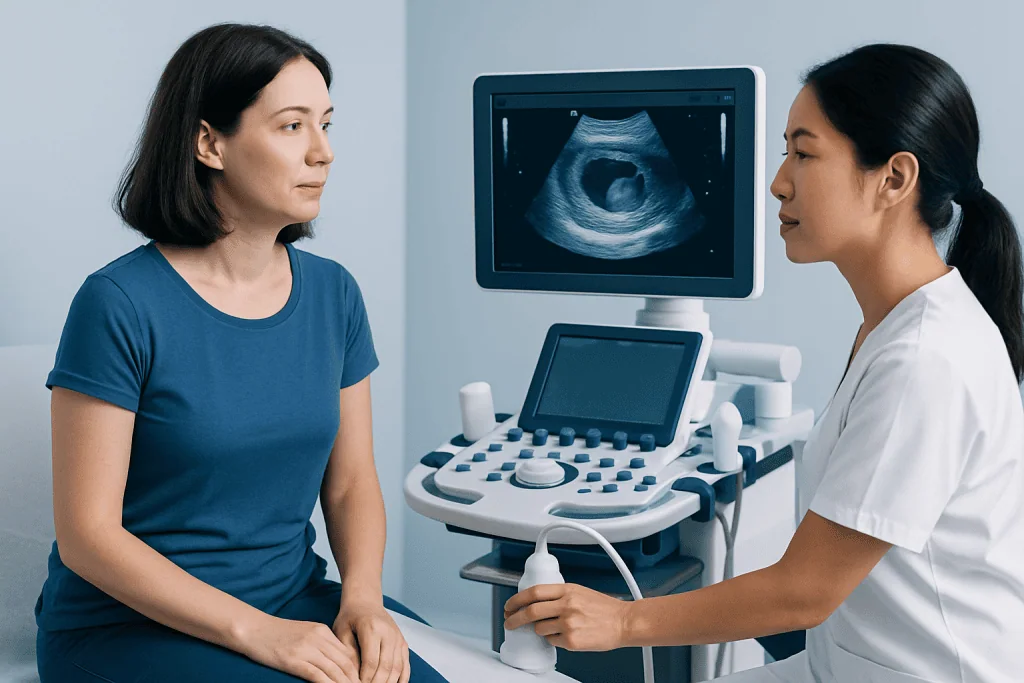
The menstrual cycle has several phases. It begins with menstruation, followed by the follicular phase, when the body prepares an egg for release. Ovulation is the point when the egg is released, and after that comes the luteal phase. DPO counts the days within this final phase.
In a typical cycle, the luteal phase often lasts about 12 to 14 days, although some variation is normal. If pregnancy does not occur, hormone levels fall and menstruation begins. If pregnancy does occur, the developing pregnancy starts producing hormones that help maintain the uterine lining.
Understanding DPO is useful because several important events can happen after ovulation. Fertilization usually occurs within about 12 to 24 hours after the egg is released if sperm are present. Implantation, when a fertilized egg attaches to the uterine lining, generally happens several days later. This timing explains why pregnancy tests do not become positive immediately after ovulation.
For people exploring cycle health more broadly, DPO is one piece of a bigger picture that includes ovulation timing, hormone patterns, and menstrual regularity. Questions about absent periods, irregular bleeding, or hormonal symptoms may also overlap with conditions such as polycystic ovary syndrome or other reproductive health concerns.
How ovulation is estimated

Many people calculate DPO by first estimating the day of ovulation. This can be done in several ways, but each method has limits. Calendar tracking is the simplest approach, though it is also the least precise because ovulation does not always happen on the same cycle day.
Ovulation predictor kits detect the luteinizing hormone surge that usually occurs before ovulation. Basal body temperature charting can also help by showing a small rise in temperature after ovulation has already taken place. Changes in cervical mucus may provide another clue, as mucus often becomes clearer and more slippery near the fertile window.
Clinical assessment may be needed when timing matters or cycles are difficult to interpret. A doctor may use hormone blood tests, ultrasound monitoring, or a broader fertility evaluation. In some situations, specialist care such as IVF treatment or intrauterine insemination involves more structured ovulation monitoring.
Because ovulation can shift from month to month, a person may think they are 10 DPO when they are actually earlier or later. This uncertainty explains why test results and symptoms can sometimes seem confusing.
What symptoms can happen during DPO
Many symptoms reported during DPO are caused by progesterone, the hormone that rises after ovulation. Common experiences include breast tenderness, bloating, fatigue, mild cramping, constipation, mood changes, and changes in appetite or sleep. These symptoms can happen whether or not pregnancy occurs.
Some people notice light spotting during the luteal phase and wonder whether it is implantation bleeding. In reality, light bleeding can have different causes, and spotting alone cannot confirm pregnancy. The same is true for nausea, headaches, heightened sense of smell, or pelvic twinges early in the cycle.
It is important to know that symptoms are not a reliable way to tell whether conception has happened. Premenstrual symptoms and early pregnancy symptoms can overlap because they are influenced by similar hormones. The absence of symptoms also does not rule pregnancy in or out.
If pelvic pain is severe, bleeding is heavier than expected, or symptoms are persistent and unusual, medical review is appropriate. In some cases, a doctor may investigate cycle disorders, hormone imbalance, or reproductive conditions such as endometriosis.
DPO and pregnancy testing
One of the most common reasons people search for DPO meaning is to understand when to take a pregnancy test. Home pregnancy tests detect human chorionic gonadotropin, or hCG, which begins to rise after implantation. Because implantation happens several days after ovulation, testing too early can give a negative result even if pregnancy is present.
In general, testing is more reliable closer to the expected period or after a missed period. Some people may get a positive result around 10 to 12 DPO, but many do not test positive until 12 to 14 DPO or later, especially if ovulation occurred later than expected. A negative test early on may simply mean there is not yet enough hCG in the urine.
For the best chance of an accurate result, follow the instructions on the specific test, use it at the recommended time, and repeat testing after a couple of days if the period has not started. Blood testing ordered by a doctor can detect pregnancy earlier and may be helpful in selected cases.
Those who have difficulty conceiving, repeated very early pregnancy losses, or uncertainty around ovulation may benefit from specialist evaluation. Depending on the situation, a clinician may discuss cycle tracking, fertility preservation planning, or assessment through a reproductive medicine program.
When DPO may be less reliable
DPO becomes less precise when ovulation is hard to predict. This is common in people with irregular cycles, recent hormonal contraception changes, breastfeeding, perimenopause, significant stress, intense exercise, thyroid disorders, or certain reproductive conditions. In these cases, counting from a presumed ovulation day may not reflect the actual biology of that cycle.
Cycle tracking apps can be helpful for recording periods and symptoms, but they are estimates rather than diagnostic tools. App predictions may not account for month-to-month variation, illness, travel, sleep disruption, or hormonal conditions that affect ovulation timing.
Anyone trying to conceive for several months without success, especially with irregular periods, may need a fuller evaluation rather than relying on DPO alone. Doctors may assess ovulation, ovarian reserve, sperm factors, uterine health, and hormone patterns. This may include guidance from specialists in fertility care.
In this sense, DPO is best seen as a useful shorthand. It can support awareness and planning, but it should not replace clinical evaluation when cycles are consistently unpredictable or symptoms suggest an underlying health issue.
Self-care and practical tips for cycle tracking
For many people, the most helpful use of DPO is practical rather than diagnostic. Keeping a simple record of period dates, possible ovulation signs, test timing, and symptoms can make patterns easier to recognize over time. This can also help when discussing concerns with a doctor.
Healthy lifestyle habits may support overall reproductive health. These include regular sleep, balanced nutrition, exercise in moderation, stress management, and avoiding smoking. For those trying to conceive, preconception advice such as folic acid use and reviewing current medications with a healthcare professional may also be important.
It can also help to set realistic expectations. Not every cycle follows the same pattern, and early symptom checking often creates unnecessary stress because hormonal changes can feel very similar from one month to the next. Waiting until an appropriate testing day usually gives clearer answers.
Near the end of the care pathway, some people may need specialist support for diagnosis or treatment. Acibadem International’s multidisciplinary specialists and JCI-accredited hospitals evaluate fertility and gynecologic concerns for international patients when more detailed assessment is needed.
When to seek medical care
Medical advice should be sought if there is severe pelvic pain, heavy bleeding, fainting, fever, or a positive pregnancy test with significant pain or bleeding. These symptoms need prompt assessment because they can sometimes signal complications that should not be managed at home.
A doctor should also be consulted if cycles are very irregular, periods stop unexpectedly, luteal-phase spotting is frequent, or conception has not happened after a reasonable period of trying based on age and individual circumstances. Evaluation may also be helpful for repeated early losses, known hormonal conditions, or uncertainty about whether ovulation is happening.
For most people, DPO is simply a tracking term and not a diagnosis. Professional guidance can clarify what is normal, what needs investigation, and which next steps are appropriate for cycle health, pregnancy planning, or fertility care.
Frequently asked questions
What does DPO mean in pregnancy tracking?
DPO means days past ovulation. It is a way of counting how many days have passed since ovulation and is often used to estimate when implantation or pregnancy testing may occur.
Is DPO the same as days after sex?
No. DPO counts from ovulation, not from intercourse. Because sperm can survive in the reproductive tract for several days, conception timing does not always match the day sex occurred.
Can someone feel pregnant at 1 to 5 DPO?
Usually not in a reliable way. At that stage, many symptoms are related to normal post-ovulation progesterone changes, and implantation may not have happened yet. Early sensations can be real, but they cannot confirm pregnancy.
When is the best time to take a pregnancy test by DPO?
Testing is generally more accurate around the expected period or after a missed period. Some tests may turn positive earlier, but testing too soon can lead to a false-negative result because hCG may still be too low.
Can DPO be wrong if cycles are irregular?
Yes. If ovulation is estimated rather than confirmed, the DPO count can easily be off by several days. This is especially common with irregular periods, stress, hormonal conditions, or recent changes in contraception.
Does cramping or spotting at a certain DPO mean implantation?
Not necessarily. Cramping and spotting can happen in normal cycles for several reasons, including hormonal changes before a period. They are not specific enough to prove implantation without a pregnancy test.
References
- American College of Obstetricians and Gynecologists
- Office on Women's Health
- National Institute for Health and Care Excellence
- American Society for Reproductive Medicine
- Mayo Clinic
This article is for general information only and is not a substitute for professional medical advice. Please consult a qualified doctor about your individual situation.
IVF & fertility treatment in Turkey — success rates and costs
JCI-accredited · board-certified surgeons · reply within 24h
Add us as a Preferred Source to see more of our trusted health content across Google Search, AI Overviews and Discover.
Check your numbers in seconds
BMI, calories, due date, blood pressure and 30+ more clinical calculators — free, instant, doctor-reviewed ranges.

More from the Health Library

Cycle Syncing: What Patients Need to Know

Deadly Nightshade Plant: What Patients Need to Know

Carotid Ultrasound: A Complete Medical Overview

Camphor: An Evidence-Based Guide for Patients

Candida Auris: An Evidence-Based Guide for Patients