Dream — Explained by Medical Evidence, Not Myths

A dream is a common and usually healthy part of sleep. Most dreams happen during REM sleep, but they can also occur in other sleep stages.
Key Takeaways
- A dream is a common and usually healthy part of sleep.
- Most dreams happen during REM sleep, but they can also occur in other sleep stages.
- Dream content is influenced by emotions, memories, stress, medications, and sleep quality.
- There is no medical evidence that dreams predict the future or reveal hidden facts with certainty.
- Frequent nightmares or dream-related behaviors may point to a sleep or mental health condition and should be discussed with a doctor.
A dream is a normal experience of the sleeping brain, shaped by memory, emotion, and ongoing brain activity rather than by supernatural signs. Medical evidence suggests dreams help reflect how the brain processes recent experiences, feelings, and internal signals during sleep.
Overview: what a dream is according to medicine
A dream is the mind’s experience of images, thoughts, emotions, and sensations during sleep. In medical terms, dreams are considered a normal result of brain activity during different sleep stages, especially rapid eye movement (REM) sleep. Rather than being messages from outside the body, dreams are understood as products of memory processing, emotional regulation, and the brain’s ongoing effort to organize information.
People often ask whether a dream has a fixed meaning. Medical evidence does not support the idea that dreams reliably predict future events or carry universal symbols that mean the same thing for everyone. Instead, dream content usually reflects a person’s recent experiences, concerns, feelings, and stored memories, sometimes in unusual or symbolic forms.
Dreaming is very common, even in people who rarely remember their dreams. Dream recall depends on many factors, including how often a person wakes during the night, how much REM sleep they have, stress levels, and individual differences in memory. Forgetting a dream does not mean dreaming did not happen.
How dreams happen in the sleeping brain
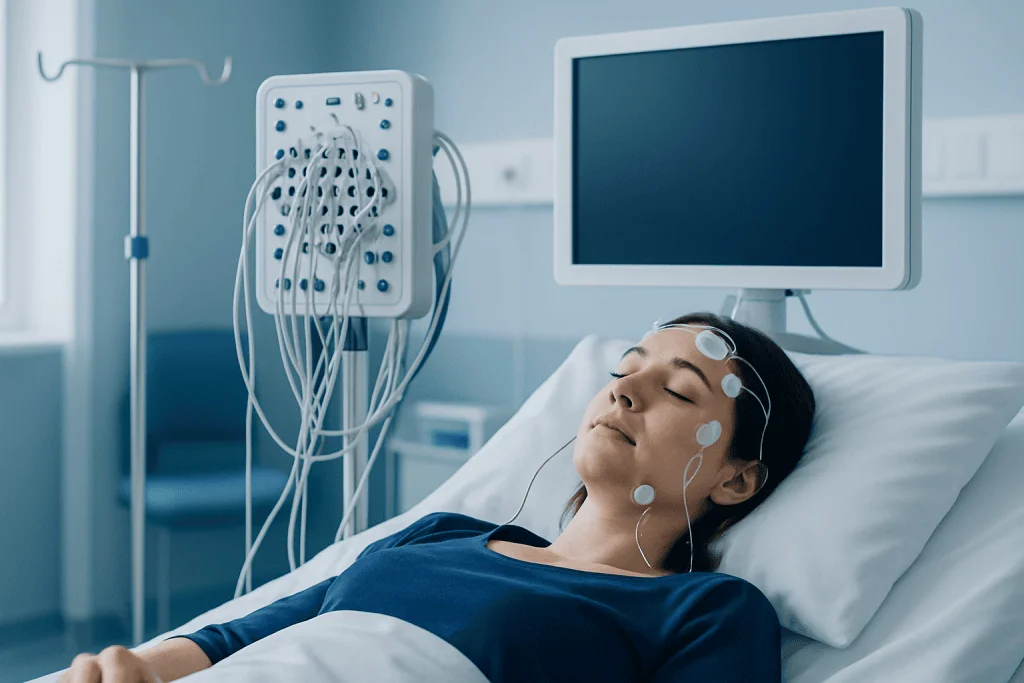
Sleep is not a passive state. The brain remains active through repeating cycles that include non-REM and REM sleep. REM sleep is strongly associated with vivid, story-like dreams. During this stage, brain areas involved in emotion, visual imagery, and memory can be highly active, while areas responsible for logical control and self-monitoring may be less active. This may help explain why dreams can feel intense, surprising, or unrealistic.
Dreams can also happen during non-REM sleep, although these are often less vivid and less narrative in style. Across the night, REM periods usually become longer, which is one reason people may remember more dreams toward morning.
Researchers believe dreams may be related to several normal brain functions, such as consolidating memories, processing emotional experiences, rehearsing responses to threats, or integrating new information with older knowledge. No single theory explains every dream, but current evidence supports the view that dreaming is part of healthy sleep biology.
What influences dream content

A dream is often shaped by a mix of daily experiences and internal body signals. Stress, anxiety, excitement, grief, trauma, and major life changes can all make dreams more vivid or easier to remember. Emotional events in particular are more likely to appear in altered form during sleep, which is why a dream may include familiar people, places, or fears but arranged in unusual ways.
Physical factors also matter. Fever, sleep deprivation, irregular sleep schedules, alcohol, and some medications can affect sleep structure and dream intensity. Conditions such as depression, anxiety disorders, post-traumatic stress disorder, and sleep apnea may also change how often dreams or nightmares occur by disrupting sleep continuity.
Common influences on dreams include:
- Recent events and strong emotions
- Stress, anxiety, or mental fatigue
- Sleep loss or fragmented sleep
- Alcohol, recreational substances, or certain medicines
- Fever or illness
- Traumatic memories
Because dream content is personal and influenced by many factors, the same type of dream can mean different things for different people. A medical approach focuses less on symbolic decoding and more on the person’s sleep, stress, mental health, and overall wellbeing.
Dreams, nightmares, and other sleep-related experiences
Not every dream is pleasant. Nightmares are vivid, distressing dreams that often wake the sleeper and leave a strong emotional effect, such as fear or sadness. They are more common in children but can occur at any age. Occasional nightmares are usually not a sign of serious disease, especially during periods of stress or after upsetting events.
Recurring nightmares, however, may be linked to sleep disorders, trauma-related conditions, anxiety, depression, or medication effects. Some people also experience night terrors, sleep talking, or acting out dreams. These are different from ordinary dreaming and may need medical evaluation depending on frequency and severity.
In REM sleep behavior disorder, the usual muscle relaxation of REM sleep does not fully occur, so a person may physically act out a dream. This can include shouting, punching, kicking, or sudden movements during sleep. Evaluation by specialists in sleep medicine assessment may help identify whether dream-related behaviors are part of a treatable sleep condition.
Dream-like experiences can also happen when falling asleep or waking up. These are called hypnagogic or hypnopompic experiences and may include vivid images, sounds, or a temporary feeling of not being able to move, known as sleep paralysis. Although these can be frightening, they are often benign when occasional.
What dreams can and cannot tell a person
Dreams can sometimes offer useful clues about stress, mood, or sleep quality, but they are not diagnostic tests by themselves. For example, more frequent disturbing dreams may suggest that someone is under emotional strain or not sleeping well. In that sense, dreams can be a signal that the body and mind need attention.
At the same time, dreams should not be treated as proof of hidden memories, future events, or a specific medical illness. Scientific evidence does not support using dream symbols alone to diagnose disease or make major life decisions. A dream may feel meaningful, but its content is produced by a complex brain process that mixes memory fragments, emotional themes, and sensory input.
When a person is concerned about dreams, a doctor usually asks broader questions: Is sleep refreshing? Are there nightmares, snoring, or witnessed pauses in breathing? Is there anxiety, depression, trauma, medication use, or neurologic symptoms? This overall picture is much more helpful than trying to assign a single fixed interpretation to the dream itself.
When dreams may need medical evaluation
Most dreams do not require treatment. Medical attention becomes more important when dream-related symptoms disturb sleep, affect daytime functioning, or create safety concerns. Persistent nightmares, repeated awakenings, daytime sleepiness, and dream-enactment behaviors can all deserve professional evaluation.
Doctors may review sleep habits, mental health symptoms, medication use, and any signs of a sleep disorder. In some cases, patients benefit from structured testing such as sleep studies or from consultation in neurology care if there are abnormal movements, memory changes, or suspected nervous system causes.
It is sensible to seek medical care if any of the following are present:
- Nightmares happen often and disrupt sleep or mood
- A person shouts, kicks, punches, or gets out of bed during dreams
- There is loud snoring, choking, or pauses in breathing during sleep
- Dream-related fear leads to avoiding sleep
- There are symptoms of anxiety, depression, trauma, or significant stress
- Sleep paralysis or vivid hallucination-like experiences become frequent
For international patients with persistent sleep-related symptoms, Acibadem International’s multidisciplinary specialists in JCI-accredited hospitals evaluate and treat sleep and neurologic conditions with an individualized approach.
Supporting healthy sleep and reducing distressing dreams
Although a person cannot completely control whether a dream occurs, healthy sleep habits can reduce sleep disruption and may lessen distressing dreams. A consistent sleep schedule, a comfortable sleep environment, and limiting alcohol close to bedtime can help stabilize sleep stages. Managing stress during the day may also reduce emotionally intense dreams at night.
People who have recurring nightmares may benefit from discussing stress, trauma, or mood symptoms with a qualified professional. Psychological therapies, including approaches that help a person rehearse a different ending to a nightmare, can be useful in some cases. Treatment depends on the cause, so self-diagnosis is not ideal when symptoms are frequent.
Helpful self-care measures include:
- Keeping regular sleep and wake times
- Limiting heavy meals, alcohol, and stimulating media before bed
- Creating a dark, quiet, comfortable sleeping space
- Practicing relaxation techniques such as breathing exercises or mindfulness
- Seeking support for stress, anxiety, depression, or trauma
- Reviewing medications with a doctor if dreams changed after starting a new drug
If dreams are accompanied by loud snoring, poor-quality sleep, or excessive daytime tiredness, assessment for conditions such as sleep disorders may be appropriate. In those situations, the goal is not to interpret the dream itself, but to improve overall sleep health and quality of life.
Frequently asked questions
What is a dream in simple medical terms?
A dream is a normal mental experience that happens during sleep, made up of images, thoughts, feelings, and sensations. It reflects brain activity during sleep rather than a supernatural event.
Why do people dream?
Experts believe dreaming is related to how the brain processes emotions, stores memories, and organizes information. There is no single proven reason, but dreaming appears to be part of normal sleep function.
Do dreams have real meaning?
Dreams can reflect a person’s emotions, stress, and recent experiences, so they may feel meaningful on a personal level. However, medical evidence does not support the idea that dreams have one universal interpretation or reliably predict the future.
Are nightmares a sign of illness?
An occasional nightmare is common and usually not a sign of disease. Frequent nightmares, especially if they disturb sleep or relate to trauma, anxiety, or unusual sleep behaviors, should be discussed with a doctor.
Is it normal not to remember dreams?
Yes, it is very normal. Many people dream regularly but do not remember the dream because recall depends on sleep stage, awakenings, stress, and individual memory differences.
Can medications affect dreams?
Yes. Some medicines, as well as alcohol or substance use, can change sleep patterns and make dreams more vivid, strange, or distressing. A person should not stop prescribed medication without medical advice, but they can ask a doctor whether a medicine may be contributing.
When should someone see a doctor about dreams?
Medical advice is a good idea if dreams are causing frequent fear, poor sleep, daytime tiredness, or unsafe behaviors such as kicking, shouting, or falling out of bed. Evaluation is also helpful if there are symptoms of snoring, breathing pauses, trauma, anxiety, depression, or neurologic changes.
References
- American Academy of Sleep Medicine
- National Institute of Neurological Disorders and Stroke
- National Institutes of Health
- Mayo Clinic
- Cleveland Clinic
This article is for general information only and is not a substitute for professional medical advice. Please consult a qualified doctor about your individual situation.
Explore treatments in Turkey — costs, top hospitals & a free quote
JCI-accredited · board-certified surgeons · reply within 24h
Add us as a Preferred Source to see more of our trusted health content across Google Search, AI Overviews and Discover.