Dressing Vac: A Complete Medical Overview

A dressing vac is another term patients may hear for negative pressure wound therapy or a wound vac. It can help certain wounds heal by removing fluid, reducing swelling, and keeping the wound environment controlled.
Key Takeaways
- A dressing vac is another term patients may hear for negative pressure wound therapy or a wound vac.
- It can help certain wounds heal by removing fluid, reducing swelling, and keeping the wound environment controlled.
- The dressing must be applied and monitored carefully by trained healthcare professionals.
- Not all wounds are suitable for this treatment, especially if there is untreated infection, dead tissue, or exposed vital structures.
- Patients should seek medical advice promptly if the device alarms, pain worsens, or there are signs of infection.
A dressing vac is a wound care system that uses gentle suction to remove excess fluid, help protect the wound, and support healing. It is commonly used after surgery or for complex wounds, but it is not the right option for every patient or every type of wound.
What a Dressing Vac Is
A dressing vac is a special wound dressing connected to a small suction device. In medical terms, this is called negative pressure wound therapy. It works by placing a foam or gauze dressing into or over the wound, sealing it with an adhesive cover, and applying controlled gentle suction through a tube.
For many patients, the simplest way to understand a dressing vac is that it helps keep the wound clean, manages drainage, and creates an environment that can support healing. It is often used for wounds that need closer management than a standard bandage can provide, including some surgical wounds, deep wounds, pressure injuries, and slow-healing wounds.
A dressing vac is not a medicine on its own, and it does not replace full wound treatment. Doctors still need to address the cause of the wound, check blood flow, treat infection when present, and manage conditions such as diabetes, poor nutrition, or limited mobility that may slow recovery.
How It Helps Wounds Heal
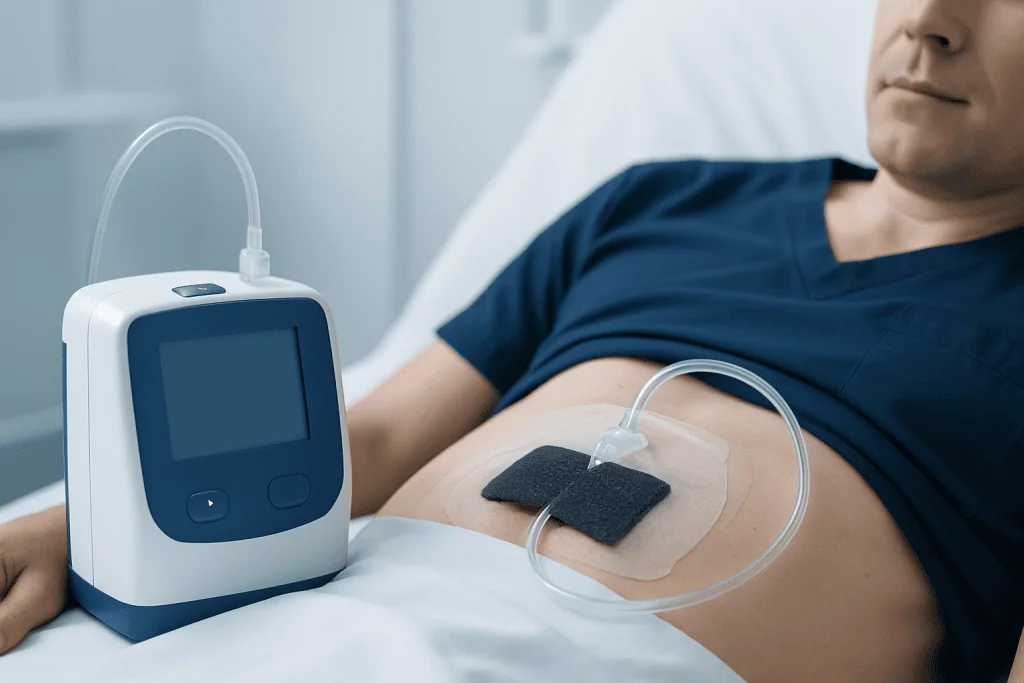
The suction in a dressing vac removes extra fluid from the wound area. This matters because pooled fluid can increase swelling, delay healing, and provide an environment where bacteria may grow more easily. By reducing this fluid, the therapy may help the wound bed become more favorable for recovery.
The sealed dressing also helps protect the wound from outside contamination and keeps the local environment more stable. In selected wounds, negative pressure can support the growth of healthy granulation tissue, which is the new tissue that gradually fills in and repairs the wound.
Another benefit is that the system can help draw wound edges together in some cases. This is particularly useful after certain operations or in wounds with tissue loss. While a dressing vac can be highly effective, results depend on the wound type, the patient’s overall health, and regular professional follow-up.
When a Dressing Vac May Be Used
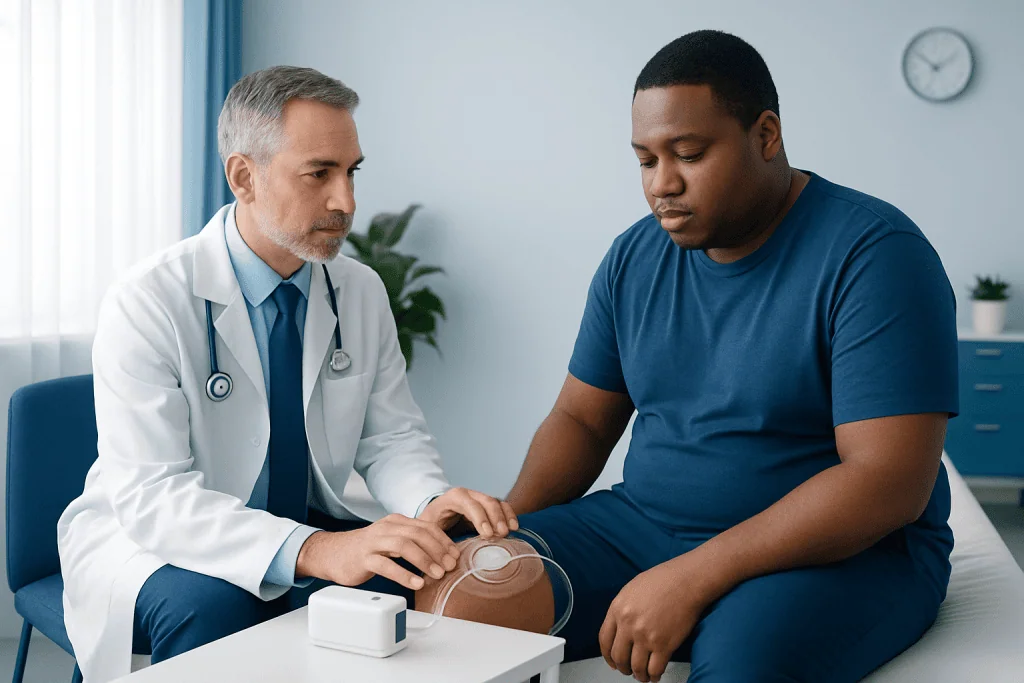
Doctors may recommend a dressing vac for a range of acute and chronic wounds. Common examples include some surgical wounds, traumatic injuries, diabetic foot wounds, pressure sores, and wounds that have opened after an operation. It may also be used to help prepare a wound for later closure or reconstructive treatment.
In practice, the decision is individualized. The wound’s depth, amount of drainage, blood supply, surrounding skin condition, and infection status all affect whether this therapy is appropriate. Patients with complex wounds may also need assessment by specialists in surgery, infectious diseases, vascular care, endocrinology, or rehabilitation.
For example, a dressing vac may be part of treatment planning for difficult wounds related to diabetic foot problems or following procedures in advanced wound care. In some patients, surgery such as plastic and reconstructive surgery may be considered later if tissue coverage or wound closure is needed.
Who May Not Be a Good Candidate
A dressing vac is not suitable for every wound. Doctors may avoid it when there is untreated dead tissue in the wound, uncontrolled bleeding, certain untreated infections, or exposure of important structures such as major blood vessels, nerves, or organs unless these are properly protected and specialist care is in place.
It may also not be appropriate in some cancers involving the wound area, certain fistulas, or wounds with poor blood flow that first need vascular assessment. In these situations, the main concern is safety. The treatment should not be used simply because a wound is large or slow to heal; it should be chosen because it fits the wound’s specific medical needs.
People taking blood thinners, those with fragile skin, and patients with severe pain at the wound site may need especially careful planning and monitoring. Clinicians weigh benefits and risks before deciding on therapy and may choose a different dressing strategy if that is safer.
What to Expect During Treatment
When the dressing is applied, the wound is first cleaned and assessed. A clinician places the chosen dressing material into or over the wound, covers it with a transparent adhesive film, and connects it to tubing attached to the suction unit. Once the system is on, the dressing often appears compressed as the negative pressure takes effect.
Dressings are usually changed at regular intervals determined by the clinical team. During these changes, the wound is checked for tissue growth, drainage, odor, pain, surrounding skin irritation, and any signs of infection or bleeding. Some discomfort can occur, especially during dressing changes, so patients should tell their care team if pain is significant.
Many patients can move around with portable systems, although activity may need to be adapted to avoid pulling on the tubing or disturbing the seal. The device should remain on as instructed. If the seal breaks, the machine alarms repeatedly, or drainage suddenly changes in color or amount, a healthcare professional should be contacted promptly.
Complex cases may require more than one treatment approach over time. Alongside a dressing vac, doctors may recommend debridement to remove nonviable tissue, antibiotics when infection is present, glucose control in diabetes, pressure relief, or nutritional support. In selected cases, evaluation by vascular surgery is important if circulation is a concern.
Benefits, Limits, and Possible Risks
The main advantages of a dressing vac are better fluid control, protection of the wound, and support for healthy tissue formation in appropriate cases. It can also reduce the number of dressing layers needed and may make wound care more consistent, especially for wounds with moderate to heavy drainage.
Even so, it is not a cure-all. Some wounds still heal slowly despite treatment, and others need surgery, infection management, or better blood flow before a dressing vac can help. Patients and families may also find the device inconvenient because it must stay connected and requires attention to alarms, battery charging, and dressing seals.
Possible complications include pain, bleeding, skin irritation from the adhesive, difficulty maintaining the seal, and infection that either develops or becomes more obvious during care. Any sudden bleeding, severe pain, fever, spreading redness, bad odor, or rapidly increasing drainage should be treated as a reason to seek medical advice without delay.
Daily Care, Self-Management, and Prevention
Good wound healing depends on more than the device itself. Patients often do best when they follow the full care plan, keep dressing appointments, and protect the tubing and seal during normal activities. The machine should be handled exactly as instructed, and no one should adjust pressure settings unless directed by the healthcare team.
General health measures are also important. Balanced nutrition, adequate protein intake, good hydration, blood sugar management, smoking cessation, and pressure relief for immobility-related wounds can all support recovery. For leg or foot wounds, footwear advice and circulation assessment may help prevent recurrence.
Skin around the dressing should be observed daily if possible. Family members or caregivers can help watch for redness, leakage, odor, or changes in the machine canister. If a patient has a condition that increases wound risk, such as diabetes or reduced mobility, long-term prevention planning is often just as important as the dressing itself.
For international patients with complex wound needs, Acibadem International’s multidisciplinary specialists and JCI-accredited hospitals provide diagnosis and treatment planning that may include advanced wound therapies when appropriate.
When to Seek Medical Care
Medical care should be sought promptly if there is new or worsening pain, fever, chills, spreading redness, foul-smelling drainage, or swelling around the wound. These symptoms can suggest infection or another complication that needs professional assessment.
Urgent advice is also needed if the dressing vac stops working, cannot maintain suction, repeatedly alarms, or if there is sudden bright red bleeding in the tubing or canister. Patients should not ignore unexpected bleeding, because wounds near blood vessels or fragile tissue require careful review.
Routine follow-up remains important even when everything seems to be going well. A wound that appears unchanged after a period of treatment, or one that repeatedly reopens, may need re-evaluation of the diagnosis, circulation, nutrition, pressure relief, or infection control strategy.
Frequently asked questions
Is a dressing vac the same as a wound vac?
Yes. Patients often use the terms dressing vac, wound vac, and negative pressure wound therapy to describe the same type of treatment. The exact materials and machine may vary, but the basic principle is controlled suction over a sealed wound dressing.
Does a dressing vac make wounds heal faster?
It can help some wounds heal more efficiently, but not every wound responds the same way. Healing depends on the wound type, blood supply, infection control, and overall health factors such as nutrition and diabetes management.
Is using a dressing vac painful?
Some patients feel mild discomfort or pulling, especially when the suction starts or during dressing changes. Pain should be discussed with the care team, because dressing technique and pain management can often be adjusted.
Can a patient go home with a dressing vac?
Yes, many people use portable systems at home if the wound is stable and they receive clear instructions. Home treatment usually includes regular follow-up visits and guidance on alarms, leakage, bathing, and activity.
How often does the dressing need to be changed?
The schedule depends on the wound, the amount of drainage, and whether infection is present. A clinician decides the safest interval, and patients should not try to change the plan on their own unless specifically trained to do so.
What are the warning signs that need medical attention?
Important warning signs include fever, bad odor, increasing redness, worsening pain, new swelling, sudden bleeding, or a device that will not hold suction. These changes can mean the wound or the system needs urgent review.
References
- World Health Organization
- National Institute for Health and Care Excellence
- Wound, Ostomy and Continence Nurses Society
- Centers for Disease Control and Prevention
- U.S. National Library of Medicine
This article is for general information only and is not a substitute for professional medical advice. Please consult a qualified doctor about your individual situation.
Explore treatments in Turkey — costs, top hospitals & a free quote
JCI-accredited · board-certified surgeons · reply within 24h
Add us as a Preferred Source to see more of our trusted health content across Google Search, AI Overviews and Discover.

More from the Health Library

Surgical flap: A Complete Medical Guide for Patients

Lumpectomie: What Patients Need to Know

Suprapubic Catheter: A Complete Medical Overview

Keloids and Piercings: What Patients Need to Know

Sore Back Under Ribs Right Side — Explained by Medical Evidence, Not Myths