Drug Induced Schizophrenia — Explained by Medical Evidence, Not Myths

The preferred clinical term is substance/medication-induced psychotic disorder rather than drug induced schizophrenia. Cannabis, stimulants, hallucinogens, alcohol withdrawal, and some prescribed medicines can contribute to psychotic symptoms in some people.
Key Takeaways
- The preferred clinical term is substance/medication-induced psychotic disorder rather than drug induced schizophrenia.
- Cannabis, stimulants, hallucinogens, alcohol withdrawal, and some prescribed medicines can contribute to psychotic symptoms in some people.
- Psychosis is a medical urgency when there is risk of harm, severe confusion, inability to care for oneself, or loss of contact with reality.
- A clinician must assess timing, substance exposure, medical causes, and whether symptoms persist after intoxication or withdrawal has resolved.
- Do not suddenly stop a prescribed medicine without medical advice unless emergency services instruct otherwise; seek prompt professional guidance.
Drug induced schizophrenia is a non-medical term often used for substance- or medication-induced psychosis: hallucinations, delusions, or disorganized thinking that develop during or soon after exposure to a drug or substance. It needs prompt medical assessment because symptoms may improve after the cause is addressed, but they can also reveal or coexist with an underlying psychotic disorder.
What does drug induced schizophrenia mean?
Drug induced schizophrenia is commonly used to describe psychosis associated with alcohol, recreational drugs, or prescribed medicines. Clinicians usually use the more precise term substance/medication-induced psychotic disorder. Psychosis means a person has difficulty distinguishing what is real from what is not, which may include hallucinations, fixed false beliefs, markedly suspicious thinking, or confused and disorganized speech.
The term can be misleading because schizophrenia is a specific, long-term psychiatric condition diagnosed using careful clinical criteria. A psychotic episode that occurs after substance use does not automatically mean that a person has schizophrenia. However, substances can trigger a first episode in someone with an underlying vulnerability, and ongoing symptoms need follow-up to clarify the diagnosis.
Symptoms can occur during intoxication, shortly after use, or during withdrawal from some substances. They may settle as the substance leaves the body and sleep, hydration, and safety are restored, but the course varies widely. A prompt professional assessment is the safest way to identify the cause and support recovery.
How psychosis can appear
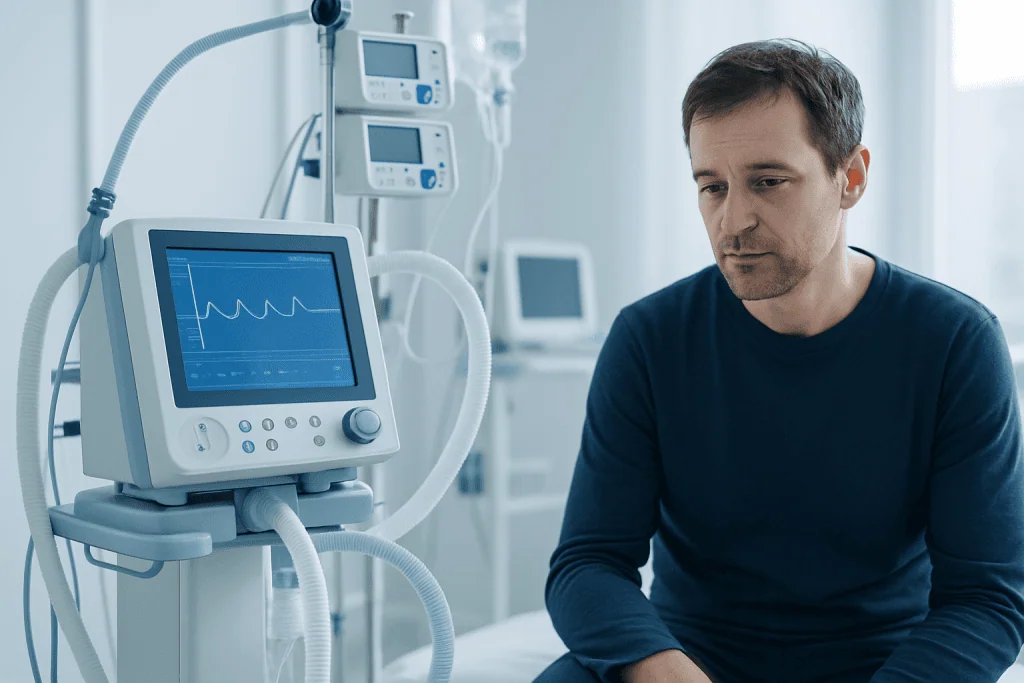
Psychosis can begin suddenly or build over hours to days. The person may hear voices, see or feel things that others do not perceive, believe they are being watched or harmed, or have strong beliefs that are not supported by evidence. Thoughts may race, speech may be difficult to follow, and behavior may become withdrawn, agitated, or unusual.
Other features may include severe anxiety, panic, insomnia, irritability, poor concentration, changes in mood, or neglect of eating and personal care. Stimulant-related episodes can involve intense alertness, restlessness, and paranoia. Hallucinogens may cause perceptual changes and altered reality testing. Alcohol or sedative withdrawal can cause agitation, tremor, confusion, and, in severe cases, hallucinations.
Symptoms do not always look dramatic. A family member may first notice increasing isolation, suspiciousness, loss of sleep, a sudden decline in daily functioning, or unusually risky behavior. It is generally more helpful to respond calmly and seek assessment than to argue about what the person is experiencing.
- Hallucinations: hearing, seeing, smelling, tasting, or feeling something without an external cause
- Delusions: strongly held beliefs that remain despite clear evidence to the contrary
- Disorganized thinking or speech: difficulty staying on topic or making sense of ideas
- Marked changes in behavior, mood, sleep, judgment, or ability to manage daily tasks
Substances, medicines, and risk factors

A range of substances can be associated with psychotic symptoms. These include cannabis, particularly high-potency products; stimulants such as cocaine, methamphetamine, and some non-medical use of attention medications; hallucinogens; and synthetic or unknown substances. Heavy alcohol use and withdrawal from alcohol or sedating medicines can also produce severe confusion or hallucinations and require urgent medical attention.
Some prescribed medicines may rarely contribute to psychotic symptoms in susceptible individuals. Examples can include corticosteroids, certain medicines used for Parkinson’s disease, some seizure medicines, and medicines with strong stimulant or anticholinergic effects. This does not mean a prescribed medicine should be stopped independently. The prescriber needs to balance possible side effects against the risks of abrupt discontinuation and may recommend a supervised adjustment.
Risk is influenced by the type and amount of substance, frequency of use, sleep deprivation, mixing substances, and an individual’s physical and mental health. A personal or family history of psychosis, bipolar disorder, trauma, or previous substance-related mental health symptoms may increase vulnerability. Adolescents and young adults may be particularly sensitive to the mental health effects of frequent substance use because brain development is still ongoing.
Psychosis also has medical causes that must not be overlooked, including delirium, infections, neurological disorders, metabolic problems, and severe sleep deprivation. This is why a thorough evaluation is important rather than assuming that substance exposure is the only explanation.
How clinicians tell it apart from schizophrenia
There is no single blood test or brain scan that confirms substance-induced psychosis or schizophrenia. Diagnosis is based on a detailed history, mental state examination, physical examination, and information from family or other trusted people when appropriate. Clinicians ask when symptoms began, which substances or medicines were used, how much was taken, whether symptoms occurred during abstinence, and whether there have been earlier episodes.
Drug screening or other laboratory tests may be used to support the assessment, although a negative test does not rule out every substance and a positive test does not prove causation. Depending on the situation, clinicians may check for infection, metabolic disturbances, medication effects, or neurological concerns. They also assess sleep, mood symptoms, cognitive changes, suicide risk, and the person’s ability to remain safe.
Timing is important. Symptoms that clearly develop during or soon after substance use and resolve after a period without exposure may support a substance-induced diagnosis. Symptoms that precede substance use, persist well beyond expected intoxication or withdrawal, or recur without substance exposure may suggest another condition such as schizophrenia or a mood disorder with psychotic features. Sometimes the diagnosis becomes clearer only with time and follow-up.
An accurate diagnosis should never be based on stigma or assumptions about a person’s substance use. It should be a respectful, person-centered process that considers medical, psychological, social, and safety needs.
Treatment and recovery support
Initial care focuses on safety, reducing stimulation, treating medical complications, and stopping further exposure to the triggering substance. In an emergency department or hospital setting, clinicians may monitor vital signs, hydration, agitation, confusion, and possible withdrawal. If a person is severely distressed, unable to sleep, or at risk of harming themselves or others, short-term medication may be used under clinical supervision to reduce acute symptoms.
Antipsychotic medicine may be considered for significant psychotic symptoms, while withdrawal from alcohol or sedative medicines requires specific medical management. Treatment is individualized because the right approach depends on the substance involved, other health conditions, and symptom severity. Prescribed medicines suspected of contributing to symptoms may be adjusted or replaced by the treating clinician rather than stopped without advice.
After the immediate episode, continuing mental health follow-up is important. This may include psychiatric review, psychological therapy, family education, sleep support, and treatment for substance use. Psychiatric care can help monitor whether symptoms fully resolve, guide medication decisions, and address related anxiety, depression, or trauma.
Recovery plans often benefit from practical support as well. A clinician may recommend avoiding alcohol and non-prescribed drugs, arranging a stable sleep routine, reconnecting with trusted people, and using addiction services where needed. Relapse prevention is not about blame; it is about identifying triggers and building safer supports for the future.
Prevention and self-care after an episode
The most effective prevention is avoiding the substance or medicine exposure thought to be associated with psychosis, while making any prescribed-medication changes with a clinician. Avoiding cannabis, stimulants, hallucinogens, unknown products, and mixing substances is especially important for anyone who has experienced psychotic symptoms or has a personal or family history of psychosis.
Regular sleep, meals, hydration, and a predictable daily routine can support recovery. Sleep loss can worsen suspicious thoughts, perceptual changes, anxiety, and mood instability. It may help to limit caffeine and energy drinks, particularly if they affect sleep or increase agitation.
Trusted relatives or friends can play a valuable role by watching for early warning signs such as escalating insomnia, increasing isolation, suspiciousness, confusion, or a return to substance use. A written plan can identify who to contact, where to seek urgent care, and how to reduce access to substances during a vulnerable period.
People should not try to manage severe withdrawal alone. Alcohol withdrawal and withdrawal from sedating medicines can be dangerous, particularly after heavy or prolonged use. Medical supervision can make withdrawal safer and connect the person with longer-term support.
When to seek medical care
Urgent medical care is needed if a person is hearing voices that command them to act, feels unable to stay safe, has thoughts of suicide or harming someone else, is extremely agitated, severely confused, or cannot care for basic needs. Emergency help is also needed for seizures, chest pain, high fever, fainting, severe headache, weakness, or suspected overdose. If there is immediate danger, contact local emergency services and do not leave the person alone.
Even when symptoms seem mild, a new episode of hallucinations, delusions, or severe paranoia deserves prompt assessment by a doctor or mental health professional. Early care can identify treatable medical causes, reduce distress, and help prevent further substance-related harm. A calm environment and a non-confrontational approach are usually safest while help is arranged.
Acibadem International’s multidisciplinary specialists and JCI-accredited hospitals can assess and treat psychotic symptoms and related substance-use concerns for international patients. Ongoing care should be coordinated with qualified mental health and addiction professionals, particularly when symptoms persist or return.
Frequently asked questions
Is drug induced schizophrenia a real diagnosis?
Drug induced schizophrenia is a commonly used phrase, but it is not the preferred formal diagnosis. Clinicians generally use substance/medication-induced psychotic disorder when psychotic symptoms are linked to intoxication, withdrawal, or a medicine. Schizophrenia is diagnosed separately when symptoms and their course meet specific criteria.
Can drug-induced psychosis go away?
Many people improve after the triggering substance is stopped and they receive appropriate medical support. The duration depends on the substance, amount used, withdrawal effects, sleep, other health conditions, and individual vulnerability. Persistent or recurrent symptoms need psychiatric follow-up because another psychotic disorder may be present.
Which drugs can cause psychosis?
Cannabis, stimulants, cocaine, methamphetamine, hallucinogens, alcohol withdrawal, and some synthetic substances can contribute to psychosis. Some prescribed medicines can also rarely cause psychotic symptoms. The risk differs substantially among individuals and is higher when substances are mixed or sleep is severely disrupted.
How long does drug-induced psychosis last?
Symptoms may last hours, days, or longer, depending on the substance and the person’s circumstances. Some effects resolve after intoxication or withdrawal ends, while others require ongoing treatment and observation. A clinician should assess any psychotic symptoms that continue, worsen, or return.
Should someone stop a prescribed medicine if they develop hallucinations?
They should seek urgent advice from the prescribing clinician or another qualified medical professional. Abruptly stopping some medicines can cause withdrawal or worsen the underlying condition, so changes should usually be supervised. Emergency care is appropriate if hallucinations are severe, accompanied by confusion, or create a risk of harm.
Can cannabis trigger schizophrenia?
Cannabis does not cause schizophrenia in every person who uses it, but frequent use and high-potency products are associated with an increased risk of psychotic experiences in susceptible people. It may also trigger or worsen symptoms in people with an underlying vulnerability to psychosis. Avoiding cannabis is advisable after any psychotic episode.
References
- World Health Organization
- National Institute of Mental Health
- American Psychiatric Association
- National Institute on Drug Abuse
- National Health Service
This article is for general information only and is not a substitute for professional medical advice. Please consult a qualified doctor about your individual situation.
Schizophrenia in Turkey — costs, top hospitals & a free quote
JCI-accredited · board-certified surgeons · reply within 24h
Add us as a Preferred Source to see more of our trusted health content across Google Search, AI Overviews and Discover.