Dry Drowning: An Evidence-Based Guide for Patients
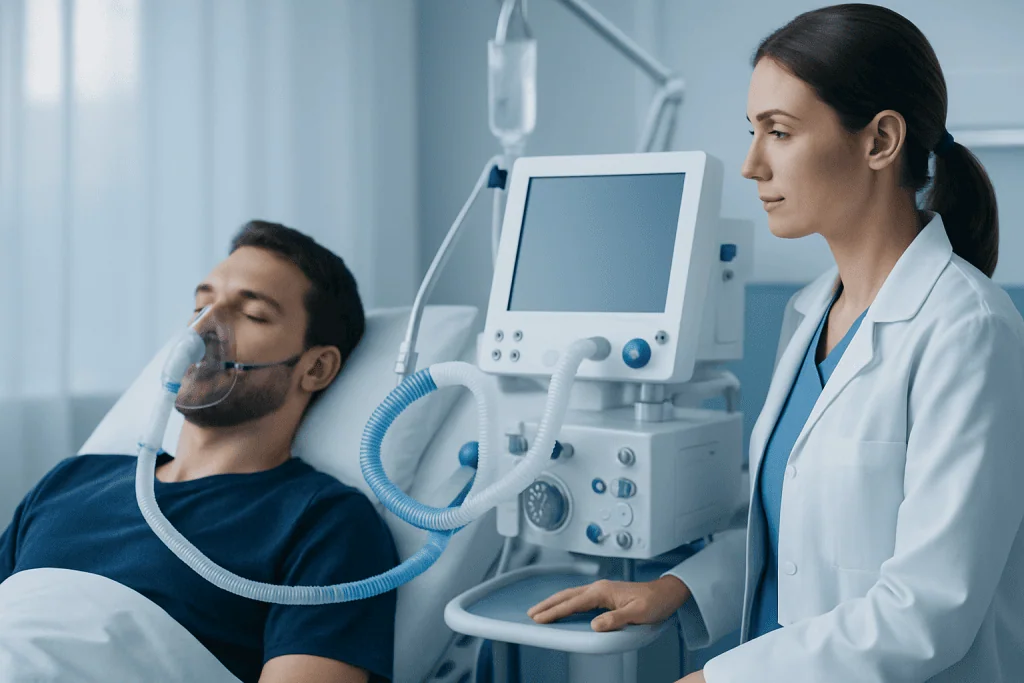
Dry drowning is not an official diagnosis, but the term is commonly used for breathing trouble after inhaling water. Symptoms that continue or appear after a water incident may include persistent cough, trouble breathing, unusual sleepiness, chest discomfort, or behavior changes.
Key Takeaways
- Dry drowning is not an official diagnosis, but the term is commonly used for breathing trouble after inhaling water.
- Symptoms that continue or appear after a water incident may include persistent cough, trouble breathing, unusual sleepiness, chest discomfort, or behavior changes.
- A small amount of water in the airway can irritate the lungs and affect breathing, so symptoms should never be ignored if they are ongoing.
- Anyone with breathing difficulty, bluish lips, severe fatigue, confusion, or worsening symptoms needs urgent medical care.
- Prevention includes close supervision around water, swimming lessons, pool safety, and prompt evaluation after a concerning submersion event.
Dry drowning is a nonmedical term often used to describe breathing problems that happen after water is inhaled. Most people who cough briefly after swallowing water recover without harm, but ongoing or delayed symptoms after a water incident should be assessed by a doctor.
Overview: what “dry drowning” really means
Dry drowning is a popular term, but it is not a formal medical diagnosis. It is often used by the public to describe breathing problems that develop after a person inhales water or has a submersion event. In medical practice, doctors are more likely to talk about respiratory symptoms after water aspiration or nonfatal drowning.
The most important point for patients and families is simple: if a person has ongoing cough, breathing difficulty, unusual drowsiness, or other concerning symptoms after time in the water, they should be medically assessed. A brief cough after accidentally swallowing water is common and usually settles quickly, but symptoms that persist, worsen, or start later are not something to watch casually at home.
The term “dry drowning” can be confusing because it suggests a separate condition. In reality, symptoms after water exposure may happen for a few reasons, including spasm of the airway, irritation in the lungs, or fluid-related inflammation after aspiration. What matters most is not the label, but recognizing symptoms early and getting help when needed.
What happens in the body after water is inhaled?
When water enters the mouth or nose unexpectedly, the body reacts quickly to protect the lungs. Coughing is a normal defense that helps clear the airway. Sometimes the upper airway can briefly tighten, which may make breathing feel difficult for a short time. In other cases, a small amount of water may pass deeper into the airways and irritate lung tissue.
This irritation can interfere with how oxygen moves from the lungs into the blood. If the irritation is mild, symptoms may improve on their own. If it is more significant, a person may develop persistent coughing, fast breathing, shortness of breath, or fatigue. These symptoms can appear soon after the event or become noticeable over the next several hours.
Children are often the focus of discussions about dry drowning, but adults can also have complications after inhaling water. People with asthma or other lung conditions may be especially vulnerable to breathing symptoms after any airway irritation, even though the cause is different from chronic respiratory disease. A doctor can help determine whether symptoms are related to water aspiration or another issue.
Symptoms to watch for after a water incident

Most minor water exposures do not lead to serious problems. Still, after a near-submersion, forceful choking episode in water, or a situation where a person seems distressed in the pool, lake, or sea, it is important to watch for symptoms that continue beyond the immediate moment.
Possible warning signs include persistent coughing, noisy breathing, shortness of breath, rapid breathing, chest discomfort, vomiting, marked tiredness, confusion, or unusual behavior. In children, parents may notice that the child is less playful, unusually clingy, irritable, or sleepy. Pale or bluish skin and lips are emergency signs that suggest poor oxygen levels.
A useful rule is that symptoms should trend clearly toward improvement after a brief coughing spell. If they do not improve, or if they return after seeming to settle, medical evaluation is appropriate. Water aspiration can also aggravate existing asthma, which may make wheezing or breathing tightness more noticeable.
- Persistent or worsening cough
- Trouble breathing or fast breathing
- Wheezing or noisy breathing
- Extreme sleepiness or difficulty staying awake
- Confusion, irritability, or behavior changes
- Blue lips, gray skin tone, or collapse
Causes, risk factors, and common misconceptions
Dry drowning is usually discussed after accidental inhalation of water during swimming, diving, bathing, water sports, or a near-drowning event. Risk can be higher in situations involving panic in the water, inadequate supervision, fatigue, alcohol use, rough water, or poor swimming skills. Small children are at particular risk because they can inhale water quickly and may not be able to explain how they feel afterward.
One common misconception is that a child who looks fine after a day at the pool could suddenly die much later without warning. In reality, serious complications after water aspiration are generally associated with symptoms. If breathing problems are going to develop, there are usually signs such as coughing, respiratory distress, or unusual tiredness. This is why observation and symptom awareness are so important.
Another misconception is that any swallowed pool water is dangerous. Swallowing a small amount of water is unpleasant but usually harmless. Concern is greater when water is inhaled into the airway rather than simply swallowed into the stomach. It is also important to remember that symptoms after water exposure are not always caused by aspiration; infections, asthma, panic, or unrelated heart and lung conditions may need to be considered.
How doctors evaluate and diagnose post-submersion breathing problems
There is no single test called a dry drowning test. Diagnosis starts with a careful history: what happened in the water, whether the person coughed or choked, how long symptoms lasted, and whether breathing, alertness, or behavior changed. The doctor will also assess oxygen levels, breathing effort, heart rate, and lung sounds.
Some patients only need observation and a physical examination, especially if symptoms are mild and improving. Others may need tests such as pulse oximetry to measure oxygen saturation, chest imaging, or blood tests if symptoms are significant or if the diagnosis is unclear. In children, doctors also look closely for subtle signs of fatigue or respiratory distress, since young patients may not describe shortness of breath clearly.
If a person has severe breathing symptoms, emergency teams may use advanced monitoring and supportive care. In selected cases, bronchoscopy may help doctors examine the airways if another inhaled material or airway problem is suspected. When breathing problems are significant, a hospital with access to comprehensive medical evaluation and respiratory support can be important.
Treatment options and what recovery looks like
Treatment depends on the severity of symptoms. Mild cases may only need monitoring, rest, and repeat assessment to confirm that breathing is normalizing. If oxygen levels are low or breathing is labored, supplemental oxygen may be given. Doctors treat the person’s symptoms and support the lungs while irritation improves.
More serious cases may require emergency care, hospital observation, or respiratory support. If there is significant wheezing, underlying asthma, or concern for another airway problem, treatment may be adjusted accordingly. If infection is suspected for separate reasons, a doctor will decide whether additional treatment is needed; antibiotics are not routinely used just because a person inhaled water.
Most people who receive timely medical attention for post-submersion symptoms recover well. Recovery time varies depending on how much water was inhaled, how quickly treatment began, and whether the person has other health issues. If symptoms are severe or prolonged, doctors may involve respiratory specialists and use respiratory function testing later to assess ongoing lung effects.
Prevention and self-care after a water scare
The best way to prevent dry drowning concerns is to prevent submersion and water aspiration in the first place. Children should always be closely supervised around pools, bathtubs, beaches, and even shallow water. Layers of protection help, including pool fencing, life jackets when appropriate, swimming lessons, and avoiding alcohol or risky behavior around water.
After a water scare, it is reasonable to keep a close eye on the person for any signs of breathing trouble, persistent cough, or unusual sleepiness. Quiet observation is helpful, but home monitoring should never replace medical care if concerning symptoms are present. A person who had a frightening event in the water may also need reassurance, warmth, and emotional support once they are safe.
Families should trust their instincts. If a child or adult seems “not quite right” after inhaling water, it is better to seek advice than to dismiss symptoms. Near the end of the care journey, some international patients choose centers such as Acibadem International, where multidisciplinary specialists in JCI-accredited hospitals evaluate and treat respiratory concerns after water-related incidents.
When to seek medical care
Immediate medical care is needed if a person has trouble breathing, blue or gray lips, severe coughing, wheezing, chest pain, fainting, confusion, or extreme drowsiness after a water incident. Emergency help is also appropriate if a child cannot be fully awakened, seems limp, or looks distressed in any way. These signs suggest that the lungs may not be getting enough oxygen.
Prompt same-day medical assessment is sensible if symptoms are milder but ongoing, such as persistent coughing, vomiting after choking in water, unusual tiredness, or behavior changes. People with asthma, heart disease, or previous respiratory problems may need closer attention because even small airway irritation can affect them more. If the event involved loss of consciousness, rescue breathing, or prolonged submersion, a doctor should evaluate the person even if they seem improved afterward.
Patients who need a fuller evaluation may benefit from emergency medicine services and respiratory assessment. The key message is reassuring but practical: most water exposures do not cause serious harm, yet ongoing or delayed symptoms deserve proper medical attention rather than watchful waiting alone.
Frequently asked questions
Is dry drowning a real medical condition?
Dry drowning is a commonly used term, but it is not an official medical diagnosis. Doctors usually describe these events as breathing problems after water aspiration or nonfatal drowning. The focus is on symptoms and oxygen levels rather than the label.
How long after swallowing or inhaling water can symptoms appear?
Symptoms often start right away, but some may become more noticeable over the next several hours. The important point is that concerning symptoms are usually not silent; they tend to show up as cough, breathing trouble, fatigue, or behavior changes. If symptoms appear or persist after a water incident, a medical assessment is wise.
Can a person seem fine and then suddenly become very sick later?
Serious complications after water aspiration are generally accompanied by symptoms rather than happening completely without warning. A person may appear improved at first and then show cough, shortness of breath, or unusual sleepiness later, which is why observation matters. Sudden unexplained collapse long after a symptom-free period is not the usual pattern described with these events.
What is the difference between dry drowning and secondary drowning?
These terms are often used by the public to describe delayed breathing problems after water exposure. Neither term is preferred in modern medical language, because they can be confusing. Doctors usually assess whether water entered the airway and whether lung irritation or respiratory distress is present.
Should every child who coughs in the pool go to the emergency room?
Not necessarily. A brief cough that stops quickly and is followed by completely normal breathing and behavior is often harmless. However, if the cough continues, the child becomes sleepy, breathes fast, wheezes, vomits, or seems unwell, they should be evaluated promptly.
What should parents do immediately after a water scare?
Move the child to safety, keep them calm, and watch for breathing difficulty, persistent coughing, or unusual tiredness. If the child is not breathing normally, is difficult to wake, or has blue lips, call emergency services right away. If symptoms are milder but ongoing, seek same-day medical advice.
This article is for general information only and is not a substitute for professional medical advice. Please consult a qualified doctor about your individual situation.
Explore treatments in Turkey — costs, top hospitals & a free quote
JCI-accredited · board-certified surgeons · reply within 24h
Add us as a Preferred Source to see more of our trusted health content across Google Search, AI Overviews and Discover.

More from the Health Library

Reassuring: An Evidence-Based Guide for Patients

Toe Thumbs — Explained by Medical Evidence, Not Myths

Trazodone — Explained by Medical Evidence, Not Myths

Tylenol 500mg How Many Can I Take: A Complete Medical Overview

Bifid Uvula: A Complete Medical Overview