

Dyspepsia Treatment: How It Works, Results and What to Expect

Dyspepsia describes recurring upper abdominal discomfort, early fullness, bloating, burning or nausea rather than one single disease. Treatment may include testing for Helicobacter pylori, acid-reducing medicines, medication review and symptom-focused lifestyle measures.
Key Takeaways
- Dyspepsia describes recurring upper abdominal discomfort, early fullness, bloating, burning or nausea rather than one single disease.
- Treatment may include testing for Helicobacter pylori, acid-reducing medicines, medication review and symptom-focused lifestyle measures.
- Functional dyspepsia can be long-lasting, but symptoms often improve with an individualized treatment plan.
- Unintentional weight loss, bleeding, persistent vomiting, trouble swallowing or anemia require timely medical assessment.
- Endoscopy may be recommended when symptoms are persistent, severe, unexplained or accompanied by alarm features.
Dyspepsia treatment is tailored to the likely cause of persistent indigestion, such as Helicobacter pylori infection, acid-related disease, medication effects or functional dyspepsia. Many people improve with a structured assessment, practical dietary changes and appropriate medical treatment, while warning signs need prompt evaluation.
What is dyspepsia and how is it treated?
Dyspepsia treatment aims to reduce ongoing upper abdominal discomfort and identify any underlying condition that needs specific care. Treatment commonly starts with a clinical review, attention to food and medication triggers, testing for Helicobacter pylori when appropriate, and a time-limited course of acid-reducing medicine. The best plan depends on a person’s symptoms, age, medical history and test results.
Dyspepsia, often called indigestion, is a group of symptoms centered in the upper abdomen. It may cause pain or burning, uncomfortable fullness after a normal-sized meal, feeling full unusually early, bloating, belching or nausea. It is not the same as occasional heartburn, although reflux and dyspepsia can occur together.
In many cases, testing does not find ulcers, cancer or another structural explanation for symptoms. This is called functional dyspepsia. The gut can be more sensitive to normal digestion, stomach emptying may be altered, and communication between the gut and nervous system can contribute. A clinician can also consider related digestive conditions, including gastritis, peptic ulcer disease and gastroesophageal reflux disease.
How dyspepsia treatment works
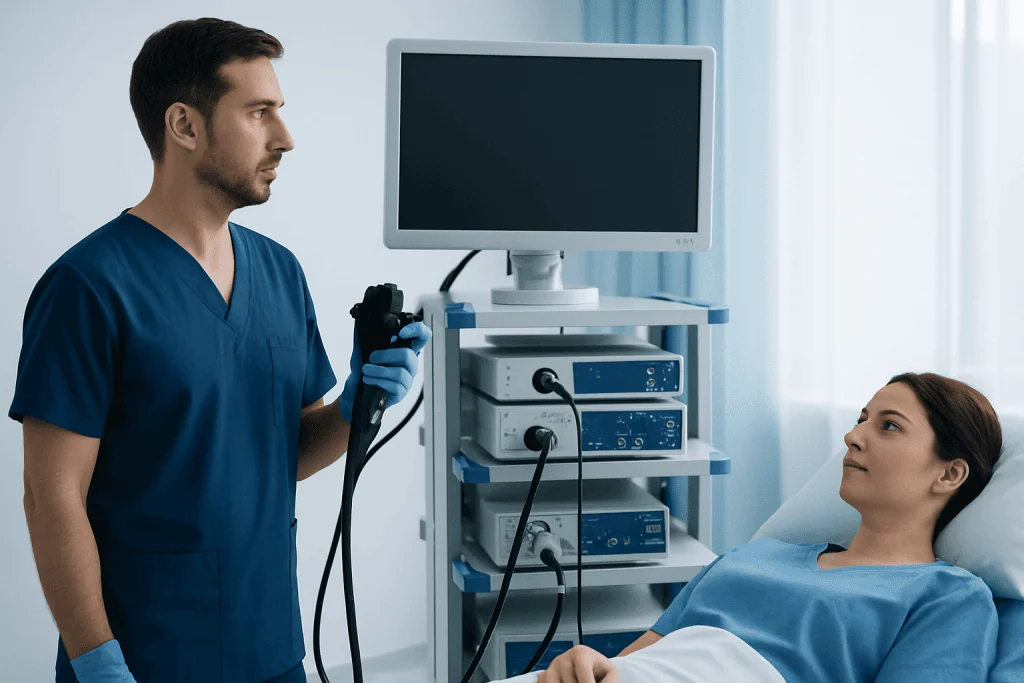
Effective care begins by separating dyspepsia from conditions that can cause similar symptoms. A clinician will ask about the location and timing of discomfort, food patterns, heartburn, bowel changes, medicines, alcohol intake and family history. Anti-inflammatory pain medicines such as ibuprofen and aspirin, when used in some situations, can irritate the stomach lining or contribute to ulcers.
If H. pylori is detected, treatment uses a combination of antibiotics and acid suppression prescribed by a clinician. Clearing this bacterium can heal or help prevent ulcers and can improve dyspepsia for some people. A follow-up test may be advised to confirm that the infection has been treated successfully.
For acid-related symptoms, a clinician may recommend medicines that reduce stomach acid, often proton pump inhibitors or H2-receptor blockers. If symptoms suggest delayed stomach emptying, nausea or a functional gut-brain interaction, other medicines may be considered selectively. Some people benefit from treatment directed at stomach sensitivity or from psychological therapies that help manage the effect of stress on digestive symptoms.
There is no single procedure that treats all dyspepsia. Instead, procedures such as upper gastrointestinal endoscopy are used to examine the esophagus, stomach and first part of the small intestine when needed. This helps clinicians look for inflammation, ulcers, narrowing or other causes and take small tissue samples if appropriate.
Who may need testing or a treatment procedure?

Many otherwise healthy adults with new, uncomplicated dyspepsia can begin with a careful review, noninvasive H. pylori testing and a trial of treatment. Breath tests and stool tests are commonly used for H. pylori. Blood tests may be used in selected circumstances, although they do not always show whether an infection is current.
Endoscopy is more likely to be recommended for people with alarm features, symptoms that do not respond to an appropriate first treatment plan, recurrent symptoms after treatment, or a clinical history that increases concern for a structural digestive condition. The decision is individualized; age alone does not determine whether endoscopy is necessary.
Before testing, the clinician may review medicines and supplements. Certain acid-suppressing medicines, antibiotics and bismuth-containing products can affect the accuracy of H. pylori tests, so patients should ask whether they need to pause a medicine before the test. They should not stop prescribed medication without medical advice.
What happens during endoscopy and other evaluations?
During an upper endoscopy, a flexible camera is passed gently through the mouth into the upper digestive tract. The examination is usually performed after fasting and may involve throat numbing medicine, sedation or both, depending on local practice and the patient’s needs. The endoscope does not block breathing.
The clinician checks the lining of the esophagus, stomach and duodenum for possible causes of symptoms. If needed, tiny biopsies can be collected through the endoscope. Biopsies are generally painless and can help test for H. pylori, inflammation or less common conditions. Removing small polyps or treating a bleeding area may be possible in specific situations.
The examination itself often takes a short time, though the total visit is longer because of preparation and recovery. If sedation is used, a responsible adult may need to accompany the patient home, and driving or important decisions should be avoided until the effects have fully worn off. Results seen during the examination may be discussed on the same day, while biopsy results usually take longer.
Additional assessment may include blood tests for anemia or liver-related concerns, abdominal imaging when symptoms suggest a gallbladder, pancreas or liver problem, and evaluation for gastroesophageal reflux disease when heartburn or regurgitation is prominent.
Benefits, risks and recovery expectations
The main benefit of dyspepsia treatment is a clearer explanation for symptoms and a plan matched to the likely cause. When a treatable cause such as H. pylori infection, ulcer disease or medication irritation is identified, targeted care can reduce symptoms and lower the risk of complications. In functional dyspepsia, treatment focuses on improving daily comfort, meals and quality of life.
After an uncomplicated endoscopy, mild throat irritation, gas or bloating may occur for a short period. Most people return to usual activities the next day, or sooner if no sedation was used and their clinician agrees. They should follow the discharge instructions provided by their care team.
Endoscopy is generally considered safe, but no procedure is without risk. Uncommon risks include a reaction to sedation, bleeding after a biopsy or treatment, infection and a tear in the digestive tract. Patients should seek urgent advice after the procedure for severe or worsening chest or abdominal pain, fever, vomiting blood, black stools, shortness of breath or difficulty swallowing.
Medicines used for dyspepsia also need review. Acid-suppressing medicines can be very useful when appropriately prescribed, but long-term use should be reassessed periodically. Antibiotics for H. pylori can cause temporary digestive side effects and must be taken exactly as directed to give treatment the best chance of success.
Do people recover from functional dyspepsia?
Many people with functional dyspepsia experience meaningful improvement, although symptoms may fluctuate over time. It is a real digestive disorder, not “imagined” symptoms, and it does not automatically mean that a serious disease is present. A partnership between the patient and clinician is important because treatment may need adjustment over several visits.
Helpful steps may include eating smaller meals more slowly, limiting personal trigger foods, avoiding lying down soon after eating, reducing alcohol if it worsens symptoms and avoiding tobacco. Keeping a simple symptom and meal diary can identify patterns without requiring unnecessarily restrictive diets. A dietitian can be helpful when symptoms lead to reduced food intake or anxiety around eating.
Sleep, regular physical activity and stress management may also support symptom control. Stress does not cause all functional dyspepsia, but it can amplify gut sensitivity and make symptoms harder to manage. Some patients benefit from cognitive behavioral therapy, gut-directed hypnotherapy or other evidence-based psychological support as part of comprehensive care.
If symptoms persist, a clinician may reconsider the diagnosis, assess for overlapping reflux or bowel disorders, and discuss further medication options. Improvement is often gradual, and the goal is sustained symptom control with the least burdensome treatment plan.
How serious is dyspepsia?
Dyspepsia is common and is often not caused by a dangerous condition. However, persistent symptoms deserve appropriate assessment because ulcers, H. pylori infection, medication-related injury and other digestive diseases can produce similar complaints. The seriousness depends on the cause, the symptom pattern and whether warning signs are present.
People should avoid assuming that all upper abdominal discomfort is indigestion. Chest pressure, pain spreading to the arm, jaw, back or shoulder, shortness of breath, sweating, fainting or sudden severe symptoms may indicate a medical emergency rather than a stomach problem. Emergency services should be contacted promptly in these situations.
It is also important not to self-treat persistent symptoms indefinitely with over-the-counter remedies. A clinician can help decide whether a short treatment trial is reasonable or whether testing is needed. This is particularly important for people with new symptoms later in adulthood, a family history of upper gastrointestinal cancer, or significant ongoing medical conditions.
What are the red flag signs for dyspepsia?
Medical assessment should be arranged promptly for dyspepsia with unintentional weight loss, difficulty or pain when swallowing, repeated vomiting, vomiting blood, black or tar-like stools, unexplained anemia, persistent fatigue or a new abdominal lump. These signs do not always mean a serious illness, but they require timely evaluation.
A person should also seek medical care if pain is severe, progressively worsening, wakes them regularly from sleep, or continues despite an appropriate treatment trial. Yellowing of the skin or eyes, dark urine, fever, or pain that is strongly linked with meals and travels to the back may point to conditions outside the stomach and should be assessed.
Acibadem International’s multidisciplinary specialists and JCI-accredited hospitals assess digestive symptoms and provide individualized diagnostic and treatment planning for international patients. A gastroenterologist can advise on the most suitable next step, including gastroenterology evaluation, based on each person’s symptoms and health history.
Frequently asked questions
What is the first-line dyspepsia treatment?
First-line care usually includes reviewing possible triggers and medicines, testing for Helicobacter pylori when appropriate, and considering a trial of acid-reducing medicine. The preferred approach depends on age, symptoms, medical history and the presence of any warning signs. A clinician can determine whether testing or endoscopy should come first.
How long does dyspepsia treatment take to work?
Some people notice improvement within days to a few weeks, particularly when acid-related symptoms respond to treatment. Recovery may take longer if an H. pylori infection needs treatment or if symptoms are functional and require adjustments over time. Persistent symptoms should be reviewed rather than repeatedly self-treated.
Can diet cure dyspepsia?
Diet changes may reduce symptoms, but they do not cure every cause of dyspepsia. Smaller meals, slower eating and avoiding foods or drinks that reliably trigger symptoms can be useful. Highly restrictive diets are not usually necessary unless advised by a clinician or dietitian.
Can dyspepsia be caused by stress?
Stress can worsen digestive symptoms and increase sensitivity to normal stomach activity, especially in functional dyspepsia. It is not the only cause, so persistent symptoms should still be assessed medically. Stress-management approaches can be a helpful part of treatment.
Is endoscopy always needed for dyspepsia?
No. Many people can be assessed initially with symptom review, H. pylori testing and a treatment trial. Endoscopy is usually considered when there are alarm features, persistent symptoms, treatment failure or another reason to investigate the upper digestive tract more closely.
Can dyspepsia return after treatment?
Yes, symptoms can recur, especially with functional dyspepsia or if trigger factors return. Recurrence does not necessarily mean something serious has developed, but a new or changed symptom pattern should be discussed with a clinician. Follow-up can help refine the treatment plan and check for other causes.
References
- National Institute of Diabetes and Digestive and Kidney Diseases
- American College of Gastroenterology
- National Health Service
- Mayo Clinic
- World Gastroenterology Organisation
This article is for general information only and is not a substitute for professional medical advice. Please consult a qualified doctor about your individual situation.
Persistent digestive symptoms? Get evaluated in Turkey
JCI-accredited · board-certified surgeons · reply within 24h
Add us as a Preferred Source to see more of our trusted health content across Google Search, AI Overviews and Discover.

More from the Health Library



Related Specialists

Dr. Cüneyt Uçar
Emergency Service
Dr. Erkan Adnan Kelebek
Coronary Intensive Care Unit
Ahmet Turan
Physical Medicine & Rehabilitation
Prof. Dr. Uygur Er
Neurosurgery