Dysplasia: Diagnosis, Outlook, and Modern Treatment Approaches

Dysplasia means abnormal cell development, not cancer itself. The outlook depends on where dysplasia occurs and whether it is mild, moderate, or severe.
Key Takeaways
- Dysplasia means abnormal cell development, not cancer itself.
- The outlook depends on where dysplasia occurs and whether it is mild, moderate, or severe.
- Many cases are found through screening tests before symptoms appear.
- Treatment may include monitoring, medicines, removing abnormal tissue, or treating the underlying cause.
- Regular follow-up is important because some types can return or progress.
Dysplasia is a term for abnormal changes in cells or tissues. It is not the same as cancer, but some forms of dysplasia need monitoring or treatment because they can increase the chance of cancer over time.
Overview: what dysplasia means
Dysplasia is the medical term for abnormal growth or development of cells within a tissue. In everyday practice, doctors use it to describe cells that look different from normal under a microscope. These changes can happen in many parts of the body, including the cervix, digestive tract, skin, bones, and hips in children.
Importantly, dysplasia is not automatically cancer. In many situations, it represents a spectrum of change that ranges from mild to severe. Mild dysplasia may improve or stay stable, while severe dysplasia is more likely to need treatment because it carries a higher chance of developing into cancer if left unmanaged.
The word can also be used in a broader way to describe abnormal tissue formation, as in hip dysplasia or fibrous dysplasia. Because the term covers more than one condition, the exact meaning depends on the organ involved, the test findings, and the pathology report. This is why a doctor will usually explain dysplasia together with the affected body area and the degree of abnormality.
Types of dysplasia and how they differ
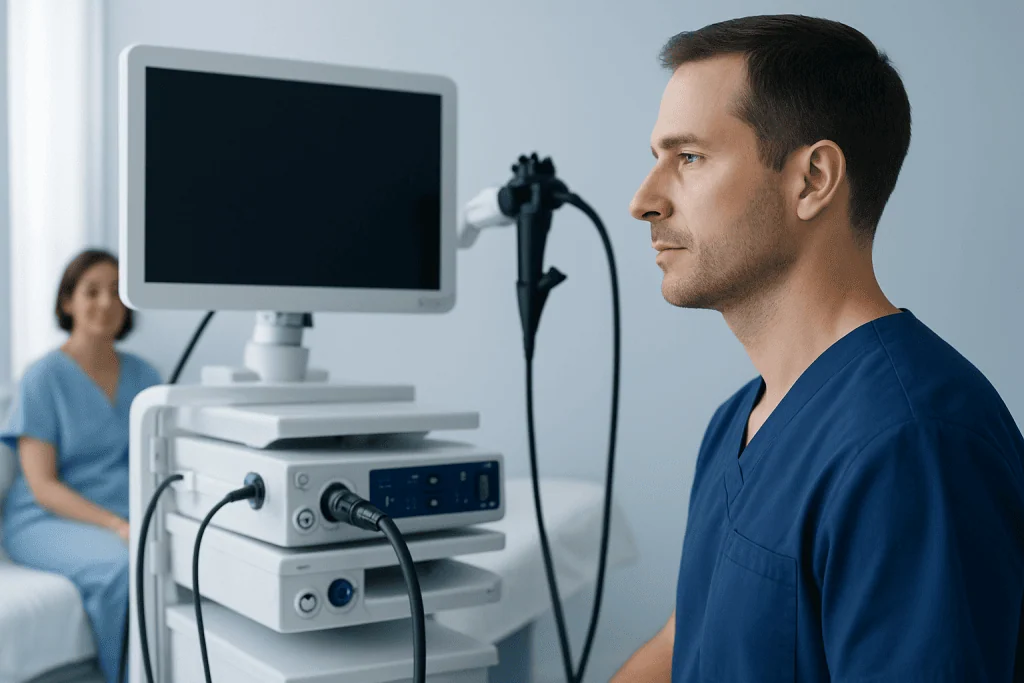
One reason dysplasia can feel confusing is that it is not a single disease. In pathology, it often refers to precancerous cellular changes. Examples include cervical dysplasia, Barrett-related dysplasia in the esophagus, dysplasia in colon polyps, and abnormal cells in the mouth, bladder, or stomach lining. These are often detected through screening, endoscopy, or biopsy.
In other settings, dysplasia describes a structural or developmental problem rather than precancerous cells. For example, hip dysplasia refers to abnormal formation of the hip joint, and fibrous dysplasia affects bone development. These conditions have different causes, symptoms, and treatments from epithelial dysplasia found on a biopsy.
Doctors often grade cellular dysplasia as mild, moderate, or severe, or use terms such as low-grade and high-grade. In general, a higher grade means the cells look more abnormal and may be more likely to progress. The grade helps guide follow-up and treatment decisions, but it is only one part of the overall picture.
- Low-grade or mild dysplasia: usually less abnormal and often managed with surveillance or targeted treatment.
- High-grade or severe dysplasia: more concerning and often treated to remove or destroy the abnormal area.
- Developmental dysplasia: abnormal tissue or joint formation, managed according to the specific body system involved.
Symptoms and signs

Many forms of dysplasia do not cause symptoms at all, especially in the early stages. That is why screening is so important. Cervical dysplasia, for example, is usually found on a Pap test or HPV-related evaluation rather than because a person feels unwell. Esophageal or stomach dysplasia may be discovered during an endoscopy performed for reflux, anemia, or other digestive concerns.
When symptoms do occur, they usually relate to the affected organ rather than to dysplasia itself. Oral dysplasia may appear as a persistent white or red patch in the mouth. Digestive tract dysplasia may be associated with long-term reflux, trouble swallowing, stomach discomfort, bowel habit changes, or bleeding, although these symptoms can also have many non-serious causes. Skin dysplasia-like changes may appear as a changing lesion that needs assessment.
Developmental dysplasia can cause a different pattern of symptoms. For instance, hip dysplasia may lead to groin pain, limping, reduced movement, or early joint wear. Bone-related dysplasia may cause pain, deformity, or fractures. Because symptoms vary so widely, an accurate diagnosis depends on examination and appropriate testing rather than symptoms alone.
Causes and risk factors
The causes of dysplasia depend on the type. For cellular dysplasia, chronic irritation, inflammation, infections, and environmental exposures can all play a role. Cervical dysplasia is strongly linked to persistent infection with high-risk human papillomavirus. Esophageal dysplasia can develop in people with long-standing acid reflux or Barrett’s esophagus. In the colon, abnormal cell changes may arise within polyps over time.
Other risk factors may include smoking, heavy alcohol use, immune suppression, chronic inflammatory disease, family history, and increasing age. Some people have more than one risk factor, while others develop dysplasia without a clear explanation. Risk factors help estimate likelihood, but they do not confirm a diagnosis.
For developmental dysplasia, the causes are different and may involve genetics, growth patterns, mechanical forces, or congenital differences. For example, hip dysplasia may be associated with family history, breech position, or infant swaddling practices that place the hips in an unhealthy position. Bone dysplasia conditions can be linked to abnormal tissue development at the genetic or structural level.
How dysplasia is diagnosed
Diagnosis begins with the location of concern. A doctor may first identify abnormal findings on screening tests, imaging, physical examination, or endoscopy. However, dysplasia is usually confirmed by examining tissue. This means a biopsy or removed sample is reviewed by a pathologist, who evaluates how abnormal the cells appear and whether the changes are low-grade or high-grade.
Common diagnostic tools include Pap tests and colposcopy for cervical changes, endoscopy for esophageal or stomach abnormalities, colonoscopy for colon polyps, skin examination with biopsy for suspicious lesions, and imaging studies for bone or joint dysplasia. In some situations, doctors repeat testing after a set interval to see whether the abnormal area has resolved, remained stable, or progressed.
The pathology report is central to understanding the outlook. It may describe the type of dysplasia, the grade, whether the abnormality is confined to the surface layer, and whether the tissue was completely removed. If findings are unclear, a second pathology review may sometimes be recommended. For gastrointestinal and tissue-based abnormalities, biopsy evaluation and specialist assessment are often key parts of diagnosis.
Treatment options and outlook
Treatment for dysplasia is individualized. Some low-grade changes can be monitored carefully because they may remain stable or even regress, especially if the underlying trigger is addressed. Other cases need active treatment to remove or destroy abnormal tissue before it progresses. The choice depends on the location, severity, symptoms, patient age, overall health, and personal priorities such as fertility preservation or organ function.
For cervical dysplasia, management may include repeat testing, colposcopy-guided procedures, or removal of abnormal tissue. In the digestive tract, endoscopic removal or close surveillance may be recommended for dysplasia in the esophagus, stomach, or colon. Where appropriate, procedures such as endoscopy or colonoscopy can both diagnose and help treat certain precancerous changes. If abnormalities are associated with another condition, doctors may also manage that condition directly, such as Barrett's esophagus.
The outlook is often good when dysplasia is found early and followed appropriately. Many abnormal areas can be treated effectively, and some never progress to cancer. Even so, follow-up matters because dysplasia can recur or new abnormal areas can develop. Patients often benefit from a clear surveillance plan that explains when repeat tests, exams, or procedures are needed.
Near the end of the care pathway, some patients may be referred to centers with coordinated pathology, imaging, endoscopy, surgery, and oncology input. Acibadem International’s multidisciplinary specialists and JCI-accredited hospitals diagnose and treat dysplasia-related conditions for international patients when specialist evaluation is needed.
Prevention and self-care
Not all dysplasia can be prevented, but some risks can be reduced. The most effective step is keeping up with recommended screening. Cervical screening, colon cancer screening, skin checks when appropriate, and timely evaluation of long-standing reflux or other persistent symptoms can help detect abnormal changes early, when treatment is usually simpler and outcomes are more favorable.
Lifestyle measures may also help lower risk. These include avoiding tobacco, limiting alcohol, maintaining a balanced diet, protecting the skin from excessive ultraviolet exposure, and managing chronic reflux or inflammatory conditions with medical guidance. Vaccination against HPV can reduce the risk of cervical and some other HPV-related dysplastic changes.
Self-care after a diagnosis mainly involves attending follow-up visits, understanding the pathology report in plain language, and asking what warning signs should prompt earlier review. It can be helpful to keep copies of test results and a timeline of procedures, especially if care involves more than one specialist. People should not assume that a lack of symptoms means the problem has resolved.
When to seek medical care
Medical review is appropriate whenever a screening test is abnormal or a doctor recommends a biopsy, repeat endoscopy, or specialist follow-up. It is also sensible to seek care for symptoms that persist, such as unusual bleeding, trouble swallowing, a mouth patch that does not heal, ongoing reflux, changes in bowel habits, or a skin lesion that changes in size, shape, or color.
People with a previous diagnosis of dysplasia should not skip planned surveillance appointments, even if they feel well. The purpose of follow-up is to detect progression early or confirm that treatment has worked. If there is uncertainty about a pathology report or treatment plan, a second opinion from a qualified specialist can be useful and reassuring.
Urgent care may be needed for symptoms such as severe bleeding, significant difficulty swallowing, unexplained weight loss, or rapidly worsening pain, depending on the body area involved. A healthcare professional can determine whether symptoms are related to dysplasia or another condition and advise on the next steps safely.
Frequently asked questions
Is dysplasia cancer?
No. Dysplasia means abnormal cells or abnormal tissue development, depending on the condition. Some forms are considered precancerous, which means they may increase cancer risk over time, but they are not cancer themselves.
Can dysplasia go away on its own?
Sometimes, yes, especially when dysplasia is low-grade and the underlying cause improves. However, this depends on the location and severity, so regular follow-up is important even when treatment is not immediately needed.
How serious is high-grade dysplasia?
High-grade dysplasia is generally more concerning than low-grade dysplasia because the cells look more abnormal. It often needs treatment or close specialist follow-up to reduce the chance of progression.
How is dysplasia treated?
Treatment depends on where the dysplasia is found and how severe it is. Options may include monitoring, medicines for related conditions, endoscopic removal, minor procedures, or surgery in selected cases.
What causes dysplasia?
Causes vary by type. Cellular dysplasia may be linked to HPV infection, chronic irritation, inflammation, reflux, smoking, or other environmental and biological factors, while developmental dysplasia may relate to genetics or structural growth patterns.
Will I need long-term follow-up after dysplasia treatment?
Often, yes. Even after successful treatment, doctors may recommend repeat tests or examinations because dysplasia can recur or a new abnormal area can develop later.
References
- World Health Organization
- American Cancer Society
- National Cancer Institute
- Centers for Disease Control and Prevention
- American College of Obstetricians and Gynecologists
This article is for general information only and is not a substitute for professional medical advice. Please consult a qualified doctor about your individual situation.
Oncology care in Turkey — second opinion and treatment plan
JCI-accredited · board-certified surgeons · reply within 24h
Add us as a Preferred Source to see more of our trusted health content across Google Search, AI Overviews and Discover.