Dysthymia Treatment: How It Works, Results and What to Expect

Dysthymia, now commonly called persistent depressive disorder, involves depressed mood and related symptoms lasting for years. Psychotherapy is a core part of dysthymia treatment and may be combined with antidepressant medication.
Key Takeaways
- Dysthymia, now commonly called persistent depressive disorder, involves depressed mood and related symptoms lasting for years.
- Psychotherapy is a core part of dysthymia treatment and may be combined with antidepressant medication.
- The most suitable plan depends on symptom severity, previous treatment, other health conditions and personal preferences.
- Treatment benefits usually build over time, so follow-up and plan adjustments are important.
- Urgent mental health support is needed for thoughts of self-harm, suicide or inability to stay safe.
Dysthymia treatment is individualized and commonly combines psychotherapy, practical lifestyle support and, for some people, antidepressant medication. Improvement is often gradual, but consistent care can meaningfully reduce symptoms and help people regain daily functioning and quality of life.
Dysthymia Treatment: How It Works
Dysthymia treatment, also called treatment for persistent depressive disorder, aims to ease long-lasting low mood and related symptoms while improving day-to-day life. Care commonly includes psychotherapy, changes that support sleep, activity and connection, and antidepressant medication when a clinician considers it appropriate. The best approach is tailored rather than identical for every person.
Persistent depressive disorder can be difficult to recognize because symptoms may become familiar over time. A person may describe feeling discouraged, tired, unmotivated or less able to enjoy life for much of the day, on most days, over a long period. Treatment helps identify these patterns and create manageable steps toward recovery.
Care is not a single procedure with an immediate result. It is a collaborative process involving assessment, treatment selection, regular review and adjustments based on response and side effects. Many people benefit from a combination of approaches, especially when symptoms have been present for a long time.
What Is It Like Living With Dysthymia?
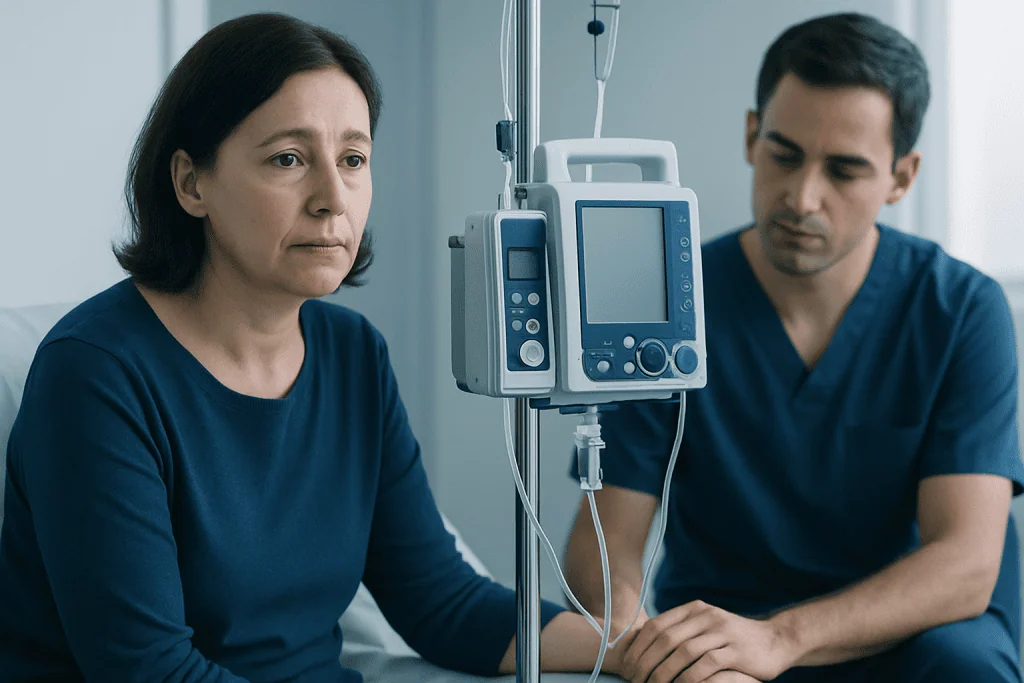
Living with dysthymia can feel like carrying a persistent emotional weight. Symptoms are often less intense than a major depressive episode but may last for two years or longer in adults, and for at least one year in children and adolescents. This long duration can affect confidence, relationships, study, work and self-care.
Common experiences include low energy, poor concentration, low self-esteem, hopelessness, changes in appetite or sleep, and reduced enjoyment. People may still meet responsibilities, but often with considerable effort. Some may assume that low mood is simply part of their personality, which can delay seeking help.
Dysthymia can also occur alongside episodes of major depression, anxiety disorders, substance use concerns, chronic pain or other medical conditions. A careful assessment is useful because treating coexisting concerns may improve overall wellbeing and help guide the treatment plan.
Who May Benefit and How Dysthymia Is Diagnosed

A mental health professional may assess someone for persistent depressive disorder when low mood and other depressive symptoms have continued for a prolonged period and interfere with wellbeing or functioning. Diagnosis is based on a detailed discussion of symptoms, their duration, personal history, family history, daily functioning and any previous care.
The clinician may also ask about sleep, appetite, alcohol or drug use, medications, stressful life events and physical health. In some situations, medical tests may be considered to look for conditions that can contribute to low mood or fatigue, such as thyroid disorders or nutritional deficiencies. These tests do not diagnose dysthymia by themselves.
An assessment also includes questions about safety, including thoughts of self-harm or suicide. Honest answers help the clinician provide appropriate support. Diagnosis is not a label that defines a person; it is a clinical tool used to understand symptoms and select helpful care.
What Is the Most Effective Treatment for Dysthymia?
There is no single most effective dysthymia treatment for every person. Evidence supports psychotherapy and antidepressant medication, either alone or together, depending on symptoms, treatment history, preferences and access to care. For persistent or more impairing symptoms, combining psychotherapy with medication is often considered because it addresses both current symptoms and the patterns that can maintain them.
Psychotherapies may include cognitive behavioral therapy, interpersonal therapy, behavioral activation, mindfulness-informed approaches or other structured talking therapies. Therapy can help a person notice unhelpful thought patterns, improve problem-solving, build routines, manage relationships and reconnect with meaningful activities. The therapeutic relationship and regular participation are important parts of the process.
Antidepressants may be considered by a qualified clinician, particularly when symptoms are moderate to severe, longstanding, or have not improved enough with therapy alone. Benefits may take several weeks to become clearer. Medication choice and monitoring should account for possible side effects, interactions, pregnancy considerations, other health conditions and past response to treatment.
Healthy routines are supportive but should not be presented as a substitute for professional care when symptoms are persistent. Regular sleep patterns, gradual physical activity, balanced meals, limiting alcohol and drugs, and maintaining social contact can complement therapy and medication. A clinician can help make goals realistic when motivation and energy are low.
What to Expect From the Treatment Process and Recovery Timeline
Treatment usually begins with a shared plan that identifies the main symptoms, personal goals and preferred options. Goals might include sleeping more consistently, returning to enjoyable activities, improving concentration, managing work demands or feeling more connected to others. The plan should also include how progress and safety will be reviewed.
During psychotherapy sessions, the person and therapist work through current challenges, emotional patterns and practical strategies. Sessions may be weekly at first and may become less frequent as symptoms improve. If medication is prescribed, follow-up visits are used to assess benefit, side effects, adherence and whether any changes are needed.
Recovery is usually gradual rather than immediate. Some people notice small improvements in sleep, energy or daily structure before mood changes substantially. Meaningful improvement can take weeks to months, and longer-term support may be useful because the condition has been present for an extended period. Continuing treatment after improvement can help reduce the chance of symptoms returning.
It is important not to stop prescribed antidepressant medication suddenly without medical advice. If a treatment is not helping enough, that does not mean recovery is impossible. The clinician may reassess the diagnosis, address coexisting conditions, adjust therapy, change medication or recommend additional support.
Benefits, Risks and Practical Self-Care
The potential benefits of treatment include less persistent sadness, better energy and concentration, improved relationships, greater participation in work or school, and a stronger sense of hope. Treatment can also help people recognize early warning signs and develop a plan for responding to future periods of low mood.
Psychotherapy can bring up difficult feelings, especially early in treatment, but a trained therapist provides a structured and supportive setting. Antidepressant medications can cause side effects, which vary by medicine and person; examples may include stomach upset, sleep changes, headaches or sexual side effects. A prescribing clinician should explain expected effects, monitoring and when to contact them.
Self-care works best when it is small and specific. Helpful starting points may include keeping a regular wake-up time, taking a brief daily walk if medically safe, choosing one manageable task, eating regularly, and telling a trusted person how things are going. Perfection is not required; steady, realistic actions can build momentum.
Avoid using alcohol, recreational drugs or unprescribed medicines to manage low mood, as these can worsen depression, sleep and treatment response. If substance use is difficult to reduce, it is important to discuss it openly with a healthcare professional so that both concerns can be addressed safely.
Is Dysthymia a Serious Mental Illness?
Dysthymia is a real and potentially serious depressive condition because its symptoms can last for years and affect many areas of life. It deserves professional attention, even when a person is still able to work, study or care for others. Severity varies, and many people improve with appropriate treatment and support.
Persistent depression can increase the likelihood of social isolation, difficulties at work or school, relationship strain and episodes of more severe depression. It can also occur with anxiety, physical illnesses or substance use concerns. Early assessment can reduce the burden of symptoms and identify needs that may otherwise go unaddressed.
Having dysthymia does not mean a person is weak, permanently unwell or unable to lead a meaningful life. It is a treatable health condition. Compassionate support from clinicians, family, friends and community resources can be an important part of recovery.
What Is the Prognosis for Dysthymia? When to Seek Medical Care
The prognosis for dysthymia is generally positive with sustained, individualized care, although improvement may take time. Because symptoms are longstanding, some people need ongoing therapy, medication, or both to maintain progress. Regular follow-up helps identify whether treatment is working and allows adjustments before symptoms become more disruptive.
Medical care should be sought if low mood, loss of interest, sleep or appetite changes, fatigue, poor concentration or hopelessness persist for more than two weeks, especially if they affect daily life. An appointment is also appropriate when a person has had a low mood for years, even if they have learned to function around it. A primary care clinician, psychiatrist, psychologist or other qualified mental health professional can help.
Urgent help is needed if someone has thoughts of suicide or self-harm, has made a plan to hurt themselves, feels unable to stay safe, or is experiencing a mental health crisis. They should contact local emergency services, a crisis service, or go to the nearest emergency department, and should not remain alone if immediate safety is a concern.
Acibadem International’s multidisciplinary specialists and JCI-accredited hospitals provide assessment and treatment planning for international patients with depressive disorders, with care coordinated according to individual clinical needs.
Frequently asked questions
Can dysthymia be cured?
Many people experience substantial improvement or remission with appropriate treatment. Because symptoms can be long-lasting, ongoing care and relapse-prevention strategies may be helpful. A clinician can review progress and adapt treatment over time.
How long does dysthymia treatment take to work?
The timeline varies by person and treatment type. Some early changes may appear within weeks, while fuller improvement often takes several months. Regular attendance at therapy and follow-up with a prescribing clinician can support better treatment adjustment.
Do all people with dysthymia need antidepressants?
No. Some people benefit from psychotherapy and supportive lifestyle changes without medication, while others benefit most from a combination. Medication decisions should be made with a qualified clinician after discussing symptoms, health history, benefits and possible side effects.
Can dysthymia turn into major depression?
A person with persistent depressive disorder can also have episodes of major depression. New or worsening symptoms, major changes in functioning, or thoughts of self-harm should be discussed with a healthcare professional promptly. Early support can help prevent symptoms from becoming more severe.
Is therapy useful if low mood has been present for years?
Yes. Therapy can help people understand long-established mood patterns and develop practical skills for thoughts, behavior, relationships and daily routines. Progress may be gradual, but longstanding symptoms can still respond to treatment.
What should family members do to support someone with dysthymia?
Family members can listen without judgment, encourage professional support and offer practical help with small tasks or appointments. It is best to avoid telling the person to simply be positive or try harder. If there is concern about immediate safety, emergency or crisis support should be contacted.
References
- American Psychiatric Association
- National Institute of Mental Health
- World Health Organization
- Mayo Clinic
- National Health Service
This article is for general information only and is not a substitute for professional medical advice. Please consult a qualified doctor about your individual situation.
Explore treatments in Turkey — costs, top hospitals & a free quote
JCI-accredited · board-certified surgeons · reply within 24h
Add us as a Preferred Source to see more of our trusted health content across Google Search, AI Overviews and Discover.