

Early Signs of Stroke and TIA: When Minutes Matter

Stroke and TIA symptoms usually start suddenly and should never be ignored. Face drooping, arm weakness, and speech difficulty are key warning signs to act on immediately.
Key Takeaways
- Stroke and TIA symptoms usually start suddenly and should never be ignored.
- Face drooping, arm weakness, and speech difficulty are key warning signs to act on immediately.
- A TIA is a temporary blockage warning and can come before a major stroke.
- Even if symptoms improve or disappear, urgent medical evaluation is still needed.
- Fast treatment can reduce brain injury and lower the risk of disability.
Early signs of stroke and transient ischemic attack (TIA) can appear suddenly and need immediate medical attention. Recognizing warning signs quickly and calling emergency services can help protect the brain and improve outcomes.
Overview
Early signs of stroke and TIA are medical emergencies because brain cells can be injured within minutes when blood flow is interrupted. A stroke happens when part of the brain does not get enough oxygen-rich blood, either because a blood vessel is blocked or because a vessel bleeds. A transient ischemic attack, often called a TIA or “mini-stroke,” causes similar symptoms but the blockage is temporary and symptoms usually resolve within a short time.
Although a TIA does not usually cause lasting brain injury in the same way as a major stroke, it should never be dismissed. It can be an important warning that a more serious stroke may happen soon. For that reason, both stroke and TIA require urgent assessment, even if the person feels normal again.
Many people expect stroke symptoms to be dramatic, but they can also be subtle at first. Sudden difficulty speaking, weakness on one side, confusion, vision changes, or trouble walking may be the first clue. The key point is that symptoms often begin suddenly, and rapid action matters.
A simple public message is FAST: Face drooping, Arm weakness, Speech difficulty, Time to call emergency services. This tool is helpful, but it does not include every possible symptom. Any sudden neurological change deserves immediate attention.
Symptoms to Watch For
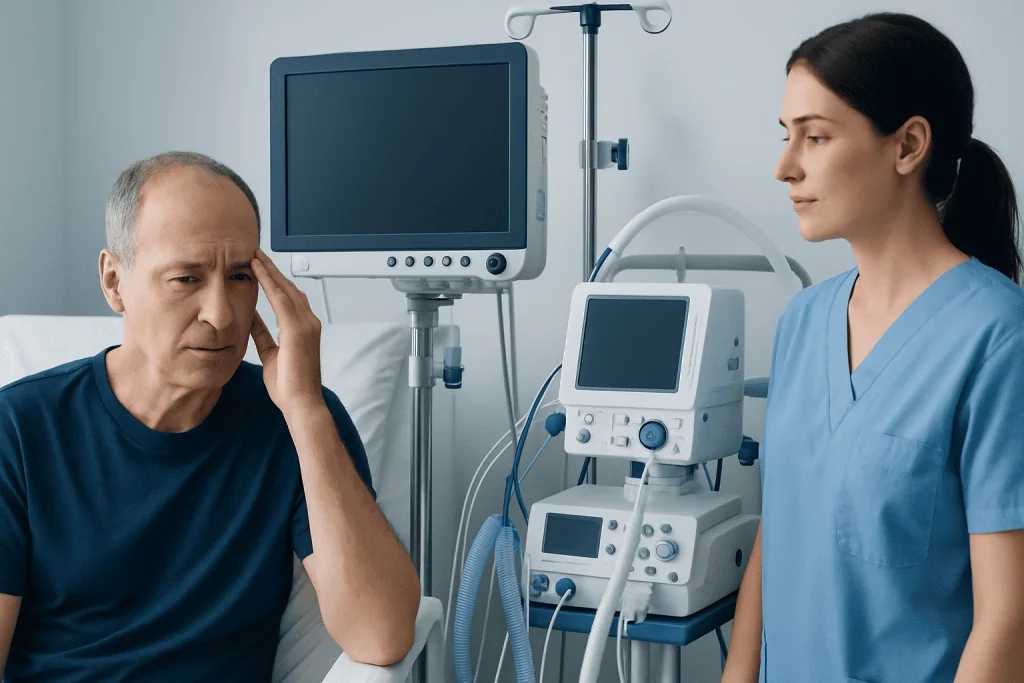
The most common stroke and TIA symptoms are sudden face drooping, weakness or numbness in an arm or leg, and trouble speaking or understanding speech. These changes often affect one side of the body. A person may smile unevenly, drop one arm when trying to raise both, or speak with slurred or confused words.
Other early signs can include sudden vision loss or blurred vision in one or both eyes, dizziness, loss of balance, difficulty walking, or poor coordination. Some people develop sudden confusion or become unable to follow simple instructions. Others may describe numbness, heaviness, or clumsiness in the hand, arm, or leg.
Stroke can also cause a sudden, severe headache, especially if bleeding in the brain is involved. This may happen with nausea, vomiting, sensitivity to light, or reduced alertness. While headache alone is not always a stroke, a sudden unusual headache with neurological symptoms needs urgent evaluation.
- Face drooping or uneven smile
- Arm or leg weakness, usually on one side
- Speech difficulty or slurred speech
- Sudden confusion
- Sudden vision problems
- Trouble walking, dizziness, or loss of balance
- Sudden severe headache
Symptoms of a TIA may last only minutes and then fully disappear. Even so, this is still an emergency. Temporary symptoms can be a warning sign of a future stroke and should be assessed as soon as possible.
Why Minutes Matter

When a stroke happens, the brain is deprived of oxygen and nutrients. The longer the interruption lasts, the greater the risk of permanent brain injury. This is why healthcare teams often say “time is brain.” Fast recognition and transport to the right hospital can make a meaningful difference in treatment options and recovery.
Some strokes are caused by a clot blocking blood flow to the brain. In selected patients, doctors may be able to use clot-busting medicine or procedures that remove the clot and restore circulation. These treatments work best within a limited time window, so delays can reduce their benefit.
A TIA may seem less urgent because symptoms improve, but it also demands quick action. It can signal narrowing of an artery, an irregular heartbeat such as atrial fibrillation, or another treatable problem. Finding and treating the cause early can help prevent a more damaging stroke later.
Because symptoms may affect judgment, a person having a stroke may not realize how serious the situation is. Family members, friends, or coworkers often play a crucial role by recognizing the signs, noting the time symptoms started, and calling emergency services immediately.
Causes and Risk Factors
Stroke has two main types. Ischemic stroke is the most common and happens when a clot blocks an artery supplying the brain. Hemorrhagic stroke happens when a blood vessel ruptures and causes bleeding in or around the brain. A TIA is usually caused by a temporary blockage that clears before permanent injury develops.
Several conditions increase the risk of stroke and TIA. High blood pressure is one of the most important risk factors because it damages blood vessels over time and increases the risk of both blockage and bleeding. Other major contributors include diabetes, high cholesterol, heart disease, atrial fibrillation, smoking, obesity, and physical inactivity.
Age increases risk, but stroke can happen at any age. Family history, prior stroke or TIA, and certain blood vessel disorders may also play a role. In some people, underlying carotid artery disease or heart rhythm problems allow clots to travel to the brain. Related conditions such as stroke and transient ischemic attack are often part of a broader vascular risk picture.
Lifestyle factors matter as well. Excess alcohol, recreational drug use, poor sleep, and unmanaged stress may contribute indirectly by worsening blood pressure or heart health. The good news is that many stroke risks can be reduced with regular medical care and healthy daily habits.
How Stroke and TIA Are Diagnosed
Doctors diagnose stroke and TIA by combining symptom history, neurological examination, and urgent imaging. The first step is usually to determine when symptoms started or when the person was last known to be well. This timing helps guide treatment decisions.
Brain imaging is essential because it helps distinguish between a blocked vessel and bleeding. A CT scan is often used right away because it is fast and widely available. In some cases, MRI provides more detail, especially for small or early ischemic changes. Doctors may also use vessel imaging to look for blockages or narrowing in the brain and neck arteries.
Additional tests may include heart rhythm monitoring, blood tests, and ultrasound of the neck arteries. These studies help identify the underlying cause, such as atrial fibrillation, carotid artery narrowing, or clotting problems. When needed, advanced imaging and interventional neuroradiology procedures can help define the problem and support treatment planning.
Diagnosis does not end after the emergency phase. People who have had a stroke or TIA often need follow-up to understand why it happened and how to reduce the risk of recurrence. Rehabilitation needs may also be assessed early, especially if weakness, speech difficulty, or swallowing problems continue.
Treatment Options
Treatment depends on the type of stroke, how severe it is, and how quickly the person reaches medical care. For an ischemic stroke, emergency treatment may include medicine to dissolve a clot in carefully selected patients. Some people may also benefit from catheter-based procedures to remove a clot from a large brain artery. These time-sensitive approaches are a major reason to seek immediate help rather than waiting to see if symptoms improve.
If a hemorrhagic stroke is diagnosed, treatment focuses on controlling bleeding, reducing pressure in the brain, and stabilizing the patient. Blood pressure management, reversal of certain blood-thinning medications, and neurosurgical care may be needed depending on the cause and location of the bleed. Some patients require intensive monitoring in a stroke unit or intensive care setting.
After the urgent phase, treatment aims to prevent another event. This may include antiplatelet medication, anticoagulants for atrial fibrillation, cholesterol-lowering therapy, blood pressure control, diabetes management, and lifestyle changes. In selected cases, procedures for narrowed neck arteries or specialized stroke treatment pathways may be recommended.
Recovery can involve physical, occupational, and speech therapy. Many people improve with structured rehabilitation, especially when therapy begins early and is tailored to their needs. If ongoing neurological care is required, neurology care and stroke rehabilitation planning can help coordinate the next steps.
Prevention and Self-Care
Prevention focuses on controlling the conditions that raise stroke risk. Keeping blood pressure in a healthy range is especially important. Regular check-ups, taking prescribed medicines as directed, and discussing any side effects with a doctor can help keep risk factors under control.
Healthy habits also make a meaningful difference. Not smoking, staying physically active, eating a balanced diet rich in vegetables, fruits, whole grains, and healthy fats, and limiting excess alcohol can support heart and blood vessel health. Managing weight, sleep, and stress can also contribute to long-term prevention.
People with atrial fibrillation, diabetes, high cholesterol, or previous TIA should work closely with their healthcare team. Personalized prevention may involve medication, home blood pressure monitoring, and periodic review of symptoms. Learning the warning signs and teaching family members the FAST message can be part of self-care too.
For those recovering from an event, self-care includes attending rehabilitation, preventing falls, taking medicines consistently, and watching for recurrent symptoms. Near the end of the care journey, some patients may seek evaluation at centers such as Acibadem International, where multidisciplinary specialists and JCI-accredited hospitals diagnose and treat stroke-related conditions for international patients.
When to Seek Emergency Help
Emergency help is needed immediately for any sudden sign of stroke or TIA, even if the symptom seems mild or goes away. Do not wait to see if the person feels better in an hour. Do not drive yourself if it can be avoided; calling emergency services allows care to begin sooner and helps the patient reach the appropriate hospital.
If possible, note the exact time symptoms started or the last time the person was seen well. This information may affect which treatments are suitable. Keep the person safe, seated or lying down if needed, and do not give food, drink, or medication unless instructed by a medical professional, especially if swallowing may be impaired.
Warning signs that deserve urgent action include sudden face drooping, weakness on one side, speech trouble, confusion, vision loss, severe dizziness, inability to walk, or a sudden severe headache. If the person becomes very drowsy, has a seizure, or loses consciousness, this is especially urgent.
Quick action does not guarantee a specific outcome, but it gives the best chance for prompt diagnosis and treatment. In stroke care, getting help fast is one of the most important steps a patient or loved one can take.
Frequently asked questions
What is the difference between a stroke and a TIA?
A stroke causes brain injury because blood flow is interrupted long enough to damage brain tissue. A TIA causes similar symptoms, but the blockage is temporary and symptoms resolve without lasting injury on the same scale. Even so, a TIA is an urgent warning sign and needs immediate medical evaluation.
Can stroke symptoms come and go?
Yes, symptoms can come and go, especially with a TIA. Temporary improvement does not mean the problem is harmless. A person should still seek emergency care right away because the risk of a full stroke may be higher soon after a TIA.
Is a sudden headache always a sign of stroke?
Not always, because headaches are common and often have less serious causes. However, a sudden severe headache that is unusual for the person, especially if it comes with weakness, confusion, speech problems, or vision changes, needs urgent medical attention. This can be a sign of bleeding in the brain.
What should someone do first if they notice FAST signs?
They should call emergency services immediately and note the time symptoms started or the last known well time. They should not wait to see if symptoms improve. Fast transport and evaluation can make important treatments possible.
Can younger adults have a stroke or TIA?
Yes, although risk generally increases with age, stroke and TIA can occur in younger adults and even in children. Risk factors may include high blood pressure, heart conditions, smoking, diabetes, blood vessel abnormalities, and certain clotting disorders. Any sudden neurological symptom deserves prompt evaluation regardless of age.
How can a person lower their risk of stroke?
The most effective steps include controlling blood pressure, managing diabetes and cholesterol, not smoking, staying active, and taking prescribed medicines consistently. For some people, treatment of atrial fibrillation or carotid artery disease is also important. Regular check-ups help detect and treat risks early.
References
- World Stroke Organization
- American Stroke Association
- National Institute of Neurological Disorders and Stroke
- Centers for Disease Control and Prevention
- National Health Service
This article is for general information only and is not a substitute for professional medical advice. Please consult a qualified doctor about your individual situation.
Explore treatments in Turkey — costs, top hospitals & a free quote
JCI-accredited · board-certified surgeons · reply within 24h
Add us as a Preferred Source to see more of our trusted health content across Google Search, AI Overviews and Discover.
Check your numbers in seconds
BMI, calories, due date, blood pressure and 30+ more clinical calculators — free, instant, doctor-reviewed ranges.

More from the Health Library



Related Specialists
Assoc. Prof. Dr. Tansel Türkoğlu
Cardiovascular Surgery
Assoc. Prof. Dr. Emre Özgü
Gynecology & Obstetrics
Dr. Mürüvvet Ayten Tüzünalp
Ophthalmology
Dr. Birgül Çabuk
Radiology