Earwax Impaction: Blocked Ear Feeling, Safe Removal, and Prevention

Earwax is normal and protective, but it can become impacted when it blocks the ear canal or presses against the eardrum. Common symptoms include fullness, muffled hearing, earache, tinnitus, itching, dizziness, or cough triggered by the ear canal.
Key Takeaways
- Earwax is normal and protective, but it can become impacted when it blocks the ear canal or presses against the eardrum.
- Common symptoms include fullness, muffled hearing, earache, tinnitus, itching, dizziness, or cough triggered by the ear canal.
- Cotton swabs, ear candles, hairpins, and other objects should not be used inside the ear canal because they can push wax deeper or cause injury.
- Safe options may include softening drops, irrigation in suitable patients, or professional removal with suction or instruments.
- People with ear tubes, eardrum perforation, ear surgery history, diabetes, immune suppression, severe pain, discharge, or sudden hearing loss should seek medical advice.
Earwax impaction occurs when wax builds up in the ear canal and causes symptoms such as a blocked ear feeling, reduced hearing, ringing, itching, or discomfort. It is usually manageable with safe methods, but some people need professional assessment and removal to avoid injury or infection.
Overview
Earwax, also called cerumen, is a natural material made by glands in the outer ear canal. It helps protect the ear by trapping dust, slowing the growth of some microorganisms, and keeping the delicate ear canal skin from becoming too dry. In most people, earwax gradually moves outward on its own with jaw movement and normal skin shedding.
Earwax impaction happens when wax accumulates and blocks part or all of the ear canal, or when it becomes pressed against the eardrum. This may create a blocked ear feeling, muffled hearing, or discomfort. The condition is common and usually not serious, but it can affect daily life, hearing aid use, balance, and the ability of a clinician to examine the eardrum.
Not all visible earwax needs to be removed. In many cases, wax is healthy and should be left alone unless it causes symptoms or prevents a needed medical examination. The safest approach depends on the person’s symptoms, ear history, and whether the eardrum is intact.
Symptoms of Earwax Impaction
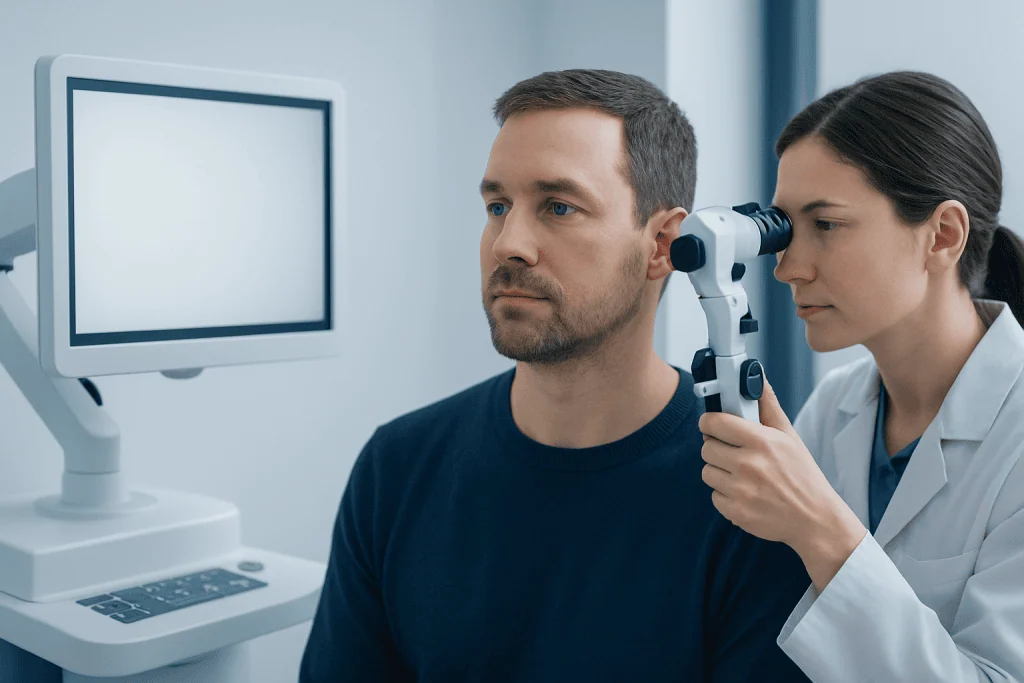
Symptoms can develop gradually or appear after water exposure, swimming, use of earbuds, or attempts to clean the ear. A typical complaint is a feeling that the ear is clogged or plugged, sometimes described as pressure or fullness. Hearing may seem muffled because sound cannot travel normally through the ear canal.
Earwax impaction can also cause earache, itching, ringing in the ear known as tinnitus, dizziness, or a mild cough caused by stimulation of nerves in the ear canal. Some people notice their hearing aid whistles, fits poorly, or becomes blocked by wax. Children may tug at the ear, appear less responsive, or have difficulty hearing in class.
Symptoms such as severe pain, fever, drainage, bleeding, sudden hearing loss, marked dizziness, facial weakness, or a foreign body sensation should not be assumed to be simple wax. These signs need prompt medical evaluation because infection, eardrum injury, sudden sensorineural hearing loss, or another ear condition may be present.
Causes and Risk Factors

Earwax impaction may occur when the ear produces wax faster than it can clear it, or when the natural outward movement of wax is interrupted. A narrow, curved, or hairy ear canal can make wax more likely to collect. Age-related changes can also make earwax drier and harder, which may increase the chance of blockage.
One of the most common contributors is inserting objects into the ear canal. Cotton swabs, earbud tips, earplugs, hearing aids, and in-ear headphones can push wax deeper, compress it, or prevent wax from moving outward naturally. Repeated cleaning can also irritate the ear canal and stimulate discomfort or itching.
People may be at higher risk if they regularly use hearing aids or earplugs, have a history of earwax impaction, have developmental or cognitive conditions that make symptoms harder to report, or have ear canal skin conditions such as eczema. Older adults and children are also more likely to need assistance because symptoms may be overlooked or mistaken for hearing or behavior problems.
Diagnosis
Diagnosis is usually made during an ear examination. A doctor, nurse practitioner, audiologist, or trained clinician looks into the ear canal with an otoscope to see whether wax is blocking the canal and to check for redness, swelling, discharge, foreign material, or eardrum changes. The clinician will also ask about pain, hearing changes, previous ear surgery, ear tubes, dizziness, and home treatments already tried.
In some cases, hearing tests may be recommended, especially if hearing does not return to normal after wax removal or if hearing loss is sudden, one-sided, or associated with tinnitus or dizziness. Earwax can hide other problems, so reassessment after removal may be important when symptoms persist.
Medical history matters because not every removal method is safe for every person. Irrigation, for example, may not be suitable when there is a known or suspected eardrum perforation, ear tubes, prior certain ear surgeries, active infection, or a history of complications with water in the ear. A careful diagnosis helps choose the safest and most effective method.
Safe Removal Options
Safe earwax removal aims to clear the blockage without injuring the ear canal or eardrum. For mild symptoms in people without ear surgery, eardrum problems, ear tubes, drainage, or significant pain, a clinician may recommend wax-softening drops. These may include water-based, oil-based, or carbamide peroxide preparations. They should be used only as directed on the product label or by a healthcare professional.
Irrigation uses body-temperature water or saline to rinse wax from the ear canal. It can be effective, but it should be avoided if the eardrum may not be intact, if there is active infection, or if a clinician has advised against water exposure. Water that is too hot or too cold may cause dizziness, and excessive pressure can cause injury, so caution is important.
Professional removal may include microsuction, manual removal with specialized instruments, or removal under direct visualization with magnification. These methods are often preferred for hard wax, recurrent impaction, hearing aid users, narrow ear canals, or people who should not use irrigation. A trained professional can stop if pain, bleeding, or eardrum concerns appear.
Ear candles are not recommended because they do not reliably remove wax and may cause burns, blockage from candle wax, or eardrum injury. Cotton swabs, hairpins, keys, and other objects should not be placed inside the ear canal. They may push wax deeper, scratch the skin, trigger infection, or damage the eardrum.
Prevention and Self-Care
The ear is usually self-cleaning, so routine deep cleaning is not needed. The outer ear can be cleaned gently with a washcloth, but objects should not be inserted into the ear canal. For many people, the best prevention is to avoid pushing wax inward and to seek help early when the familiar blocked ear feeling returns.
People who have repeated earwax impaction may benefit from an individualized prevention plan. A clinician may suggest periodic checks, occasional softening drops, or scheduled professional cleaning, especially for hearing aid users. Hearing aids and earbuds should be cleaned according to manufacturer instructions because wax buildup on devices can worsen feedback, reduce sound quality, and irritate the canal.
Self-care should be cautious when there is ear pain, discharge, a history of eardrum perforation, ear tubes, ear surgery, radiation to the head and neck, diabetes, immune suppression, or skin disease affecting the ear canal. In these situations, the risk of infection or injury may be higher, and medical guidance is safer than home treatment.
When to See a Doctor
A medical appointment is appropriate when ear fullness, hearing changes, tinnitus, itching, or discomfort lasts more than a few days, interferes with daily activities, or recurs frequently. A clinician can confirm whether wax is the cause and remove it safely if needed. This is especially helpful before hearing tests, ear mold fittings, or evaluation of other ear symptoms.
Prompt medical care is recommended for sudden hearing loss, severe ear pain, drainage, bleeding, fever, spinning dizziness, facial weakness, or symptoms after an injury. These symptoms may indicate a condition that needs urgent treatment and should not be managed as routine wax buildup.
Children, older adults, hearing aid users, and people with complex ear histories may need professional care sooner. At Acibadem International, multidisciplinary ear, nose, and throat specialists in JCI-accredited hospitals evaluate and treat ear conditions, including earwax impaction, for international patients when medical care abroad is needed.
Frequently asked questions
Is earwax impaction the same as an ear infection?
No. Earwax impaction is a physical blockage of wax in the ear canal, while an ear infection involves inflammation and often microorganisms. Both can cause ear discomfort or hearing changes, so an examination may be needed to tell them apart. Drainage, fever, or significant pain should be assessed by a healthcare professional.
Can a person remove earwax at home?
Some people can safely use over-the-counter wax-softening drops if they have mild symptoms and no history of eardrum perforation, ear tubes, ear surgery, drainage, or severe pain. They should follow product directions and stop if pain, dizziness, or irritation occurs. If symptoms continue, professional assessment is safer.
Why should cotton swabs not be used inside the ear?
Cotton swabs can push wax deeper into the ear canal and make impaction worse. They may also scratch the ear canal skin, trigger bleeding or infection, or injure the eardrum. Cleaning only the outer ear with a cloth is generally safer.
Does earwax impaction cause hearing loss?
Yes, impacted wax can cause temporary conductive hearing loss by blocking sound from reaching the eardrum. Hearing usually improves after the blockage is removed if wax is the only cause. If hearing does not improve after removal, further evaluation is recommended.
Are ear candles safe for removing earwax?
Ear candles are not considered safe or effective for earwax removal. They can cause burns, deposit candle wax in the ear, or injure the eardrum. Safer options include clinician-recommended drops or professional removal.
How often should ears be cleaned?
Most ears do not need routine internal cleaning because wax naturally moves outward. The outer ear can be wiped gently, but the ear canal should usually be left alone. People with recurrent impaction or hearing aids may need periodic checks based on medical advice.
When is professional earwax removal better than home treatment?
Professional removal is better when wax is hard, symptoms are significant, home drops have not helped, or the person has ear tubes, a possible eardrum perforation, prior ear surgery, diabetes, immune suppression, discharge, or severe pain. It is also preferred when hearing aids are affected or when a clear view of the eardrum is needed.
References
- American Academy of Otolaryngology–Head and Neck Surgery
- Mayo Clinic
- Cleveland Clinic
- National Institute on Deafness and Other Communication Disorders
- National Health Service
This article is for general information only and is not a substitute for professional medical advice. Please consult a qualified doctor about your individual situation.
Explore treatments in Turkey — costs, top hospitals & a free quote
JCI-accredited · board-certified surgeons · reply within 24h
Add us as a Preferred Source to see more of our trusted health content across Google Search, AI Overviews and Discover.

Otorhinolaryngology (ENT)
Care for ear, nose, throat and head-and-neck conditions, including hearing and balance disorders.
126 specialists in this unit