Eat Intuition: Evidence-Based Benefits, Risks, and Practical Guidance

Eat intuition involves responding to hunger, fullness, satisfaction and practical health needs without strict food rules. Research links intuitive eating with better body image and less disordered eating behavior, but it does not prove it causes weight loss or prevents disease.
Key Takeaways
- Eat intuition involves responding to hunger, fullness, satisfaction and practical health needs without strict food rules.
- Research links intuitive eating with better body image and less disordered eating behavior, but it does not prove it causes weight loss or prevents disease.
- Internal appetite cues can be less reliable during illness, pregnancy, medication use, intense training or recovery from an eating disorder.
- A flexible approach should still consider nutritional adequacy, food safety, medical conditions and prescribed dietary treatment.
- People with an eating disorder, diabetes, significant digestive symptoms or unintentional weight change should seek professional guidance before changing eating practices.
Eat intuition, often called intuitive eating, is an approach that encourages people to notice internal signals such as hunger, fullness, satisfaction and food preferences rather than follow rigid diet rules. Evidence suggests it may support a healthier relationship with food for some people, but it is not a replacement for individualized medical nutrition care or treatment for eating disorders.
What Does Eat Intuition Mean?
Eat intuition refers to using physical hunger, fullness, satisfaction and comfort after meals as important guides for food choices. It is commonly discussed as intuitive eating, a non-diet framework that aims to reduce rigid restriction, guilt and all-or-nothing thinking about food. Rather than requiring a person to eat at set times or eliminate particular foods, it encourages curiosity about what the body needs in a given situation.
The approach does not mean eating without any consideration of health. Hunger and appetite are influenced by sleep, stress, activity, culture, budget, medications, health conditions and food availability. In clinical practice, eating intuitively can include planning meals, choosing foods that provide enough energy and nutrients, and following medically necessary advice while also paying attention to personal eating experiences.
It is helpful to distinguish intuitive eating from “eating whatever one wants whenever one wants.” The goal is flexible, informed decision-making rather than ignoring nutrition, symptoms or medical guidance. For many people, rebuilding trust in eating signals takes time, particularly after years of dieting or periods of irregular eating.
What Research Supports—and Does Not Support

Studies have found associations between intuitive eating and positive outcomes such as lower levels of dietary restraint, less emotional or binge-type eating, improved body appreciation and better psychological well-being. People who use less restrictive eating patterns may also find it easier to maintain regular meals and reduce cycles of deprivation followed by overeating. However, most research is observational, meaning it identifies relationships rather than proving that intuitive eating directly causes these outcomes.
Current evidence does not establish intuitive eating as a treatment for obesity, diabetes, high cholesterol, gastrointestinal disease or mental health conditions. It also should not be presented as a reliable method for weight loss. Body weight can change for many reasons, and focusing narrowly on weight can obscure more meaningful measures of health, including nutritional status, strength, blood pressure, sleep, mood and laboratory results.
Clinical nutrition guidance remains important when a person has a condition requiring specific dietary management. For example, people with diabetes may benefit from learning how meal timing and carbohydrate-containing foods affect glucose levels, while people with kidney disease, celiac disease or food allergies may need structured changes. Intuitive awareness can sometimes complement professional care, but it should not override an individualized medical plan.
How Hunger, Fullness and Satisfaction Work

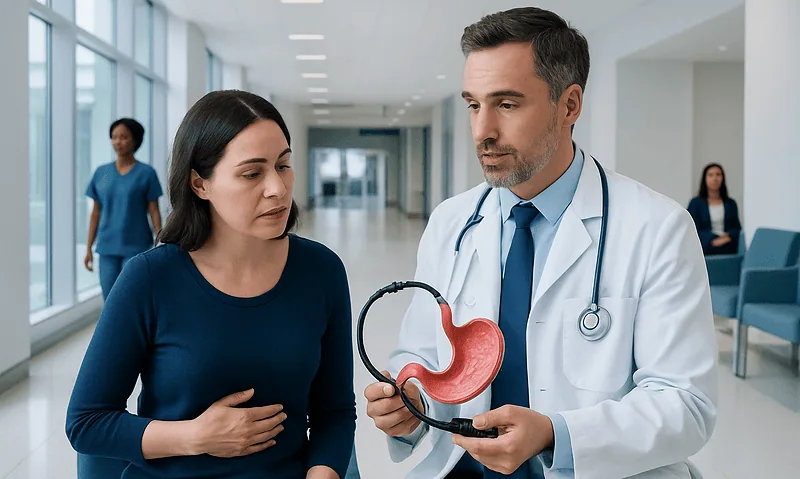
Physical hunger can appear as stomach emptiness, reduced energy, difficulty concentrating, irritability or increased interest in food. Fullness may include comfortable stomach fullness, reduced interest in continuing a meal or a sense that hunger has settled. These signals vary from person to person and are not always clear. Waiting until hunger is extreme can make it harder to recognize fullness and may lead to eating quickly or beyond comfort.
Satisfaction is also relevant. A meal can provide enough calories but still feel incomplete because it lacks enjoyable taste, texture, variety or cultural familiarity. When food is consistently unsatisfying, a person may continue searching for something else to eat. Recognizing satisfaction does not require choosing a “perfect” meal; it involves noticing whether eating has addressed both physical and practical needs.
External information can be useful alongside internal cues. Work schedules, school routines, travel, exercise, medication timing and access to food may make planned snacks or meals appropriate even when hunger is mild. People who have difficulty noticing body cues can begin with simple observations, such as recording hunger before and after meals, meal timing, symptoms and the effects of sleep or stress, without judging the results.
Practical Ways to Try a Flexible Approach
A gradual approach is usually more sustainable than abruptly abandoning all food structure. Regular meals and snacks can help prevent long gaps without food, especially for people who become shaky, fatigued or overly hungry. During meals, slowing down when possible, limiting distractions occasionally and pausing partway through can make it easier to notice taste, comfort and changing fullness.
Nutrition still matters. Most people benefit from a varied eating pattern that includes vegetables and fruits, whole grains or other fiber-rich carbohydrates, protein foods, and sources of unsaturated fats. Fluids are also important. A flexible pattern makes room for enjoyable foods without labeling them as morally “good” or “bad,” while recognizing that some choices may be better suited to particular health needs or situations.
Useful questions may include: “Am I physically hungry, emotionally distressed, bored, tired or all of these?”; “What food is available that is likely to keep me comfortable and energized?”; and “How do I feel after eating?” These questions are intended to build awareness, not to create another set of restrictive rules. If emotional eating occurs, it can be approached with compassion and with attention to other coping needs, rather than punishment or further restriction.
- Keep practical foods available for busy days, including balanced snacks.
- Avoid skipping meals as a way to compensate for previous eating.
- Use meal planning as support, not as a source of rigid control.
- Discuss persistent food fears or loss-of-control eating with a qualified clinician.
Risks, Limitations and Who Should Use Caution
Eating cues may be altered by many factors. Acute illness, chronic pain, nausea, digestive conditions, anxiety, depression, sleep deprivation, medication effects and substance use can change hunger or fullness. Some medications may suppress appetite, increase appetite or affect blood glucose. In these circumstances, relying only on appetite may not provide enough nutrition or may conflict with treatment instructions.
People with diabetes who use insulin or other glucose-lowering medicines should not make major changes in meal pattern without advice from their healthcare team, because missed or delayed meals can increase the risk of low blood glucose for some individuals. Similarly, people with food allergies, celiac disease, kidney disease, inflammatory bowel disease, swallowing problems or nutrition-related deficiencies may need specific medical dietary recommendations. The appropriate plan should be tailored to the person’s diagnosis, test results and treatment.
Intuitive eating may be difficult or inappropriate to begin independently for someone with anorexia nervosa, bulimia nervosa, binge-eating disorder, avoidant/restrictive food intake disorder, or a history of severe disordered eating. Recovery often requires structured support from an eating-disorder-informed physician, mental health professional and registered dietitian. Regular meal plans can be an important therapeutic tool while internal cues are being restored.
It is also important not to interpret reduced appetite as a reason to eat too little. Older adults, people receiving cancer treatment, those recovering from surgery, and individuals with unintentional weight loss may need proactive nutrition support. Ongoing loss of appetite, early fullness or unexplained weight change should be medically assessed.
When to Seek Medical Care
Medical advice is appropriate when eating changes are accompanied by unexplained weight loss or gain, persistent vomiting, frequent diarrhea, constipation that does not improve, abdominal pain, difficulty swallowing, fainting, dehydration or signs of poor nutrition. A clinician can assess possible physical causes and help determine whether dietary changes are safe.
Prompt support is especially important when there is intense fear around food or weight, repeated binge eating, purging, misuse of laxatives, fasting, compulsive exercise, or a feeling of being unable to control eating. These experiences can be signs of an eating disorder or other mental health concern and deserve compassionate, evidence-based care. Eating disorders can affect people of any age, gender, body size or background.
A doctor or registered dietitian can help people adapt eating habits to diabetes, digestive symptoms, medication changes, pregnancy, athletic training or other health needs. Acibadem International’s multidisciplinary specialists and JCI-accredited hospitals can assess nutrition-related concerns and coordinate care for international patients when needed.
A Balanced Perspective on Eating Intuitively
For many adults, eat intuition can be a useful way to reduce rigid food rules and become more attentive to hunger, fullness and enjoyment. Its greatest potential benefit may be a more stable, less judgmental relationship with eating rather than a particular change on the scale. Progress is often uneven, and occasional eating beyond fullness or eating in response to emotions is a normal human experience.
The safest approach combines self-awareness with reliable health information. It respects appetite while accounting for nutritional adequacy, food access, culture, medical advice and day-to-day responsibilities. A registered dietitian can provide individualized support for meal regularity, gastrointestinal comfort, nutrient intake and food-related concerns without relying on overly restrictive diets.
Anyone considering a significant change in eating habits should speak with a qualified healthcare professional if they have a chronic condition, take regular medicines, are pregnant or breastfeeding, or have a history of eating difficulties. Personalized advice is particularly important when goals involve symptom management, sports performance, recovery from illness or treatment of a diagnosed condition.
Frequently asked questions
Is eat intuition the same as intuitive eating?
Yes. “Eat intuition” is commonly used to describe intuitive eating, an approach that encourages attention to hunger, fullness, satisfaction and practical health needs. It is generally intended to reduce rigid dieting rather than create a new set of food rules.
Can intuitive eating help with weight loss?
Intuitive eating is not designed as a weight-loss treatment, and research does not show that it reliably produces weight loss. Its potential benefits are more often related to eating attitudes, body image and reducing restrictive eating patterns. Weight-related concerns can be discussed with a doctor or registered dietitian in a nonjudgmental way.
Can a person eat intuitively if they have diabetes?
Some principles, such as noticing hunger and meal satisfaction, may be useful. However, diabetes management may also require attention to carbohydrate intake, meal timing, glucose monitoring and medication. A diabetes care team should guide any changes, particularly for people using insulin or medicines that can cause low blood glucose.
What if hunger and fullness cues are difficult to recognize?
This is common after long-term dieting, irregular meals, illness, stress or an eating disorder. Regular eating times and gentle observation of symptoms before and after meals may help over time. A registered dietitian or mental health professional can offer additional support when cues remain confusing or distressing.
Does intuitive eating mean all foods are equally nutritious?
No. Intuitive eating does not deny nutritional differences among foods. It encourages flexibility and less guilt while still recognizing the value of variety, adequate protein, fiber-rich foods, vitamins, minerals and foods that fit a person’s medical needs.
Who should not start intuitive eating without professional support?
People with a current or past eating disorder, major unintentional weight loss, poor appetite, diabetes treated with glucose-lowering medicines, or a condition requiring a therapeutic diet should seek individualized guidance first. Professional support can help ensure that nutrition remains adequate and that medical treatment is followed safely.
References
- National Institute of Diabetes and Digestive and Kidney Diseases
- Academy of Nutrition and Dietetics
- National Eating Disorders Association
- Harvard T.H. Chan School of Public Health
- World Health Organization
This article is for general information only and is not a substitute for professional medical advice. Please consult a qualified doctor about your individual situation.
Explore treatments in Turkey — costs, top hospitals & a free quote
JCI-accredited · board-certified surgeons · reply within 24h
Add us as a Preferred Source to see more of our trusted health content across Google Search, AI Overviews and Discover.
Check your numbers in seconds
BMI, calories, due date, blood pressure and 30+ more clinical calculators — free, instant, doctor-reviewed ranges.