Ectopic Pregnancy: Early Symptoms, Diagnosis, and Emergency Care

Ectopic pregnancy cannot continue safely and always requires medical evaluation. Early symptoms may include missed period, pelvic pain, light vaginal bleeding, shoulder tip pain, dizziness, or fainting.
Key Takeaways
- Ectopic pregnancy cannot continue safely and always requires medical evaluation.
- Early symptoms may include missed period, pelvic pain, light vaginal bleeding, shoulder tip pain, dizziness, or fainting.
- Diagnosis usually involves a pregnancy test, blood hCG levels, pelvic ultrasound, and clinical assessment.
- Treatment may include medication, minimally invasive surgery, or emergency surgery depending on stability and findings.
- Severe pain, heavy bleeding, fainting, or signs of shock are reasons to seek emergency care immediately.
Ectopic pregnancy happens when a fertilized egg implants outside the uterus, most often in a fallopian tube. Early recognition, prompt diagnosis, and timely care help protect a woman's health and future fertility.
Overview
An ectopic pregnancy is a pregnancy that develops outside the main cavity of the uterus. In most cases, it occurs in one of the fallopian tubes, which is why it is sometimes called a tubal pregnancy. Less commonly, implantation can occur in the cervix, ovary, abdominal cavity, or in the scar from a previous cesarean birth.
A pregnancy needs the space and blood supply of the uterus to grow safely. Tissue outside the uterus cannot support normal pregnancy development, and as it grows it can cause bleeding or damage to nearby structures. For this reason, ectopic pregnancy is not a viable pregnancy and requires medical care.
Many people who have an ectopic pregnancy first notice symptoms similar to an early normal pregnancy, such as a missed period, breast tenderness, nausea, or a positive home pregnancy test. This can make the condition difficult to recognize at first. The reassuring message is that modern testing and ultrasound can often identify ectopic pregnancy early, allowing treatment before complications occur.
Early Symptoms and Warning Signs
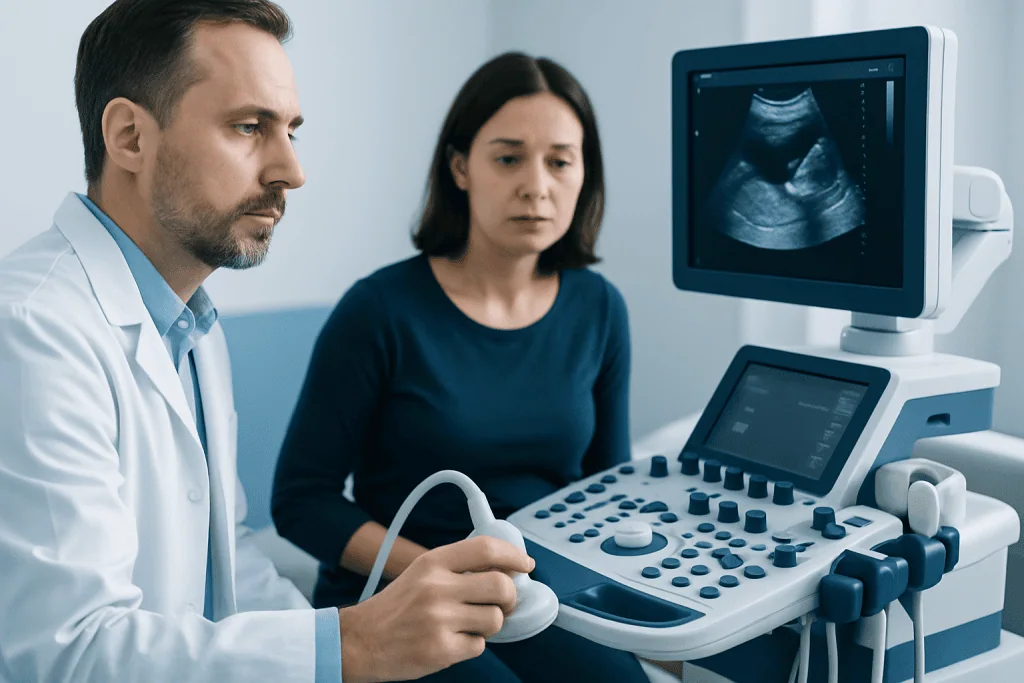
Ectopic pregnancy symptoms can vary. Some women have mild symptoms, while others develop sudden pain or bleeding. Symptoms often appear between the 4th and 12th week of pregnancy, but timing can differ depending on the location and how quickly the pregnancy tissue grows.
Common early symptoms include pelvic or lower abdominal pain, usually on one side, and light vaginal bleeding or spotting. A woman may also feel cramping, pressure in the rectum, discomfort when passing urine or stool, or pain that comes and goes. Because these symptoms can also occur in miscarriage, ovarian cysts, urinary infections, or early normal pregnancy changes, medical assessment is important.
Some symptoms suggest internal bleeding or a rupture and need urgent attention. These may include sudden severe abdominal or pelvic pain, shoulder tip pain, dizziness, fainting, weakness, pale or clammy skin, or a racing heartbeat. Shoulder tip pain can happen when internal bleeding irritates nerves near the diaphragm. Anyone with these symptoms should seek emergency care immediately.
Causes and Risk Factors
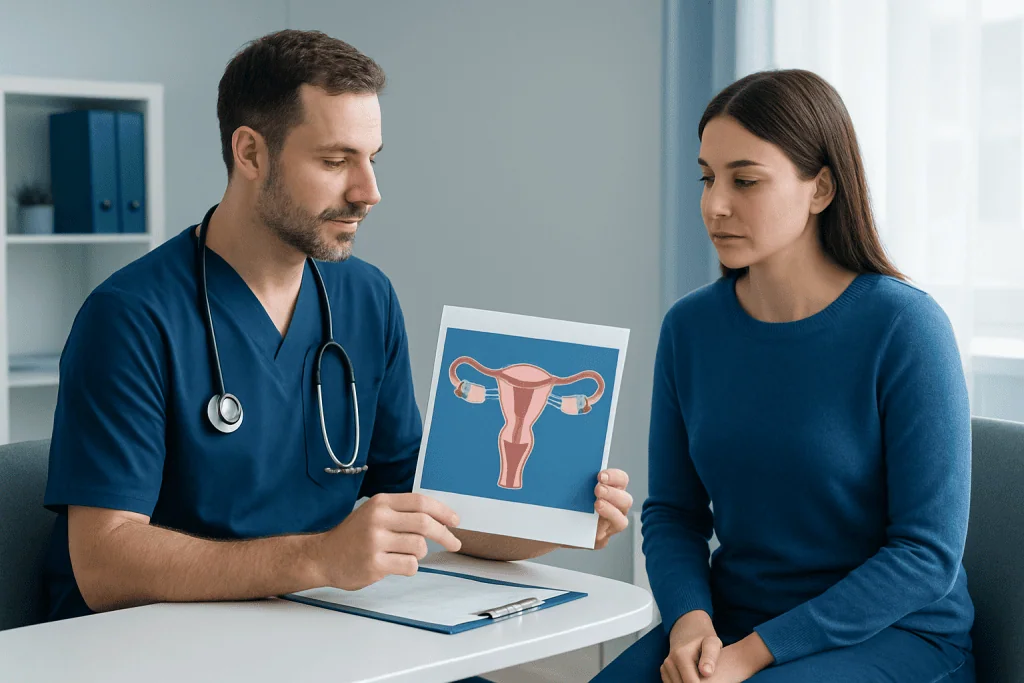
An ectopic pregnancy often occurs when a fertilized egg is slowed or blocked while traveling through the fallopian tube toward the uterus. The tube may be narrowed, scarred, inflamed, or not moving the embryo effectively. In many cases, no single clear cause is found, and a person may have an ectopic pregnancy even without known risk factors.
Factors that may increase the risk include previous ectopic pregnancy, prior pelvic infection such as pelvic inflammatory disease, previous surgery on the fallopian tubes or pelvis, and endometriosis. Fertility treatments, pregnancy with an intrauterine device in place, smoking, and certain tubal sterilization procedures can also be associated with higher risk. Age and prior abdominal surgery may contribute in some cases.
Risk factors do not mean that ectopic pregnancy will definitely occur. They simply help doctors decide how closely to monitor early pregnancy symptoms and test results. Women who have had an ectopic pregnancy in the past are often advised to contact their doctor early in future pregnancies so the pregnancy location can be confirmed as soon as appropriate.
How Ectopic Pregnancy Is Diagnosed
Diagnosis begins with a careful discussion of symptoms, menstrual dates, pregnancy test results, medical history, and risk factors. A pelvic examination may be performed to check for tenderness, bleeding, or other findings. If pregnancy is possible, a urine or blood pregnancy test is usually the first step.
Doctors commonly measure the pregnancy hormone human chorionic gonadotropin, or hCG, with blood tests. In a typical early pregnancy, hCG levels rise in a predictable pattern, although there is normal variation. If hCG levels do not rise as expected, or if the level is high enough that an intrauterine pregnancy should usually be visible but ultrasound does not show one, ectopic pregnancy becomes a concern.
Transvaginal ultrasound is a key diagnostic tool. It helps identify whether a pregnancy is inside the uterus and may show a mass near the ovary or fallopian tube, free fluid in the pelvis, or other clues. Sometimes the diagnosis is not immediately clear; this may be called a pregnancy of unknown location. In that situation, repeat hCG tests and follow-up ultrasound are often needed until the location is confirmed or the pregnancy resolves.
Treatment Options
Treatment depends on the woman’s symptoms, blood pressure and pulse, ultrasound findings, hCG level, pregnancy size and location, and whether there is evidence of bleeding. The main goals are to stop the ectopic pregnancy from growing, prevent serious bleeding, and preserve health. The care plan is individualized and should be discussed with a gynecologist or emergency care team.
Medication may be an option for selected patients who are stable and have an unruptured ectopic pregnancy. The most commonly used medicine is methotrexate, which stops rapidly growing pregnancy tissue from developing. After treatment, hCG levels are monitored until they fall appropriately. During this period, follow-up is essential, and the patient receives guidance on activity, pain expectations, and when to return urgently.
Surgery is needed if there are signs of rupture, internal bleeding, severe pain, or if medication is not suitable or does not work. Many cases can be treated with laparoscopy, a minimally invasive procedure using small incisions and a camera. Depending on the tube’s condition and bleeding, the surgeon may remove the ectopic pregnancy while preserving the tube or remove the affected tube. Emergency surgery may be required when bleeding is significant or the patient is unstable.
Emergency Care: What to Expect
Emergency evaluation is focused on stabilizing the patient and quickly determining whether internal bleeding is present. The care team may check vital signs, start an intravenous line, order blood tests, perform ultrasound, and prepare for urgent treatment if needed. Blood type testing is also important, and some Rh-negative patients may need an injection to prevent Rh sensitization.
It can feel overwhelming to hear the words ectopic pregnancy in an emergency setting, especially when symptoms develop suddenly. The medical team will explain the findings, treatment choices, and the reason for urgent decisions as clearly as possible. If surgery is needed, the priority is the patient’s safety and control of bleeding.
After emergency treatment, follow-up care continues. This may include monitoring hCG levels, checking recovery from surgery or medication, discussing pain control, and reviewing emotional support. It is normal to experience grief, disappointment, or anxiety after an ectopic pregnancy. Compassionate medical care includes attention to both physical recovery and emotional wellbeing.
Prevention, Future Fertility, and Self-Care
Not all ectopic pregnancies can be prevented, but some steps may reduce risk. Preventing and promptly treating sexually transmitted infections can lower the chance of pelvic inflammatory disease, which can damage the fallopian tubes. Using condoms with new partners, attending recommended gynecologic checkups, and seeking care for pelvic pain or unusual discharge are practical preventive measures.
After treatment, the body needs time to heal. Patients should follow medical instructions about activity, sexual intercourse, medications, follow-up blood tests, and when it is safe to try to conceive again. If methotrexate was used, the doctor will advise avoiding pregnancy for a period of time because the medication affects folate metabolism and early cell growth. Folic acid or prenatal vitamins should be discussed with the healthcare provider before planning another pregnancy.
Many women are able to have a healthy pregnancy after an ectopic pregnancy, although the risk of another ectopic pregnancy is higher than average. Early contact with a doctor in the next pregnancy is important. Blood tests and early ultrasound can help confirm that the pregnancy is developing in the uterus and provide reassurance as soon as it is medically possible to see it.
When to See a Doctor
A woman with a positive pregnancy test should contact a healthcare professional promptly if she has pelvic pain, one-sided abdominal pain, vaginal bleeding, dizziness, or symptoms that feel unusual. This is especially important for anyone with a previous ectopic pregnancy, fallopian tube surgery, pelvic inflammatory disease, fertility treatment, or pregnancy with an intrauterine device in place.
Emergency care is needed right away for severe abdominal or pelvic pain, fainting, shoulder tip pain, heavy bleeding, marked weakness, confusion, or signs of shock such as cold clammy skin and rapid heartbeat. It is safer not to drive oneself in these situations; calling local emergency services or having someone else provide transport is recommended.
For international patients, Acibadem International’s multidisciplinary specialists and JCI-accredited hospitals can diagnose and treat ectopic pregnancy and provide coordinated follow-up care. Regardless of where a patient receives care, timely evaluation by qualified medical professionals is the most important step.
Frequently asked questions
Can an ectopic pregnancy move into the uterus?
No. Once a pregnancy implants outside the uterus, it cannot move into the uterus and continue normally. Medical treatment is needed to prevent complications and protect the patient's health.
Does a positive pregnancy test always mean the pregnancy is in the uterus?
No. A pregnancy test detects hCG, which is produced in both uterine and ectopic pregnancies. Ultrasound and blood tests are used to help confirm the pregnancy location.
How soon can an ectopic pregnancy be seen on ultrasound?
Timing varies based on gestational age, hCG level, and ultrasound quality. A very early pregnancy may not be visible yet, so doctors may repeat blood tests and ultrasound after a short interval if the location is uncertain.
Is bleeding always present with ectopic pregnancy?
No. Some people have bleeding, while others mainly have pain or vague discomfort. Any concerning symptoms in early pregnancy should be discussed with a healthcare professional.
Will treatment for ectopic pregnancy affect future fertility?
Future fertility depends on several factors, including the health of the fallopian tubes, the type of treatment, and the reason the ectopic pregnancy occurred. Many women go on to have healthy pregnancies, but early monitoring is recommended in future pregnancies.
When is ectopic pregnancy considered an emergency?
It is an emergency if there is severe pain, fainting, shoulder tip pain, heavy bleeding, or signs of internal bleeding or shock. These symptoms require immediate medical attention because rapid treatment can prevent serious complications.
References
- American College of Obstetricians and Gynecologists
- Royal College of Obstetricians and Gynaecologists
- National Health Service
- World Health Organization
- Merck Manual Professional Edition
This article is for general information only and is not a substitute for professional medical advice. Please consult a qualified doctor about your individual situation.
IVF & fertility treatment in Turkey — success rates and costs
JCI-accredited · board-certified surgeons · reply within 24h
Add us as a Preferred Source to see more of our trusted health content across Google Search, AI Overviews and Discover.
Check your numbers in seconds
BMI, calories, due date, blood pressure and 30+ more clinical calculators — free, instant, doctor-reviewed ranges.