Edema — Explained by Medical Evidence, Not Myths

Edema means visible or palpable swelling from excess fluid in body tissues. It commonly affects the feet, ankles, legs, hands, or face, but it can also occur in the lungs or abdomen.
Key Takeaways
- Edema means visible or palpable swelling from excess fluid in body tissues.
- It commonly affects the feet, ankles, legs, hands, or face, but it can also occur in the lungs or abdomen.
- Edema is a symptom rather than a disease, so treatment depends on the underlying cause.
- Common contributors include prolonged sitting or standing, pregnancy, medications, venous problems, and heart, kidney, or liver conditions.
- Sudden swelling, one-sided leg swelling, chest symptoms, or breathing difficulty need prompt medical attention.
Edema is swelling caused by excess fluid collecting in the body's tissues. It can be mild and temporary, but in some cases it points to an underlying heart, kidney, liver, vein, lymphatic, or medication-related problem that needs medical evaluation.
Overview: what edema means
Edema is the medical term for swelling caused by fluid building up in the body’s tissues. It most often appears in the feet, ankles, legs, or hands, but it can also affect the face, abdomen, or lungs. In many people, edema is temporary and related to everyday factors such as heat, long periods of standing, or hormonal changes. In others, it is a clue that the body is holding onto fluid because of an underlying medical condition.
Medical evidence shows that edema is not a diagnosis by itself. It is a physical sign that can result from changes in blood vessels, pressure inside the circulation, salt and water balance, lymphatic drainage, or the effects of medicines. This is why a person with swelling may need an evaluation that looks beyond the swelling itself.
The pattern of edema often helps doctors understand its cause. Swelling in both legs may suggest fluid retention, vein problems, or a systemic condition. Swelling in one leg may raise concern for a local issue such as an injury, venous blockage, or lymphatic problem. Lung-related edema is different: it may cause shortness of breath rather than visible swelling and needs urgent care.
Symptoms and how edema can feel
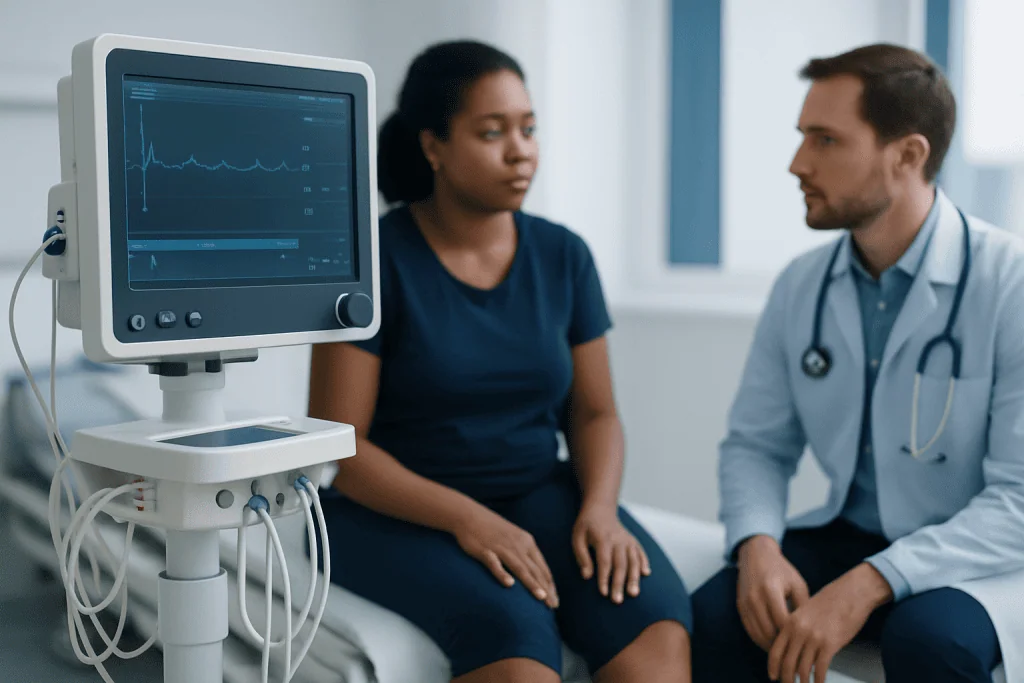
The main symptom of edema is swelling. Rings, shoes, socks, or clothing may feel tighter than usual, and the skin over the swollen area may look stretched or shiny. When a finger is pressed into some types of swelling, a temporary indentation may remain for a few seconds; this is often called pitting edema.
Edema can feel different from person to person. Some notice heaviness, tightness, stiffness, or reduced flexibility in a joint such as the ankle. Others describe discomfort rather than pain. Mild swelling may be more noticeable at the end of the day and improve overnight when the legs are elevated.
Symptoms depend on where the fluid collects. Leg edema may cause ankle swelling and a sense of tired legs. Hand or facial edema may be noticed first in the morning. Fluid in the abdomen can lead to bloating or increasing waist size. Pulmonary edema, or fluid in the lungs, may cause breathlessness, cough, or trouble lying flat, and requires urgent assessment.
- Common visible signs: puffiness, enlarged ankles or feet, tight skin
- Common sensations: heaviness, tightness, reduced mobility
- Warning symptoms: shortness of breath, chest discomfort, sudden one-sided swelling
Causes and risk factors

Edema develops when fluid moves out of blood vessels into nearby tissues or when the body cannot remove fluid efficiently. This can happen for many reasons. Everyday causes include prolonged sitting or standing, high salt intake, hot weather, and pregnancy. These forms are often mild and improve with rest, movement, or elevation of the affected area.
Medical causes are broader and may involve the heart, kidneys, liver, veins, lymphatic system, hormones, or inflammation. Heart failure can reduce the heart’s ability to circulate blood effectively, allowing fluid to collect in the legs or lungs. Kidney disorders may impair the body’s ability to regulate salt and water. Liver disease can lower the proteins that help keep fluid in the bloodstream. Problems with veins or lymph drainage may lead to chronic swelling in the limbs.
Some medicines can also contribute to edema. Depending on the person and the medication, swelling may be seen with certain blood pressure medicines, anti-inflammatory drugs, hormones, or other treatments. A doctor may review the full medication list, including supplements, because treatment depends on whether edema is caused by lifestyle factors, a circulation problem, or a broader condition such as heart failure or kidney failure.
Risk factors include older age, reduced mobility, obesity, pregnancy, vein disease, recent surgery, and chronic medical conditions. Long-distance travel can cause temporary leg swelling, while sudden unilateral swelling after immobility or surgery deserves prompt evaluation because a blood clot may need to be ruled out.
How doctors diagnose edema
Diagnosis starts with a medical history and physical examination. A doctor will ask when the swelling began, whether it affects one side or both, what makes it better or worse, and whether there are related symptoms such as breathlessness, weight gain, pain, fever, or reduced urination. The distribution of swelling and whether it is pitting or non-pitting provide useful clues.
The examination may include checking blood pressure, heart and lung sounds, skin changes, vein patterns, and signs of liver, kidney, or thyroid disease. Doctors also look for signs of dehydration, infection, or poor circulation. In many cases, edema can be assessed accurately only when the larger clinical picture is considered.
Tests are selected based on the suspected cause. These may include blood and urine tests to evaluate kidney function, liver function, protein levels, thyroid function, or inflammation. Imaging may be useful when a clot, venous insufficiency, or organ-related problem is suspected. Some people may need MRI or ultrasound as part of a broader assessment, while others benefit from heart or lung evaluation if symptoms suggest a cardiopulmonary cause.
Treatment options: treating the cause, not just the swelling
Treatment for edema depends on why it is happening. When swelling is mild and linked to prolonged standing, heat, or temporary fluid retention, practical measures such as leg elevation, movement, and reducing excess salt intake may be enough. Supportive care can help symptoms, but lasting improvement usually comes from addressing the underlying cause.
If a medical condition is responsible, treatment is directed at that condition. A person with vein-related swelling may need compression therapy, exercise guidance, and vein assessment. Someone with heart, kidney, or liver disease may need medication adjustments and closer follow-up. If a medicine is contributing to edema, a doctor may consider alternatives rather than stopping it abruptly without supervision.
Diuretics, sometimes called water tablets, are used in selected cases but are not appropriate for every type of swelling. They can be very helpful when fluid overload is present, yet they also require careful monitoring because they may affect electrolytes, blood pressure, and kidney function. This is one reason self-treatment without medical advice is not recommended.
When edema is caused by a blocked or damaged lymphatic system, management may include specialized physical therapy, compression garments, and skin care. If doctors suspect a structural problem, further evaluation may be needed and sometimes cardiology treatment or nephrology care becomes part of a coordinated plan.
Prevention and self-care
Not all edema can be prevented, but simple habits may reduce the chance of fluid buildup or help limit symptoms. Regular movement encourages circulation, especially during desk work or travel. Changing position often, walking short distances, and flexing the ankles can help prevent fluid from pooling in the lower legs.
Leg elevation may be useful for lower-limb swelling, particularly later in the day. Some people benefit from compression stockings, but these should be used according to medical advice, especially if there is arterial disease or significant discomfort. Moderating salt intake may help in people who retain fluid easily, although nutrition advice should fit the person’s overall health needs.
Skin care matters when swelling is persistent. Moisturizing dry skin, avoiding injury, and watching for redness or warmth can help reduce complications. People with chronic edema should also monitor for changes such as increasing swelling, sudden weight gain, or new shortness of breath. When swelling becomes recurrent or unexplained, medical review is the safest next step.
When to seek medical care
Edema should be assessed by a doctor if it is new, keeps returning, is getting worse, or has no clear explanation. Medical review is also important when swelling is associated with reduced exercise tolerance, fatigue, a bloated abdomen, reduced urination, or skin changes. These features can point to an underlying problem that needs treatment rather than simple self-care.
Prompt care is especially important if swelling affects only one leg, appears suddenly, or comes with redness, warmth, or pain. Urgent evaluation is also needed for chest pain, shortness of breath, coughing up frothy sputum, confusion, or fainting. These symptoms may signal conditions that need immediate attention.
For international patients who need coordinated evaluation, Acibadem International’s multidisciplinary specialists and JCI-accredited hospitals diagnose and treat conditions associated with edema using evidence-based care. A careful assessment can help distinguish temporary fluid retention from more serious causes and guide the most appropriate treatment plan.
Frequently asked questions
Is edema the same as weight gain?
Not exactly. Edema is swelling caused by fluid collecting in tissues, while weight gain can have many causes, including body fat, muscle, or fluid retention. Rapid weight increase over a short period can sometimes happen with edema and should be discussed with a doctor.
Can edema go away on its own?
Yes, mild edema sometimes improves on its own, especially if it is related to heat, long periods of sitting or standing, travel, or minor hormonal changes. However, recurrent, unexplained, or worsening swelling should be medically evaluated because edema can also reflect an underlying health condition.
What is pitting edema?
Pitting edema refers to swelling that temporarily keeps a small dent after the skin is pressed with a finger. It is commonly seen in fluid retention affecting the legs or feet. Its presence helps describe the type of swelling, but it does not by itself reveal the exact cause.
Does drinking more water make edema worse?
Usually, normal hydration alone is not the main cause of edema. The body regulates fluid balance through the kidneys, hormones, circulation, and salt handling. A doctor may advise individualized fluid guidance if there is heart, kidney, or liver disease.
When is leg swelling an emergency?
Leg swelling needs urgent attention if it starts suddenly, affects one leg, or is accompanied by pain, redness, warmth, chest discomfort, or shortness of breath. These features can suggest a blood clot or another urgent condition. Immediate medical assessment is the safest choice.
Can medications cause edema?
Yes. Some medications can contribute to swelling in certain people, including some blood pressure drugs, hormones, and anti-inflammatory medicines. A person should not stop prescribed medication without medical advice, but a doctor can review the treatment plan if swelling develops.
References
- World Health Organization
- National Heart, Lung, and Blood Institute
- National Institute of Diabetes and Digestive and Kidney Diseases
- MedlinePlus
- Mayo Clinic
This article is for general information only and is not a substitute for professional medical advice. Please consult a qualified doctor about your individual situation.
Explore treatments in Turkey — costs, top hospitals & a free quote
JCI-accredited · board-certified surgeons · reply within 24h
Add us as a Preferred Source to see more of our trusted health content across Google Search, AI Overviews and Discover.
Check your numbers in seconds
BMI, calories, due date, blood pressure and 30+ more clinical calculators — free, instant, doctor-reviewed ranges.