EGFR Test: What Patients Need to Know

An egfr test looks for EGFR gene mutations, not for routine kidney function. It is commonly used in non-small cell lung cancer to guide targeted treatment.
Key Takeaways
- An egfr test looks for EGFR gene mutations, not for routine kidney function.
- It is commonly used in non-small cell lung cancer to guide targeted treatment.
- Testing may be done on tissue from a biopsy or on blood using a liquid biopsy.
- A positive result can open the door to specific targeted medicines, while a negative result may lead to other treatment plans.
- Results should be interpreted together with the cancer type, stage, symptoms, and other biomarker tests.
An egfr test checks for changes in the EGFR gene that may help doctors choose the most suitable treatment, especially for certain lung cancers. It is most often done on a tumor sample or sometimes on a blood sample, and the result can affect treatment options, monitoring, and next steps.
Overview: what an egfr test is and why it matters
An egfr test is a laboratory test that looks for changes, called mutations or variants, in the epidermal growth factor receptor (EGFR) gene. In cancer care, these gene changes can help explain how a tumor grows and whether it may respond to certain targeted medicines. For many patients, especially those with non-small cell lung cancer, this information can help doctors personalize treatment rather than relying on a one-size-fits-all approach.
Patients sometimes confuse this test with the blood test called eGFR, which estimates kidney function. Although the names sound similar, they are very different tests. An EGFR gene test is used in oncology to analyze tumor genetics, while an eGFR kidney test measures how well the kidneys filter waste.
The main goal of EGFR gene testing is to help answer practical treatment questions: Is there a mutation that can be targeted? Is a targeted therapy likely to work? If treatment stops working, has the cancer developed a new resistance mutation? These answers can influence the first treatment plan, changes in therapy later on, and discussions about prognosis and monitoring.
Who may need an egfr test
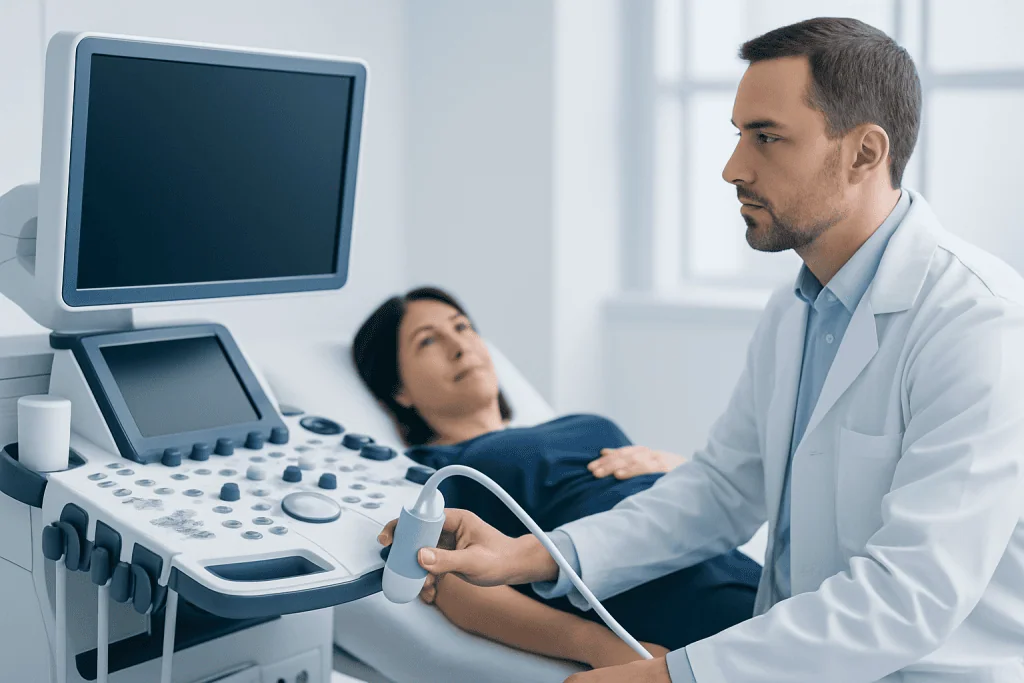
EGFR testing is most commonly recommended for people with certain types of cancer, especially advanced or metastatic non-small cell lung cancer, particularly adenocarcinoma. In this setting, testing for biomarkers is now a standard part of care because the tumor’s genetic profile can directly shape treatment decisions. Doctors may also request broader molecular profiling alongside EGFR testing.
In some cases, EGFR testing may be considered when cancer returns, spreads, or stops responding to treatment. A repeat test can help identify whether the tumor has developed new changes that affect treatment response. This is one reason biomarker testing is not always a one-time event.
Patients being evaluated for lung cancer may hear about EGFR testing early in their care, often soon after biopsy results confirm the diagnosis. The test is generally ordered by an oncologist, pulmonologist, thoracic surgeon, or pathologist as part of a larger diagnostic and treatment-planning process.
- People with newly diagnosed advanced non-small cell lung cancer
- Patients whose cancer has returned or progressed after treatment
- Patients being considered for targeted therapy
- Some patients undergoing broad molecular or biomarker testing of a tumor
How the test is done

An EGFR test can be performed on tissue taken from a tumor or on a blood sample. Tissue testing is often done using material collected during a biopsy or surgery. A pathologist prepares the sample, and a specialized laboratory analyzes it for specific EGFR gene changes. Because this uses actual tumor cells, tissue testing is often considered highly informative when enough sample is available.
Blood-based testing, often called a liquid biopsy, looks for pieces of tumor DNA circulating in the bloodstream. This option can be helpful when a tissue biopsy is difficult, unsafe, or does not provide enough material. It may also be used later in treatment to look for new mutations linked to resistance. However, if a blood test does not find a mutation, the doctor may still recommend tissue testing because some changes can be missed in blood.
Testing methods vary by laboratory. Some centers check for a limited number of common EGFR mutations, while others use larger next-generation sequencing panels that assess many cancer-related genes at once. The best approach depends on the cancer type, the amount of sample available, and what the care team needs to know in order to plan treatment.
When the tumor is being worked up in detail, patients may also undergo other diagnostic steps, including biopsy procedures and imaging. These tests complement each other: the biopsy confirms the diagnosis, imaging shows where the cancer is located and how far it has spread, and molecular testing such as EGFR helps guide therapy.
Understanding the results
EGFR test results are usually reported as positive, negative, or inconclusive for a specific mutation or set of mutations. A positive result means the laboratory found an EGFR gene change that may be relevant to treatment. In many cases, this suggests that a targeted therapy could be considered, depending on the exact mutation and the overall clinical picture.
A negative result means that no EGFR mutation was found in the sample tested. This does not mean the person does not have cancer, and it does not mean treatment options are limited. It simply means the tumor is less likely to benefit from EGFR-targeted therapy, so doctors may consider other targeted drugs, immunotherapy, chemotherapy, radiation, surgery, or a combination of treatments based on the cancer type and stage.
An inconclusive result may occur if the sample is too small, contains too few tumor cells, or the DNA quality is not good enough for analysis. In that situation, repeat testing may be recommended, sometimes using another tissue sample or a liquid biopsy. Patients should also know that not all EGFR mutations behave the same way, so the exact wording of the report matters.
Because biomarker reports can be technical, it is helpful for patients to ask their doctor to explain what was found, whether the mutation is actionable, and how the result changes the treatment plan. The result is most useful when interpreted alongside pathology findings, imaging, symptoms, and other markers such as ALK, ROS1, KRAS, or PD-L1 when appropriate.
How egfr test results can affect treatment
The most important reason for EGFR testing is that it can guide treatment selection. If the tumor carries a relevant EGFR mutation, the care team may recommend a targeted therapy designed to block signals that help cancer cells grow. These medicines can be used in specific clinical settings based on current guidelines, the exact mutation identified, and the patient’s overall health.
If the test is negative, or if the mutation found is not one that responds to available targeted drugs, treatment may focus on other options. These can include chemotherapy, immunotherapy, radiation therapy, surgery, or other targeted treatments if different biomarkers are present. Treatment planning remains individualized, and one test result is only part of the full picture.
Some patients are tested again after treatment if the cancer begins to grow despite therapy. This can help identify resistance mutations and support the next treatment decision. In selected cases, care may involve medical oncology specialists along with thoracic surgeons, radiation oncologists, pathologists, and pulmonologists.
For some patients, treatment planning also includes lung cancer treatment pathways that combine molecular testing with systemic therapy, imaging, and supportive care. A multidisciplinary approach helps make sure the EGFR result is used in a practical and timely way.
Limitations, practical questions, and patient self-care
Like all medical tests, an EGFR test has limits. A tumor may be genetically diverse, which means one sample may not capture every mutation present. Sometimes the amount of tissue is too small, or a blood test may not detect enough circulating tumor DNA. For this reason, doctors occasionally recommend repeat testing or broader molecular profiling.
Turnaround time varies by laboratory and testing method. While waiting for results can be stressful, the information often helps avoid less effective treatment choices. Patients can ask who ordered the test, what type of sample is being used, when results are expected, and whether additional biomarker tests are being done at the same time.
Self-care during this period centers on staying informed, keeping follow-up appointments, and bringing questions to visits. It may help to ask for a copy of the pathology and biomarker reports and to keep a simple record of symptoms, medications, and test dates. Emotional support from family, counselors, or cancer support services can also be valuable while decisions are being made.
Near the treatment-planning stage, some patients seek care in centers with coordinated cancer services. Acibadem International’s multidisciplinary specialists and JCI-accredited hospitals diagnose and treat international patients with complex cancer conditions, including cases where biomarker testing helps shape the care plan.
When to seek medical care
Patients should contact a doctor promptly if they have symptoms that could suggest lung disease or cancer, such as a persistent cough, coughing up blood, unexplained weight loss, shortness of breath, chest pain, or ongoing fatigue. These symptoms do not always mean cancer, but they deserve medical assessment, especially if they are new, worsening, or persistent.
Medical advice is also important if a person with a known cancer diagnosis has not yet discussed biomarker testing, including EGFR, with their care team. Asking whether molecular testing is appropriate can help ensure that treatment options are fully reviewed. If results are unclear or treatment decisions feel uncertain, a second opinion may also be helpful.
Urgent care should be sought for severe breathing difficulty, sudden chest pain, significant coughing up of blood, confusion, or signs of a serious reaction during cancer treatment. In all cases, the best next step is to speak with a qualified clinician who can interpret symptoms and test results in context.
Frequently asked questions
What does an egfr test look for?
An egfr test looks for changes in the EGFR gene in cancer cells. These changes can help doctors understand whether a tumor may respond to certain targeted treatments.
Is an egfr test the same as an eGFR kidney test?
No. An EGFR test in cancer care analyzes the EGFR gene, while an eGFR test estimates kidney function from a blood sample. The similar names can be confusing, but they are different tests used for different reasons.
Which cancers are most often tested for EGFR mutations?
EGFR mutation testing is most commonly used in non-small cell lung cancer, especially adenocarcinoma. In some situations, doctors may consider EGFR-related testing in other cancers, but lung cancer is the most established setting.
Can EGFR testing be done with a blood sample?
Yes. A liquid biopsy can look for tumor DNA in the blood and may be useful when tissue is hard to obtain or when doctors are checking for changes after treatment. If the blood test does not find a mutation, tissue testing may still be needed.
What happens if the egfr test is positive?
A positive result means an EGFR mutation was found. Depending on the exact mutation and the type of cancer, the doctor may discuss targeted therapy as one of the treatment options.
What if the egfr test is negative?
A negative result means no EGFR mutation was found in the tested sample. This does not rule out cancer or mean there are no treatment options; it simply means other treatment approaches or other biomarker tests may be more relevant.
Do patients ever need EGFR testing more than once?
Yes. Repeat testing may be helpful if the cancer returns, spreads, or stops responding to treatment. A new test can sometimes detect resistance mutations that may influence the next treatment decision.
References
- National Cancer Institute
- American Cancer Society
- National Comprehensive Cancer Network
- College of American Pathologists
- American Society of Clinical Oncology
This article is for general information only and is not a substitute for professional medical advice. Please consult a qualified doctor about your individual situation.
Oncology care in Turkey — second opinion and treatment plan
JCI-accredited · board-certified surgeons · reply within 24h
Add us as a Preferred Source to see more of our trusted health content across Google Search, AI Overviews and Discover.
Check your numbers in seconds
BMI, calories, due date, blood pressure and 30+ more clinical calculators — free, instant, doctor-reviewed ranges.

More from the Health Library



Related Specialists

Prof. Dr. Bahar Artım Esen
Rheumatology
Assoc. Prof. Dr. Zuhal Atan Uçar
Internal Medicine
Assoc. Prof. Dr. Tuna Bilecik
General Surgery
Dilek Küçükvardar
Physical Medicine & Rehabilitation