Egg Cells — Explained by Medical Evidence, Not Myths

Egg cells are formed before birth and are stored in the ovaries until ovulation. A person is born with a limited number of egg cells, and this supply declines over time.
Key Takeaways
- Egg cells are formed before birth and are stored in the ovaries until ovulation.
- A person is born with a limited number of egg cells, and this supply declines over time.
- Egg cell quality tends to decrease with age, especially in the mid-30s and beyond.
- Fertility depends on more than egg cells alone; hormones, ovulation, sperm, and uterine health also matter.
- Tests such as AMH, antral follicle count, and ultrasound can help assess ovarian reserve, but no single test predicts pregnancy with certainty.
- Healthy lifestyle habits may support overall reproductive health, but they cannot fully stop age-related egg cell decline.
Egg cells are the female reproductive cells made before birth and released during the reproductive years. Medical evidence shows that both the number and quality of egg cells naturally decline with age, which can affect fertility, miscarriage risk, and treatment decisions.
Overview: What egg cells are and why they matter
Egg cells, also called oocytes or ova, are the female reproductive cells. Each egg cell carries half of the genetic material needed to form an embryo. When an egg is released from the ovary and fertilized by a sperm cell, pregnancy can begin. This is why egg cells are central to natural conception and to fertility treatments.
Medical evidence shows that egg cells are unusual compared with many other cells in the body. Most are formed before birth, remain stored in the ovaries for years, and gradually decline in both number and quality over time. This natural process is a normal part of reproductive aging, not a sign that someone has done something wrong.
Many myths about egg cells circulate online, especially around fertility “boosters,” supplements, and timing tricks. In reality, fertility is influenced by several factors at once, including ovulation, hormone patterns, fallopian tube health, uterine conditions, sperm quality, age, and general health. Understanding egg cells in this broader medical context can help people make informed, less stressful decisions.
How egg cells develop across life
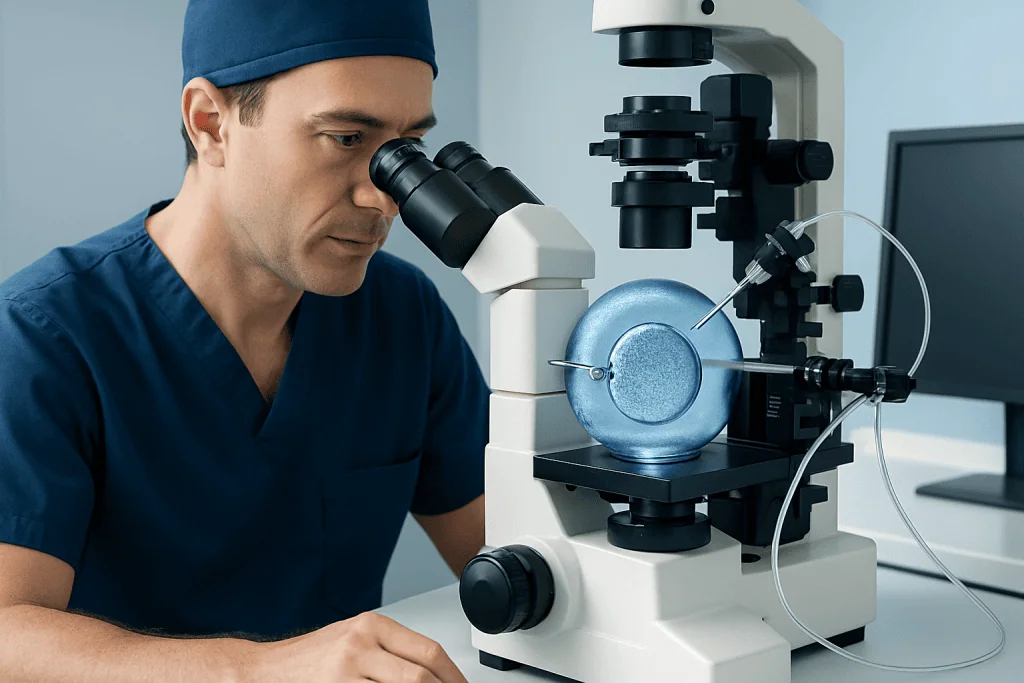
Egg cells begin developing very early in life. During fetal development, the ovaries contain a large number of immature eggs. By birth, this number has already fallen, and it continues to decline throughout childhood and the reproductive years. This means the body does not continually make a large new supply of mature egg cells each month.
From puberty onward, the brain and ovaries work together through hormones to support the menstrual cycle. During each cycle, a group of follicles begins to mature. A follicle is a fluid-filled structure in the ovary that contains an immature egg. Usually, one follicle becomes dominant, and its egg is released at ovulation.
Not every developing egg reaches ovulation. In fact, most follicles naturally stop developing and are reabsorbed by the body. This is a normal biological process. The gradual loss of follicles over time contributes to reduced ovarian reserve, which refers to the number of remaining eggs in the ovaries.
As reproductive years progress, the ovaries become less responsive to hormonal signals. Cycles may become less predictable, ovulation may be less regular, and the remaining egg cells are more likely to have chromosome-related changes. These age-related shifts are a key reason fertility changes over time.
Egg cell number, egg cell quality, and age
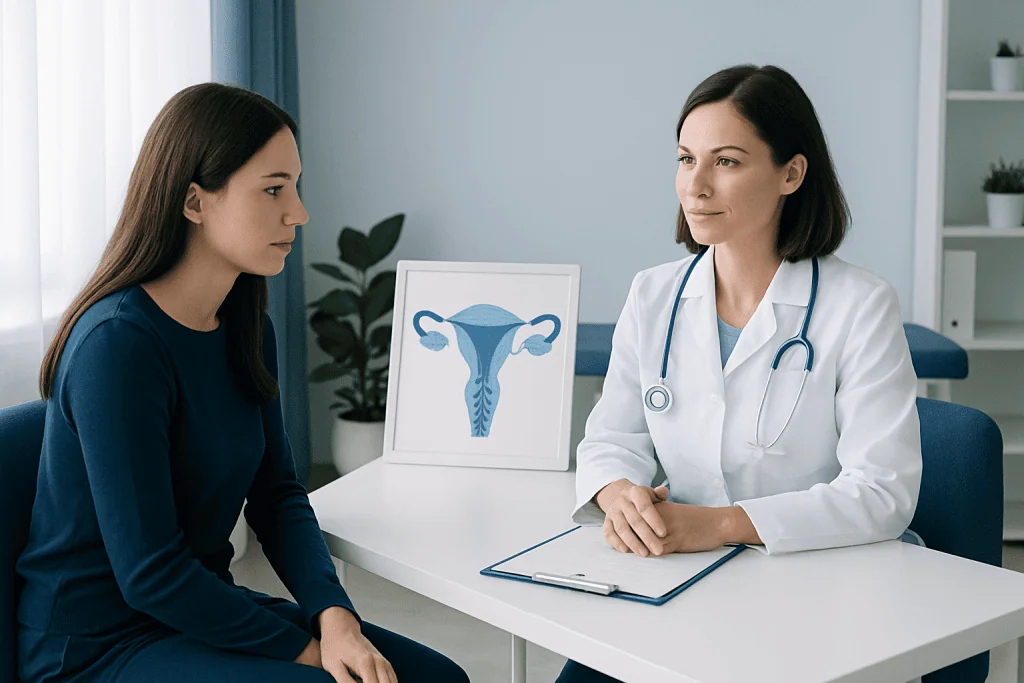
People often hear the phrase “egg quality,” but it can be misunderstood. In medical practice, egg cell quality generally refers to the likelihood that an egg has the right internal structure and chromosome balance to support fertilization, embryo development, and implantation. It is not something that can be measured perfectly in everyday life, and it does not define a person’s health or worth.
Age is the strongest known factor affecting egg cell quality. As egg cells remain in the ovaries for many years, the chance of chromosomal errors increases. This can make it harder to conceive and can increase the risk of early pregnancy loss. It also helps explain why fertility treatment outcomes often differ by age group.
Egg cell number and egg cell quality are related but not identical. A person may have a lower ovarian reserve but still ovulate and conceive. Another person may have many follicles but still face difficulty because of ovulation problems, hormone disorders, sperm factors, or uterine conditions. This is why a fertility evaluation usually looks at the whole picture rather than one test result.
Conditions such as endometriosis, prior ovarian surgery, certain genetic factors, chemotherapy, radiation exposure, and some autoimmune conditions can also affect ovarian reserve or egg cell health. For readers interested in the broader condition, clinicians may discuss infertility when pregnancy does not occur after an appropriate period of trying.
Common myths and what evidence actually shows
One common myth is that egg cells are renewed in a way that fully restores fertility at any age. Current medical evidence does not support the idea that routine lifestyle changes can reverse reproductive aging. Healthy habits can support overall health and may improve some aspects of reproductive function, but they do not stop the natural age-related decline in egg number and quality.
Another myth is that regular menstruation always means fertility is normal. Menstrual cycles can appear regular even when egg cell quality has declined or when other fertility factors are present. Conversely, irregular periods do not automatically mean pregnancy is impossible. Medical assessment is often needed to understand what is happening.
It is also inaccurate to assume that one blood test can reveal exact fertility potential. Tests such as anti-Müllerian hormone, follicle-stimulating hormone, and ultrasound-based follicle counts provide useful information, especially about ovarian reserve and treatment planning. However, they cannot guarantee whether or when pregnancy will happen.
Finally, there is no single food, supplement, or “detox” proven to dramatically improve egg cells in a predictable way. Some people may benefit from addressing nutritional deficiencies, smoking, sleep problems, high stress, or uncontrolled medical conditions. These steps support general reproductive health, but claims of guaranteed egg “rejuvenation” should be viewed cautiously.
Symptoms, signs, and when egg cells become a concern
Egg cell changes themselves do not usually cause direct symptoms that a person can feel. There is no specific pain pattern or daily sign that reveals egg cell quality. Instead, concerns about egg cells often come up when there is difficulty becoming pregnant, repeated early miscarriage, changes in menstrual patterns, or a medical history that may affect the ovaries.
Some people may notice shorter or more irregular cycles as they get older, especially approaching perimenopause. Others may have symptoms related to conditions that affect ovulation, such as polycystic ovary syndrome, thyroid disease, or premature ovarian insufficiency. In these situations, symptoms are often linked to the underlying condition rather than the egg cells alone.
It can help to seek medical care if pregnancy has not occurred after 12 months of regular unprotected intercourse, or after 6 months if the person trying to conceive is age 35 or older. Earlier assessment is also reasonable with absent periods, very irregular cycles, known endometriosis, prior pelvic infection, prior ovarian surgery, cancer treatment history, or known male factor concerns.
A clinician may also evaluate related conditions such as polycystic ovary syndrome when ovulation is irregular. Identifying the correct cause matters because treatment is guided by the underlying problem, not by myths about egg cells.
How doctors assess egg cells and fertility potential
Doctors cannot directly count every egg cell in the ovaries, but they can estimate ovarian reserve and evaluate the conditions that influence fertility. A medical assessment usually begins with age, menstrual history, prior pregnancies, surgeries, medications, and family history. Lifestyle factors, symptoms, and the timing of intercourse may also be discussed.
Common tests include blood work and ultrasound. Anti-Müllerian hormone (AMH) helps estimate ovarian reserve by reflecting follicle activity. Follicle-stimulating hormone (FSH) and estradiol may be checked early in the cycle. A transvaginal ultrasound may measure the antral follicle count, which estimates how many small follicles are visible in the ovaries.
Because pregnancy depends on more than egg cells, doctors often assess additional factors. These may include ovulation tracking, thyroid and prolactin testing, fallopian tube evaluation, uterine imaging, and semen analysis. This broader approach is important because a low ovarian reserve is only one of several possible reasons for fertility problems.
For people considering specialist care, treatment planning may involve IVF or other reproductive options depending on age, ovarian reserve, sperm findings, and overall reproductive health. The goal is to match treatment to the medical situation rather than rely on assumptions.
Treatment options and reproductive planning
Treatment depends on the reason egg cells have become part of the discussion. If someone is ovulating normally and has no other major fertility barriers, they may be advised to continue trying naturally for a time that is appropriate for age and medical history. If ovulation is irregular, doctors may first treat the underlying hormonal or metabolic cause.
When fertility treatment is needed, options may include cycle monitoring, ovulation induction, intrauterine insemination, or in vitro fertilization. In IVF, the ovaries are stimulated to mature multiple follicles so that eggs can be retrieved, fertilized in the laboratory, and observed as embryos. IVF does not “fix” aging egg cells, but it can help make use of the eggs that remain and may improve the efficiency of treatment in selected cases.
Some people ask about freezing egg cells for future use. Egg freezing can be a useful reproductive planning option for those who want to preserve eggs at a younger age before expected age-related decline, or before certain medical treatments that may affect the ovaries. It is best discussed early, because success is influenced by the age at which eggs are frozen and the number retrieved.
If another gynecologic condition is affecting fertility, treatment may also involve evaluation through gynecology care. Near the end of the care pathway, some international patients choose multidisciplinary assessment at Acibadem International, where JCI-accredited hospitals diagnose and treat reproductive conditions with coordinated specialist input.
Protecting reproductive health and when to seek medical care
No routine habit can completely prevent the natural decline in egg cells over time, but general health choices still matter. Avoiding smoking is especially important, as smoking is linked to earlier loss of ovarian function and poorer reproductive outcomes. Managing chronic conditions, maintaining a balanced diet, exercising regularly, sleeping well, and limiting alcohol can also support overall reproductive health.
People should be careful with unproven supplements or online fertility claims. A product marketed as improving egg cell quality may not be effective, safe, or well studied. Before starting vitamins, herbal products, or hormone-related treatments, it is wise to ask a qualified clinician whether they are appropriate.
Medical care should be sought sooner rather than later if there are irregular or absent periods, repeated miscarriage, severe pelvic pain, a history of ovarian surgery, known endometriosis, cancer treatment exposure, or concerns about declining fertility with age. Prompt evaluation can clarify whether the issue involves egg cells, ovulation, the uterus, the fallopian tubes, sperm, or more than one factor.
Anyone with sudden severe pelvic pain, fainting, heavy bleeding, or signs of an acute emergency should seek urgent care. For non-urgent fertility concerns, an obstetrician-gynecologist or reproductive medicine specialist can explain test results, discuss timing, and help create a plan that fits the person’s goals and health history.
Frequently asked questions
What are egg cells?
Egg cells are the female reproductive cells produced before birth and stored in the ovaries. Each egg contains half of the genetic material needed for pregnancy and is released during ovulation when the menstrual cycle is functioning normally.
Are women born with all their egg cells?
Yes, most egg cells are formed before birth. The number naturally decreases over time, and the body does not replace them in a way that fully restores the original supply during adult life.
Does age affect egg cell quality?
Yes, age is the main factor linked to reduced egg cell quality. As age increases, the chance of chromosomal changes in the eggs also rises, which can make conception harder and increase the risk of miscarriage.
Can lifestyle changes improve egg cells?
Healthy habits can support overall reproductive health, especially avoiding smoking and managing chronic illness. However, lifestyle changes cannot completely reverse the natural age-related decline in egg number or quality.
How do doctors check egg cells?
Doctors estimate ovarian reserve rather than directly counting every egg. Common tools include AMH blood testing, early-cycle hormone tests, and ultrasound to assess antral follicle count, along with evaluation of ovulation, sperm, and reproductive anatomy.
Do regular periods mean egg cells are healthy?
Not always. Regular periods suggest that ovulation may be occurring, but they do not guarantee normal egg cell quality or normal fertility overall. Other factors such as age, sperm quality, fallopian tube function, and uterine health are also important.
When should someone see a doctor about fertility and egg cells?
Medical advice is recommended after 12 months of trying to conceive without success, or after 6 months if the person is 35 or older. Earlier evaluation is sensible for irregular periods, known gynecologic conditions, recurrent miscarriage, or a history of treatments that may affect the ovaries.
References
- American Society for Reproductive Medicine
- American College of Obstetricians and Gynecologists
- National Institute for Health and Care Excellence
- Centers for Disease Control and Prevention
- World Health Organization
This article is for general information only and is not a substitute for professional medical advice. Please consult a qualified doctor about your individual situation.
IVF & fertility treatment in Turkey — success rates and costs
JCI-accredited · board-certified surgeons · reply within 24h
Add us as a Preferred Source to see more of our trusted health content across Google Search, AI Overviews and Discover.
Check your numbers in seconds
BMI, calories, due date, blood pressure and 30+ more clinical calculators — free, instant, doctor-reviewed ranges.

More from the Health Library

Dry Skin Under Eyes: What Patients Need to Know

Fish Odor Pee — Explained by Medical Evidence, Not Myths

Stress Incontinence — Explained by Medical Evidence, Not Myths

Local Anesthesia: An Evidence-Based Guide for Patients

Injection Flu Shot: A Complete Medical Overview