Electroconvulsive Therapy: Early Signs, Risk Factors, and How It Is Treated

Electroconvulsive therapy is performed under general anesthesia and muscle relaxation in a carefully monitored setting. It is most often used for severe depression, catatonia, bipolar depression or mania, and some cases of psychosis.
Key Takeaways
- Electroconvulsive therapy is performed under general anesthesia and muscle relaxation in a carefully monitored setting.
- It is most often used for severe depression, catatonia, bipolar depression or mania, and some cases of psychosis.
- Common short-term side effects include headache, nausea, muscle soreness, and temporary confusion or memory problems.
- ECT can work faster than many medications, which is important when symptoms are severe or safety is a concern.
- A full care plan often includes follow-up medication, psychotherapy, or maintenance ECT to reduce relapse.
Electroconvulsive therapy is a medical procedure that uses a brief, controlled electrical stimulus under anesthesia to trigger a short seizure in the brain. It is used mainly for severe depression and certain other serious psychiatric conditions, especially when rapid improvement is needed or other treatments have not worked well.
Overview: what electroconvulsive therapy is and when it is used
Electroconvulsive therapy, often called ECT, is a well-established medical treatment used for certain severe mental health conditions. During the procedure, a brief electrical stimulus is delivered to the brain while the person is asleep under general anesthesia and given a muscle relaxant. This causes a short, controlled seizure that is thought to reset or rebalance brain circuits involved in mood, thinking, and behavior.
ECT is not usually the first treatment offered for common mood symptoms. Instead, it is generally considered when an illness is severe, when symptoms have not improved enough with medication or psychotherapy, or when a rapid response is especially important. Examples include severe depression with suicidal thinking, depression with psychotic features, catatonia, and some forms of bipolar disorder or severe mania.
Many people know ECT from outdated portrayals in films or media, but modern ECT is very different. Today it is performed in a controlled hospital setting with anesthesia, heart and oxygen monitoring, and individualized planning. The goal is to improve symptoms safely while reducing discomfort and side effects as much as possible.
Who may benefit: symptoms and situations that lead doctors to consider ECT
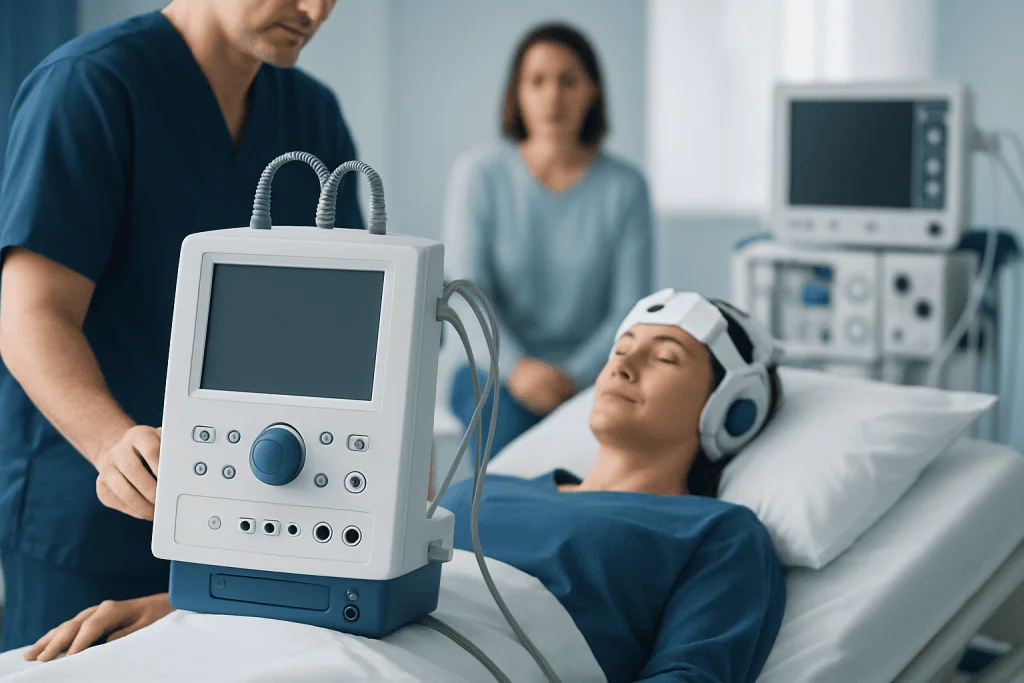
ECT treats underlying psychiatric illness rather than a single symptom, so the reasons to consider it depend on the person’s diagnosis and symptom severity. In major depression, doctors may consider ECT when a person has persistent low mood, loss of interest, severe sleep or appetite changes, slowed movement, hopelessness, or difficulty functioning in daily life. It may also be used when depression is accompanied by delusions or hallucinations.
Another important use is catatonia, a state in which a person may become immobile, mute, extremely withdrawn, or show unusual repetitive movements. ECT can also help some people with bipolar depression or mania, especially when agitation, psychosis, or severe impairment is present. In select cases, it may be used for schizophrenia-spectrum illness when other treatments have not worked or when catatonic symptoms occur.
Doctors may think about ECT sooner when symptoms create urgent risks. These include not eating or drinking enough, inability to care for basic needs, severe suicidal thinking, intense agitation, or a condition that has remained disabling despite appropriate treatment. Related conditions such as depression or bipolar disorder are commonly part of this assessment.
How ECT works and what to expect before, during, and after treatment

Before ECT starts, the care team reviews the person’s medical and psychiatric history, current medications, and overall physical health. The evaluation often includes blood tests, an electrocardiogram, and an anesthesia assessment. This helps the team decide whether ECT is appropriate and how to tailor the procedure to the person’s needs.
On the day of treatment, the person usually avoids eating or drinking for a period beforehand, following medical instructions. In the treatment room, monitoring equipment is placed to track heart rhythm, blood pressure, and oxygen levels. An anesthetic medicine is given through a vein to make the person sleep, followed by a muscle relaxant to limit body movement during the seizure. Small electrode pads are placed on the scalp, and the electrical stimulus is delivered for a few seconds.
The seizure itself is brief and is monitored carefully by the medical team. Afterward, the person wakes in a recovery area and is observed until alert and stable. A course of ECT usually involves multiple sessions over several weeks rather than a single treatment. Depending on the condition and response, doctors may recommend additional maintenance treatment and coordinated follow-up with psychiatry services.
Conditions treated and risk factors that increase the chance ECT will be considered
ECT is best understood as a treatment option for severe or treatment-resistant psychiatric illness rather than as a last resort in every situation. The conditions most strongly associated with its use are major depressive disorder, bipolar disorder, catatonia, and some psychotic illnesses. It may be especially useful when a person has had a good response to ECT in the past or cannot safely wait several weeks for medication to take effect.
Certain clinical factors make ECT more likely to be discussed. These include symptoms that are severe enough to threaten health or safety, repeated episodes that have caused major disability, poor response to several evidence-based medicines, and intolerance to medication side effects. In some people, pregnancy, older age, or coexisting medical conditions may influence treatment planning, but these factors do not automatically rule ECT in or out. Decisions are individualized.
Doctors also weigh how urgently the illness needs treatment. If someone is not eating, is profoundly slowed down, is highly suicidal, or has catatonia, ECT may offer an important chance for faster symptom relief. For people whose care involves complex mood or psychotic symptoms, referral to neurology or other specialists may also be part of a broader assessment when needed.
Benefits, side effects, and possible risks
The main advantage of ECT is that it can work more quickly than many medications, particularly in severe depression, psychotic depression, and catatonia. For some people, this speed matters because the illness is causing serious suffering or immediate safety concerns. ECT can also help when standard treatments have produced only limited benefit or have caused side effects that are difficult to manage.
Common short-term side effects include headache, jaw pain, muscle soreness, nausea, and temporary confusion after the session. Many people feel tired for several hours. Memory changes are also possible. Some people have difficulty remembering events around the time of treatment, and some notice gaps in memory for past events. These effects often improve over days to weeks, but in some cases memory problems can last longer.
Because ECT involves anesthesia, there are also general medical risks similar to those seen with other brief procedures requiring sedation. The treatment team monitors heart rate, blood pressure, and breathing throughout the session to reduce risk. Doctors try to lower side effects by adjusting the electrical dose, choosing electrode placement carefully, spacing sessions appropriately, and reviewing medications before each phase of care.
- Possible short-term effects: confusion, headache, nausea, fatigue, muscle aches
- Possible cognitive effects: temporary memory problems, especially around treatment days
- Medical considerations: heart disease, lung disease, neurological conditions, and current medications should be reviewed carefully
Diagnosis, consent, and treatment planning
ECT is never recommended based on symptoms alone. Doctors first make a careful psychiatric diagnosis and assess whether other causes could be contributing to the person’s condition. This may include reviewing substance use, thyroid disease, neurological illness, medication effects, and sleep problems. The aim is to confirm the diagnosis and understand what treatments have already been tried.
Informed consent is a central part of treatment planning. The doctor explains why ECT is being considered, what alternatives exist, how many sessions may be needed, and what side effects are possible. Families may be included in discussions with the patient’s permission, especially when support at home will be important after treatment days.
The final plan is individualized. Doctors consider the diagnosis, symptom severity, previous treatment response, medical history, and the person’s own preferences. After improvement begins, long-term planning becomes important. Some people continue with antidepressants, mood stabilizers, antipsychotic medication, psychotherapy, or maintenance ECT to help reduce the chance of symptoms returning. In some cases, coordinated care may also involve psychological support to assist recovery and coping.
Recovery, self-care, and when to seek medical care
Recovery after each ECT session is usually short, but the person should plan for a quiet day and avoid driving or making major decisions until cleared by the care team. Temporary tiredness or mild confusion can happen, so having a family member or trusted companion available may help. Keeping a symptom diary can make it easier to track mood, sleep, appetite, and memory changes during the course of treatment.
Self-care during ECT focuses on consistency and support. Taking medications exactly as prescribed, attending follow-up appointments, staying hydrated, eating regular meals, and maintaining a stable sleep schedule can all help recovery. Emotional support matters too, since severe mood disorders can affect confidence, relationships, and daily routines even as symptoms begin to improve.
Medical advice should be sought promptly if the person has worsening suicidal thoughts, severe confusion that does not improve, chest pain, trouble breathing, a prolonged severe headache, fever, or other unexpected symptoms after a session. It is also important to contact the treating team if memory problems become especially troubling or if mood symptoms return between treatments. Near the end of care planning, some patients may choose evaluation at centers such as Acibadem International, where multidisciplinary specialists in JCI-accredited hospitals diagnose and treat complex psychiatric conditions for international patients.
Frequently asked questions
Is electroconvulsive therapy the same as what older movies show?
No. Modern electroconvulsive therapy is performed under general anesthesia with muscle relaxants and close monitoring. It is a controlled medical procedure that is very different from outdated or inaccurate media portrayals.
What conditions is ECT most commonly used to treat?
ECT is most commonly used for severe depression, especially when symptoms are urgent, resistant to treatment, or include psychosis. It is also used for catatonia, bipolar depression or mania, and selected cases of severe psychotic illness.
Does ECT hurt?
The electrical treatment itself is given while the person is asleep under anesthesia, so it is not felt during the procedure. Some people may have a headache, muscle soreness, or nausea afterward, but these effects are usually short-lived and manageable.
Can electroconvulsive therapy cause memory loss?
Temporary memory problems are one of the best-known side effects of ECT. Many people notice difficulty remembering events close to treatment sessions, and some may have gaps in memory for past events. These changes often improve over time, but the pattern and duration can vary from person to person.
How quickly does ECT work?
ECT can improve symptoms faster than many psychiatric medications, which is one reason doctors consider it in urgent situations. Some people begin to feel better within a few treatments, but a full course is often needed for the best response.
Is ECT only used after every other treatment fails?
Not always. Although it is often used after other treatments have not worked well enough, it may also be recommended earlier when symptoms are severe or safety is at risk. The decision depends on the diagnosis, urgency, medical history, and patient preference.
References
- National Institute of Mental Health
- American Psychiatric Association
- Mayo Clinic
- National Health Service
- World Health Organization
This article is for general information only and is not a substitute for professional medical advice. Please consult a qualified doctor about your individual situation.
Explore treatments in Turkey — costs, top hospitals & a free quote
JCI-accredited · board-certified surgeons · reply within 24h
Add us as a Preferred Source to see more of our trusted health content across Google Search, AI Overviews and Discover.
Check your numbers in seconds
BMI, calories, due date, blood pressure and 30+ more clinical calculators — free, instant, doctor-reviewed ranges.