

Emdr Therapy: Early Signs, Risk Factors, and How It Is Treated

EMDR therapy helps the brain reprocess distressing memories rather than erase them. It is commonly used for PTSD and trauma-related symptoms, but may also support treatment for anxiety and panic symptoms.
Key Takeaways
- EMDR therapy helps the brain reprocess distressing memories rather than erase them.
- It is commonly used for PTSD and trauma-related symptoms, but may also support treatment for anxiety and panic symptoms.
- Treatment follows a step-by-step protocol led by a trained mental health professional.
- EMDR can be effective without requiring a person to describe every detail of a traumatic event out loud.
- A full evaluation is important to confirm whether EMDR is appropriate and how it fits into an overall care plan.
EMDR therapy is a structured form of psychotherapy designed to help people process distressing memories so they feel less overwhelming over time. It is most often used for trauma-related conditions such as PTSD, but it may also be part of care for anxiety, panic symptoms, and other mental health concerns when recommended by a qualified clinician.
Overview: what EMDR therapy is
EMDR therapy, short for eye movement desensitization and reprocessing, is a structured psychotherapy used to help people recover from the emotional effects of traumatic or highly distressing experiences. It is best known as a treatment for post-traumatic stress disorder, but clinicians may also use it as part of care for other conditions involving distressing memories, strong emotional triggers, or persistent fear responses.
The core idea behind emdr therapy is that the brain can sometimes store difficult experiences in a way that keeps them feeling vivid, emotionally intense, and easily triggered. During treatment, a trained therapist guides the person to recall specific memories while using bilateral stimulation, such as side-to-side eye movements, tapping, or sounds. Over time, this may help the memory become less upsetting and easier to think about.
EMDR does not involve hypnosis, and it does not aim to make people forget what happened. Instead, it helps reduce the emotional charge linked to those memories. Many people describe the experience as gaining more distance, perspective, or calm when thinking about events that previously felt overwhelming.
How EMDR therapy may help and who it is for
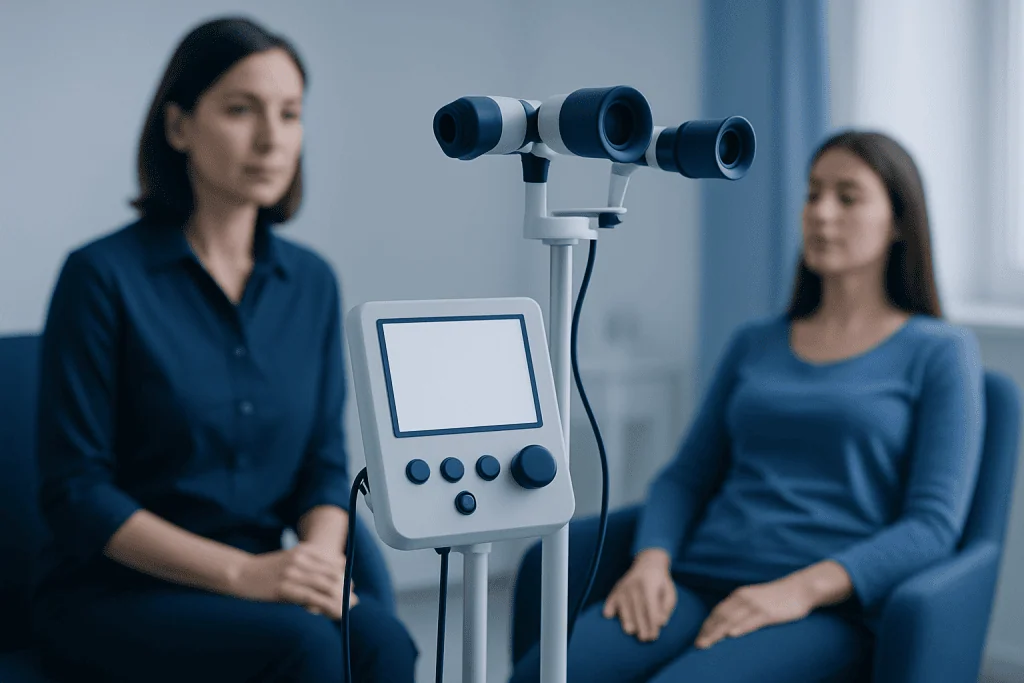
EMDR therapy is most strongly associated with trauma care. It is often recommended for people with symptoms of post-traumatic stress disorder after events such as accidents, violence, military combat, disasters, medical trauma, or childhood adversity. Common goals include reducing flashbacks, intrusive thoughts, nightmares, avoidance, and heightened alertness.
Some mental health professionals also use emdr therapy for carefully selected patients with symptoms related to anxiety or panic attacks, especially when past distressing experiences seem to contribute to current triggers. In these situations, EMDR is usually part of a broader treatment plan that may also include talk therapy, coping-skills training, stress management, or medication when appropriate.
EMDR is not the right choice for every person or every situation. A clinician considers emotional stability, current safety, substance use, dissociation, sleep problems, and other mental or physical health concerns before starting. When used thoughtfully and with proper preparation, it can be a useful option for people who feel “stuck” in the emotional impact of earlier experiences.
Early signs and symptoms that may prompt evaluation

People do not need to know for certain that they have trauma-related illness before seeking help. Often, the first signs are changes in mood, sleep, concentration, or the body’s stress response. A person might notice that certain places, smells, sounds, dates, or relationship conflicts trigger a level of fear or distress that feels stronger than expected.
Symptoms that may lead a clinician to consider trauma-focused therapy such as emdr therapy can include:
- Intrusive memories or unwanted mental images
- Nightmares or poor sleep
- Avoiding reminders of a stressful event
- Feeling constantly on guard, jumpy, or easily startled
- Sudden panic, racing heart, or shortness of breath in triggering situations
- Persistent guilt, shame, anger, or emotional numbness
- Difficulty focusing, relaxing, or feeling safe
These symptoms can happen soon after an event or appear much later. Some people function well in daily life for years before stress, illness, bereavement, or a new life event brings old memories back to the surface. A professional assessment helps identify whether symptoms are most consistent with PTSD, another anxiety disorder, depression, grief, or a different mental health condition.
Risk factors and situations linked to trauma-related symptoms
Needing emdr therapy is not a “risk factor” in the same way as a disease, but some life experiences and personal circumstances can make trauma-related symptoms more likely. A person may be more affected if the event involved threat to life, serious injury, interpersonal violence, repeated exposure, or a lack of support afterward. Trauma in childhood can be especially complex because it may affect emotional regulation, trust, and self-image over time.
Other factors that can increase vulnerability include previous trauma, ongoing stress, social isolation, sleep disruption, depression, anxiety, and certain medical conditions. People who work in emergency care, military service, humanitarian response, or other high-stress settings may also face repeated exposure to disturbing events.
At the same time, no single factor predicts how someone will respond. Two people may go through similar experiences and recover very differently. This is one reason clinicians focus on the individual’s symptoms, strengths, history, and current support system rather than making assumptions based only on the event itself.
How EMDR therapy is assessed and delivered
Before emdr therapy begins, a qualified mental health professional carries out a careful evaluation. This usually includes current symptoms, past trauma, mood, anxiety, sleep, personal safety, medical history, and previous treatment. The clinician also checks whether the person has enough coping capacity to tolerate trauma-focused work. In some cases, treatment starts with stabilization and skill-building before direct memory processing begins.
EMDR follows a standardized, phased approach. Although sessions are individualized, they generally include identifying target memories, noticing related thoughts and body sensations, and using bilateral stimulation while the person briefly focuses on aspects of the memory. The therapist helps the person observe what comes up, track changes in distress, and gradually shift toward more adaptive beliefs.
The process usually includes preparation, memory reprocessing, and review. Between sessions, a therapist may recommend grounding strategies, sleep routines, journaling, or supportive psychotherapy. In some care pathways, EMDR is combined with psychiatric evaluation and follow-up or clinical psychology support to address related symptoms such as depression, severe anxiety, or functional impairment.
Treatment length varies. Some people improve after a limited number of sessions focused on a single event, while others with complex or long-standing trauma may need a longer course of care. Progress is typically measured by symptom reduction, better emotional regulation, improved daily functioning, and less distress when recalling triggers.
Treatment options alongside EMDR therapy
EMDR is one evidence-based option, but it is not the only treatment for trauma-related symptoms. Depending on diagnosis and personal needs, clinicians may recommend trauma-focused cognitive behavioral therapy, exposure-based therapies, supportive psychotherapy, mindfulness-based approaches, or medication to help with anxiety, sleep disturbance, or depression. The best plan depends on symptoms, preference, past response to treatment, and overall health.
Some people benefit from a combined approach. For example, therapy may focus on trauma processing while medication supports sleep or reduces severe anxiety enough for treatment to feel manageable. For others, establishing daily structure, improving nutrition, reducing alcohol or substance use, and strengthening social support are important first steps before intensive trauma work.
If symptoms involve both mental and physical effects of stress, coordinated care can be helpful. In appropriate cases, broader neurology assessment or other specialty review may be needed to evaluate headaches, fainting episodes, concentration problems, or other symptoms that overlap with medical conditions. Near the end of the treatment journey, some international patients may choose centers such as Acibadem International, where multidisciplinary specialists in JCI-accredited hospitals evaluate and treat trauma-related and mental health concerns as part of coordinated care.
Self-care, practical support, and when to seek medical care
Self-care cannot replace professional treatment, but it can support recovery. Helpful steps often include maintaining regular sleep and meal times, limiting alcohol and recreational drugs, staying physically active, practicing breathing or grounding exercises, and keeping contact with trusted friends or family. Gentle routines can reduce the body’s stress load and make therapy easier to tolerate.
It is also helpful to reduce pressure for “quick recovery.” Trauma symptoms often improve gradually rather than all at once. People may have good days and difficult days, especially when starting therapy or facing reminders of the original event. Keeping expectations realistic and following the therapist’s coping plan can make the process feel safer and more manageable.
Medical care should be sought if symptoms are intense, persistent, or interfering with work, study, relationships, or sleep. Prompt evaluation is especially important if there are panic episodes, severe nightmares, self-harm thoughts, suicidal thoughts, substance misuse, dissociation, or inability to function day to day. Emergency help is needed immediately if a person may harm themselves or others, or if there is concern for a medical emergency such as chest pain, collapse, or trouble breathing.
Frequently asked questions
What is EMDR therapy mainly used for?
EMDR therapy is mainly used to treat trauma-related symptoms, especially post-traumatic stress disorder. It may also be used in selected cases of anxiety, panic symptoms, or distress linked to difficult past experiences when a qualified clinician thinks it is appropriate.
Does EMDR therapy make people relive trauma?
EMDR involves briefly bringing parts of a distressing memory to mind, but the goal is not to force a person to relive the event in detail. A trained therapist helps the person stay grounded and process the memory in a controlled, structured way.
How long does EMDR therapy take to work?
The timeline varies from person to person. Some people notice improvement after a relatively small number of sessions, while others with multiple or complex traumatic experiences may need longer treatment.
Is EMDR therapy only for people with PTSD?
No. Although EMDR is best known for PTSD, clinicians may use it for other problems when distressing memories appear to play a central role. A full assessment is important to decide whether it is the right treatment and whether another therapy might be a better fit.
Are eye movements the only way EMDR is done?
No. Bilateral stimulation can be provided in different ways, including eye movements, tapping, or alternating sounds. The therapist chooses the method that is most practical and comfortable for the patient.
Can EMDR therapy be combined with medication?
Yes, in many cases it can. Some people use medication for anxiety, depression, or sleep problems while also taking part in therapy, based on the treatment plan created by their doctor or mental health professional.
References
- World Health Organization
- National Institute of Mental Health
- American Psychiatric Association
- U.S. Department of Veterans Affairs National Center for PTSD
- National Health Service
This article is for general information only and is not a substitute for professional medical advice. Please consult a qualified doctor about your individual situation.
Explore treatments in Turkey — costs, top hospitals & a free quote
JCI-accredited · board-certified surgeons · reply within 24h
Add us as a Preferred Source to see more of our trusted health content across Google Search, AI Overviews and Discover.

More from the Health Library



Related Specialists

Assoc. Prof. Dr. Mehmet Sağır
Aesthetic Plastic & Reconstructive Surgery
Dr. Nezail Demircler
Aesthetic Plastic & Reconstructive Surgery
Dr. Haluk Caneroğlu
Neurology
Dr. Utku Şenol
Cardiology